Generating the Monumental: Irkutsk Trains a New Generation of Artists
At Irkutsk National Research Technical University, artificial intelligence is becoming part of the curriculum for monumental artists. Students are already using virtual assistants to create concept sketches, videos, and visualizations, bringing digital tools directly into the creative classroom.
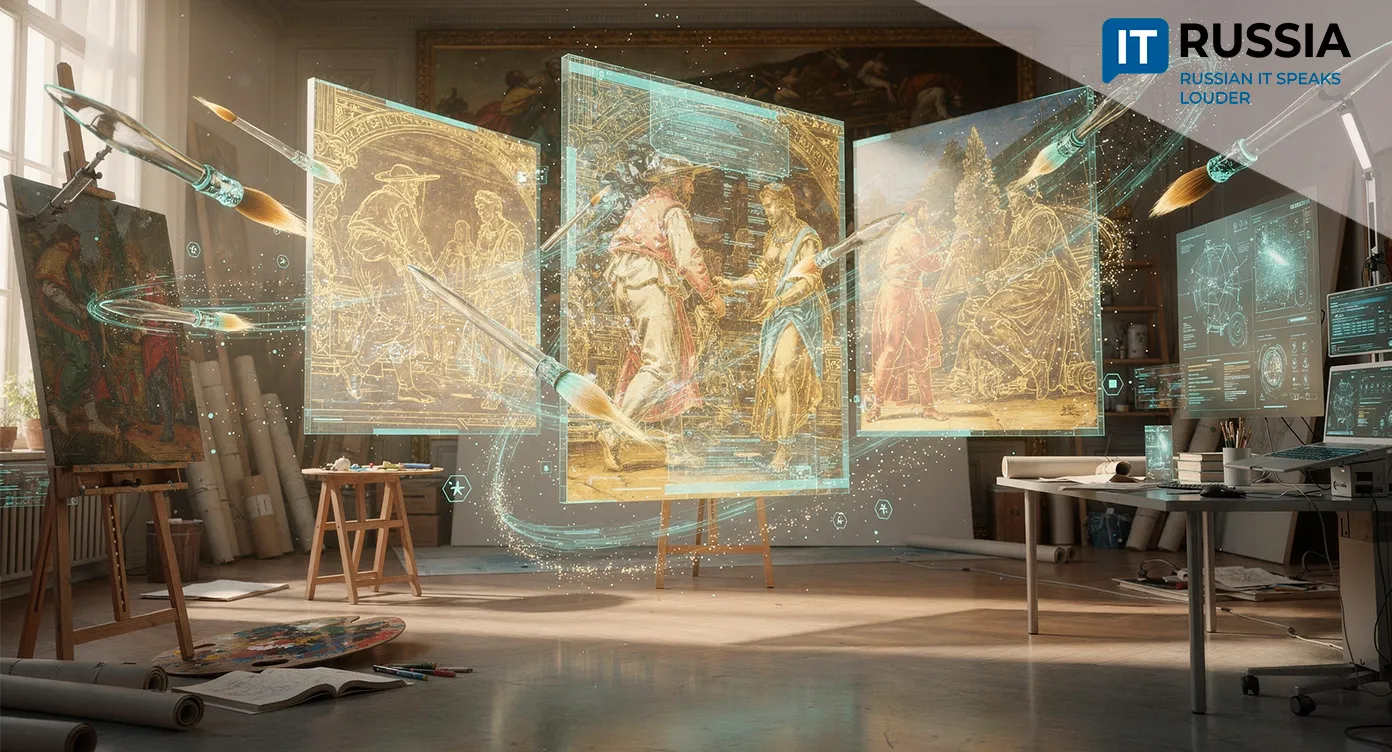
A Digital Easel
The training of monumental artists is taking on new dimensions. Students and faculty are using modern AI tools such as GigaChat and Kandinsky developed by Sber, along with Qwen.Chat, to generate concept sketches, videos, and visualizations. These technologies make it possible not only to save time and resources, but also to test ideas at the earliest design stage and to create polished, professional presentations for potential clients.
“Digital prototyping allows us to test materials of any cost at the idea stage,” explains Dmitry Dorokhin, Professor and Head of the Department of Monumental and Decorative Painting and Design named after V.G. Smagin. “That reduces risk, saves the client’s budget, and makes a project far more viable in real market conditions.”
Dorokhin actively explores the creative potential of artificial intelligence and oversees AI-related work at the university. In this context, AI offers more than technical training. It enables a deeper, more deliberate digital embodiment of creative ideas.
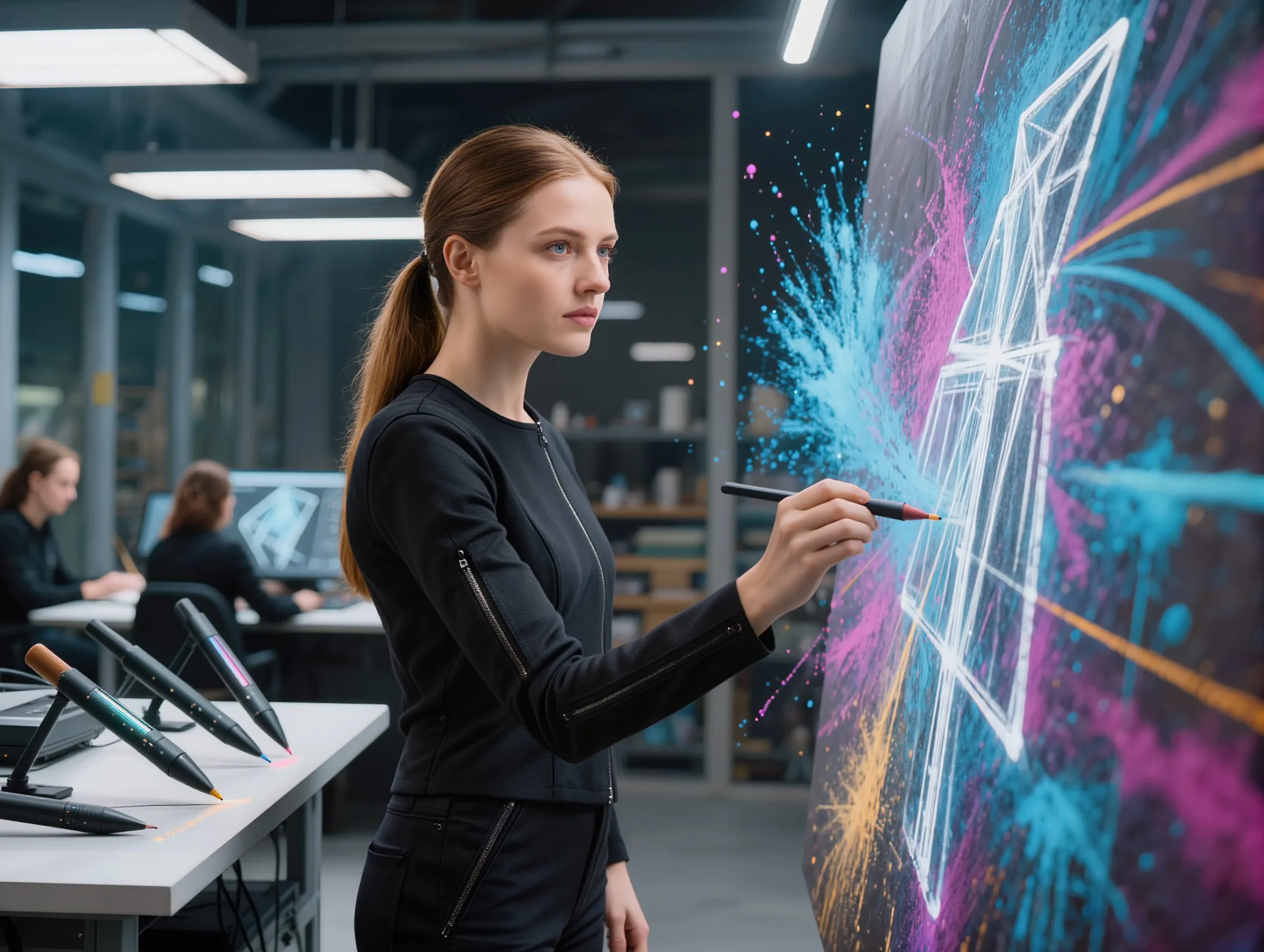
When Algorithms Sketch
AI technologies are reshaping how artists think about what is possible. During their studies, students at Irkutsk National Research Technical University are taught not only the general principles behind neural networks, but also how to apply these tools in practice to develop full-scale projects. Student work designed for real-world spaces, including video presentations of concepts, has already become an integral part of the learning process.
“If an artist can show a client not just a sketch, but a complete visualization inside the actual space, that opens up far broader opportunities,” Professor Dorokhin emphasizes.
At the same time, AI supports more than visualization. By automating routine tasks, it frees up time for creative work. Encouraged by his students’ progress, Dorokhin notes that digital tools allow artists to design projects that reduce client costs already at the development stage.
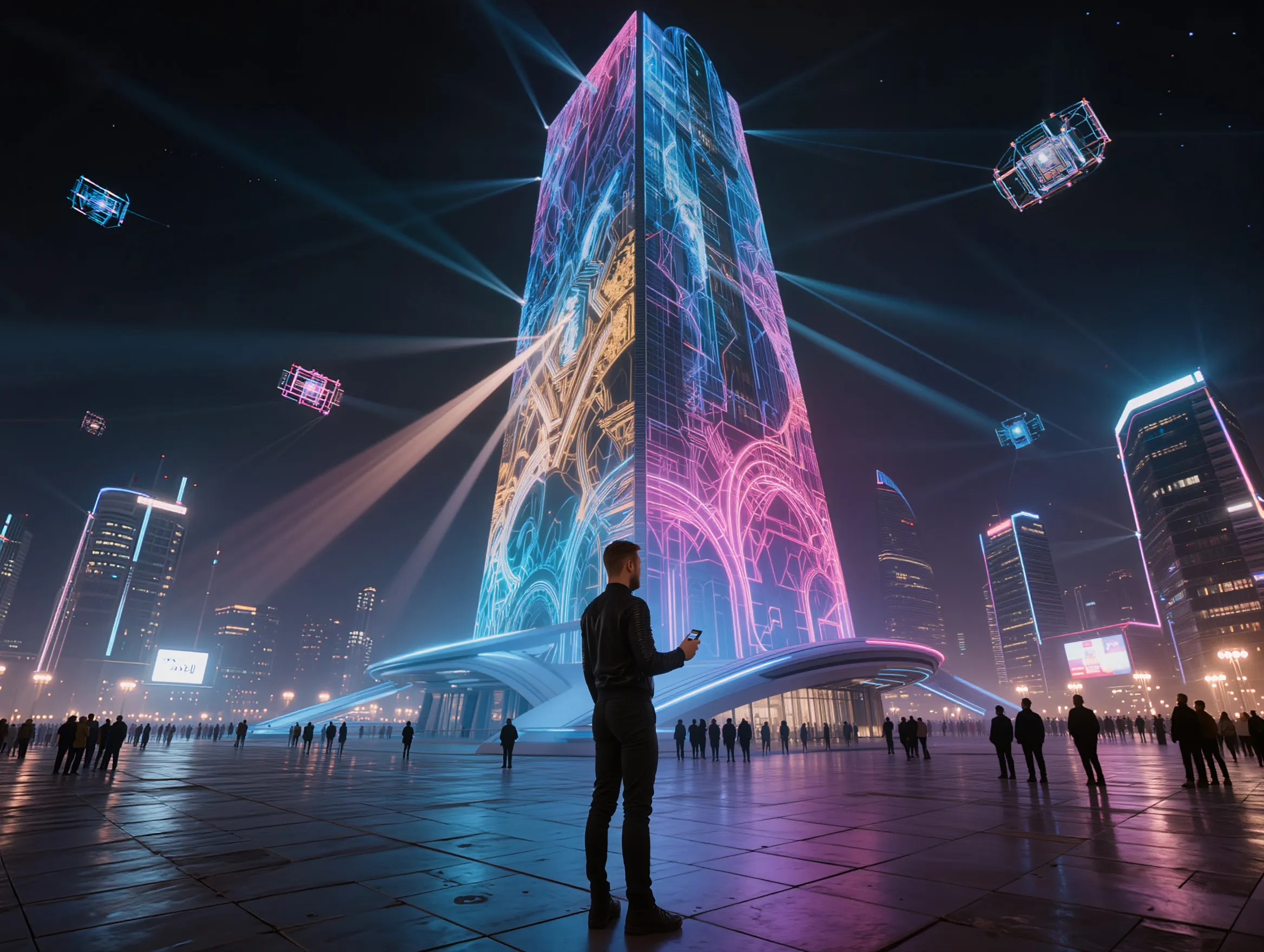
A Test Drive for Art Education
The trend toward integrating AI into academic disciplines is visible not only at Irkutsk Polytechnic, but across Russia and internationally. For example, in spring 2024, students in humanities programs at the Higher School of Economics were allowed to use Yandex GPT to collect and analyze data for their graduation theses. Bauman Moscow State Technical University also permits the “reasonable” use of AI in thesis preparation, provided such work is clearly labeled as created with AI assistance.

This experience opens new opportunities for developing educational programs at the intersection of artificial intelligence, design, and visual arts. According to faculty at Irkutsk National Research Technical University, similar approaches could eventually be introduced into other fields, such as architecture or advertising. That expansion would significantly broaden students’ professional prospects after graduation.
Classic Art Meets the Edge of Technology
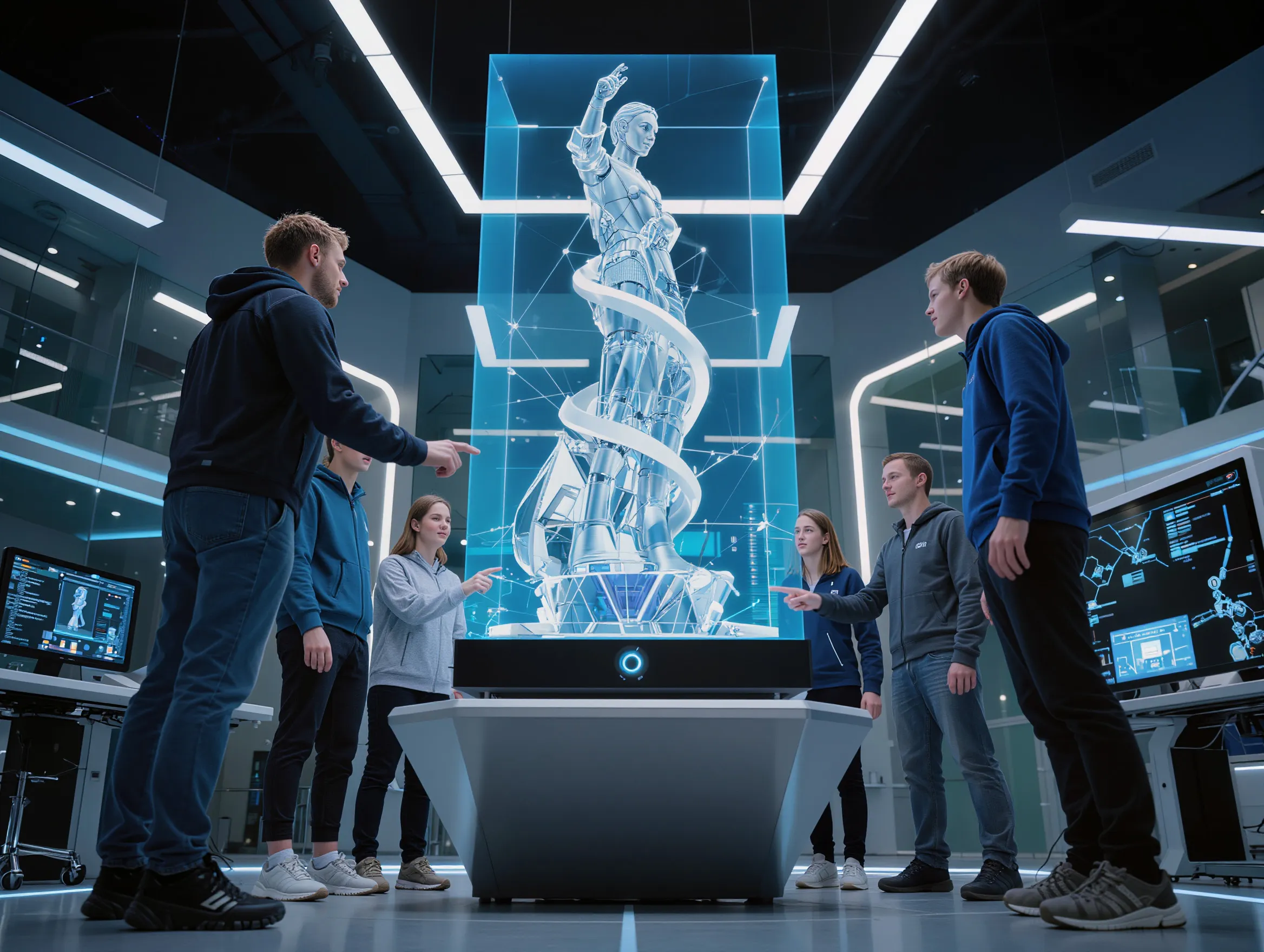
By combining AI with professional tools, students at Irkutsk National Research Technical University are producing both classical and experimental artistic concepts. For instance, they develop original combinations of metal reliefs and glass inlays and then bring those ideas to life in video form. The university is already taking early steps toward integrating more advanced technologies into artist training. Plans include the use of 3D visualization and animation with Blender 3D, which would give students new ways to design and test concepts.
The use of AI in humanities education is no longer optional. It is increasingly necessary in response to employer demand for digital skills. Artificial intelligence is expected to become a standard component of university programs that train specialists in art, design, and architecture.
The Irkutsk project marks an important shift in the educational environment. Here, AI actively helps students not only master traditional artistic forms, but also translate them into innovative, contemporary creative projects.