Heating Network Puts 85% of Moscow Region's Boiler Houses Under AI-Enabled Oversight
The Moscow Region is nearing completion of a large-scale digital transformation of its district heating system. More than 85% of the region's boiler houses and central heating substations are already connected to a unified real-time monitoring platform.

The Moscow Region is steadily expanding the use of digital technologies across its district heating infrastructure. Boiler houses and central heating substations (CHSs) are being connected in stages to the regional utility management center through the ZhKH-Kontur Podmoskovya (Moscow Region Utilities Contour) platform.
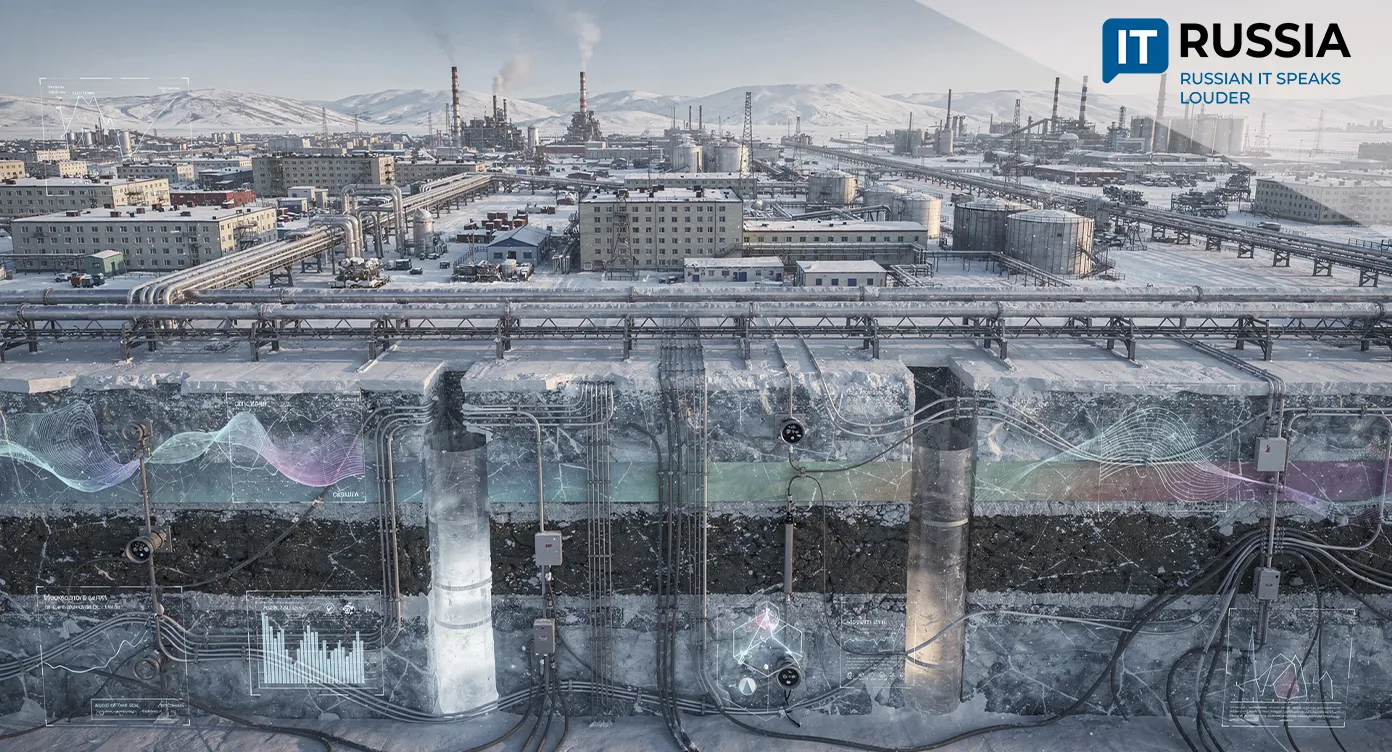
Heating facilities are being equipped with temperature and pressure sensors, along with heat meters that monitor both heat output and make-up water consumption. The system currently covers 2,393 boiler houses and 1,167 central heating substations, all of which continuously transmit operational data to a unified monitoring platform. That means 85% of the region's district heating assets are already connected. By the end of the year, authorities plan to equip approximately 100 additional boiler houses and 200 central heating substations with sensors, bringing system coverage to 100%.
In 2026, the region launched the installation of modern heat meters at 408 large boiler houses. During the first six months of the program, 130 facilities were equipped with the new devices. The equipment continuously transmits data on temperature, pressure, heat-transfer fluid flow, and make-up water consumption.
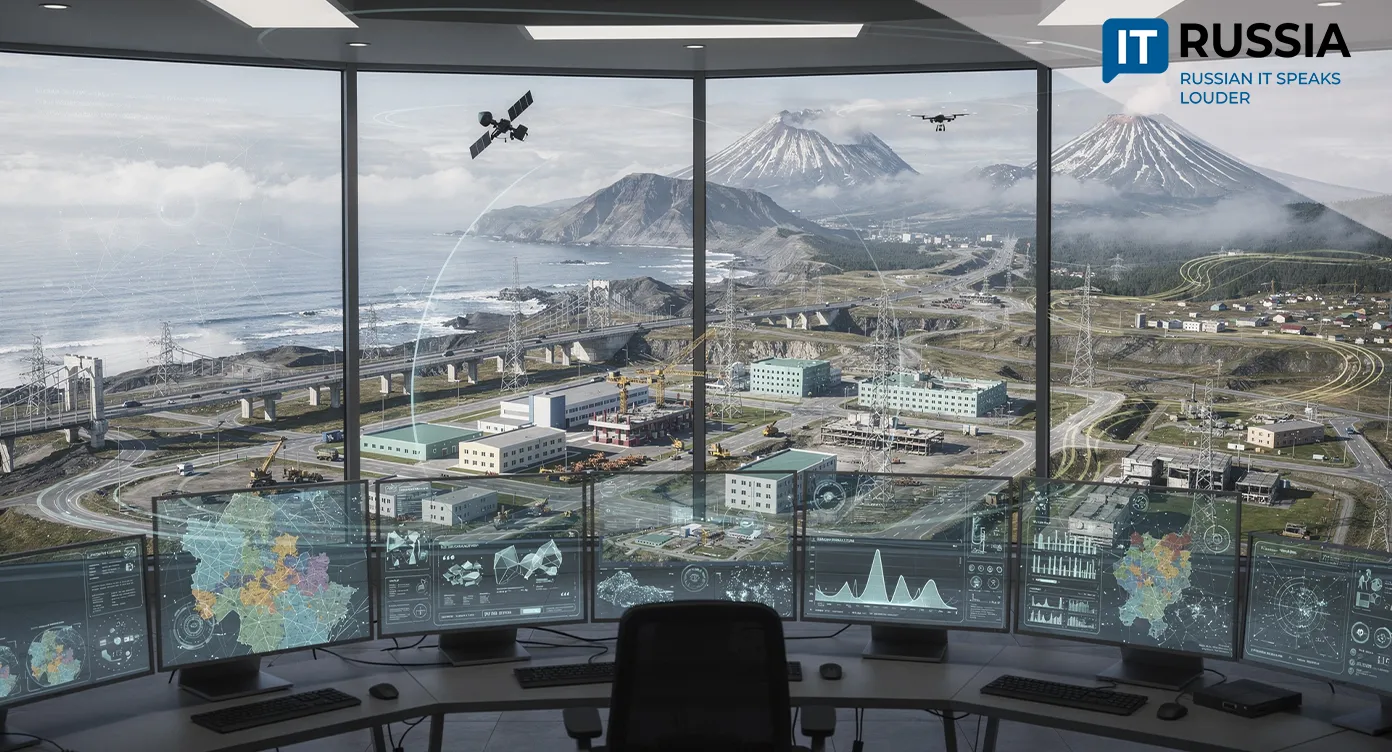
The ZhKH-Kontur Podmoskovya platform enables operators to monitor equipment status in real time, quickly identify abnormal operating conditions, and prevent equipment failures before they develop into service disruptions. At the same time, the interval between sensor readings continues to shrink, allowing operators to respond even faster to emerging issues.

From Monitoring to Prediction
In the near term, the remaining heating facilities will be connected to ZhKH-Kontur Podmoskovya, further improving the reliability of the region's district heating system. By early 2027, system operators plan to deploy predictive analytics algorithms that will move the platform beyond detecting completed failures to forecasting potential equipment breakdowns and network incidents before they occur.
Over the longer term, the Moscow Region's experience is expected to be expanded to other regions of Russia.
The Evolution of Digital District Heating
Russia's large-scale digital transformation of district heating systems began during 2020–2022. One of the early pioneers was T Plus, which placed an automated district heating management system into commercial operation in Yekaterinburg in 2020. That deployment later provided the foundation for creating a digital twin of the city's heating network.
In 2022, Rosatom Infrastructure Solutions launched the Tsifrovoye Teplosnabzheniye (Digital District Heating) pilot project in Glazov, Lipetsk, and Voronezh.
In 2024, the federal Tsifrovaya Kotelnaya (Digital Boiler House) project was launched. The initiative combines the transition to fully digital documentation with the installation of monitoring sensors at boiler houses and central heating substations. The Moscow Region was selected as the pilot region for its implementation.

Digital Transformation Replaces Emergency Response
The pace of digitalization in the Moscow Region indicates that the regional utility sector is shifting from a reactive operating model that responded only after failures occurred to one based on continuous oversight of the entire district heating network. In effect, success will be measured not by the number of installed sensors, but by reductions in heat losses and equipment failures achieved through faster response times and the deployment of predictive analytics.
The experience gained in the Moscow Region and the ZhKH-Kontur Podmoskovya platform are expected to become part of the federal Tsifrovaya Kotelnaya initiative. As the project expands across other Russian regions, operators will accumulate practical experience under a wide range of climate conditions. That knowledge could make it possible, where appropriate, to adapt the entire technology stack – from sensors to software – for countries with similar district heating infrastructure.