Internal Dosimetry Lab Opens at Russia's Mining and Chemical Combine to Strengthen Worker Safety
The Mining and Chemical Combine (GKhK) in the closed city of Zheleznogorsk, Krasnoyarsk Kray, has commissioned a new internal dosimetry laboratory. The facility was established to strengthen radiation safety oversight for plant personnel and will support the infrastructure underpinning Russia's closed nuclear fuel cycle.
Radiation protection specialists from State Atomic Energy Corporation Rosatom and the Russian Federal Medical-Biological Agency (FMBA) jointly established the laboratory to monitor radiation exposure among employees at the facility. The laboratory will become part of the safety infrastructure supporting the closed nuclear fuel cycle cluster.
Dosimetry Throughout the Exposure Monitoring Process
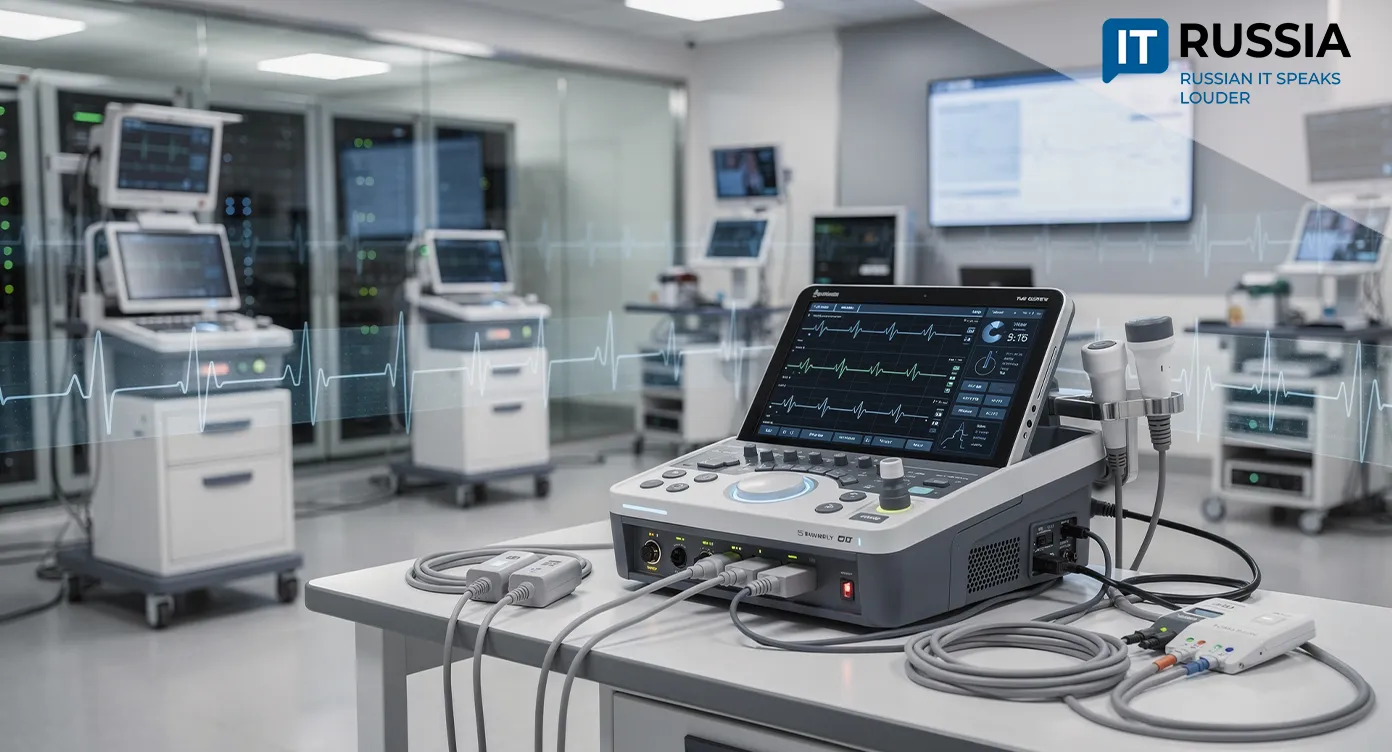
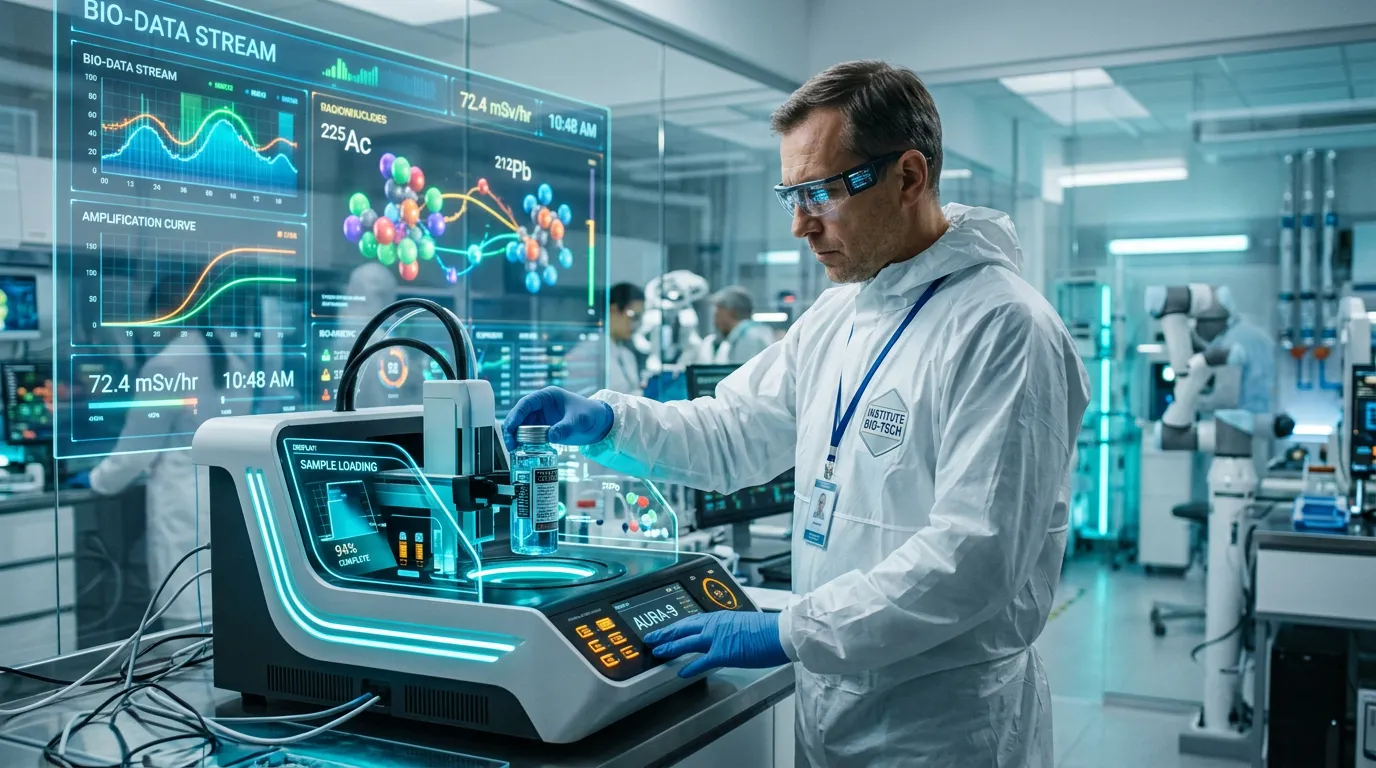
Laboratory dosimetrists will perform pre-employment, routine, and informational examinations using the most up-to-date methodologies and instrumentation. Measurement results will be processed automatically to generate individual dosimetry records for each employee.
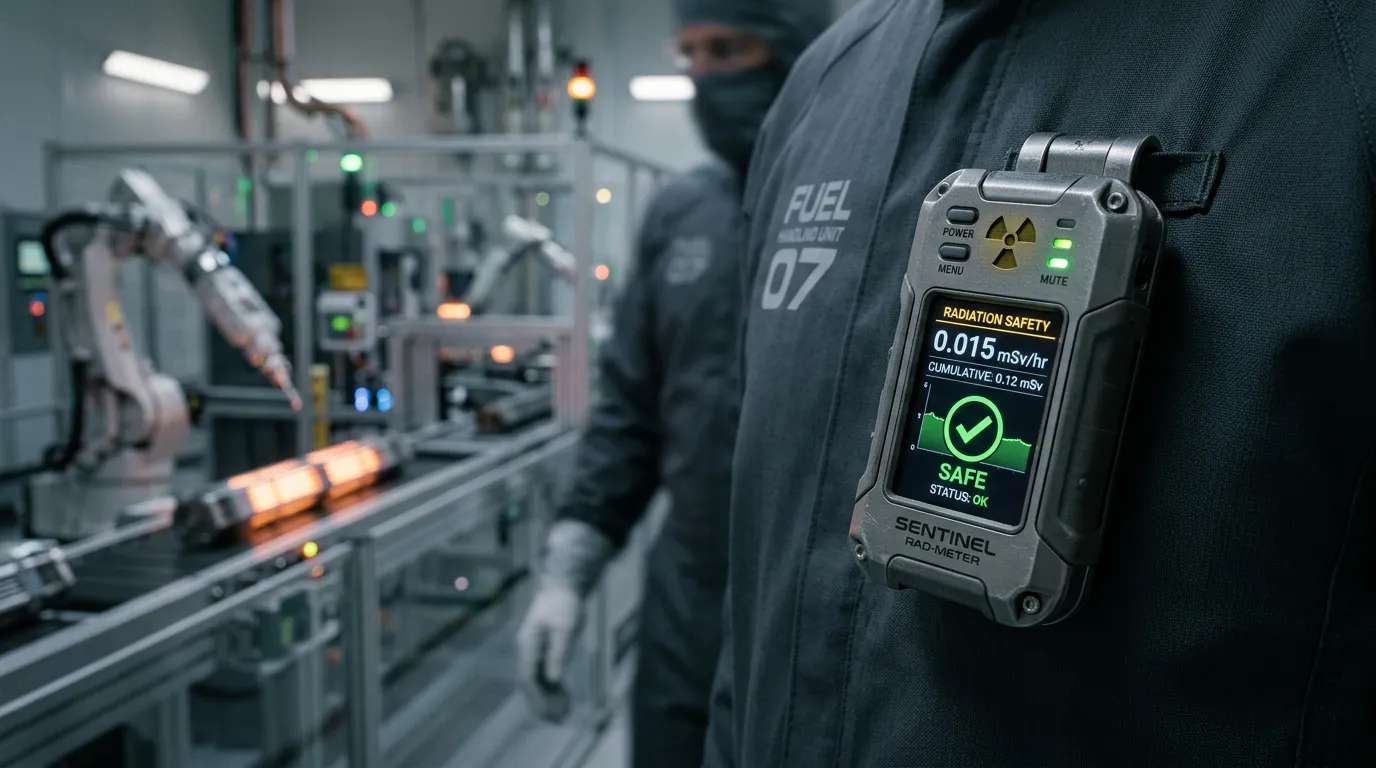
Monitoring internal radiation exposure requires specialized equipment capable of detecting and quantifying radionuclides within the human body. That work relies on radiation spectrometers, radiometric measurement systems, and biophysical analysis techniques. Modern instrumentation enables highly accurate measurements while delivering rapid results, helping identify elevated radiation exposure levels at an early stage.
In parallel with its operational work, the laboratory is also helping update the regulatory framework governing radiation safety. Its team is contributing to the development and refinement of methodological guidance that regulates dosimetric monitoring across Russia's nuclear industry.

Research on Advanced Nuclear Fuels
One of the laboratory's primary research areas focuses on radiation hygiene studies associated with manufacturing next-generation nuclear fuels. The Mining and Chemical Combine produces mixed uranium-plutonium MOX fuel, which is used in fast neutron reactors. Working with these materials requires detailed research into the biokinetics and dosimetry of radionuclides.
Biokinetic studies help researchers understand how different radioactive elements behave within the human body following potential intake. That knowledge is essential for accurately assessing radiation doses and designing effective radiation monitoring protocols.
The laboratory is also participating in research programs related to closed nuclear fuel cycle technologies.
Infrastructure for the Closed Fuel Cycle
The establishment of this specialized dosimetry laboratory is directly tied to the large-scale technological initiatives underway at the Mining and Chemical Combine. The GKhK itself is building an industrial complex that closes the nuclear fuel cycle by recycling spent nuclear fuel into new fuel assemblies.
The enterprise operates a MOX fuel fabrication plant located within the underground section of the enterprise. Its products have already been used for several years in Unit 4 of the Beloyarsk Nuclear Power Plant in Sverdlovsk Region, which operates the BN-800 fast reactor. Rosatom also plans to manufacture MOX fuel for the future BN-1200 reactor, now entering construction at the Beloyarsk Nuclear Power Plant, at the Mining and Chemical Combine.
The site's infrastructure also includes a complex of spent nuclear fuel storage facilities serving Russia's entire fleet of 1,000 MW-class reactors. Both water-cooled storage and dry chamber-type storage facilities are in operation.
The site is also expanding its Pilot Demonstration Center for radiochemical reprocessing of spent nuclear fuel. The second phase of the center entered operation in 2025, and reaching full design capacity is expected to enable industrial-scale deployment of closed nuclear fuel cycle technologies. The facility is designed to become the world's first spent nuclear fuel reprocessing plant that generates no liquid radioactive waste.
More recently, the enterprise also began constructing an experimental molten salt reactor intended to enable industrial-scale transmutation of minor actinides – the most radiotoxic substances generated in uranium fuel. Advancing these technologies requires stronger radiation protection systems and modern laboratories dedicated to monitoring personnel.
Rosatom and the Federal Medical-Biological Agency have worked together on healthcare initiatives for many years. Medical support programs for employees at nuclear facilities include regular medical examinations, preventive care, and ongoing health monitoring. The new laboratory expands those capabilities by strengthening health surveillance, helping prevent occupational diseases, and supporting safe working conditions across the nuclear industry.