Cargo Pipeline Takes Shape in the Urals
A new kind of logistics hub is set to emerge along Russia's M-12 Vostok highway, where a terminal designed for autonomous freight transport is planned.
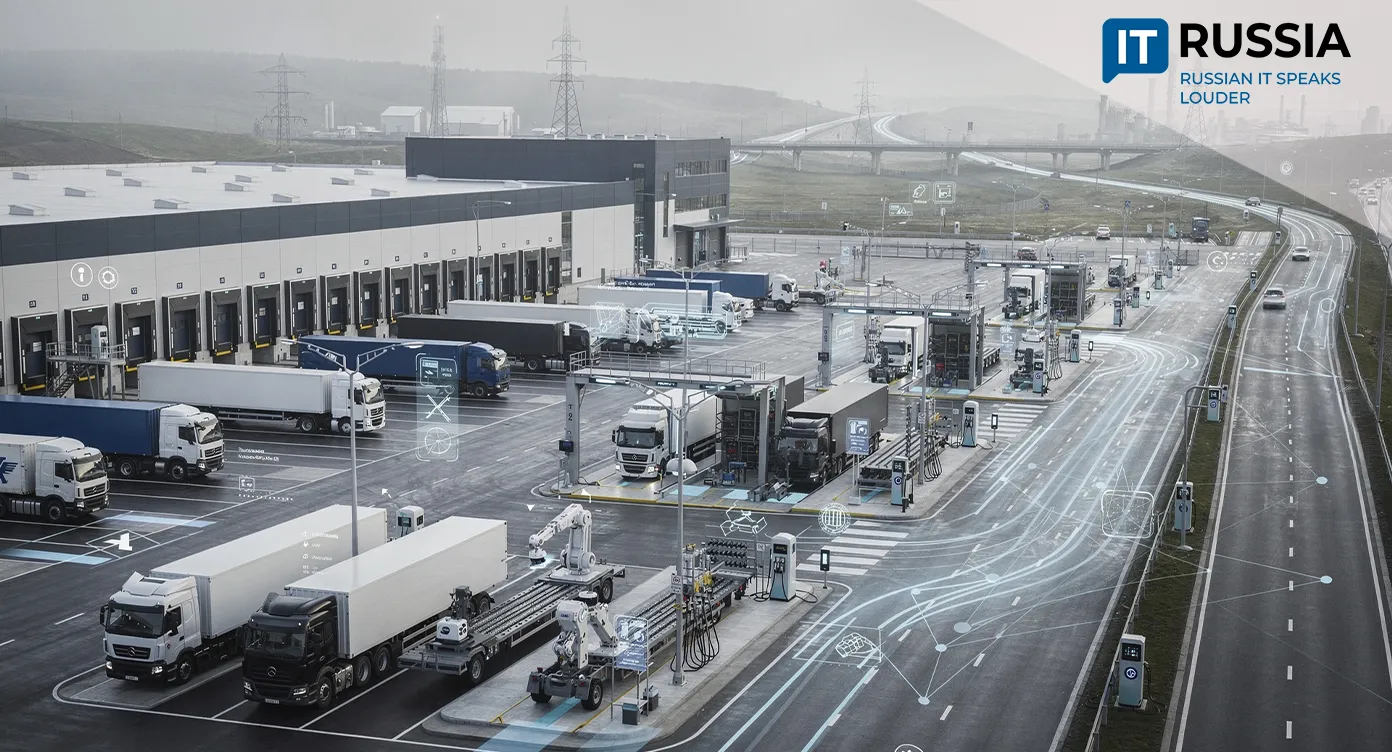
A logistics hub with a distribution center for autonomous freight vehicles is planned in Russia's Sverdlovsk Region under a project known as Gruzoprovod (Cargo Pipeline). The facility will be built adjacent to the M-12 highway and will include a 10,000-square-meter warehouse complex, a staging area for tractor units, and infrastructure dedicated to servicing autonomous trucks. Investment in the project is estimated at 500 million rubles (approximately $6.4 million).
The project's defining feature is its division of freight movement into two segments. Conventional trucks with human drivers will handle the first and last mile, while highly automated tractor units capable of operating almost continuously will cover the long-haul portion between logistics hubs. The terminal will manage trailer transfers, freight consolidation and routing, maintenance of autonomous vehicles, and their integration with conventional trucking operations. Over time, the infrastructure is expected to be available not only to the project's investor, transportation company KIT, but also to other freight carriers.

Long-Haul Freight Without Stops
The Gruzoprovod project is primarily aimed at Russia's domestic freight market. By March 2026, autonomous freight operations had already begun on the M-12 highway, creating a continuous self-driving corridor stretching from St. Petersburg to Kazan. By early 2026, Russia's autonomous trucks had accumulated more than 14.5 million accident-free kilometers, and the fleet is expected to grow to 4,000 vehicles by 2030. The new hub in the Urals could become the next link in that corridor, extending regular autonomous freight operations toward Yekaterinburg and Tyumen.
Economic benefits have already been demonstrated through earlier pilot operations. An autonomous freight trip between St. Petersburg and Kazan, covering approximately 1,600 kilometers, was completed in 24 hours, compared with roughly 58 hours for a conventional driver-operated shipment. In the future, a network of terminals along high-speed highways could increase daily truck utilization, shorten delivery times, reduce dependence on the industry's driver shortage, and create a unified digital freight distribution system.

A Roadmap Years in the Making
The Sverdlovsk Region project represents the logical continuation of work already under way. In June 2023, KAMAZ autonomous tractor units began transporting commercial freight between Moscow and St. Petersburg. By September 2024, autonomous freight operations had expanded across the entire M-11 highway, with trucks operating without drivers behind the wheel. During the initial deployment phase, the vehicles traveled more than 3 million kilometers, while round-trip transit time was reduced from three days to one and a half.
In April 2025, autonomous freight operations were expanded to the Central Ring Road. By then, 67 autonomous trucks operating on the M-11 had covered 7.2 million kilometers and transported approximately 800,000 cubic meters of freight. In March 2026, autonomous trucks developed by Yandex, NAVIO, and KAMAZ entered service on the M-12, linking St. Petersburg, Moscow, and Kazan. The new hub in Sverdlovsk Region naturally extends that eastbound freight corridor.
International experience also demonstrates the viability of this operating model. Both in Russia and abroad, developers are focusing on an interterminal approach, where autonomous trucks operate along predictable highway routes while urban deliveries continue to be handled by vehicles with human drivers.
When Highways Become Truly Intelligent
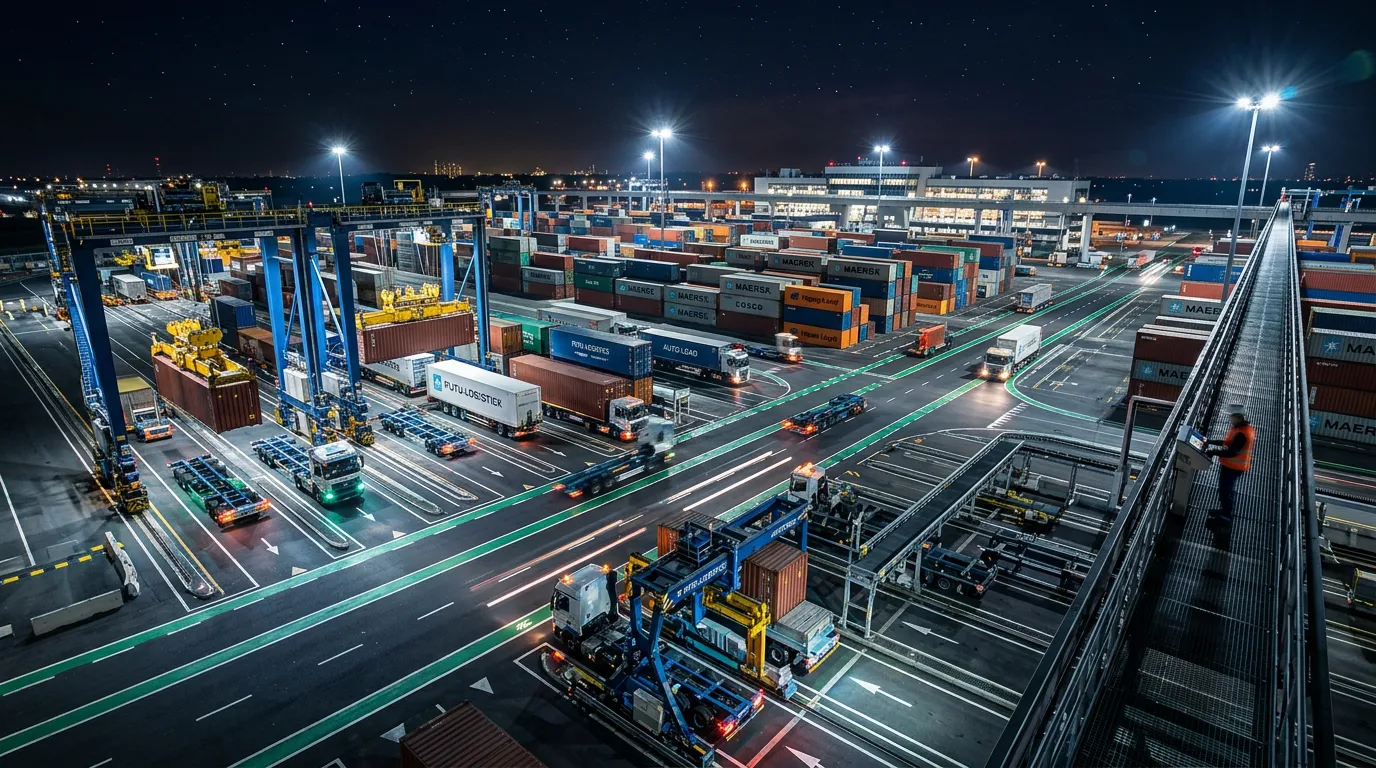
Gruzoprovod reflects the transition from individual pilot runs to the creation of a complete infrastructure ecosystem for autonomous freight logistics. Its value lies in serving as a hub that integrates autonomous tractor units, conventional trucking, digital freight management, and maintenance support within a single operational framework.
Between 2026 and 2028, the terminal is expected to operate in a hybrid mode, handling conventional tractor-trailers while gradually adding autonomous vehicles to its operations. The project's full benefits will emerge only after several similar terminals are established along the M-12 and other federal highways. The most likely development scenario is a closed or semi-open network of autonomous long-haul freight corridors connecting major distribution centers, while the last mile will remain the responsibility of driver-operated trucks for the foreseeable future because of the complexity of urban environments.
By the end of the decade, the project could become part of an integrated freight corridor linking St. Petersburg, Moscow, Kazan, Yekaterinburg, and Tyumen. If implemented successfully, it could create new market opportunities for Russian developers of autonomous driving systems, telematics, digital mapping technologies, and cybersecurity solutions. In that sense, Gruzoprovod represents more than another logistics facility. It is an effort to build a resilient freight ecosystem on Russian highways, where vehicles, digital platforms, and physical infrastructure operate as an integrated system.