Keeping a cool head: Russian developers deploy AI to reduce human error in extreme environments
In the Arctic, artificial intelligence is being used to assess the psychophysiological state of expedition participants, helping teams monitor attention switching and emotional stability under conditions of extreme cold, isolation, and physical strain.
A matter of survival
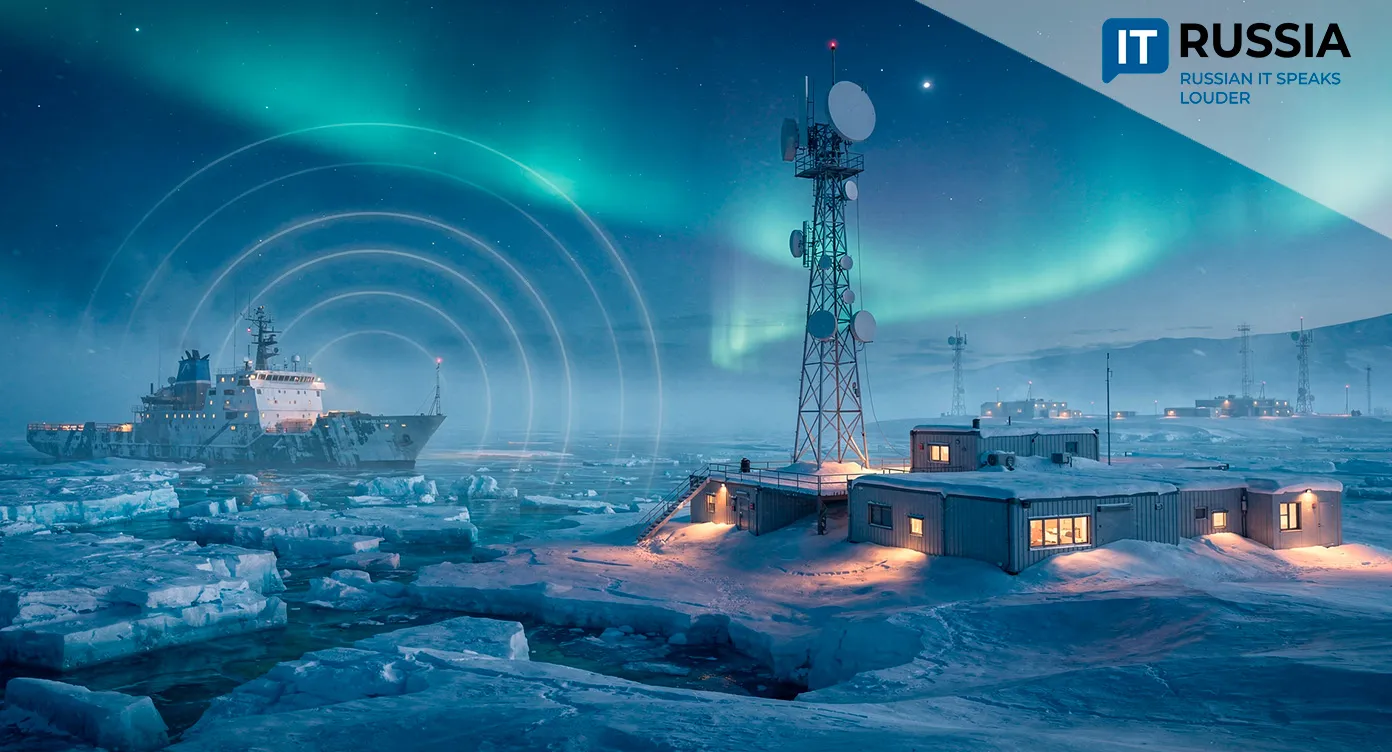
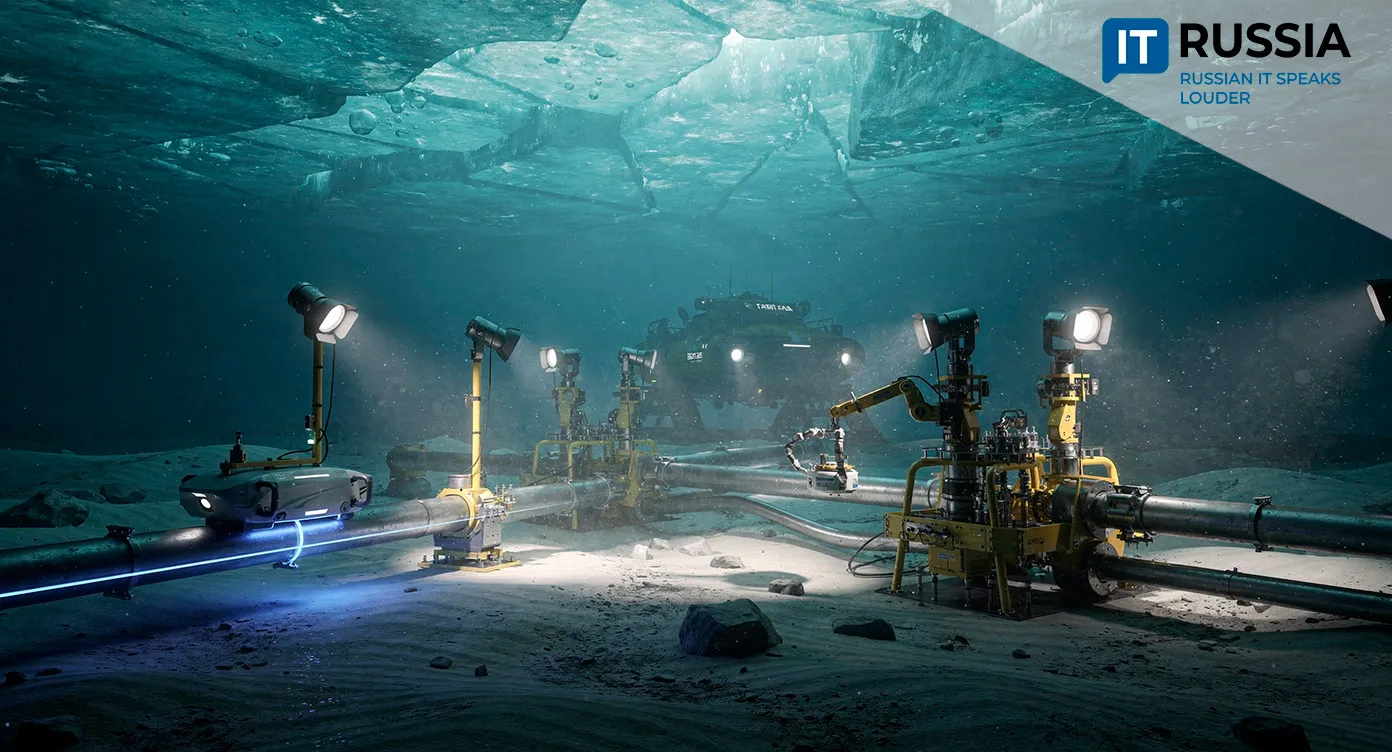
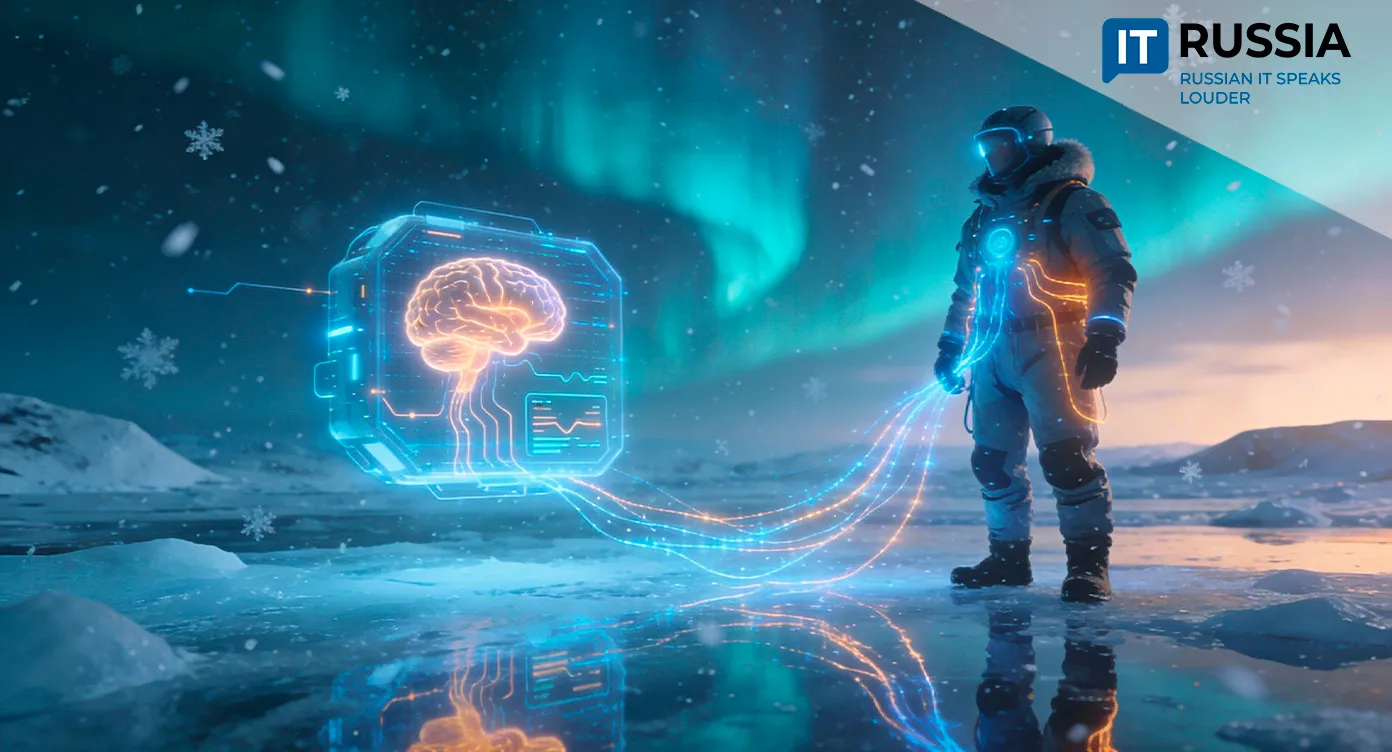
There are fields where AI is not about convenience, but about survival. The Arctic is one of them. In conditions of prolonged isolation and extreme physical and mental stress, the human factor becomes the primary risk. Russian developers and researchers have proposed an unconventional solution – training AI to understand not only ice and terrain, but also the human condition.
At the 15th International Forum Arctic: Present and Future, Andrey Rybnikov, senior lecturer at RTU MIREA, outlined the use of artificial intelligence systems combined with neurointerfaces to monitor the condition of participants in Arctic expeditions. The goal is to create a digital profile of human resilience in environments where a single mistake can be fatal.
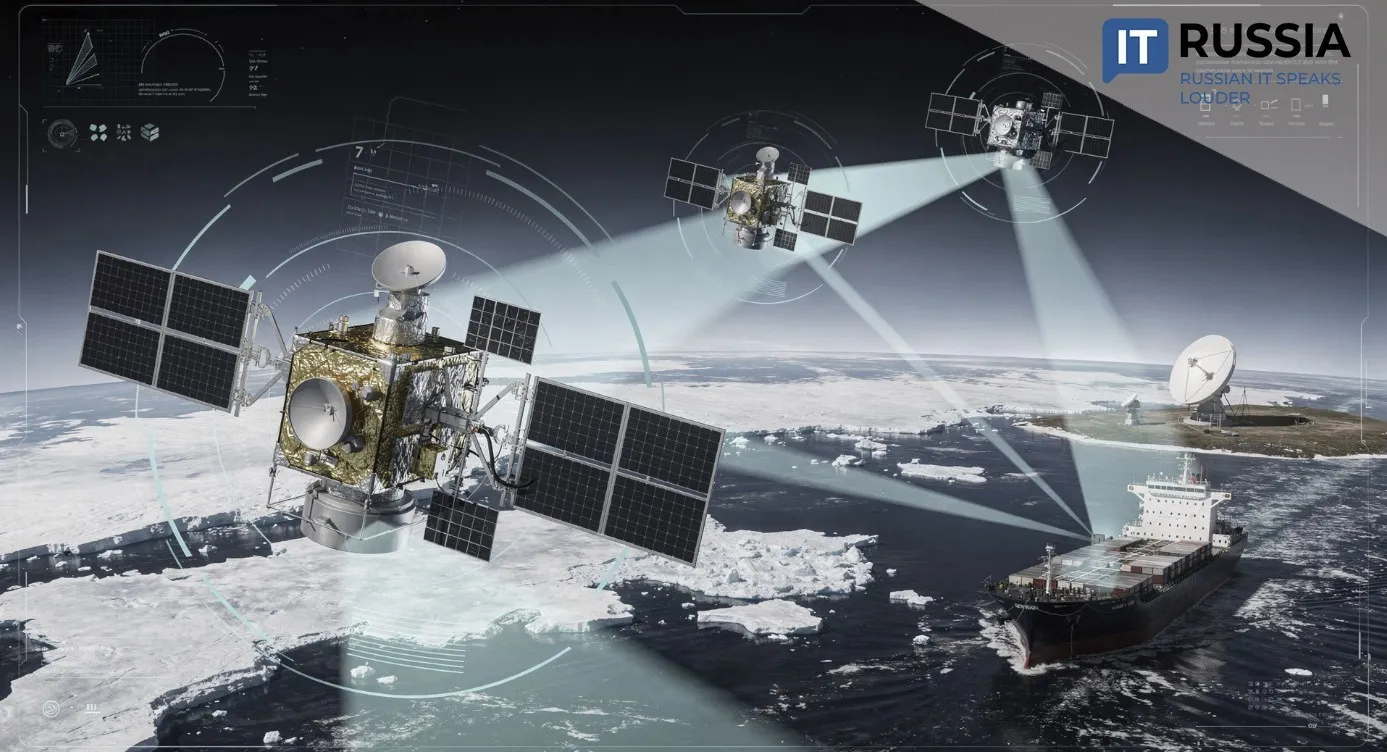
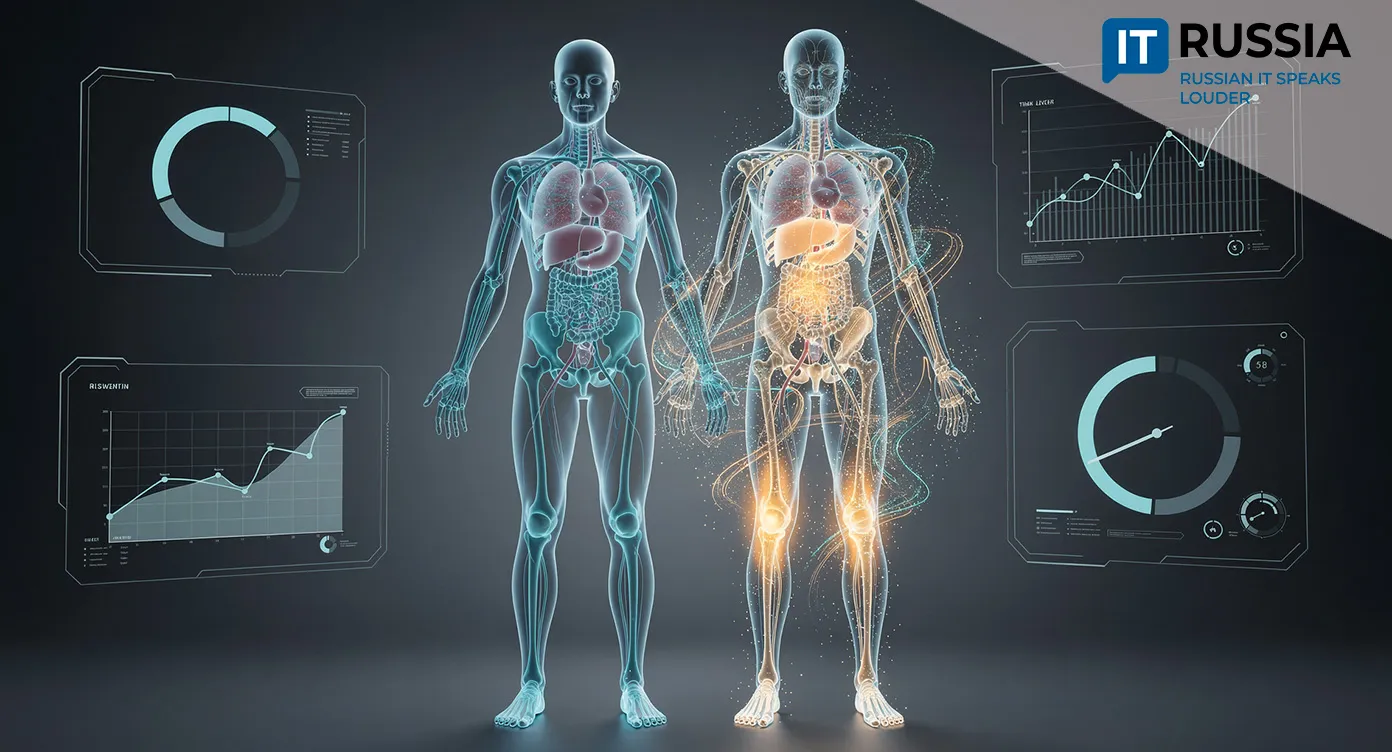
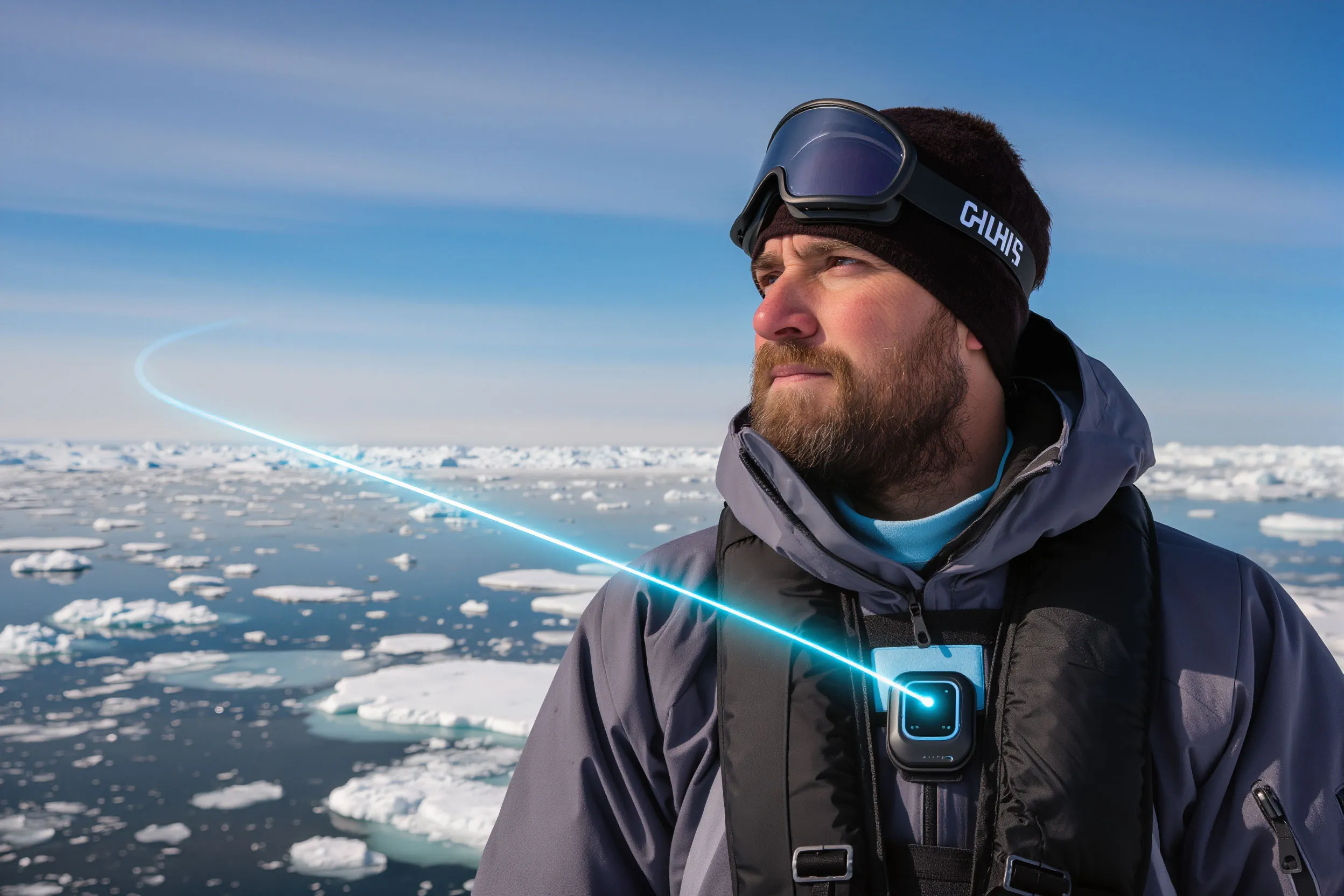
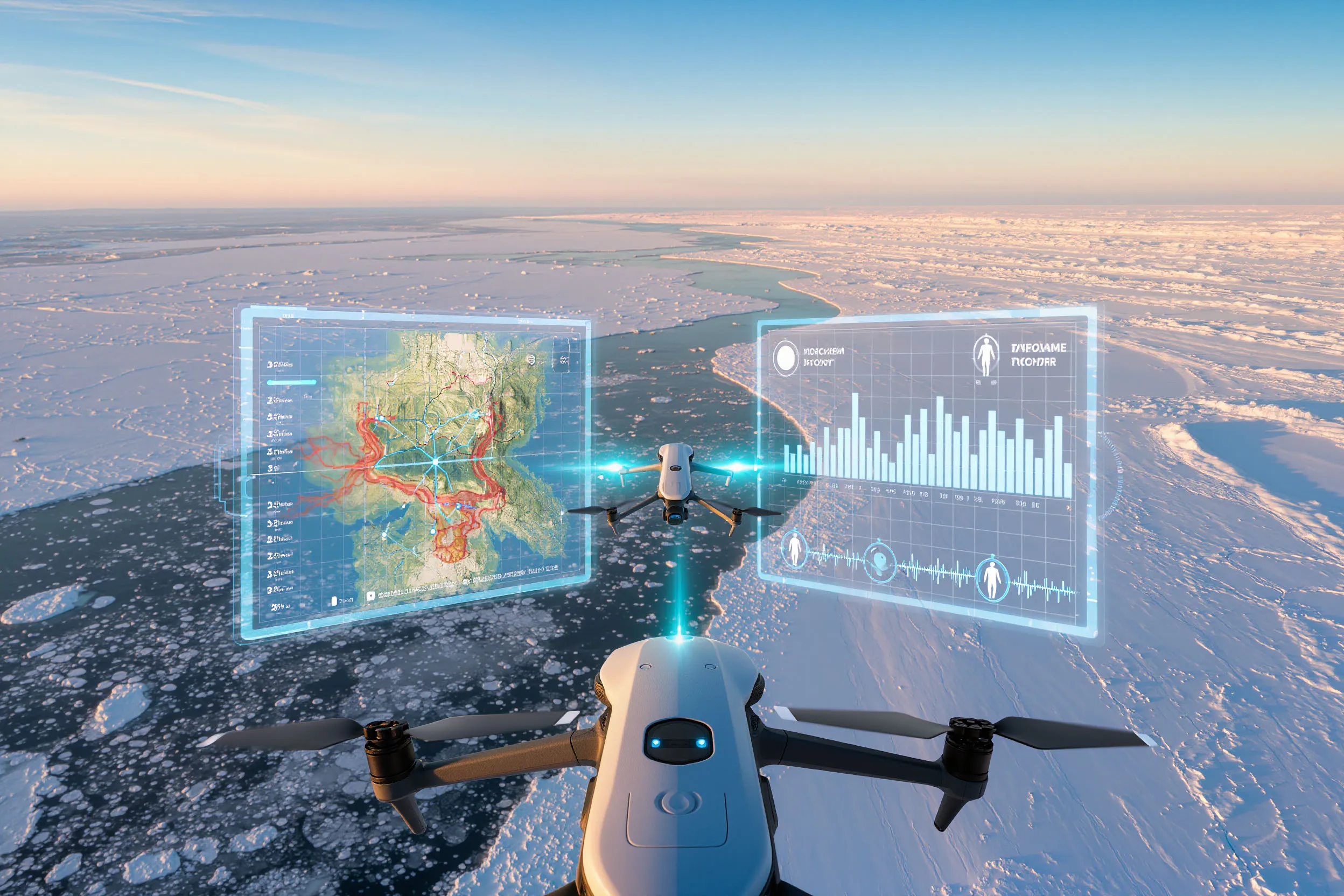
For years, Arctic operations have relied on satellite imagery and sensor data to analyse ice conditions and terrain. Now, these inputs are being supplemented by a continuous stream of biometric and neurophysiological data from the explorers themselves – brain activity, cognitive performance, and indicators of stress and fatigue. In real time, AI systems search for patterns that signal declining concentration or emotional breakdown – states that are critically dangerous on drifting ice or when operating machinery in blizzard conditions.
Digitising life at the pole
This represents a fundamentally new approach to safety and performance, in which technology acts as an amplifier of human capabilities and a safeguard against failure. For Russia’s IT sector, the project illustrates a move beyond conventional market niches. It shows how complex, science-intensive products can be developed to address challenges of national scale. Arctic development is a strategic priority, and digital solutions for it are becoming just as essential as icebreakers or satellite communications.


The indirect effects may be even more important. Building such systems forces developers to tackle a unique set of challenges – creating algorithms that can work with noisy data in extreme conditions, integrating neurointerface hardware that remains reliable under cold and vibration, and delivering interfaces that are usable not by IT specialists, but by doctors and expedition leaders. This experience is invaluable. It builds competencies that are nearly impossible to acquire in controlled commercial development environments.
Prevention rather than response
From a medical perspective, the core value of these technologies lies in shifting from treating consequences to preventing causes. Today, doctors in remote expeditions or industrial sites often intervene after problems emerge. Arctic-style systems change the paradigm toward predictive care.
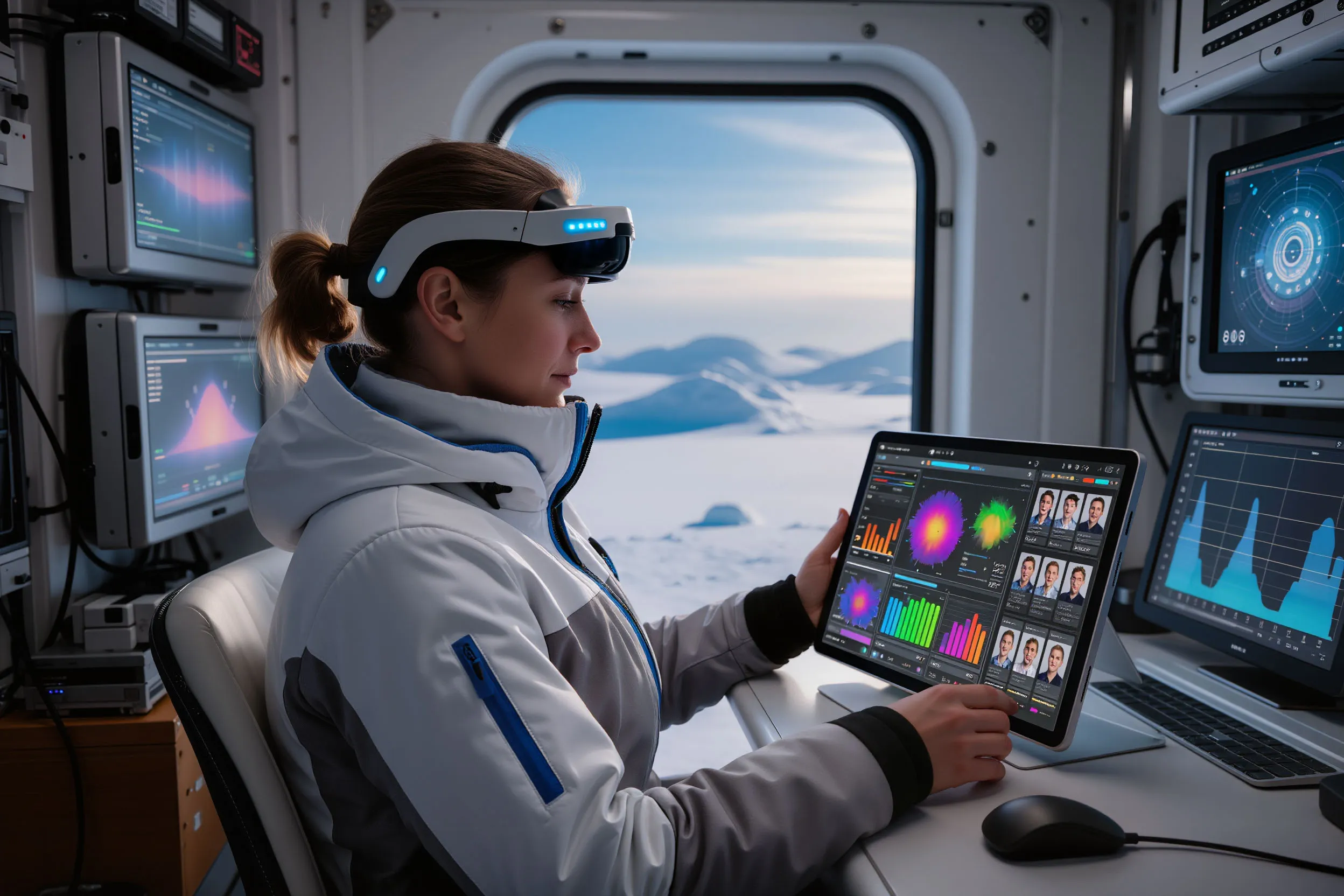
Data collected and processed by algorithms on how cold, isolation, and workload affect psychophysiology can underpin new safety protocols and standards for work and rest in extreme professions. On this basis, it becomes possible to generate personalised recommendations for schedules, nutrition, and cognitive training. In effect, this is a step toward personalised medicine for people operating at the limits of human capability – not only polar explorers, but also rescue workers, pilots, miners, and emergency response personnel.
Knowledge as a product
The global market for technologies designed for extreme environments and occupational safety is substantial. Demand will be strong for solutions proven not in laboratories, but in real Arctic conditions. These systems are more than software – they represent validated methodologies.
Potential users include countries engaged in polar research such as Canada, Norway, and Denmark (Greenland), whose operational challenges closely mirror Russia’s. Corporations working in harsh climates, including oil and gas and mining, also stand to benefit. The space sector is another natural fit, as isolation at Antarctic stations or during polar nights is one of the closest terrestrial analogues to space missions. Stress and group dynamics monitoring systems refined in the Arctic have direct relevance for astronaut training.
Professional sports and elite performance training will also benefit, where precise control of peak physical and mental loads is critical.
What it means overall
The neurointerface story highlights one of the most promising trajectories for technological development – deep integration of IT with non-digital sectors and real-world challenges. It is about solving highly complex applied problems where the cost of error is high and reliability requirements are extreme.
This path leads to technologies that do not entertain or merely simplify daily life, but expand the boundaries of human activity, making it safer and more deliberate. In this niche, where success requires not only code but also an understanding of environmental physics, human biology, and specific operational tasks, Russian specialists and companies have an opportunity to secure a durable and respected position in the global technology landscape.