Managing Energy: LETI and Rosatom Launch a Hands-On Engineering Education Program
In a move that reshapes how engineers are trained, Saint Petersburg Electrotechnical University LETI and Rosatom Automated Control Systems have launched a joint education project that brings students into direct contact with industrial-grade digital platforms used in real energy infrastructure.
Blurring the Line Between Classroom and Industry
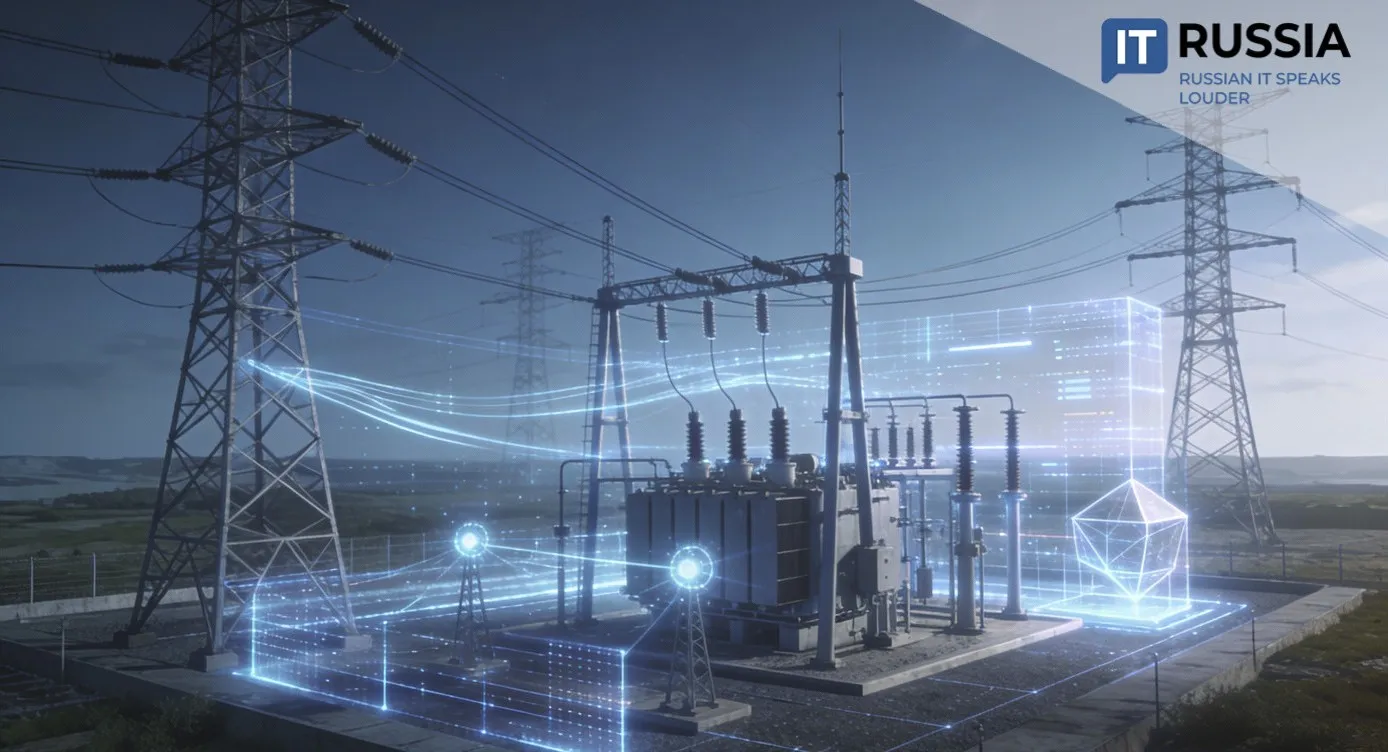
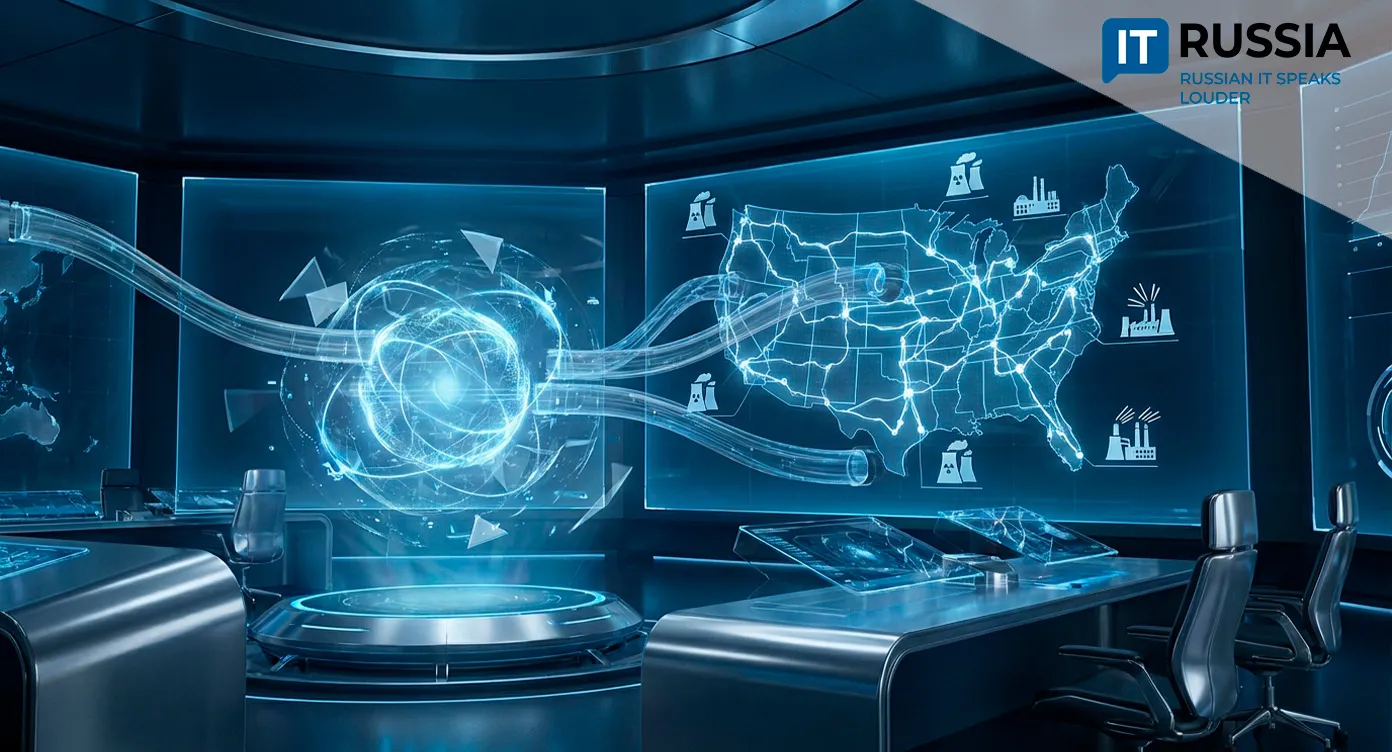
Saint Petersburg Electrotechnical University LETI and Rosatom Automated Control Systems have launched a joint educational project that changes the traditional logic of engineering education. The university has received a license for SCADA-R, a software product used to manage complex facilities where the cost of error is especially high. At the core of the initiative is the development of competencies in industrial automation based on a platform already deployed in live energy systems. The platform is used in digital substations and projects aimed at modernizing the management of Russia’s power grid.
“Today, young specialists are expected not only to have theoretical knowledge, but also to be able to work with real tools. SCADA-R is a flexible product with a broad range of applications in energy and industry, built to current requirements and usable as a modular ‘constructor.’ Our goal is to blur the line between the classroom and real facilities that students of the Advanced Engineering School will work on in the future, creating a unified environment for fast entry into real projects. The knowledge and skills gained will contribute to training the workforce needed for Russia’s nuclear sector and energy industry,” says Dmitry Dimashov, Technical Director and Chief Designer for Industrial Automation Systems at Rosatom Automated Control Systems.

How Industrial Software Lives Beyond the Classroom
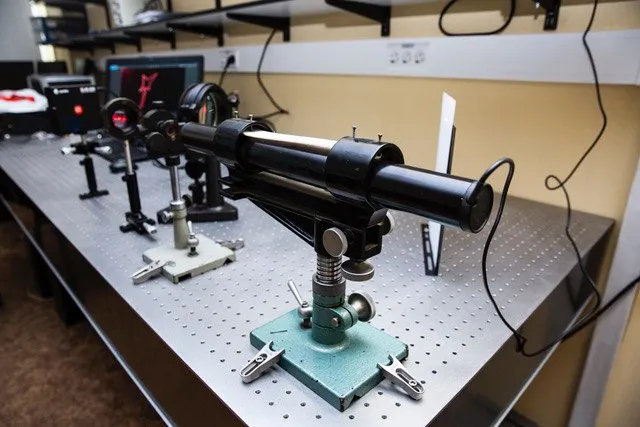
The project is structured as a full production cycle. Specialists from Rosatom Automated Control Systems support students at every stage, from deploying the system on servers in the laboratory of the Advanced Engineering School’s industrial automation department to operation and service support. This format allows future engineers to see how software solutions function beyond academic settings and what demands real infrastructure places on them.


SCADA-R itself occupies a distinctive position in the market. The platform became the first in its class to receive certification from Russia’s Federal Service for Technical and Export Control and confirmation of compliance with the highest trust level.

From Lectures to Control Systems
The joint education system is being implemented as part of the federal Advanced Engineering Schools program. By 2030, plans call for the creation of 30 such schools at universities in partnership with high-tech Russian companies. Rosatom has participated in the program since its launch, and to date, 10 Advanced Engineering Schools have already been established with the involvement of companies from the sector. Their focus areas range from intelligent energy systems and digital engineering to nuclear machine-building and microwave electronics.
Large Russian companies are increasingly engaging with students, investing not only in equipment and curricula, but also in direct dialogue with future engineers. As a result, the university classroom is gradually becoming a space where specialists are trained on real industrial automation challenges even before entering the workforce.
For LETI, the project fits naturally into the university’s historical mission. Founded in 1886, the institution is considered the oldest electrotechnical university in Europe and trains specialists in electronics, radio engineering, computer science, instrumentation, and other technical fields.
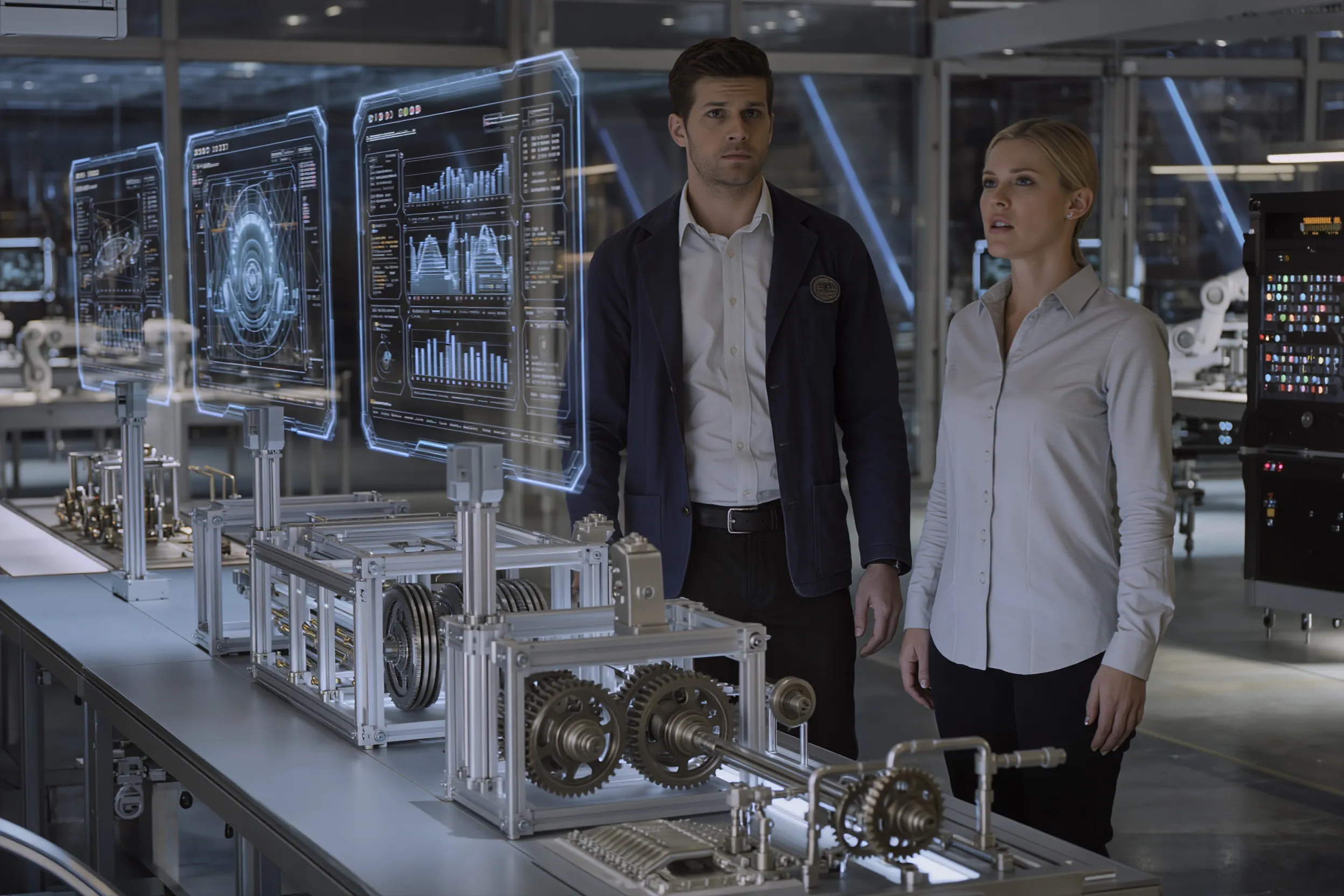
As for SCADA-R, the software has already been integrated into educational programs and has undergone real industrial deployment. It was used in operational systems at Kursk Nuclear Power Plant II, marking an important stage in its development and confirming its reliability under complex conditions.
Graduates Without a Transition Period
Beyond SCADA-R, there are other initiatives aimed at bringing academia closer to industrial software, including the migration of the Digital Science platform to fully domestic software and educational programs at MEPhI and University 20.35 focused on developing digital competencies among faculty.
Using SCADA-R in the learning process creates a strong foundation for training specialists oriented toward working with domestic digital solutions in critical industries. This shifts the logic of entering the profession: graduates arrive not as blank slates, but as engineers already familiar with industrial standards and working tools.
Looking ahead to 2030, similar formats are expected to expand to other technical universities, forming a network of practice-oriented education programs built around key Russian digital platforms.