From Doctor to Circus Performer: Samara Region Launches “Career Hubs”
Interactive career spaces are giving school students and college learners the chance to explore different professions and applied skills through VR and game-based formats, turning career guidance into hands-on experience.
A Samara Experiment
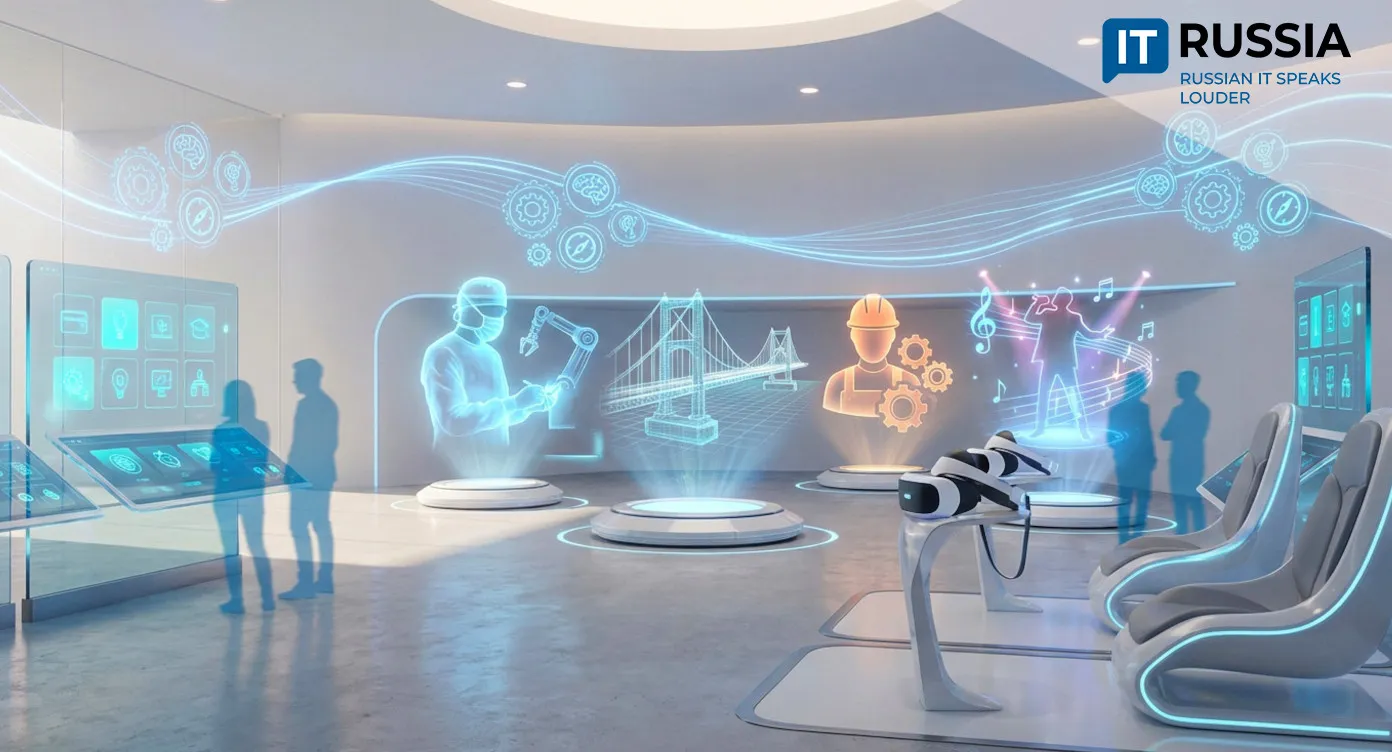
The pilot project known as “Career Hubs” consists of interactive career-guidance spaces designed for school students and college learners. The first hubs have already opened in Samara, Syzran, and the Pestravsky municipal district, operating within local employment centers. The format marks a clear departure from traditional career talks – replacing lectures with immersion and theory with direct experience.
“The target audience is young people who are deciding whether to pursue higher education or vocational training. The choices they make now will shape their future careers,” says Alexander Mityukhin, director of the Samara Region Employment Management Center.
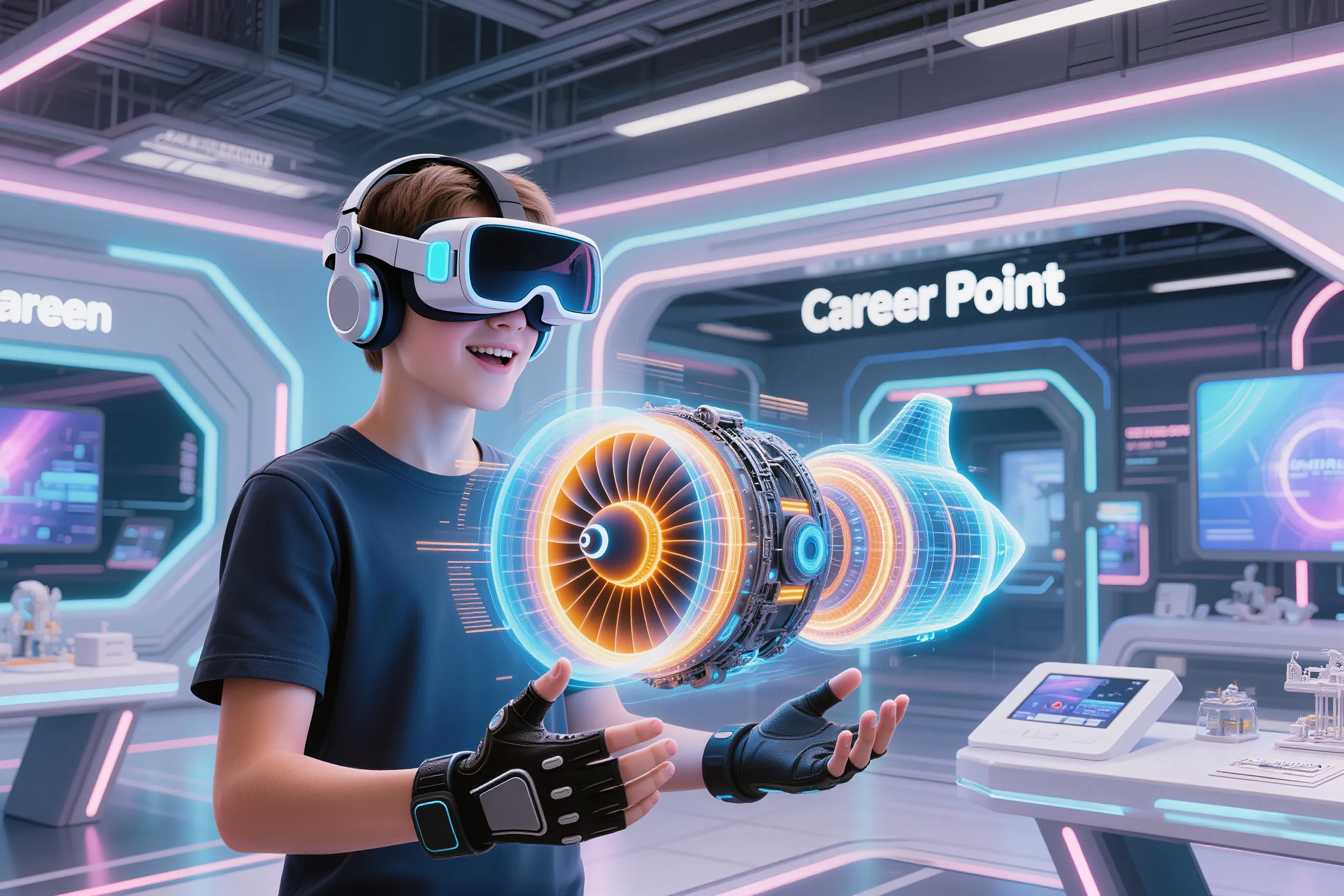
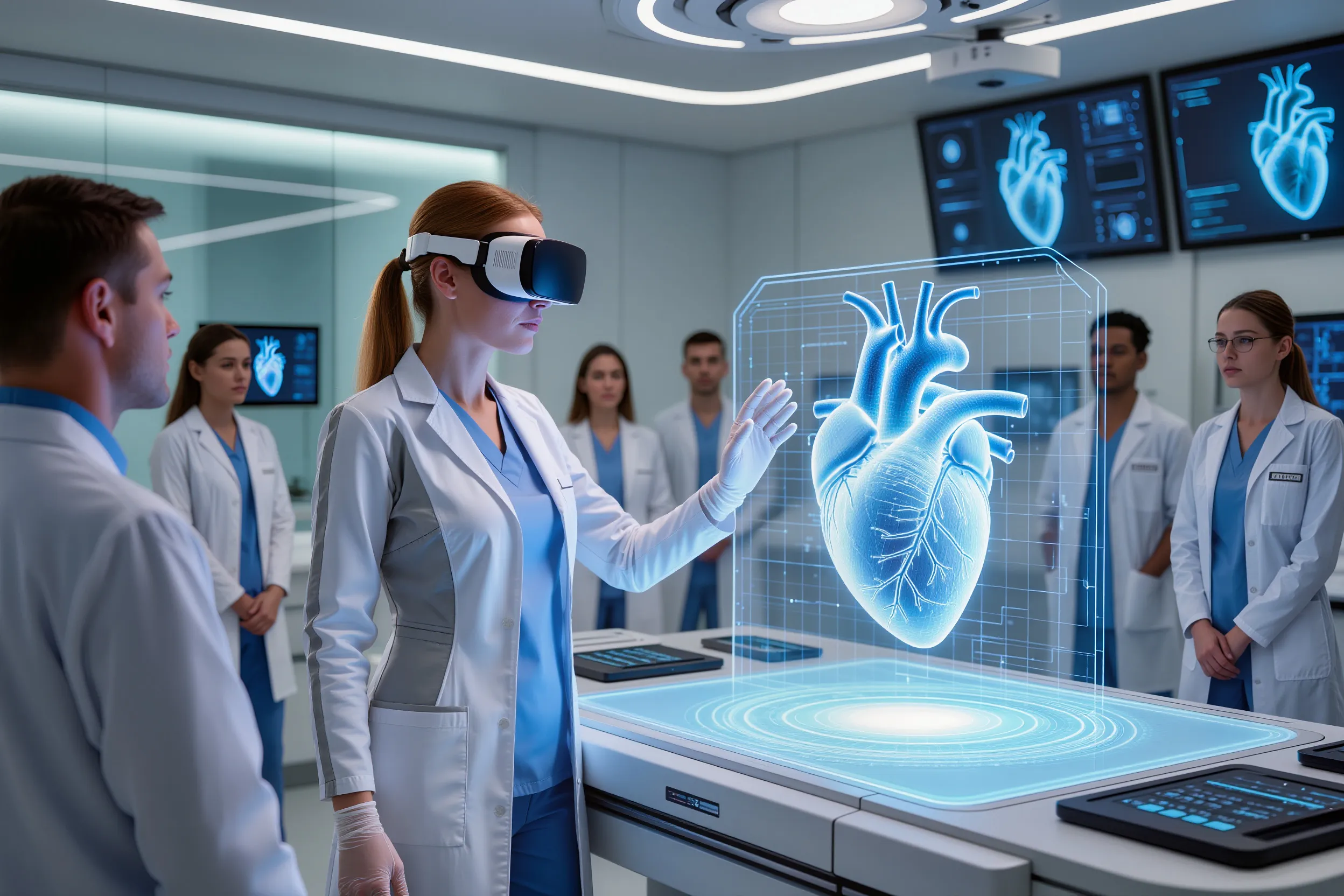
A defining feature of the project is the use of VR technologies and game-based mechanics. Participants can try themselves in a wide range of professional roles, from skilled trades to engineering and healthcare. The goal is not just to inform students about a profession, but to help them understand whether it truly resonates with them through visual and practical engagement, Mityukhin explains.
“As is well known, today’s young people tend to think in short, visual fragments. Presenting useful information in a format that feels natural to them helps create the kind of full immersion that is essential in effective career guidance,” he adds.
40,000 Open Positions
The project emerged in response to clear labor-market pressures. The Samara region currently faces strong demand for workers, with around 40,000 open vacancies and only about 4,000 officially registered unemployed individuals. In such conditions, the cost of making the wrong career choice becomes particularly high for young people.

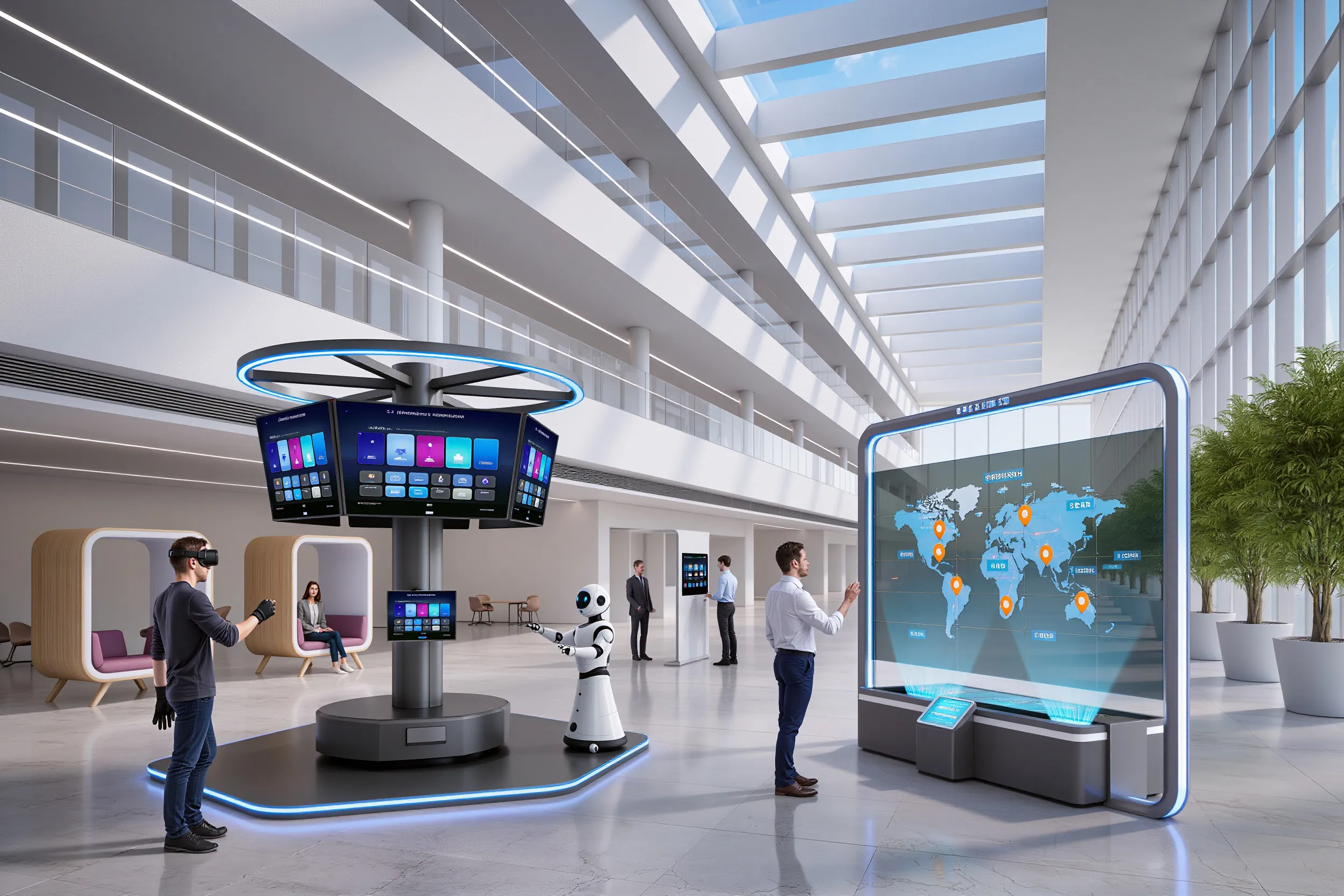
Career Hubs operate on two levels at once. On the one hand, they help young people make informed decisions about their education and career paths. On the other, they perform an analytical function by collecting data on students’ interests, expectations, and preferences. That data can then be used to adjust regional employment, training, and support programs.
Step by Step
The region has been building its youth-focused infrastructure gradually. Syzran previously opened its first youth career hub, which later became the prototype for the current expansion. At the same time, employment centers were modernized, introducing new services for job seekers.
Samara’s young people have also been actively involved in federal initiatives, including the “Profrorazvitie” project, which focuses on career choice support and internship opportunities.
Digital career solutions have expanded as well – from university career centers to regional online services. At the municipal level, programs supporting skills development and youth employment have been implemented. Career Hubs consolidate this experience into a more visual and engaging format.
Data Instead of Guesswork
“We fully support the opening of these educational spaces. Today’s graduates need to approach job searching with a certain toolkit – practical knowledge of professions, as well as skills in resume writing and job interviews. Career hubs can provide the motivation needed for future employment,” says Svetlana Vyugovskaya, deputy head of Samara’s Department of Guardianship, Trusteeship, and Social Support.
The pilot phase of the Career Hubs project is intended as a tuning stage, after which the initiative could be scaled across the entire Samara region. Over time, the project is laying the groundwork for a unified career-guidance standard, where expansion is measured not by the number of locations, but by a deeper understanding of young people’s interests and expectations.
The project’s main value lies in data that allows employment, education, and internship programs to be adapted to real demand. As a practical response to shifting labor-market conditions, the initiative has the potential to extend beyond the region. Integration with educational institutions and employers is already creating a clear pathway: career guidance – education – internship.