A Wider Circle: Sferum’s Audience Surpasses 15 Million Users
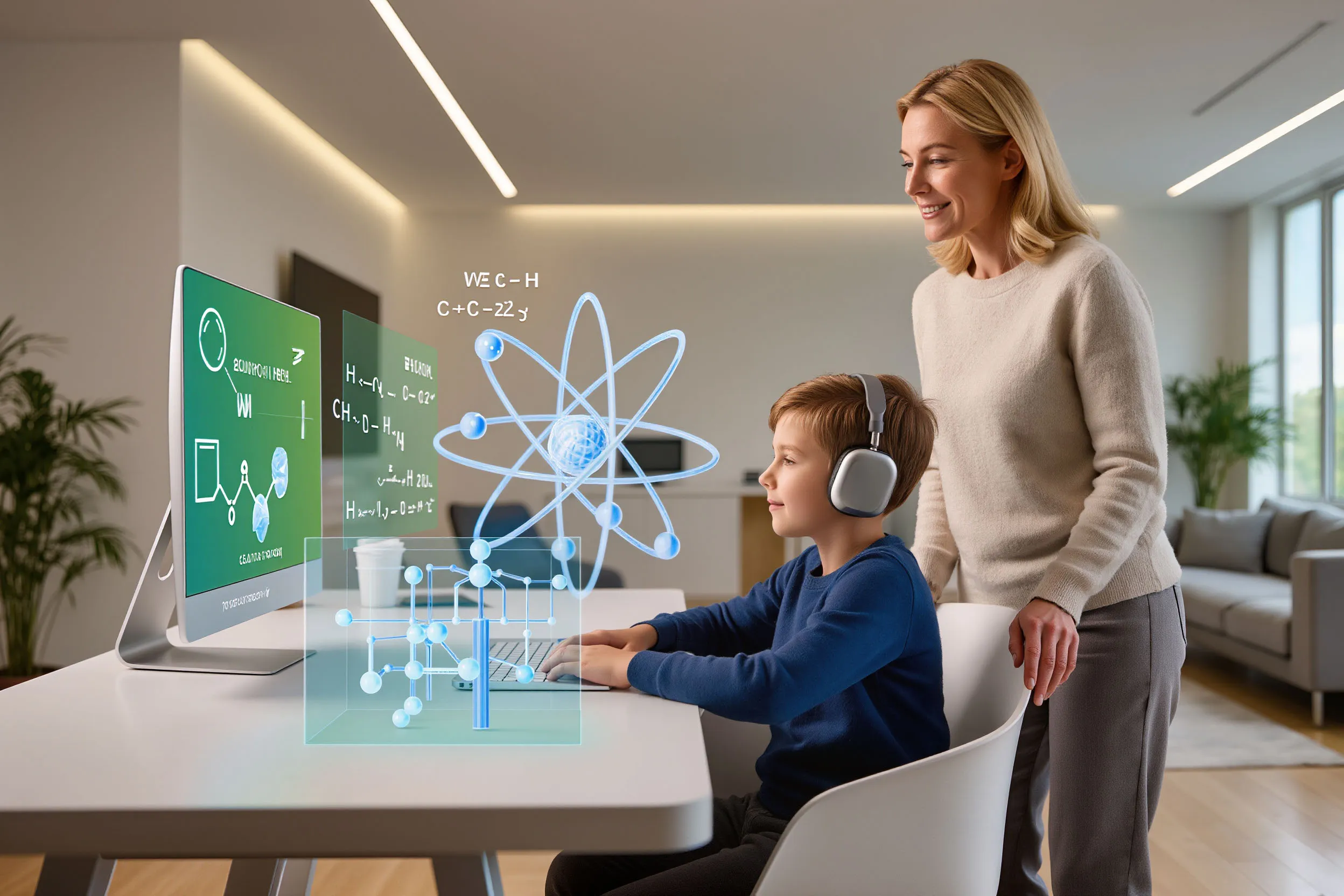
The large-scale education platform is now used by students, teachers, and parents alike, bringing together all the core participants in the learning process within a single digital environment.

The Sferum Phenomenon
Mikhail Sobolev, a chemistry teacher at School No. 36 “New Horizons” in Mytishchi, describes his experience this way: “Sferum inside MAX has become an indispensable assistant. It helps me handle core tasks – running online lessons in a digital classroom and communicating efficiently with students and their parents. I especially value the interactive whiteboard, the ability to collect homework in one shared space, and the convenience of exchanging documents with parents.” Unexpectedly, the teacher himself became part of the platform’s milestone, being registered as Sferum’s 15-millionth user.
The Sferum educational environment, operating inside the national messenger MAX, has now crossed this symbolic threshold. Usage statistics suggest that this is far more than nominal registration. Up to 9 million people use the platform weekly, while daily active users are approaching 7 million.
For EdTech projects, this level of engagement remains rare. It is comparable to the scale of federal education initiatives and signals that digital tools are no longer auxiliary – they are embedded in everyday school practice.

A Mirror of Digital Learning Habits
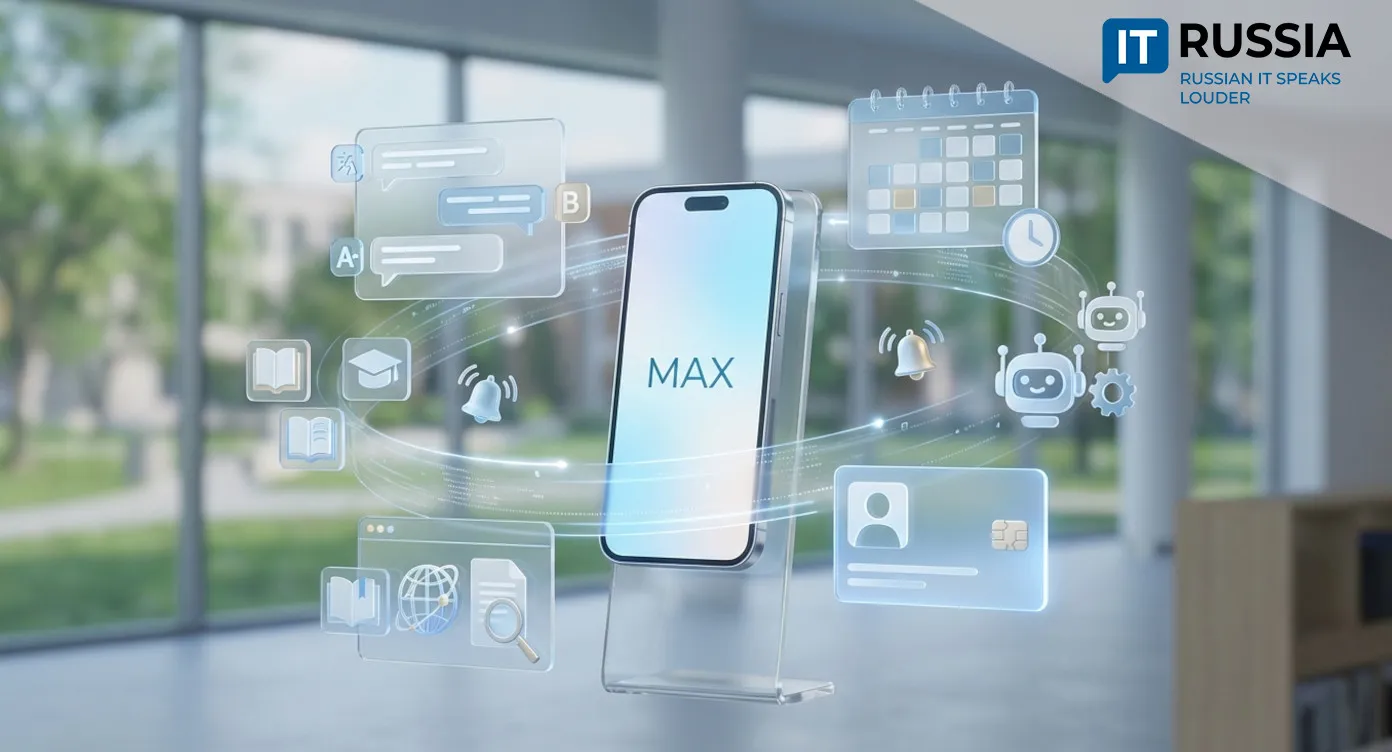
Sferum’s functionality goes well beyond that of a conventional messenger. Within MAX, users have access to chats, video calls, an interactive whiteboard, file sharing, and tools for issuing official school documents. A key role is played by access to educational content from the federal “My School” information system, as well as integration with the Gosuslugi.My School application.


This combination of communication and learning tools creates a closed-loop educational environment. Assignments, discussions, materials, and organizational issues all exist within a single digital space. According to industry observers, this integration has been one of the main drivers behind Sferum’s rapid audience growth and consistent use.
Online Learning, Taken Seriously
Digital tools in Russian schools have gone through several challenging phases. At the beginning of the decade, educational platforms were rolled out through government programs, while schools were only starting to adopt learning management systems and online courses. The pandemic sharply accelerated this shift, making remote and hybrid formats, video services, and LMS platforms an essential part of the school day.
The next step was the emergence of MAX as a unified digital service combining communication and applied functions. Integrating Sferum into this environment helped consolidate previously fragmented digital practices in one place.
By autumn 2025, the platform’s audience was estimated at around 10 million users. By December, that figure had risen to 15 million, marking the transition from experimentation to mass adoption. At this pace, reaching 20 million users as early as next spring no longer seems unrealistic.
When Learning Becomes a Service
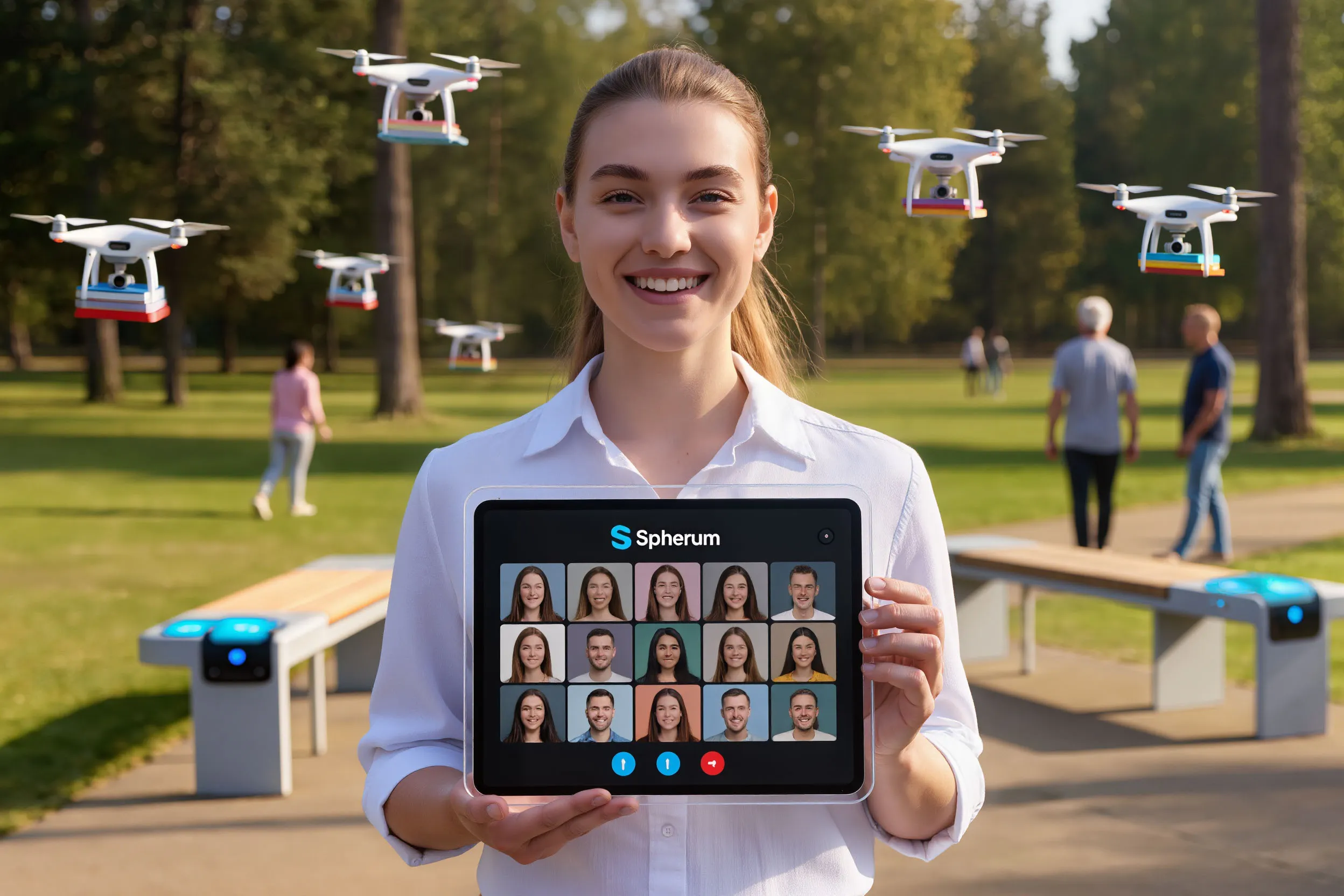
Audience growth dynamics clearly show that embedding education services within a general-purpose platform has proven intuitive and practical for schools and families. Strong daily activity points to a deeper shift – Sferum is perceived not as an additional channel but as a full-fledged working environment where a significant share of academic and administrative processes takes place.
Experts expect further development to focus on expanding functionality. This includes more precise learning analytics, reducing routine tasks through automation, the introduction of intelligent assistants, and deeper integration with government information systems. At the same time, systemic challenges remain, including protecting minors’ data, sustaining user engagement, and ensuring the quality of educational content.
The example of the country’s largest education platform suggests that Russia’s digital school environment is no longer a temporary solution or an experiment. It has become a familiar tool for the daily work of schools, teachers, students, and parents – part of the real learning process rather than a digital overlay. Sferum is now firmly entering the mainstream of school education.