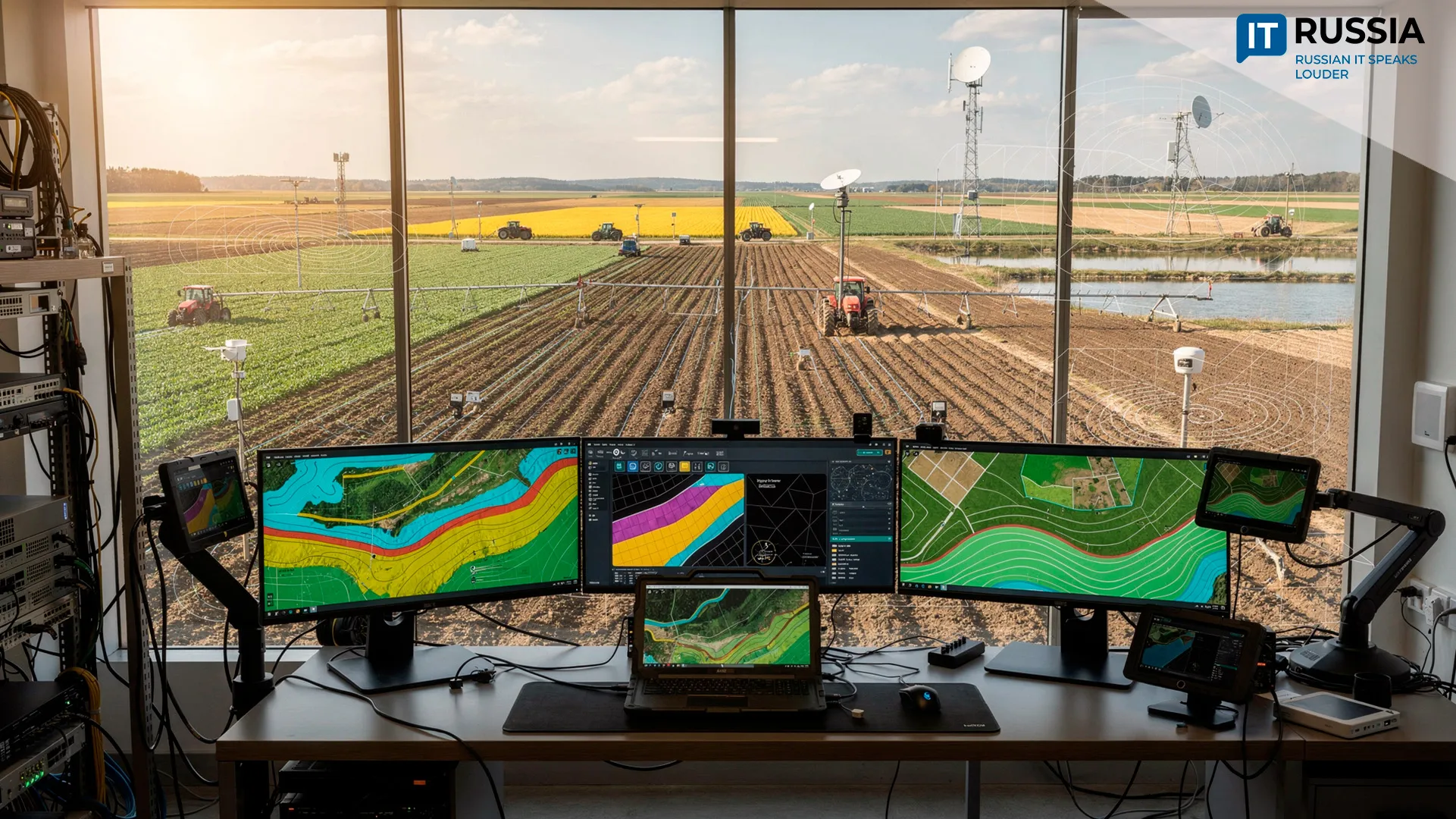
Smart Oversight: AI Helps Russia Monitor Agricultural Compliance
In Russia’s Oryol and Kursk regions, inspectors are using artificial intelligence–driven analytics to identify regulatory violations in agriculture. The approach allows authorities to analyze massive data streams and focus inspections on high-risk cases without disrupting compliant farms and agribusinesses.

The Federal Service for Veterinary and Phytosanitary Oversight – Rosselkhoznadzor – was established in 2004 after the merger of Gosudarstvennaya veterinarnaya sluzhba Rossii (State Veterinary Service of Russia) and Gosudarstvennaya sluzhba po karantinu rasteniy (State Plant Quarantine Service). Today the agency oversees veterinary supervision, monitoring of pesticide and agrochemical safety, seed certification, grain quality control, land use oversight, animal welfare supervision and regulation of veterinary medicines.
Managing responsibilities on this scale requires extensive digital infrastructure. Data-driven systems help regulators detect potential violations and conduct risk-based inspections while allowing compliant businesses to continue operating without interruption. In its 2025 public declaration, Rosselkhoznadzor identified digitalization of regulatory activity as one of its key priorities.
Artificial Intelligence Identifies Violations
Rosselkhoznadzor now operates 11 digital information systems, several of which incorporate artificial intelligence technologies. These systems continuously improve their analytical capabilities through machine learning.

During a public review of enforcement practices for 2025, Yevgeniy Cherny, head of the Rosselkhoznadzor administration for Oryol and Kursk regions, noted that most regulatory activities last year involved field inspections conducted without direct interaction with businesses. In total, authorities carried out 16,282 such inspections and issued 28,667 precautionary notices aimed at preventing violations. These capabilities rely heavily on AI-driven analysis of large document datasets, including electronic veterinary certificates within the FGIS Merkuriy (Mercury veterinary certification system).
In one example from September, an entrepreneur in the Oryol region issued a veterinary certificate for dairy products scheduled for shipment to another district. The route should have taken approximately one hour and forty-three minutes. However, the accompanying digital veterinary documents were closed just eleven minutes after departure. Such a discrepancy could indicate that controlled products were transported without proper documentation. Authorities issued a precautionary notice to the company.
The use of AI-based analytical tools in veterinary supervision allows regulators to streamline workflows, reduce response time to potential violations, improve coordination between agencies and automatically block potentially unsafe products from entering the market.

Tracking Grain and Monitoring Field Treatments
Digital systems are also transforming how authorities monitor grain quality and crop treatment practices. In 2025 the federal information systems used for plant quarantine oversight were reorganized. FGIS Saturn was integrated with the agricultural land monitoring system EFIS ZSN and with FGIS Zerno (FGIS Grain), the national platform used to track grain and grain-processing products.


In the Oryol and Kursk regions alone, FGIS Zerno helped identify ten cases in 2025 where grain shipments lacked accompanying documentation. Authorities also recorded 134 cases in which incomplete information was provided in shipping documents or grain was offered for sale without the required declaration. In total, inspectors detected 950 instances of inaccurate grain declarations.
The primary cause was that some agricultural producers relied on unaccredited laboratories where full testing procedures were not carried out. Regulators also uncovered falsified grain testing protocols.
Another innovation benefits beekeepers. A dedicated portal built within FGIS Saturn provides an interactive map showing planned pesticide and agrochemical treatments. The tool allows beekeepers to adjust hive locations and honey collection areas in real time. At the same time crop producers can submit treatment data to FGIS Saturn using mobile devices, even without a direct internet connection.
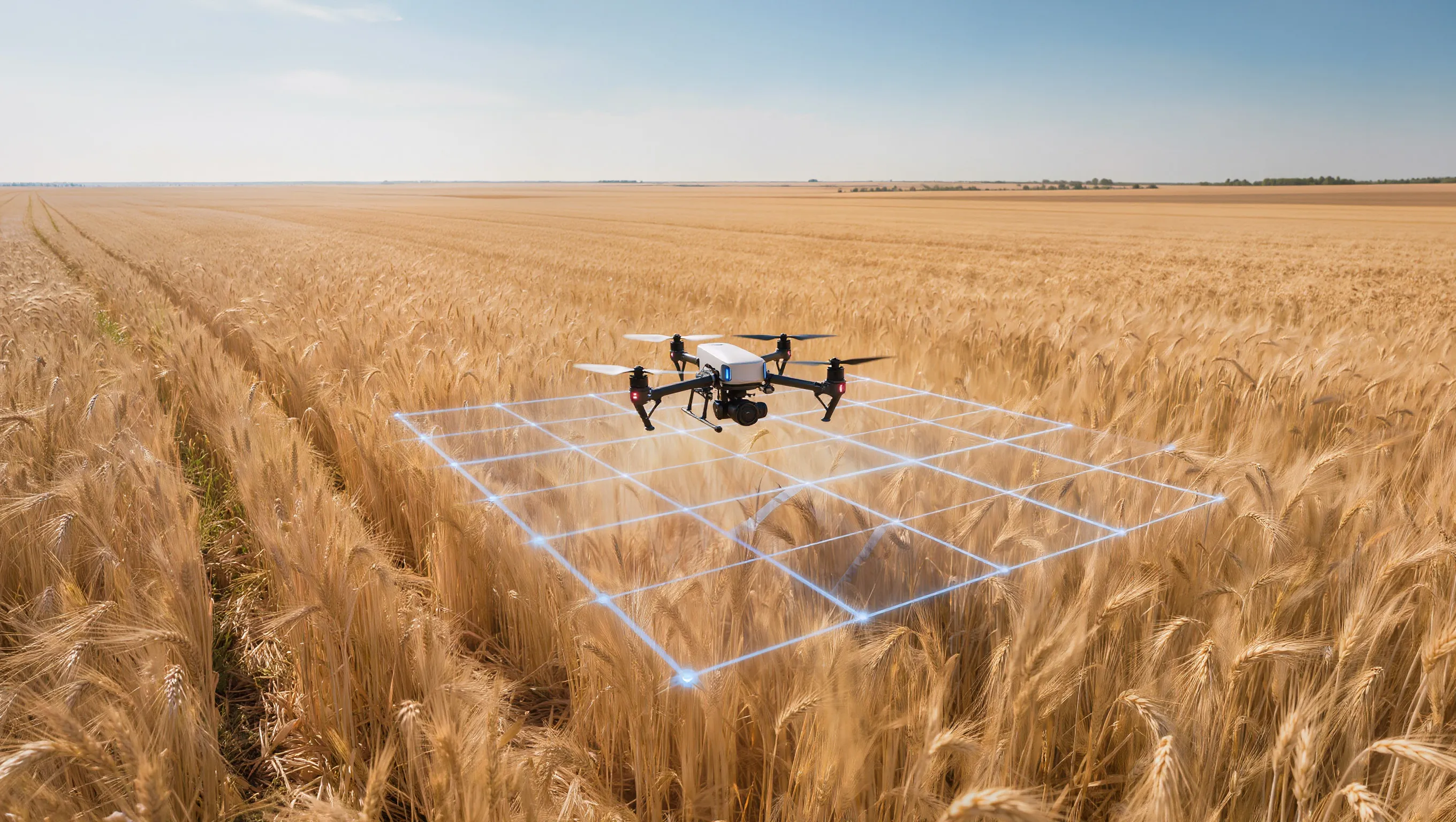
Toward a Transparent Agricultural Market
Large-scale use of AI within Rosselkhoznadzor is increasing transparency across Russia’s agricultural commodity markets. In the future these systems are expected to integrate with other government platforms, including customs and tax monitoring systems.
Such integration would allow regulators to track the movement of agricultural products across the entire supply chain. In effect, agricultural oversight is gradually shifting toward a digital risk-management model rather than relying solely on traditional inspections. This reflects a broader global trend toward regulatory systems built on data analytics and automated monitoring.