Russia Deploys Domestically Produced TV Transmitters in Amur Region
Russia has begun installing domestically manufactured television transmitters in the Far East as part of a broader effort to modernize its broadcast infrastructure and replace imported technology. The initiative highlights the country’s growing focus on building an independent telecommunications equipment ecosystem while improving signal reliability for viewers.

The process of import substitution has spread across virtually every technology sector in Russia. Television broadcasting is no exception. Equipment from foreign vendors is increasingly being replaced with Russian-made alternatives.
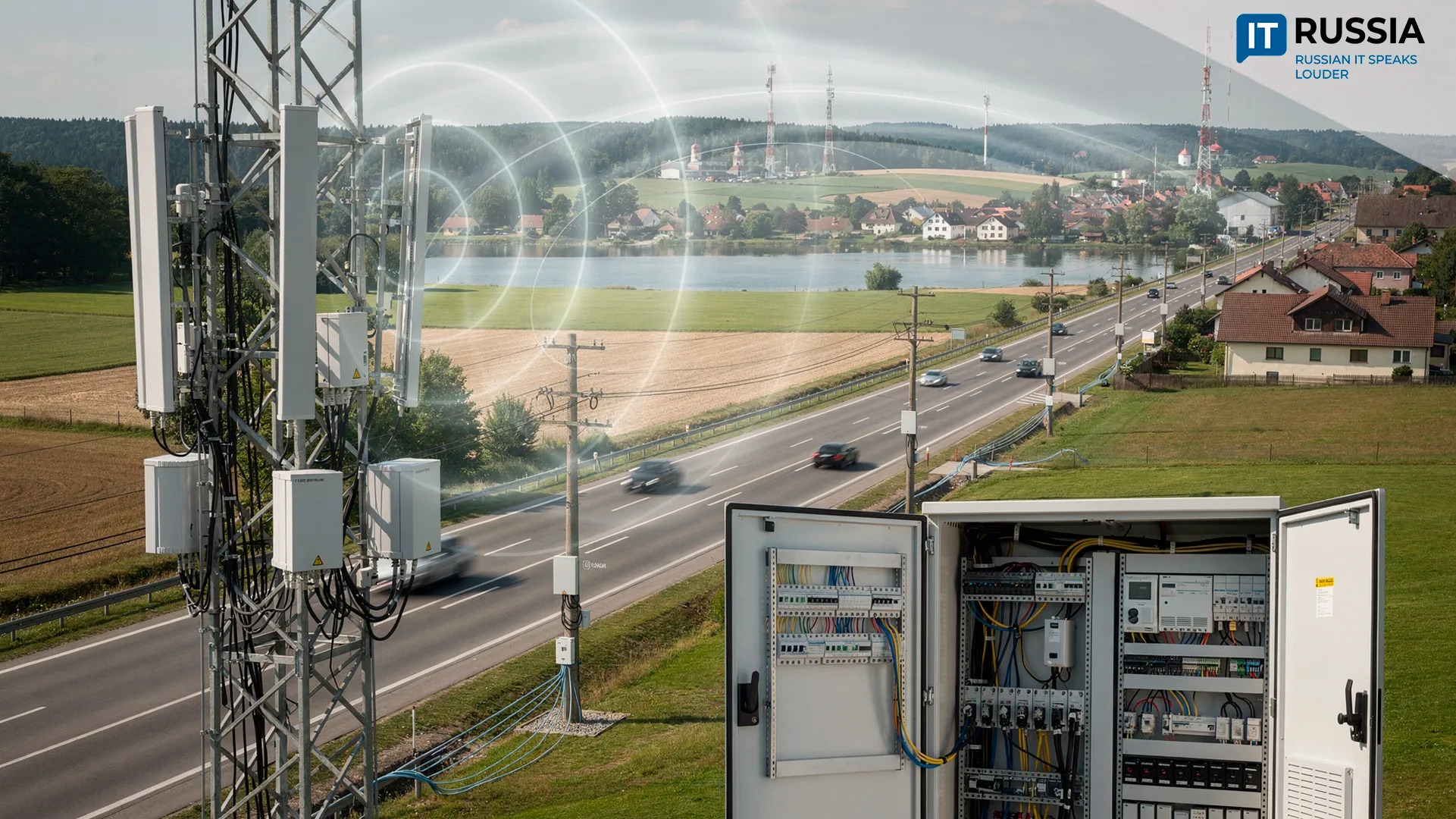
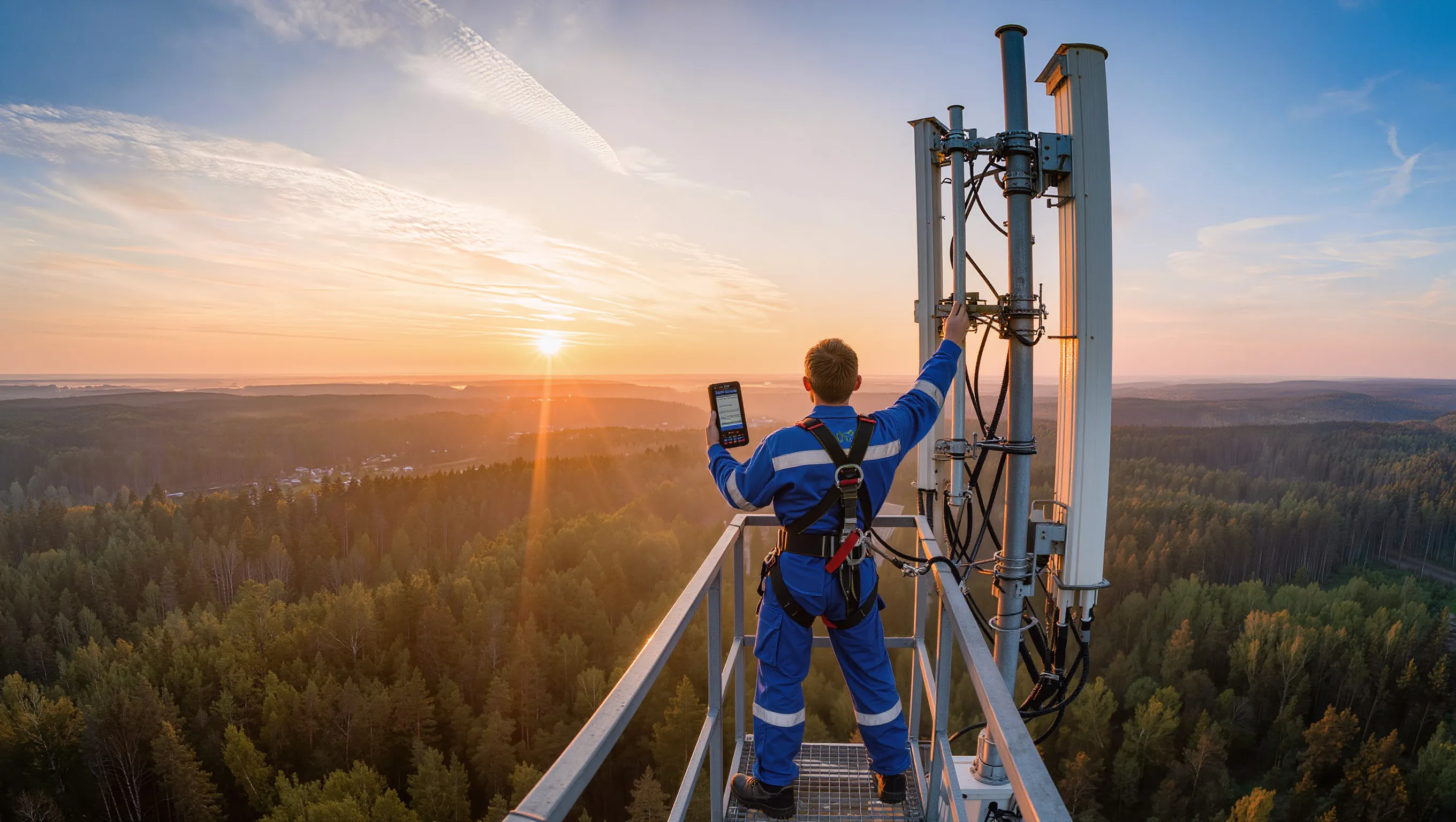
Recently, modernization work for the first digital broadcast multiplex began in the Amur region. The project is being implemented by the RTRS Amurskiy ORTPC branch of Rossiyskaya televizionnaya i radioveshchatelnaya set (RTRS – Russian Television and Radio Broadcasting Network). Engineers will replace all 56 existing digital transmitters with domestically produced equipment. The upgrade also includes a transition to Russian software platforms. The project is part of RTRS’s long-term program to modernize the national digital broadcasting network between 2021 and 2034.
“The main goal of the project is to improve reliability and prevent failures in equipment installed during the construction of the digital network that has now reached the end of its service life. Over the years, the Russian Television and Radio Broadcasting Network, which is celebrating its 25th anniversary this year, completed the transition to a new television broadcasting format. Analog broadcasting was phased out and replaced by digital. Our region was included in the first phase of digital network construction in 2009. In 2010, large-scale deployment of digital terrestrial broadcasting infrastructure began in the Amur region. Between 2010 and 2018, a regional digital network consisting of 56 transmission stations was built, including 45 constructed from scratch,” said Sergey Shkalygin, director of the RTRS Amur branch.
Tight Deployment Timeline
Despite the scale of the upgrade, engineers are working under a compressed schedule. All digital transmitters must be replaced by June 30.
The current modernization focuses on transmitters that deliver channels included in the first multiplex package. Equipment supporting the second multiplex will be upgraded during a later phase scheduled for 2033–2034.
Equipment for the modernization project is being supplied by several major Russian manufacturers. Mikrotek (Novosibirsk) delivered 32 transmitters with power levels ranging from 10 to 250 watts, while Almaz-Antey Telekommunikatsii (Moscow), a subsidiary of the Almaz-Antey aerospace and defense group, supplied 24 transmitters with power output of up to 2 kW.

Short-Term Disruptions, Long-Term Network Gains
Residents of the region have been warned that the installation work may cause temporary interruptions in television broadcasts. However, these short outages are expected to result in significantly improved reliability and signal quality once the upgrades are completed.


Russia fully discontinued analog television broadcasting in 2019, when the last transmitters using the legacy technology were switched off. They were replaced by the DVB-T2 digital broadcasting standard. Deploying this system required the construction of a vast infrastructure network consisting of more than 5,000 transmitters covering a territory of over 17 million square kilometers.
Expanding the Digital Media Infrastructure
The transition program was implemented gradually so that households would have time to replace older television sets with models capable of receiving digital broadcasts. Over several years, about 100 million televisions supporting the digital standard were sold in Russia, along with roughly 20 million digital receivers for older TV sets. This enabled the phased shutdown of analog broadcasting.

The program’s objectives included expanding Russia’s information infrastructure, improving the efficiency of television and radio broadcasting, and ensuring nationwide access to multi-channel programming, including mandatory publicly available national TV channels. For the 1.6% of the population living in remote areas where building terrestrial broadcast infrastructure is impractical, access to satellite television services was provided.
The start of modernization work in the Amur region represents part of a broader strategy to build a fully independent television broadcasting network in Russia. The effort is also creating new opportunities for domestic manufacturers of high-tech telecommunications equipment.