Nuclear Energy for AI: Hybrid Data Center Concept Powered by Floating Reactor Developed
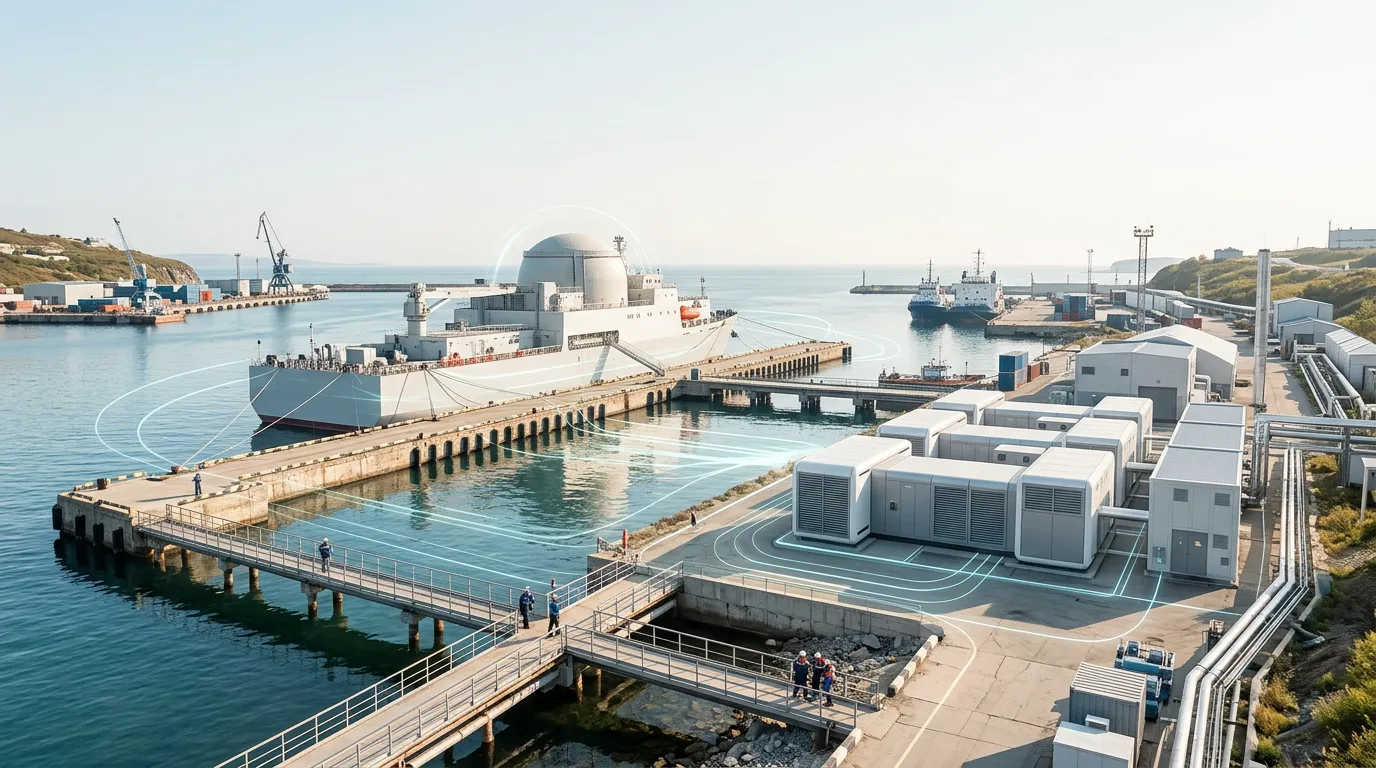
Russian scientists have proposed powering data centers with floating nuclear power units. At the 70th IAEA General Conference in Vienna, Atomdata demonstrated a concept that combines a coastal data center with a mobile mini-nuclear power plant.
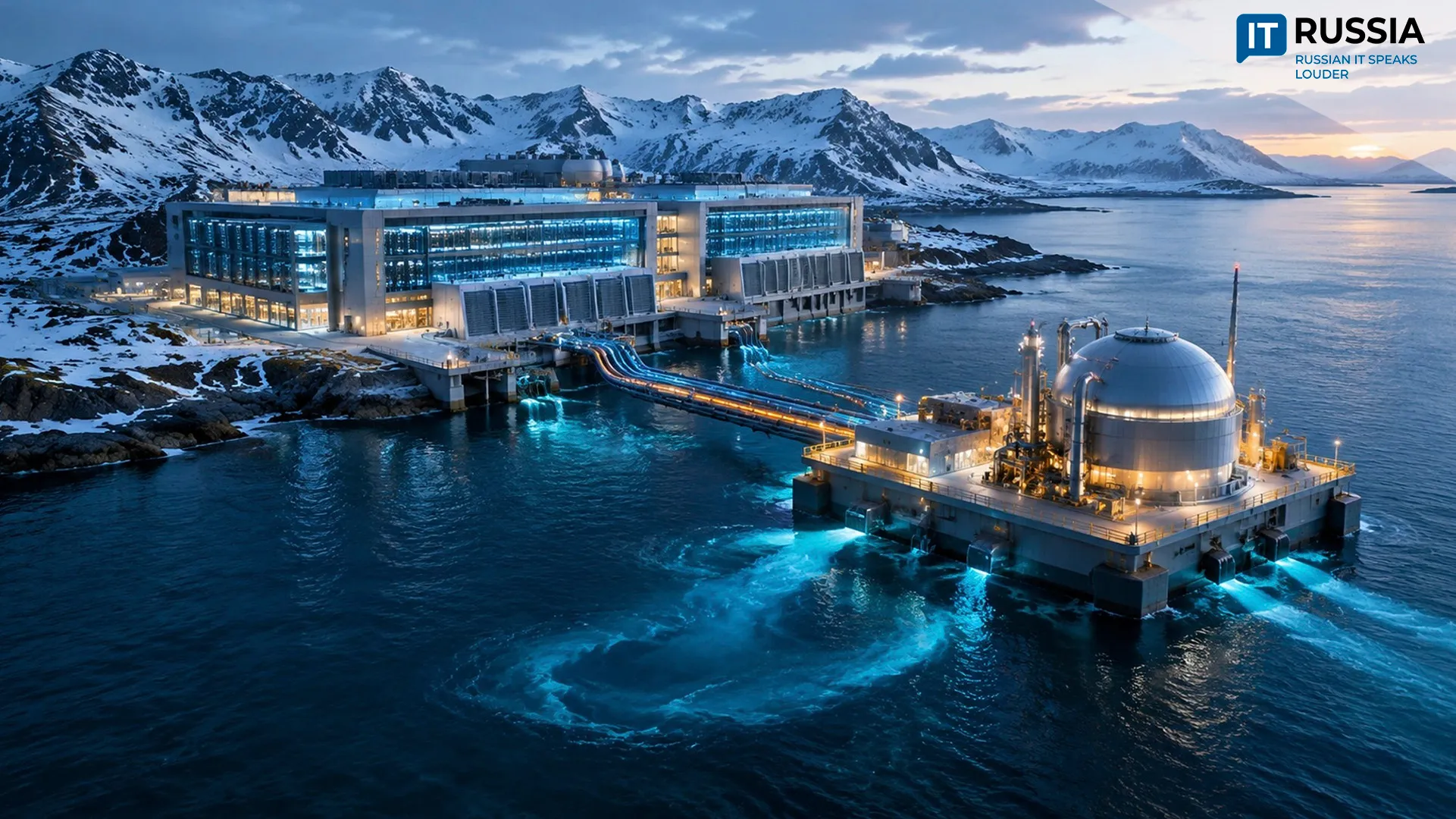
Atomdata JSC is part of Rosatom and focuses on developing, expanding and providing data center services. In Vienna, the company presented a project involving a coastal data center powered by the PEB-100 (floating power unit), which is based on two RITM-200M reactors with a combined capacity of 100 MW.
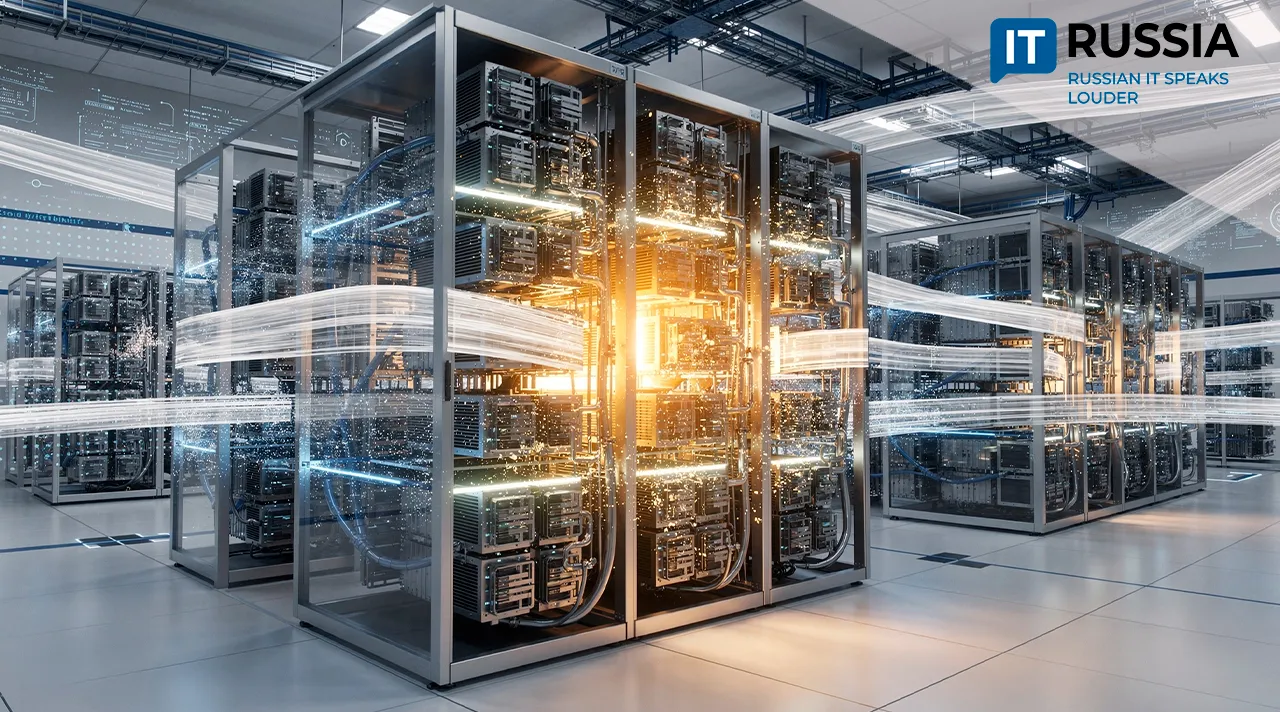
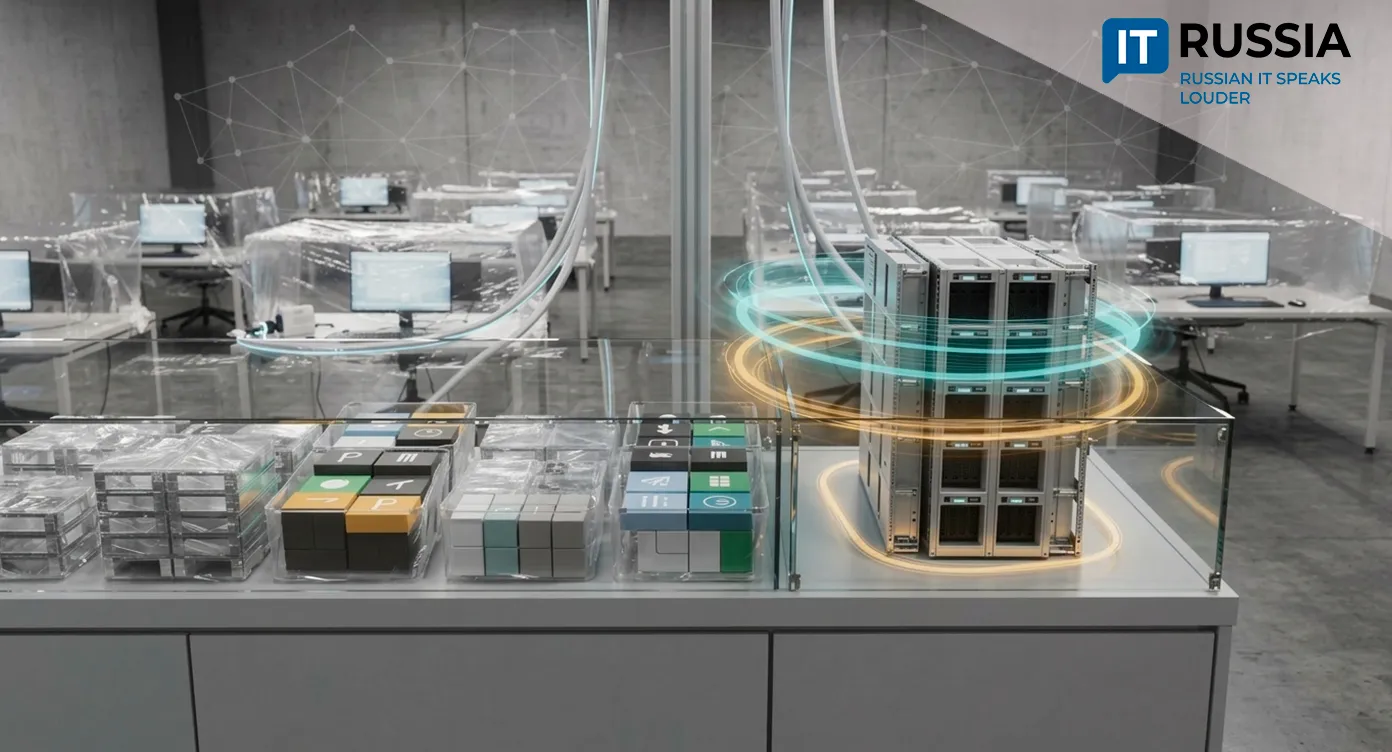
This combination makes the complex fully independent of local power grids and provides an uninterrupted power supply to the data center. The facility can handle energy-intensive computing, including workloads related to training and running artificial intelligence models, as well as storing large volumes of data.
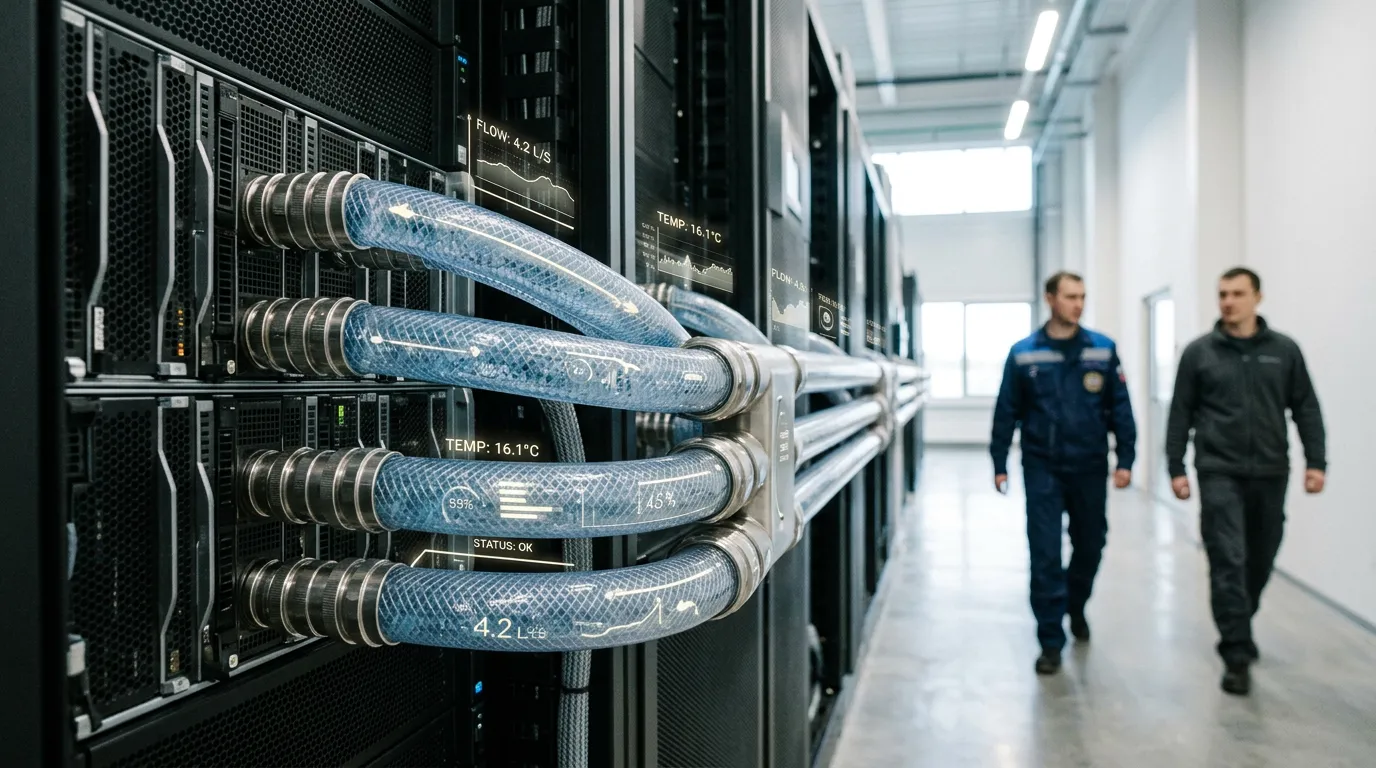
The project's key engineering solution is a direct liquid-cooling system that uses seawater. Both the reactors and server racks are powerful sources of heat, while direct access to the marine environment provides a way to dissipate it.
According to Vidiya Zheleznov, director of special projects at Atomdata JSC, combining nuclear power capabilities with high-performance data centers is particularly effective: “Data centers are one of the key elements of modern critical infrastructure. In the solution presented, the data center is considered as part of an integrated system with energy infrastructure and digital services, which makes it possible to address the development of national AI models and the storage and processing of data in a comprehensive way.”
Projects of this kind are best suited to remote and hard-to-reach areas with isolated power systems. In practice, this means Russian citizens living in such regions could gain more reliable access to modern digital services. It would also make data-storage infrastructure more resilient.
From Arctic Modules to Export Solutions
Domestic prospects for these projects are closely tied to the active development of Russia's Far East, Arctic and other remote regions. The government is currently directing significant resources toward these areas. Coastal data centers powered by floating nuclear units could support autonomous computing clusters for AI, large-scale data processing, digital twins and other IT workloads.
Atomdata's project also has strong export potential. Shortly before the Vienna presentation, the IAEA launched its ATLAS (Atomic Technologies Licensed for Applications at Sea) initiative. Its goal is to support the safe deployment of nuclear technologies in the maritime sector, including floating nuclear power plants. With the data center industry growing rapidly in recent years and shortages of available power capacity becoming one of its most serious challenges, Russia's integrated approach could also find demand in other countries that are actively building digital infrastructure and have access to coastal or ocean waters.
Data Centers Gain Nuclear Autonomy
The emergence of the Atomdata project is a logical continuation of the data center infrastructure development strategy that Rosatom has pursued since 2016. That year, construction began on the Kalininsky Data Center near the Kalinin Nuclear Power Plant in Tver Region. It entered commercial operation two years later.
Pilot projects are also being implemented at the Novovoronezh, Balakovo and Smolensk nuclear power plants. In 2024, a modular data center project was launched at the Kola Nuclear Power Plant. In May 2020, the Akademik Lomonosov floating nuclear heat-and-power plant, with a combined capacity of 70 MW, entered commercial operation.
By 2039, Rosatom plans to build 62 small-capacity reactors, 18 of them for floating nuclear power plants. Over time, the corporation could use some of these units to supply power not only to coastal communities but also to local data centers.
Prospects for a New Class of Infrastructure
The value of the concept presented by Atomdata lies in its potential to create fully autonomous, energy-independent digital infrastructure. It avoids some of the limitations of other modular data centers powered by gas generation or renewable energy sources. A nuclear reactor does not depend on fuel deliveries or weather conditions, while its power output can support large computing clusters.