Playing the Russian Way: Why the Father of Counter‑Strike Praised Russian Developers
Counter-Strike co-creator Minh Le has publicly praised Russian developers for producing some of the world’s best game simulators, highlighting the growing international recognition of Russia’s game industry
A Creative Industry Takes Shape
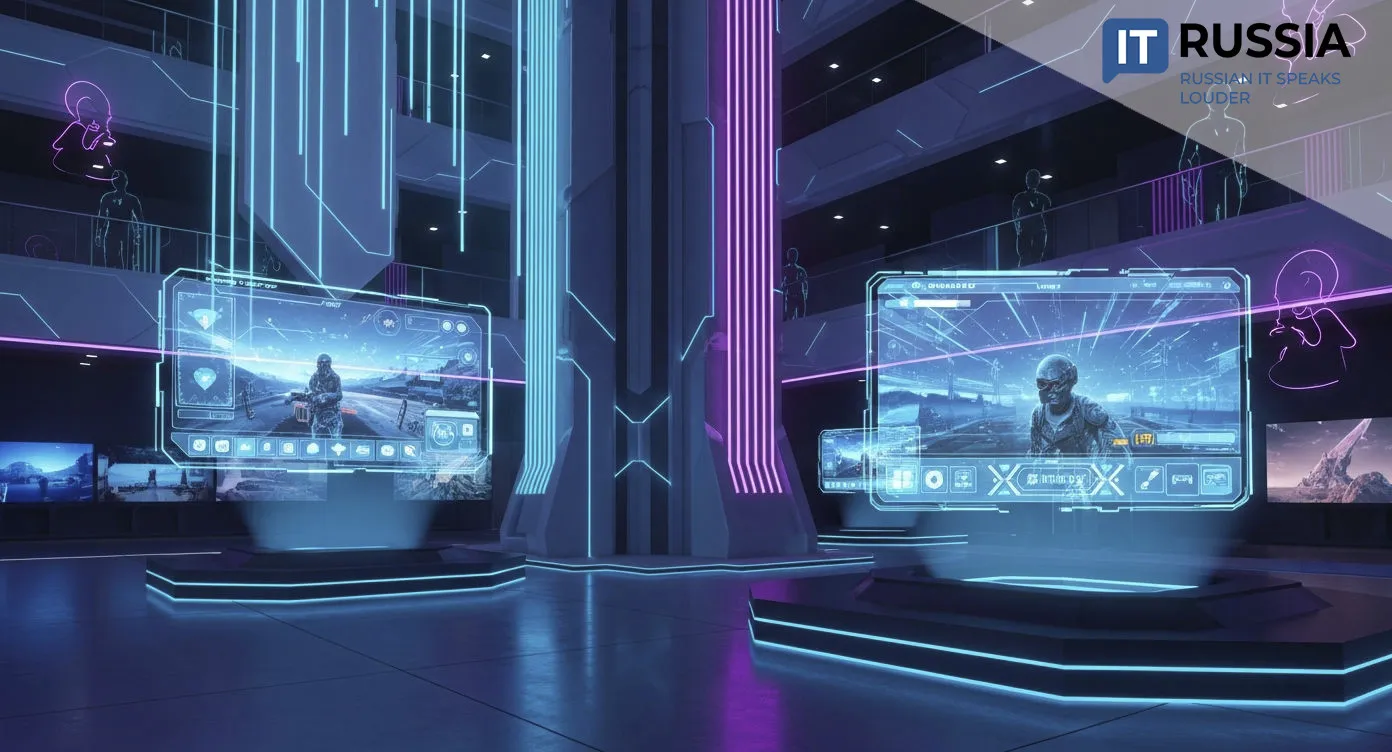
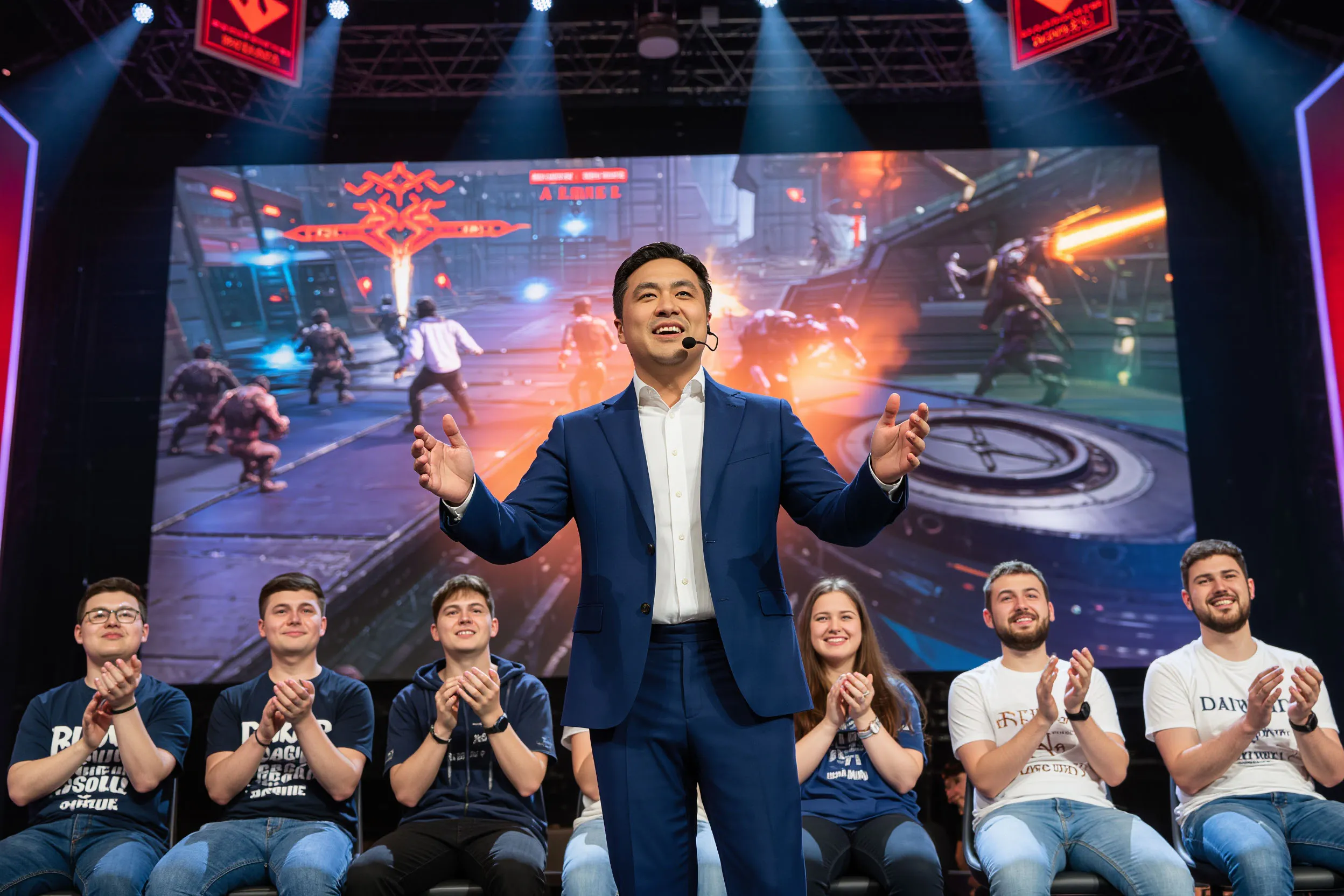
At the Moscow International Video Game Week, Minh Le—legendary co-creator of Counter‑Strike—expressed admiration for Russian game developers, calling their simulators among the best in the world. He emphasized that Russian teams have a deep understanding of the genre and consistently produce projects worthy of global attention.
Le added that with proper support, including initiatives like Moscow’s Creative Industries Cluster, Russian games could achieve a breakthrough on the global market. His comments serve as more than praise—they represent a major international endorsement of Russian creative and technical talent.
The global gaming market is now worth hundreds of billions of dollars and grew by 7.5 percent in 2025. Russia’s market reached the equivalent of $2.2–$3.3 billion, or about 2–3 percent of global revenue. Increased international recognition could significantly expand this share.
Platforms, Projects, and New Momentum
Russia today is experiencing a resurgence in game development: new platforms are emerging, major projects are being revived, and government support continues to expand. Game development has become a formal academic direction, with specialized programs now opening in universities and schools.

Developers are releasing new titles, including those inspired by Russian history. Projects such as Zemsky Sobor and the continuation of Smuta have quickly gained traction among players. The state now classifies game development as a priority IT direction, allocating funding to studios and building new Creative Industry Clusters—one of which has recently opened in Moscow with advanced infrastructure for game and animation production.
Entering the Global Stage
Russian game products were prominently showcased at major international events such as the Tokyo Game Show, where Moscow’s game-development hub attracted substantial attention. Developers note that global audiences are drawn to Russian projects for their distinctive atmosphere, unconventional design choices, and strong visual storytelling.
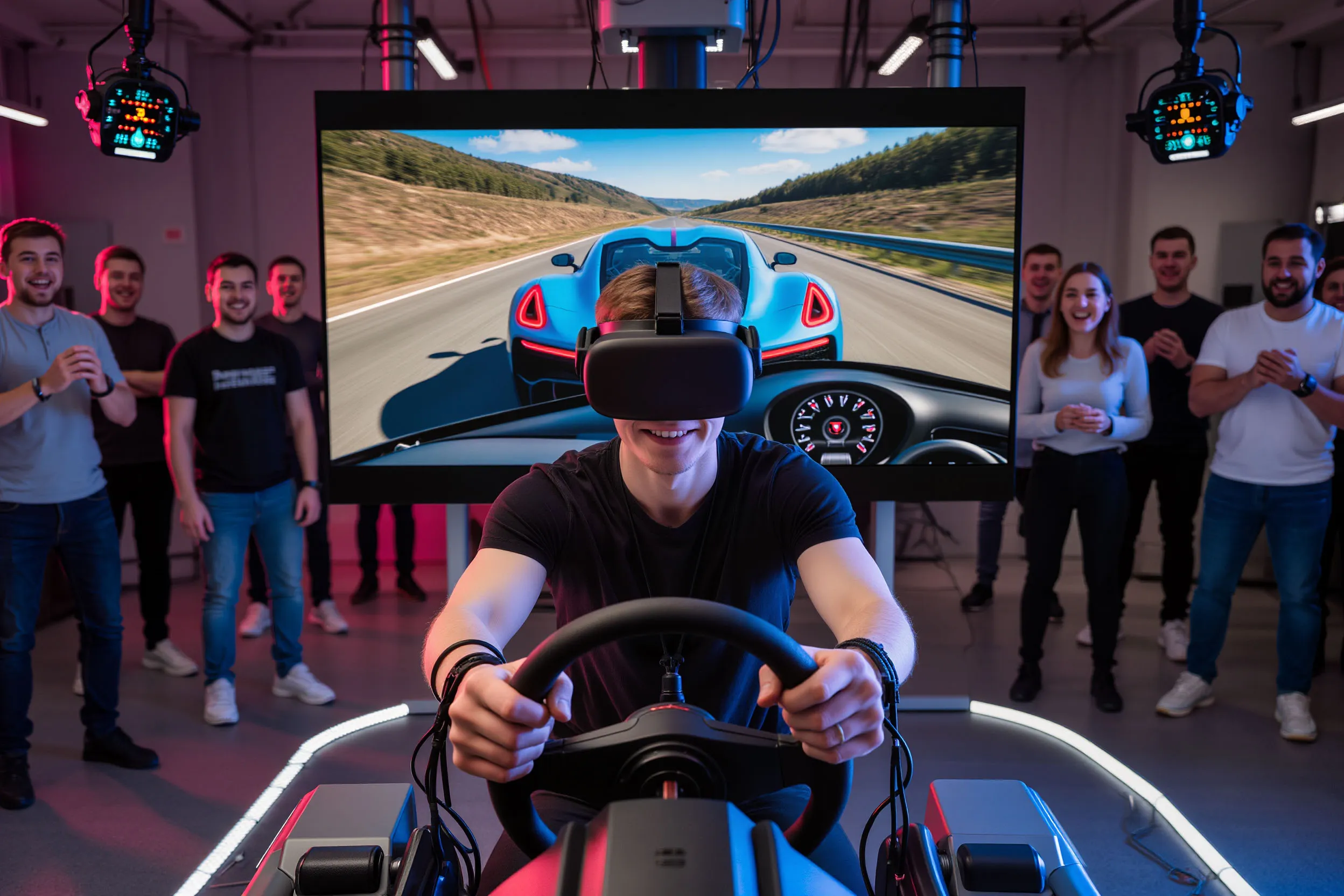
International visibility is expected to accelerate the industry’s growth. Even small creative teams may now secure investors or government grants. Esports will also help strengthen Russia’s tech sector, pushing advancements in VR, physics simulation, and other niche technologies that often spill over into AI, digital twins, and sensory computing.
Russian Titles Making Noise Worldwide
Over the past three years, Russian titles have repeatedly made headlines. Atomic Heart earned global recognition as a AAA-level release. Escape from Tarkov set records for concurrent players, demonstrating the world’s appetite for high-intensity Russian shooters. IL-2 Sturmovik: Battle of Stalingrad continues to stand as a top-tier example of Russian simulation expertise.
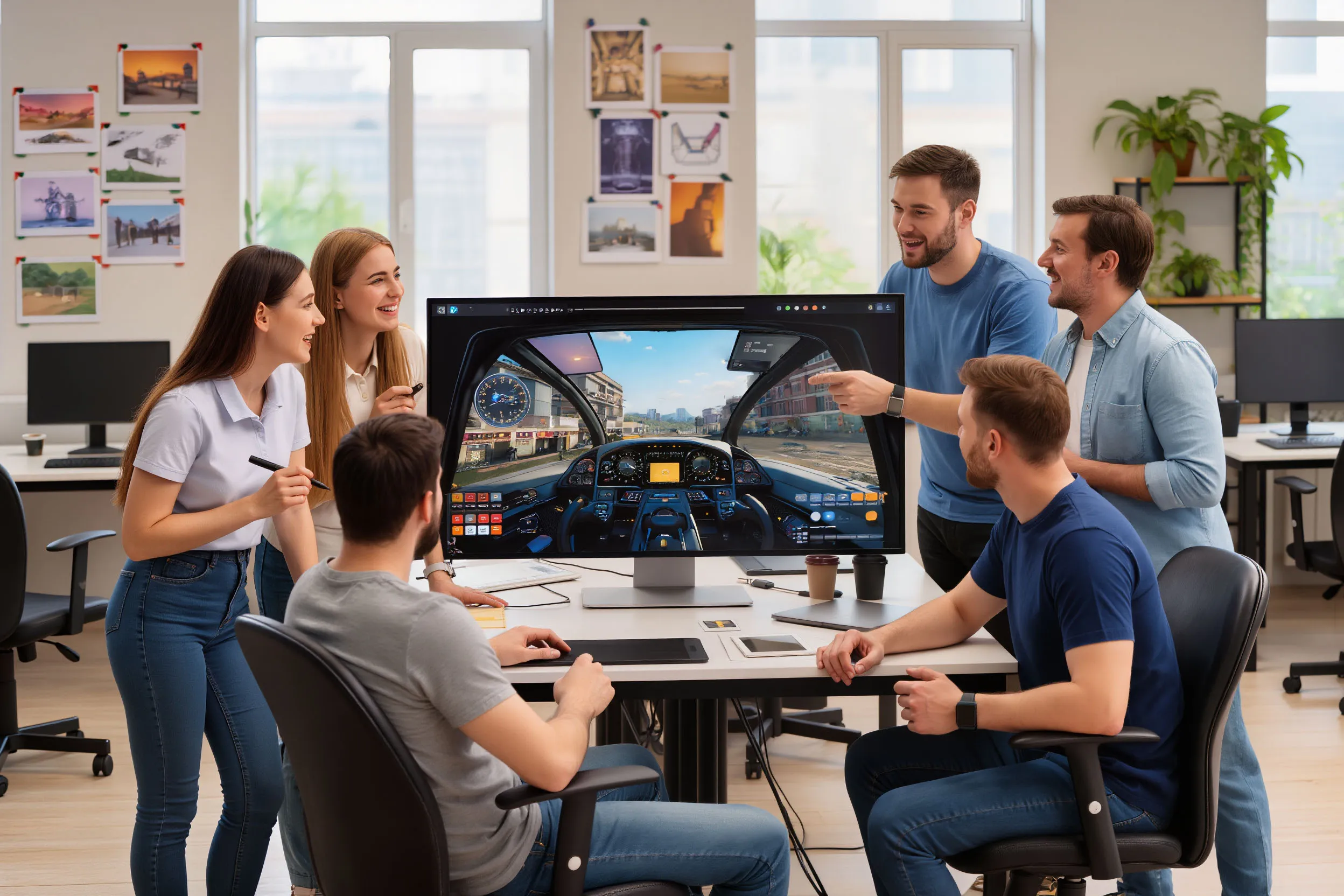
The growing portfolio of Russian developers—and endorsements from global industry leaders—underscore Russia’s rising role in game development. With smart marketing, increased technical capabilities, and continued state support, playing “the Russian way” may soon carry even more global weight.