Reviving a Rural Tretyakov: How a Local Museum Near Kostroma Is Reinventing Itself
At the Parfenyev Local History Museum in the Kostroma region, new equipment has been installed as part of a digital upgrade aimed at making exhibits more interactive and attracting more visitors.
In 2025, the project “Revival of a Rural Tretyakov” at the Parfenyev Local History Museum won a grant from the nonprofit Galichskaya Provintsiya’s social initiatives competition. Combined with funding from the national Family project, the support enabled a large-scale renovation of the museum and a full technological upgrade.
New Lighting and a Touch Interface
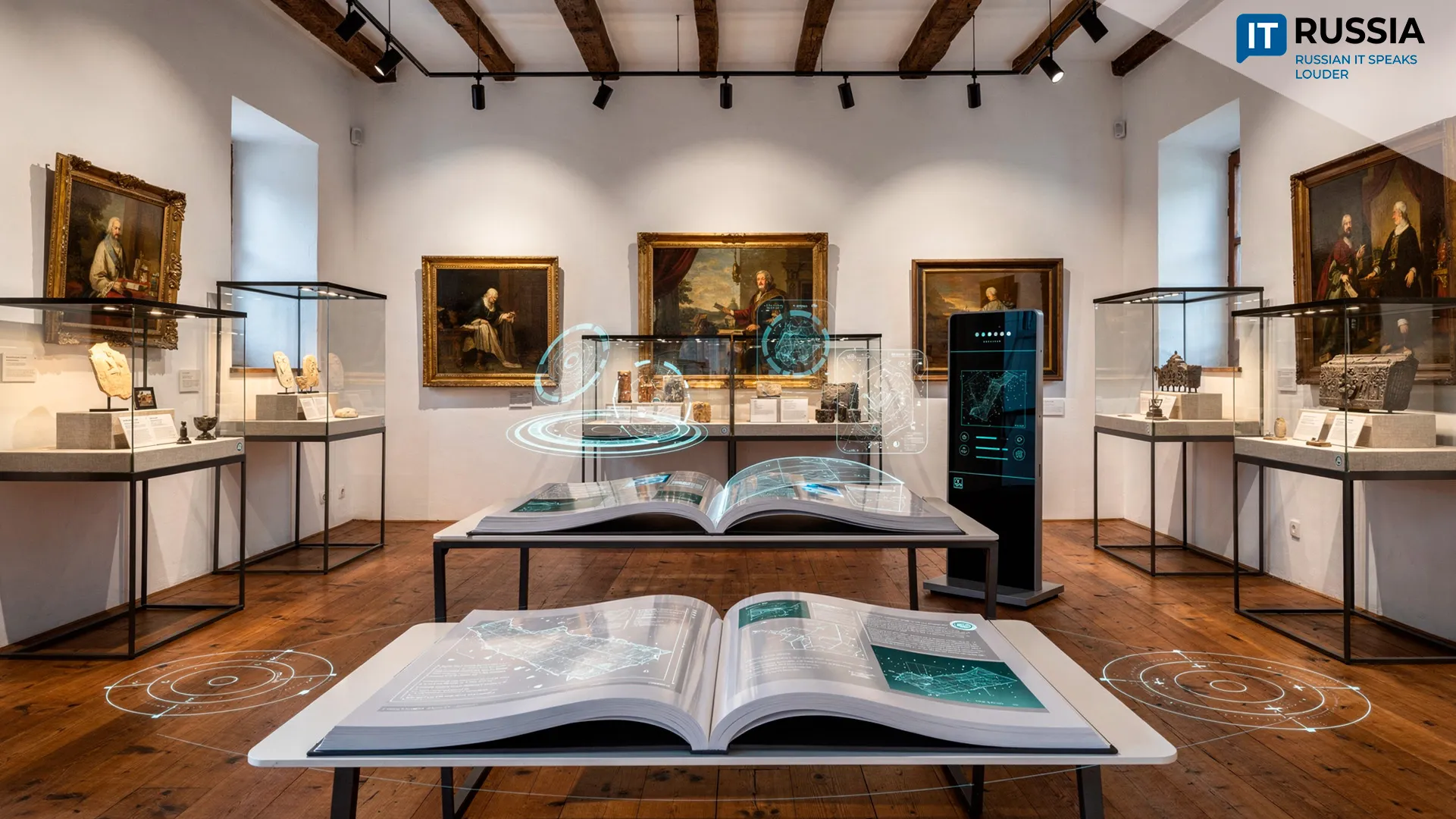
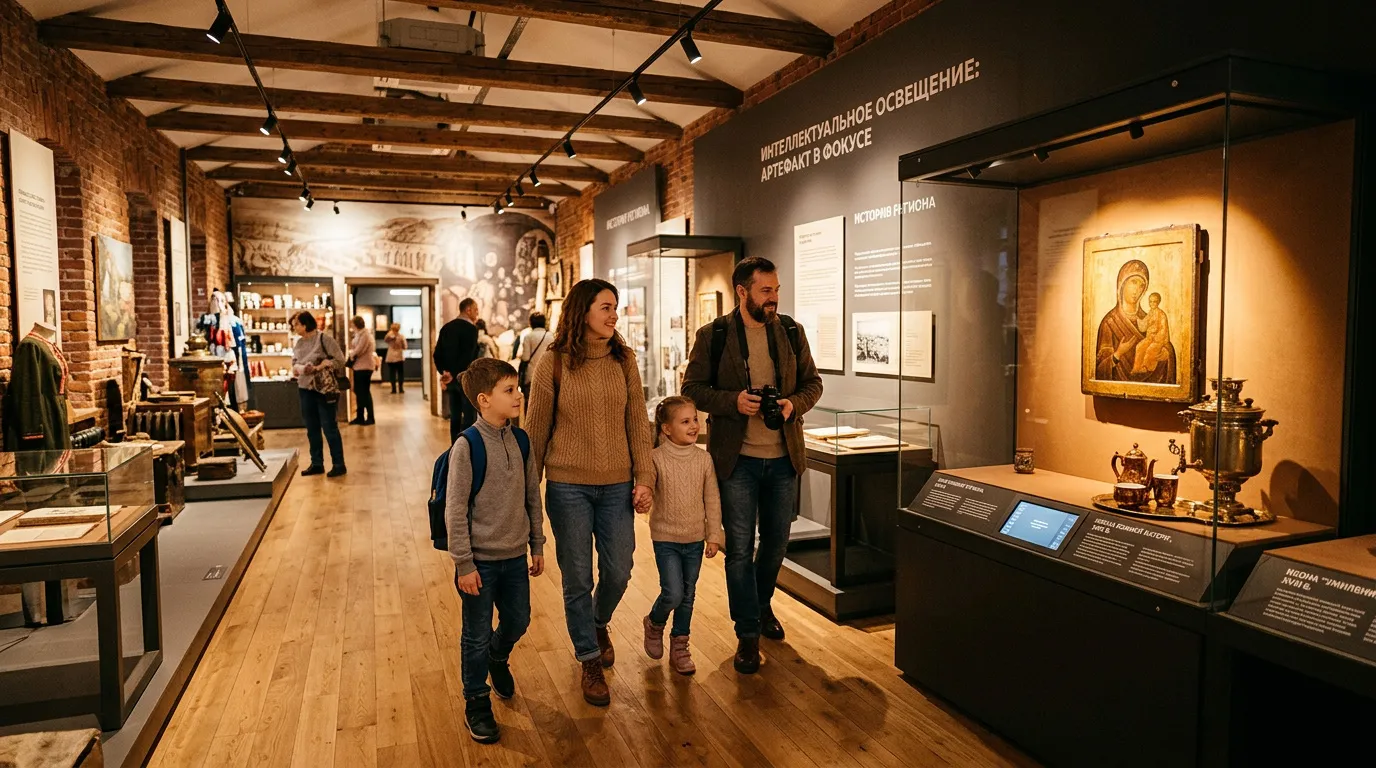
The museum has installed metal shelving and a modern catalog system for storing collections. Exhibition halls have been equipped with professional display infrastructure – including cases and podiums – along with a track lighting system and a new artwork suspension setup.
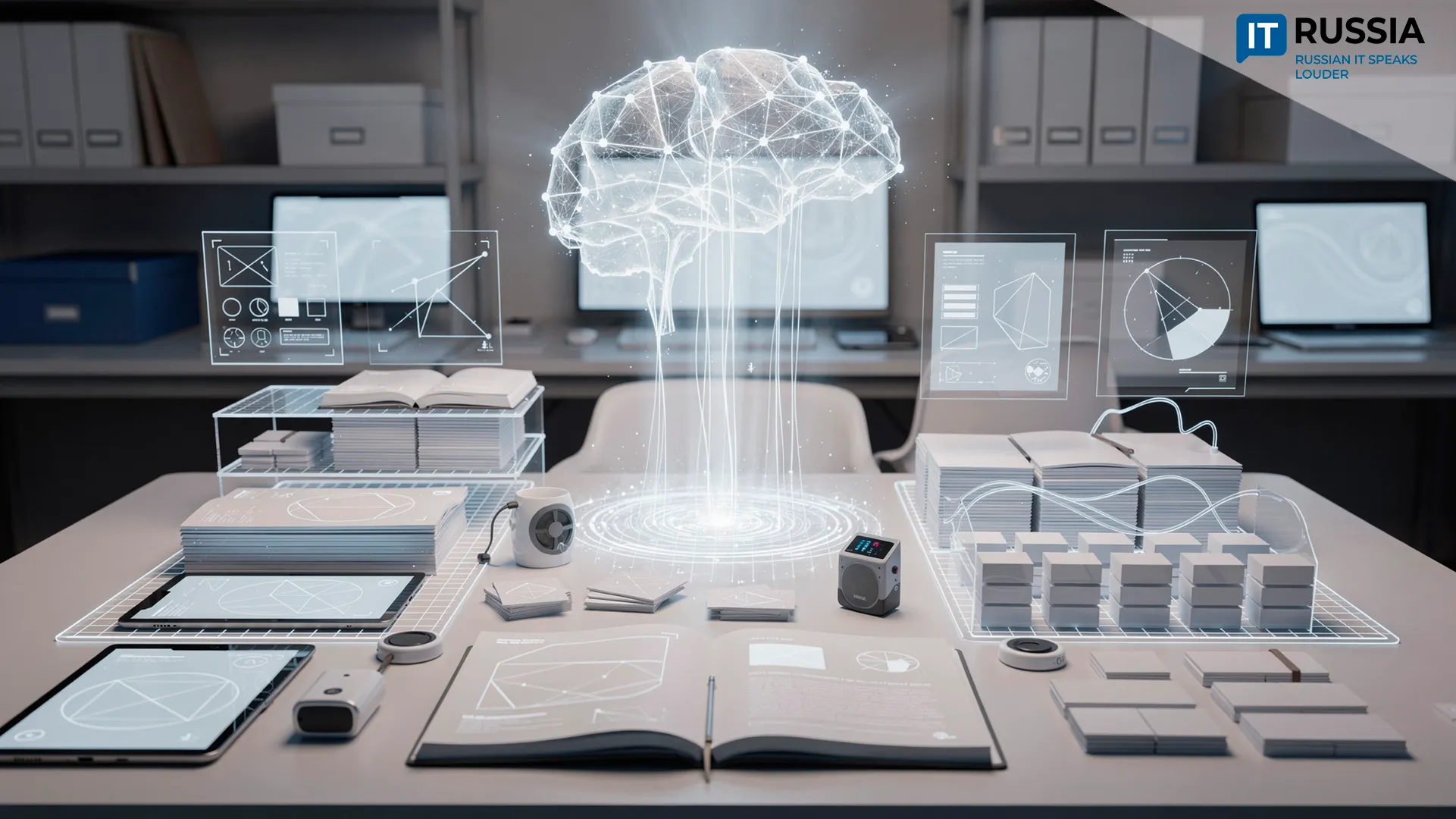
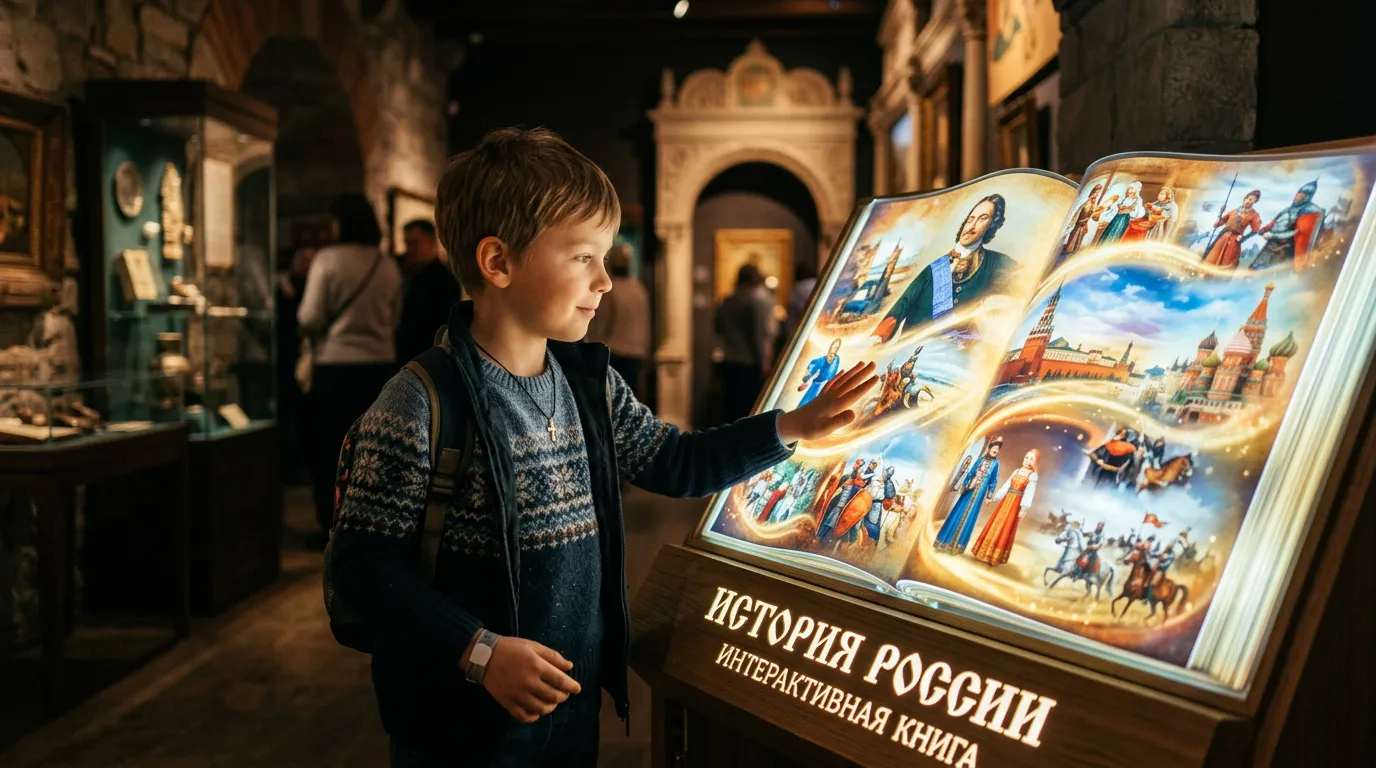
In the near future, the museum will install a modern touch panel for presentations and multimedia projects, as well as an interactive table shaped like a book for its military exhibit. The reopening after renovation is scheduled for late April 2026.
A New Kind of Dialogue
The redesign of the Parfenyev museum reflects a broader shift in how cultural institutions engage with audiences. Today, that interaction is becoming increasingly interactive, shaped by digital tools and specialized equipment.
Museums are no longer just spaces filled with display cases and labels. Instead, they offer a new kind of user experience through interactive formats and carefully designed lighting scenarios. This shift is expected to boost engagement among younger visitors and increase overall attendance. Experts believe that upgrading a flagship regional museum can also enhance tourism appeal and strengthen the cultural image of the region.
The era when digital transformation was limited to large federal museums has passed. Today, smaller regional institutions are undergoing similar changes. In the future, each museum could have its own mobile app and maintain continuous communication with visitors. That, in turn, is driving demand for multimedia equipment, museum software, interactive interfaces, navigation systems and tailored digital solutions.
A Nationwide Shift
The digital museum is becoming a new standard across Russia, extending well beyond major urban institutions. Advanced IT solutions are now used not only in contemporary art museums or newly built venues, but also in traditional museum spaces in smaller towns.
By the end of 2024, more than 760 museums in Russia had been modernized. Upgrades included not only renovated interiors but also new equipment – modern storage systems for collections, facilities for lectures and film screenings, multimedia installations and virtual reality tools. The government plans to modernize another 1,400 museums by 2030.
This kind of technological upgrade is no longer an occasional regional initiative, but part of a long-term national policy. Its effects are already visible, including growing interest in cultural projects among younger audiences.
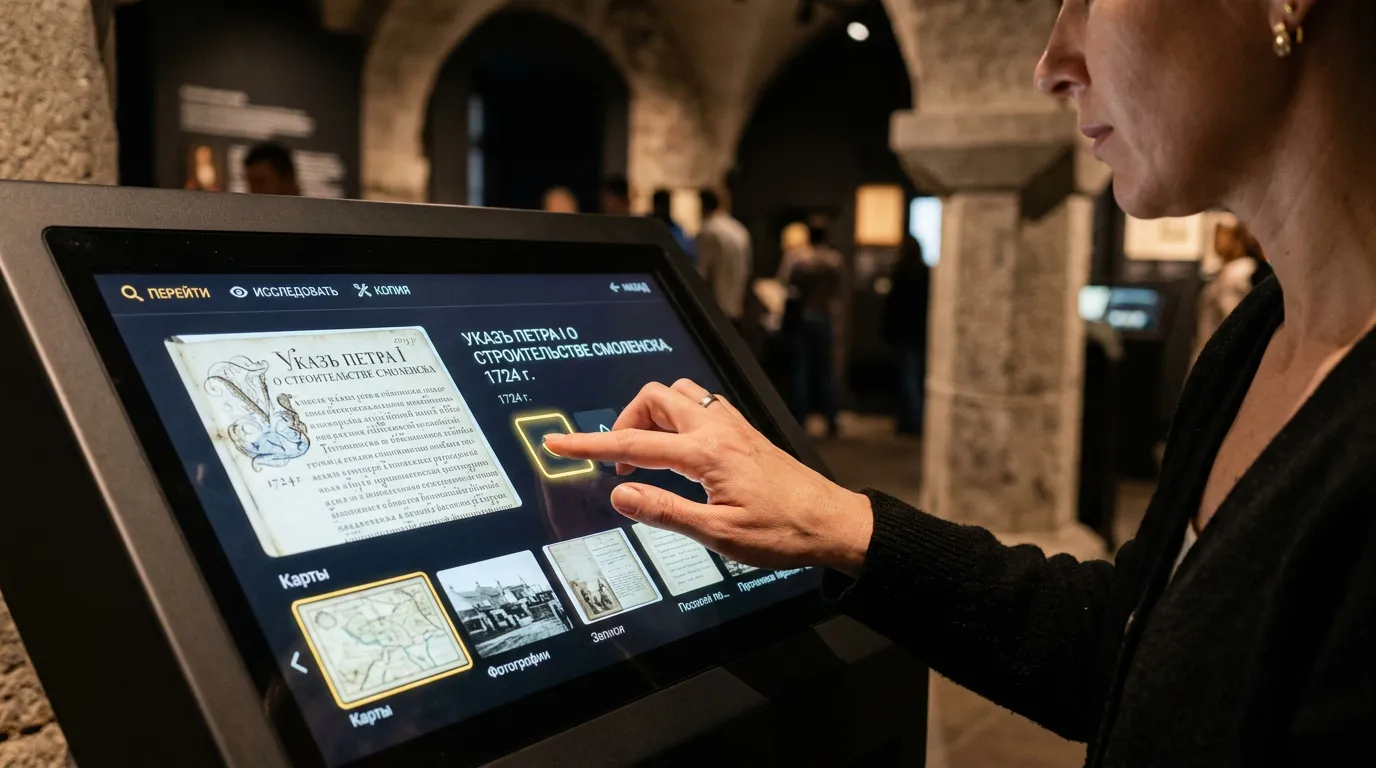
In the near future, competition between museums will extend beyond collections and exclusive exhibitions to include the quality of technological infrastructure. At the same time, Russia’s IT sector is set to benefit from sustained demand for solutions tailored to cultural institutions – from multimedia systems and touch interfaces to digital content management platforms.