Next-Generation Control Systems to Raise Efficiency in Steel Production
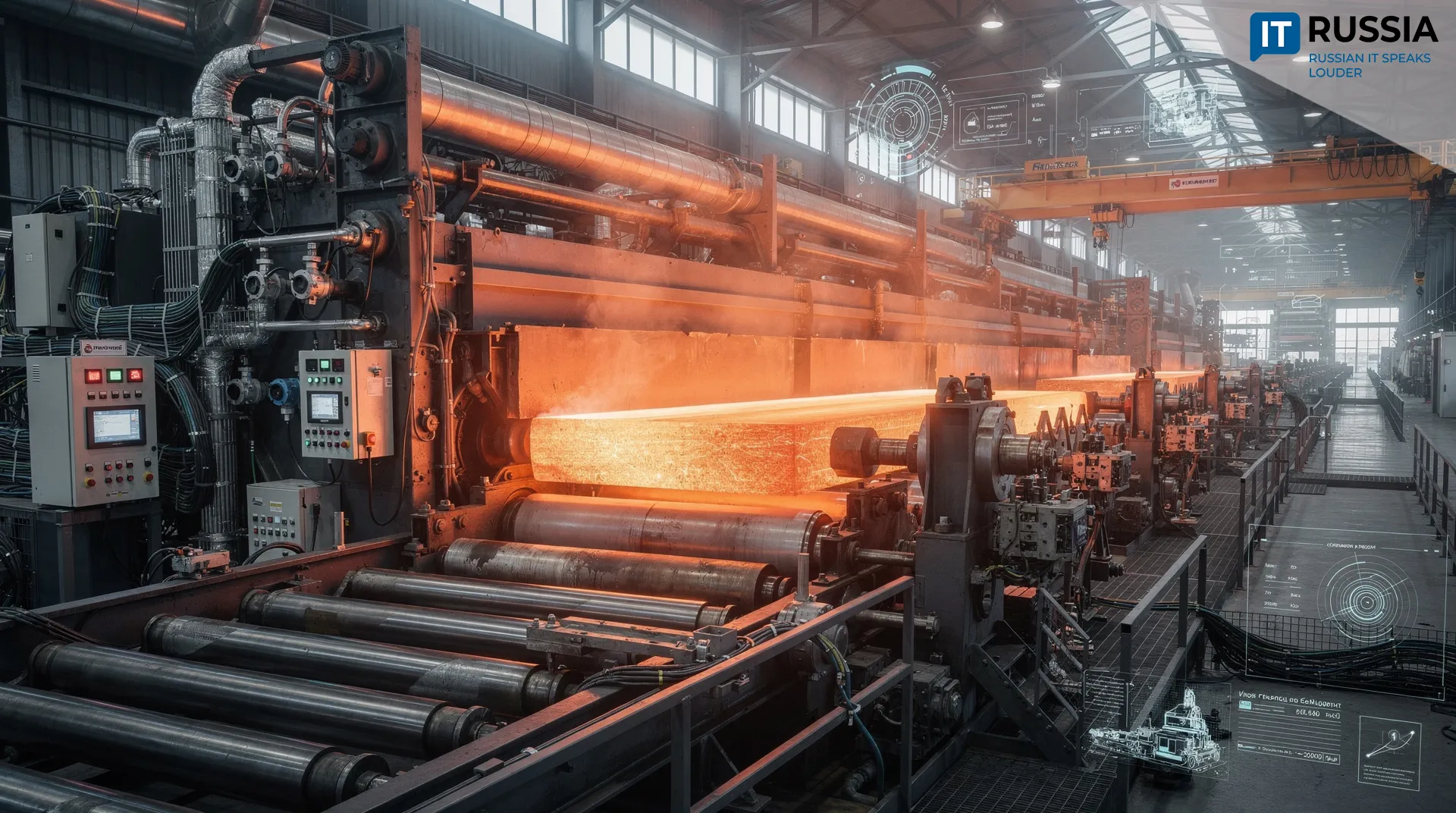
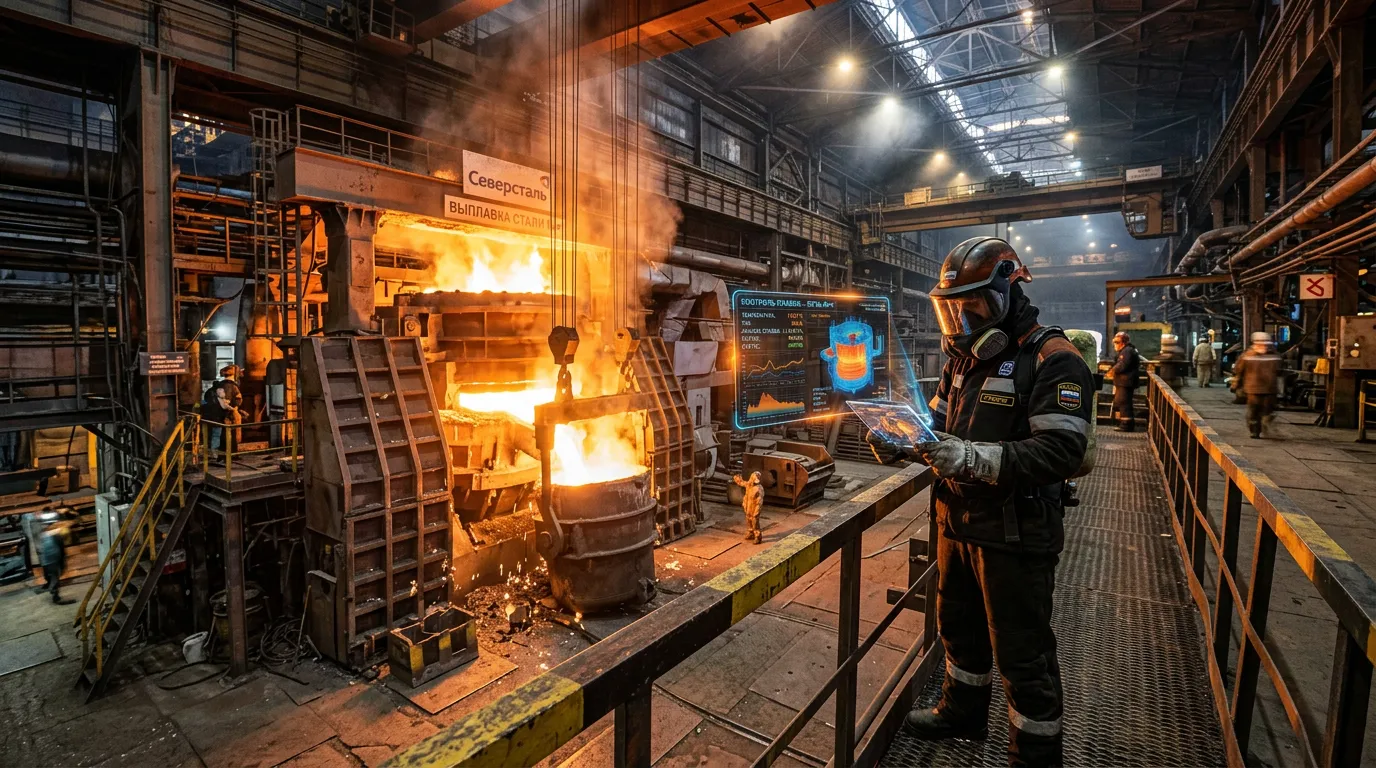
Cherepovets Metallurgical Plant, the largest asset in Severstal Russian Steel, is upgrading the control systems on the reheating furnaces at Mill 350. The plant has replaced outdated analog equipment with a modern automated control system.
Industrial Modernization and Import Substitution
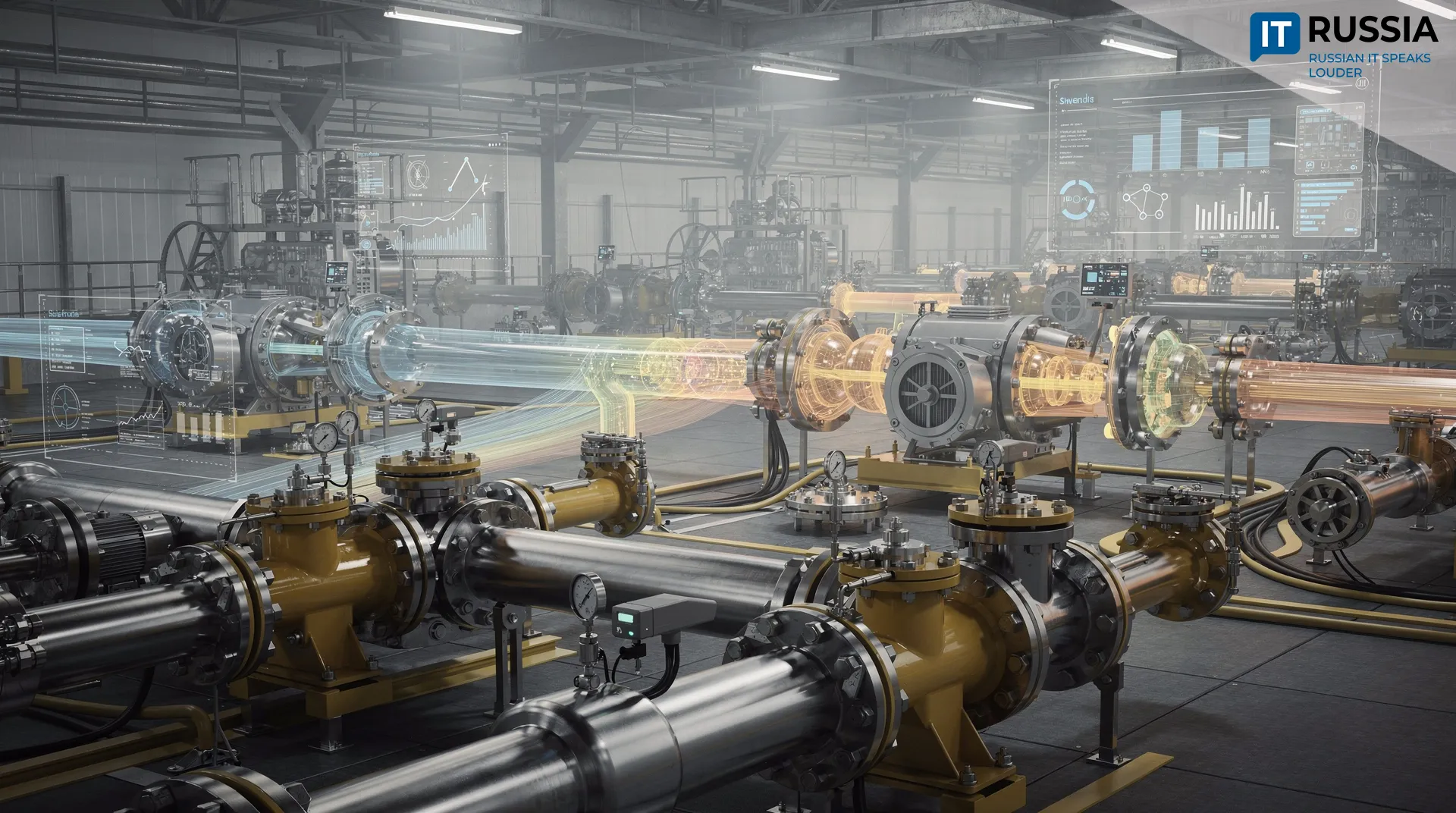
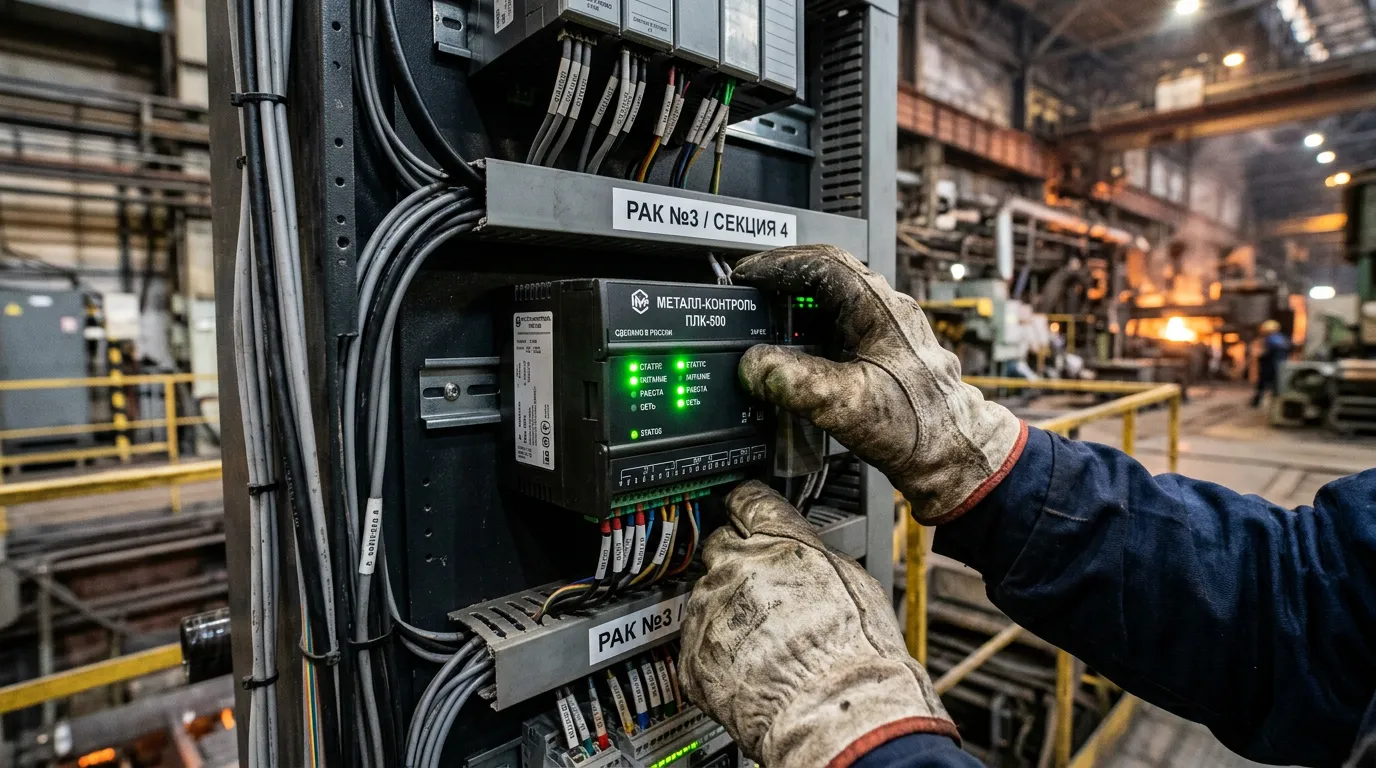
Furnace No. 2 was the first unit to be upgraded, and it has already been successfully commissioned. The control system is built on a Russian-made controller and equipped with modern digital flow, temperature, and pressure sensors that automatically maintain heating parameters in line with process charts, fully removing human error from the process. That helps ensure high-quality long-product billet output and optimal fuel combustion. The result is a substantial cut in harmful atmospheric emissions, which is critical for the region’s environment and for the day-to-day comfort of Cherepovets residents.
At the same time, Furnace No. 1 is undergoing a major overhaul and is being fitted with new electronics.
Mill 350 produces products widely used in construction, including rebar, angle, channel, hex bar, and round steel. The latter is also used as feedstock for further rolling at ball-rolling mills in diameters ranging from 25 to 100 mm. In 2025, the mill shipped about 500,000 tons of product.
Russian Industry Moves Toward Smart Systems
Against a backdrop of intense competition and broader access to new technologies such as the Industrial Internet of Things, Russia is seeing growing demand for higher production efficiency at large industrial sites, a shift that is expected to spur investment in modernization of industrial automated process control systems.
Russia’s market for industrial automated process control systems is in a period of accelerated growth. By the end of 2024, it had exceeded 120 billion rubles ($1.5 billion), and analysts expect it to expand to 218.3 billion rubles ($2.7 billion) by 2027, with average annual growth of 27%. The main forces driving the market are the scheduled replacement of aging equipment in 2027 – 2030, a push for economically efficient import substitution, and migration to Linux-based platforms.
Many of Russia’s key IT players are developing technology roadmaps centered on industrial automated process control systems. The focus includes infrastructure virtualization, specialized database management systems, real-time operating systems, including the Russian MAKS platform, and embedded AI. With current penetration still at up to 5%, real-time operating systems provide near-instant response from automation, while AI-based firmware is gradually finding a role in equipment control.
Project delivery models are changing as well. A key trend is the rise of integrated engineering and the creation of sector-specific EPC companies that combine deep production expertise with digital automation capabilities for the systematic retooling of plants.
A Digital Breakthrough in Heavy Industry
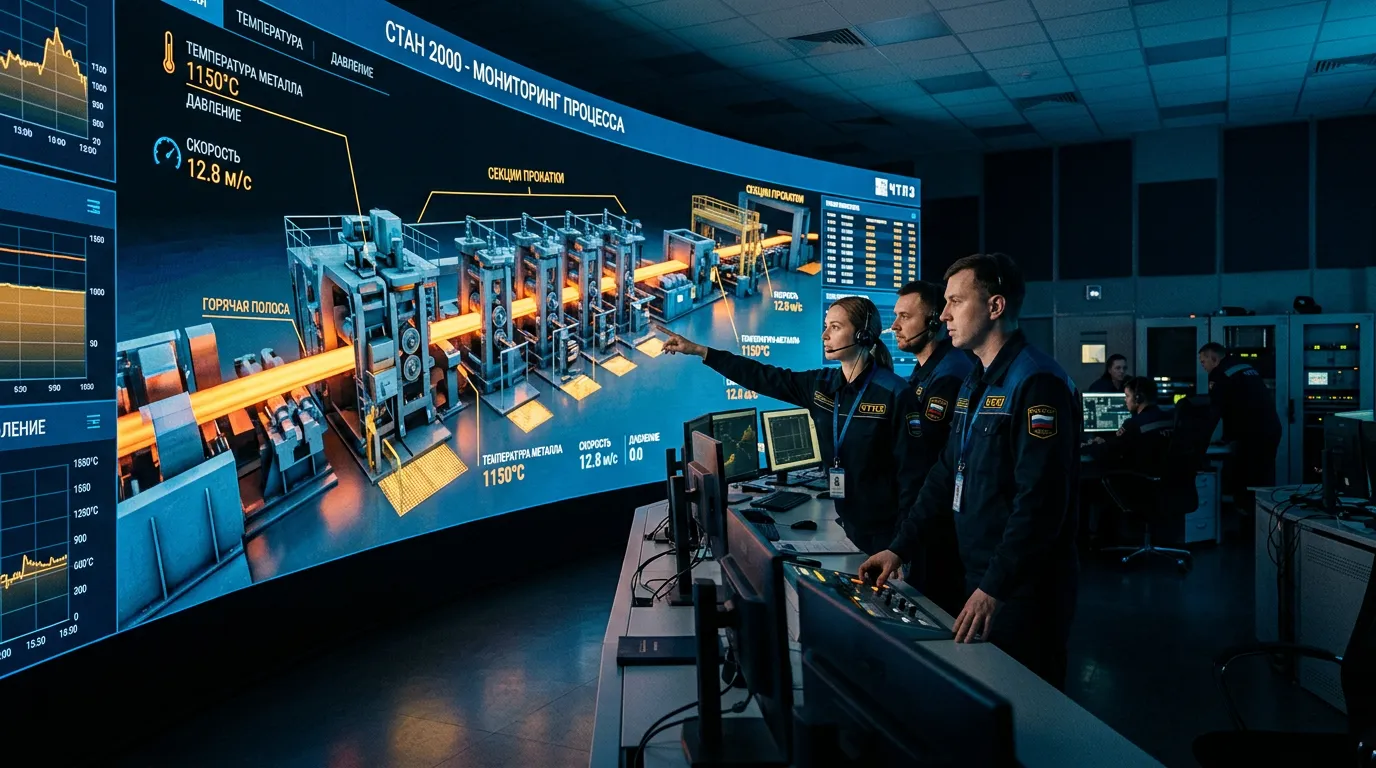
Today, steelmakers are prioritizing solutions that can quickly improve economic performance, including production digitalization, full baseline automation, and AI-based predictive analytics. Within that trend, Severstal plans to invest 13 billion rubles ($163 million) in digital projects. The company remains focused on developing import-independent sector-specific systems and on jointly developing industrial automated process control systems and digital solutions to optimize production.
Also at the starting line are 11 industrial robotics projects that the company plans to deploy at its facilities by the end of 2026. It is continuing to roll out machine-learning and computer-vision solutions, while also building digital twins. The company is implementing more than 60 AI-based solutions to increase unit productivity and finished-product quality, while also lowering the environmental burden.
Digitalization is already generating a significant economic payoff. For example, at CherMK’s Mill 2000 hot-strip mill, the company reduced the average pause between slabs during rolling, creating an effect of 180 million rubles ($2.3 million). The rollout of an expert blast-furnace system, which calculates and selects optimal process parameters for preparing and producing iron ore feedstock, delivered 97.6 million rubles ($1.2 million).
Trubnaya Metallurgicheskaya Kompaniya, or TMK, is also actively deploying digital technologies. The company uses machine learning, computer vision, large language models, RPA software robots, automatic speech recognition, and optical character recognition systems. Computer vision is used throughout the production cycle, from raw-material intake to final inspection and shipment of finished products.
The Technology Stack of the Industry of the Future
Russia ranks fifth in the world in steel production, with output of 76 million tons, so digitalization in steelmaking is critical to the sector’s competitiveness. The rollout of Russian automated control systems is an important signal for the country’s IT industry. In the next few years, the focus is expected to shift from straightforward import replacement to smart systems, including digital twins, machine learning, and intelligent line control. The successful performance of digital systems in live mill environments shows that Russian IT solutions have reached industrial maturity and is laying a solid foundation for large-scale automation across the country’s key sectors, with clear benefits for manufacturers, workers, local communities, and end users who depend on more reliable and cost-efficient steel products.