Rosmorport Builds a Digital Backbone for Maritime Logistics
As global transport systems undergo rapid digitalization, Russia is taking a strategic step toward technological sovereignty in maritime logistics, with Rosmorport planning to deploy a unified information system to track vessel calls across the country’s ports.
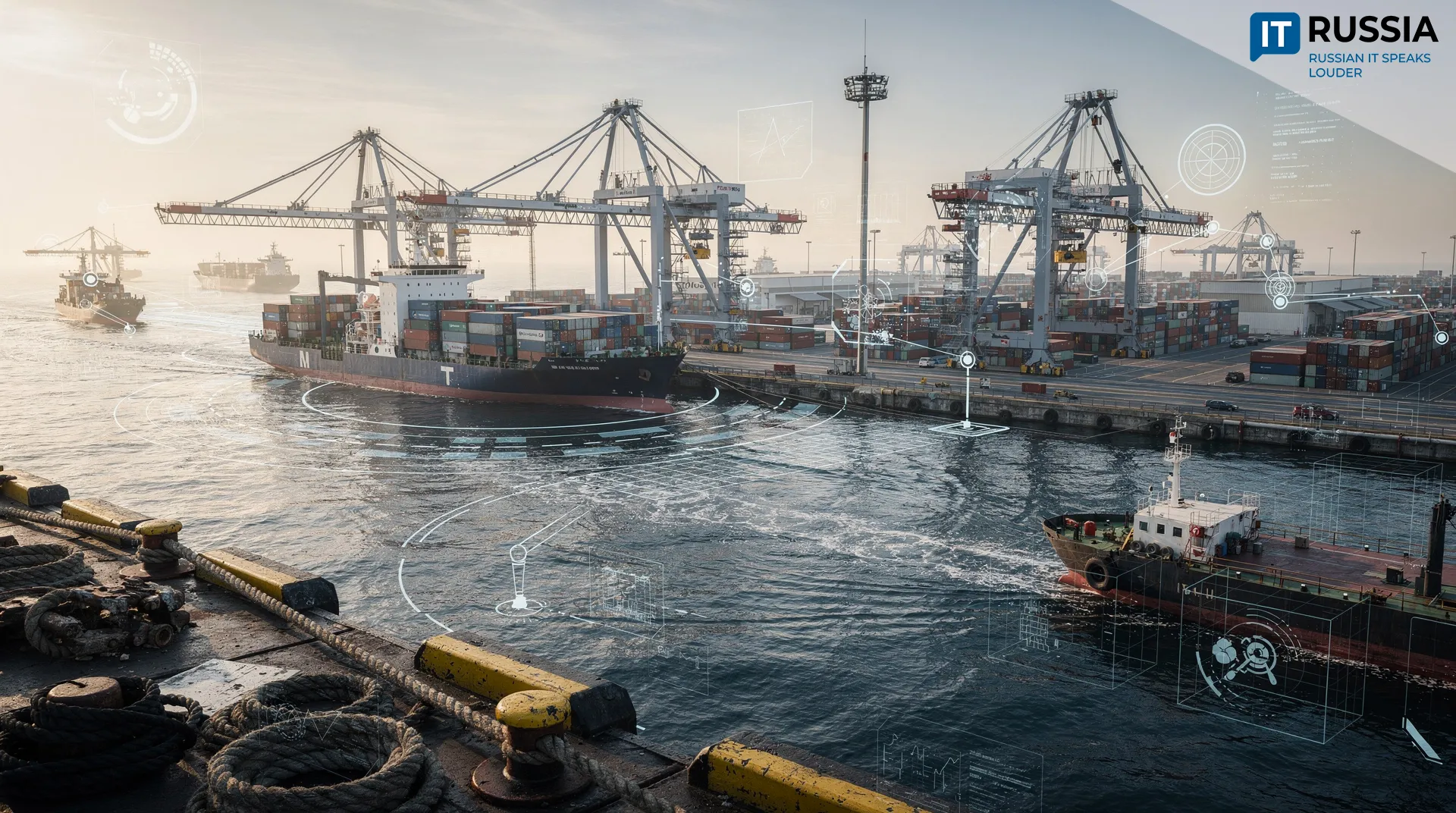
Rosmorport has announced an initiative to develop a unified information system for tracking vessel calls at Russian ports, built on the domestic software platform RMP-Traffic. The project is scheduled for completion within 24 months.
The initiative consolidates fragmented data sources, standardizes data structures, and expands analytics on vessel traffic and cargo flows. Rather than serving a single port, the system establishes the foundation for a nationwide digital logistics framework.
The project delivers value across several dimensions. For the transport sector, it streamlines vessel call procedures, improves transparency in cargo movement, and strengthens operational oversight. For the IT sector, it advances import-independent industry software for critical infrastructure and supports a shift from isolated automation to integrated digital platforms. For the broader economy and end users, it enhances supply chain reliability, optimizes logistics operations, and can reduce costs by lowering administrative overhead.
From Domestic Deployment to Global Potential
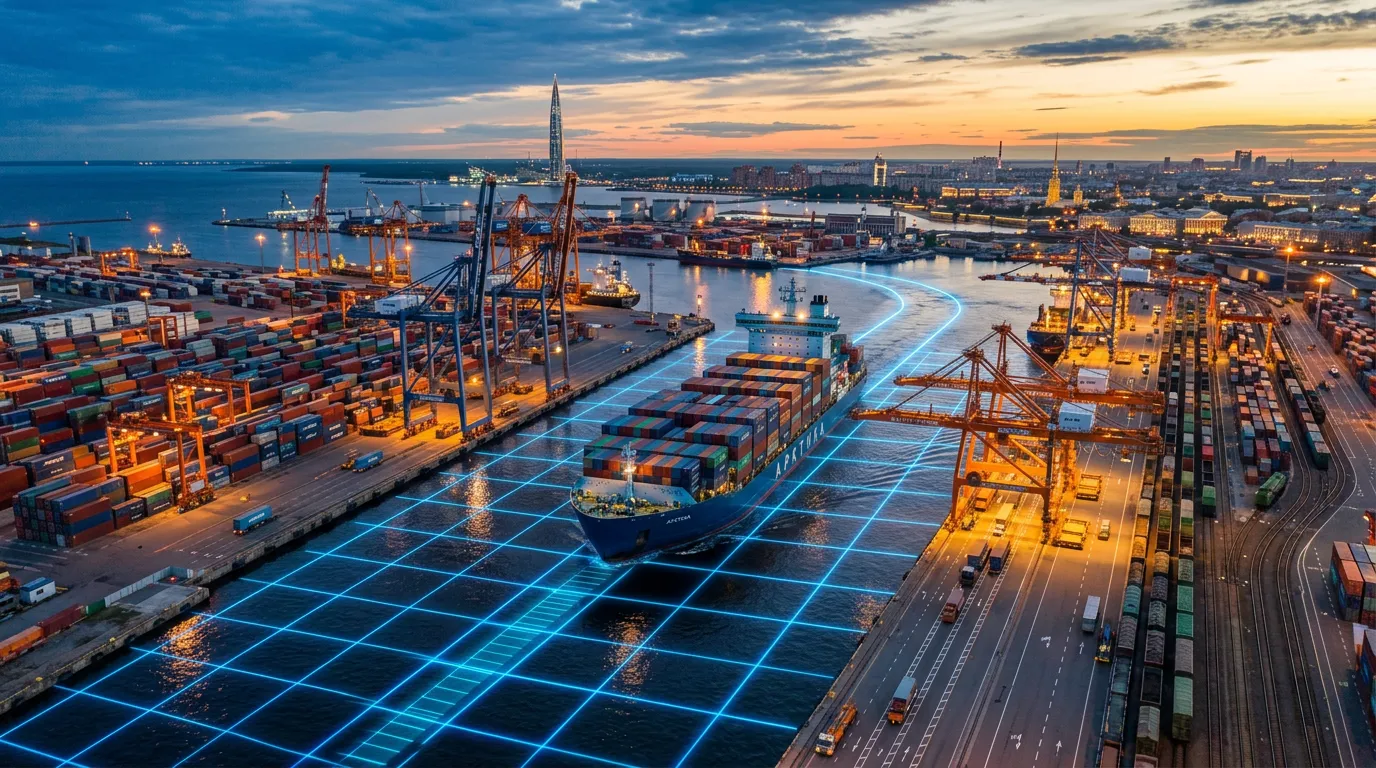
The system integrates into Rosmorport’s existing digital ecosystem, including a single-window service portal, the ISOLD pilotage information system, and domestically developed vessel traffic management solutions.
Within Russia, expected outcomes include standardized vessel call data across all ports, shorter processing times through structured data exchange, improved analytics for decision-making, and stronger technological independence in transport IT infrastructure.
From an international perspective, the platform could appeal to countries with developing port infrastructure as a localizable alternative to established Western systems.
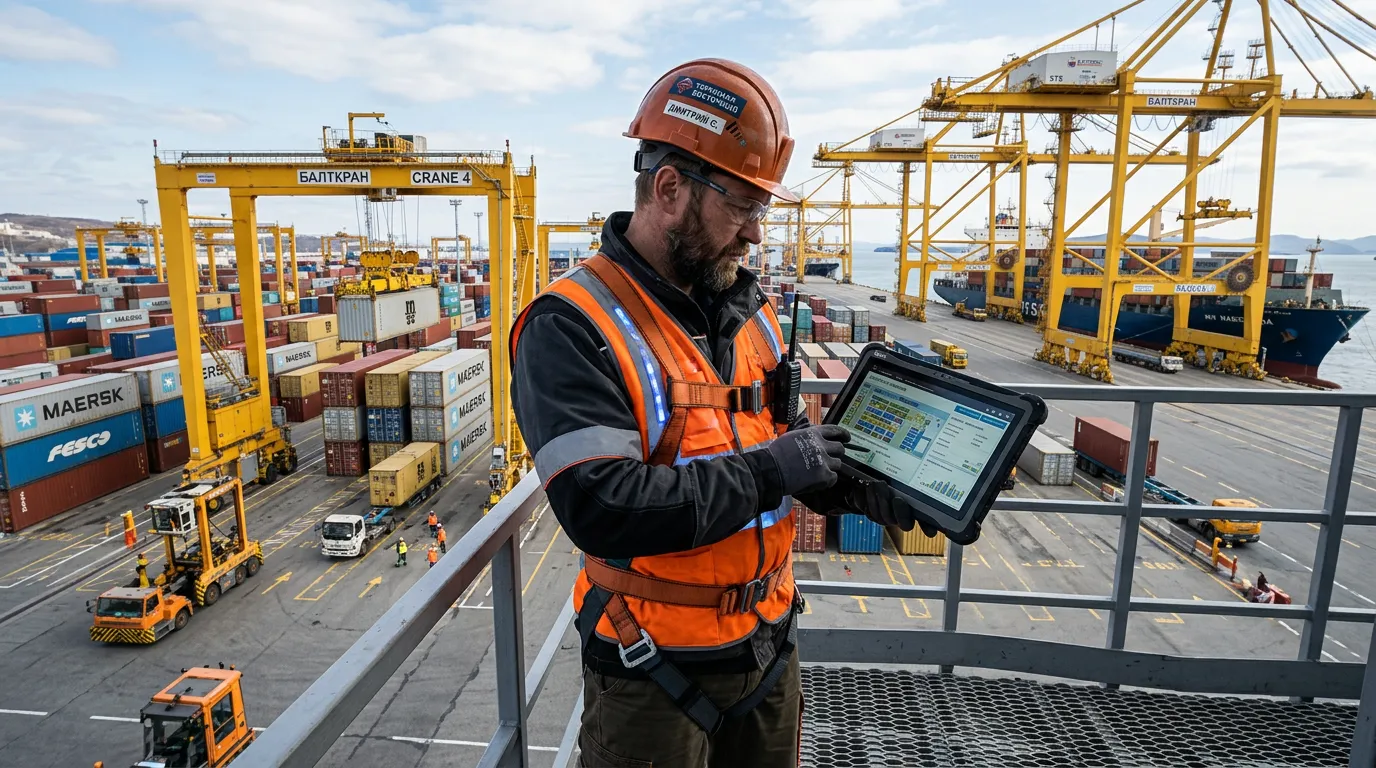
Key Milestones in Recent Years
Several milestones have shaped the project’s development. In 2024 – 2025, Rosmorport launched and scaled a single-window service portal. Between 2023 and 2025, the ISOLD system was developed and deployed in the ports of Saint Petersburg, Astrakhan, and Olya. In 2025, the organization began replacing foreign software in vessel traffic management systems, starting with a pilot in Sochi and expanding to other branches. From 2024 to 2026, government-led digitalization in the transport sector accelerated, including development of the GosLog platform and broader modernization of the transport ecosystem.
At the global level, the project aligns with industry trends, as international organizations shift toward integrated digital systems, increasing opportunities for interoperability and data exchange.
Digital Sovereignty and Platform Competition
Rosmorport’s initiative marks a significant step in building a national digital backbone for maritime logistics. The system functions not as a standalone tool but as part of a broader ecosystem that connects user services, industry software, analytics, and vessel traffic infrastructure.
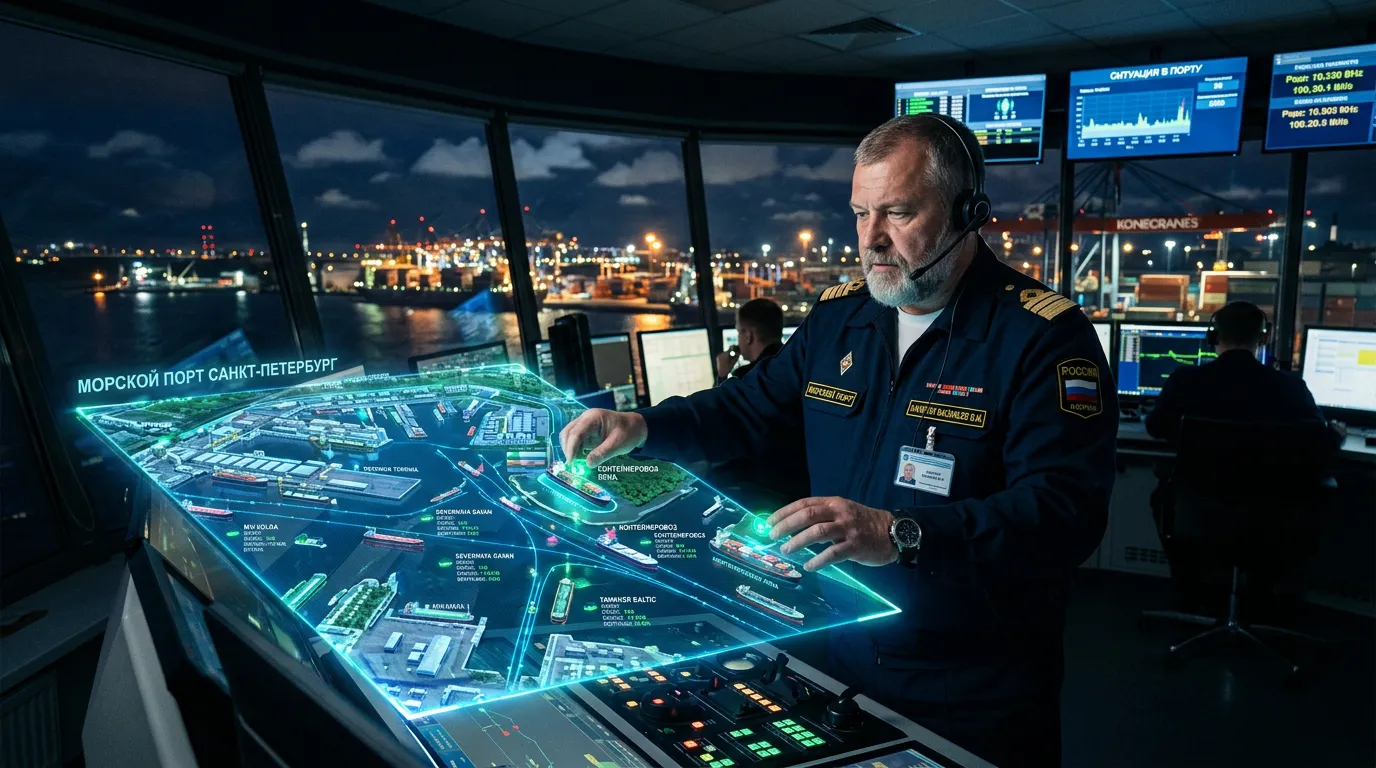
The likely development path is phased. Initially, the system addresses core tasks such as vessel call tracking and data standardization. Over the medium term, it evolves into an integration layer linking ports, services, and transport platforms. In the longer term, it is expected to become part of a comprehensive national maritime single-window system or a fully integrated port community ecosystem.
Russia is steadily building a domestic digital architecture for maritime logistics based on locally developed technologies. The project strengthens technological sovereignty in a critical sector and creates a foundation for Russian IT solutions to compete in the global port digitalization market. Over time, the unified vessel call system is expected to move beyond process optimization and become a key component of global digital logistics, demonstrating the capabilities of Russian technology in large-scale, real-world deployment.