Calm Under Pressure: Russian Scientists Develop Skin Sensor to Measure Stress
Researchers in Russia have developed a wearable sensor that measures stress levels through sweat, using an ultra-thin semiconductor layer to deliver precision beyond consumer-grade devices while remaining low-cost and scalable for mass adoption.
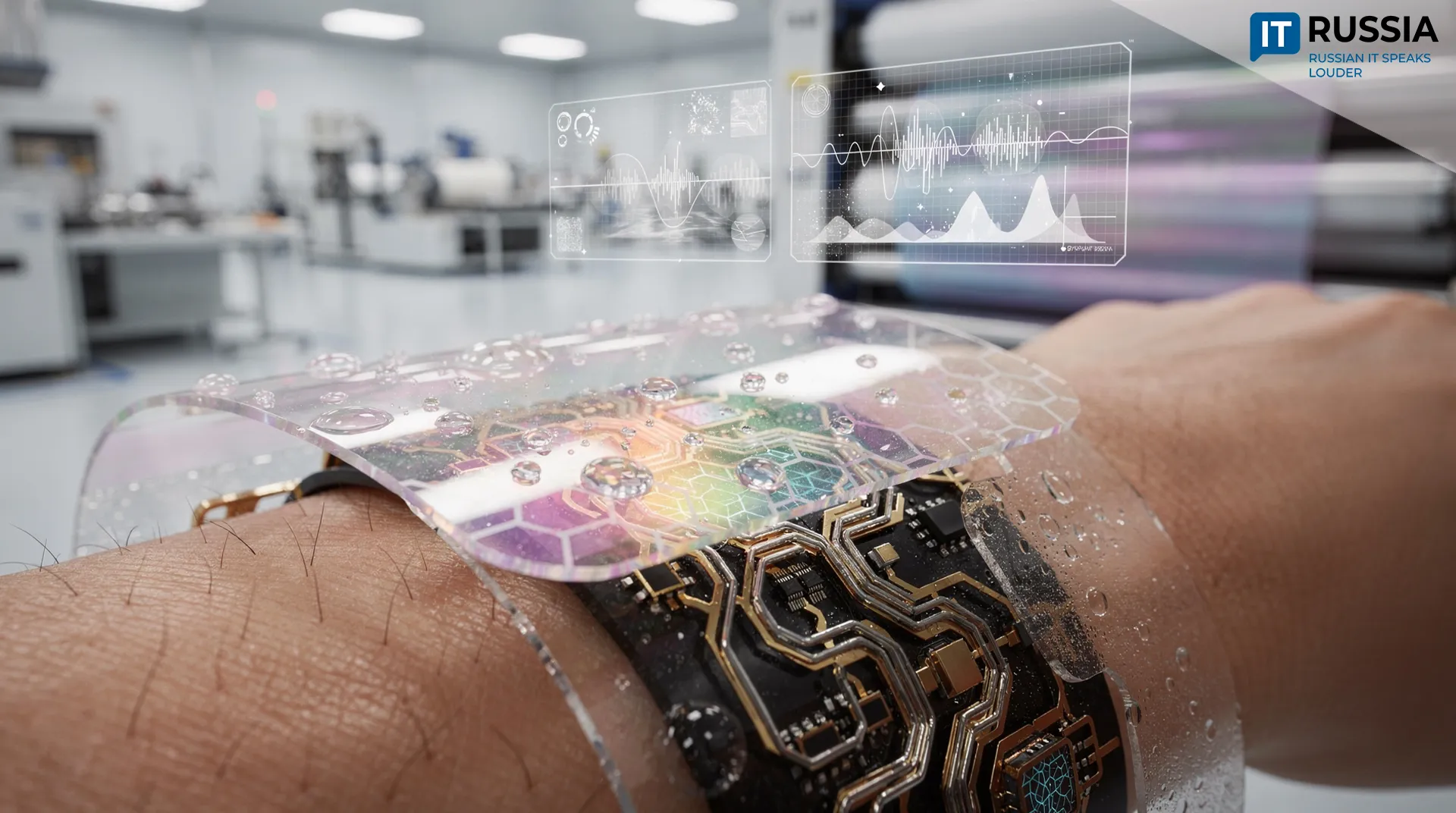
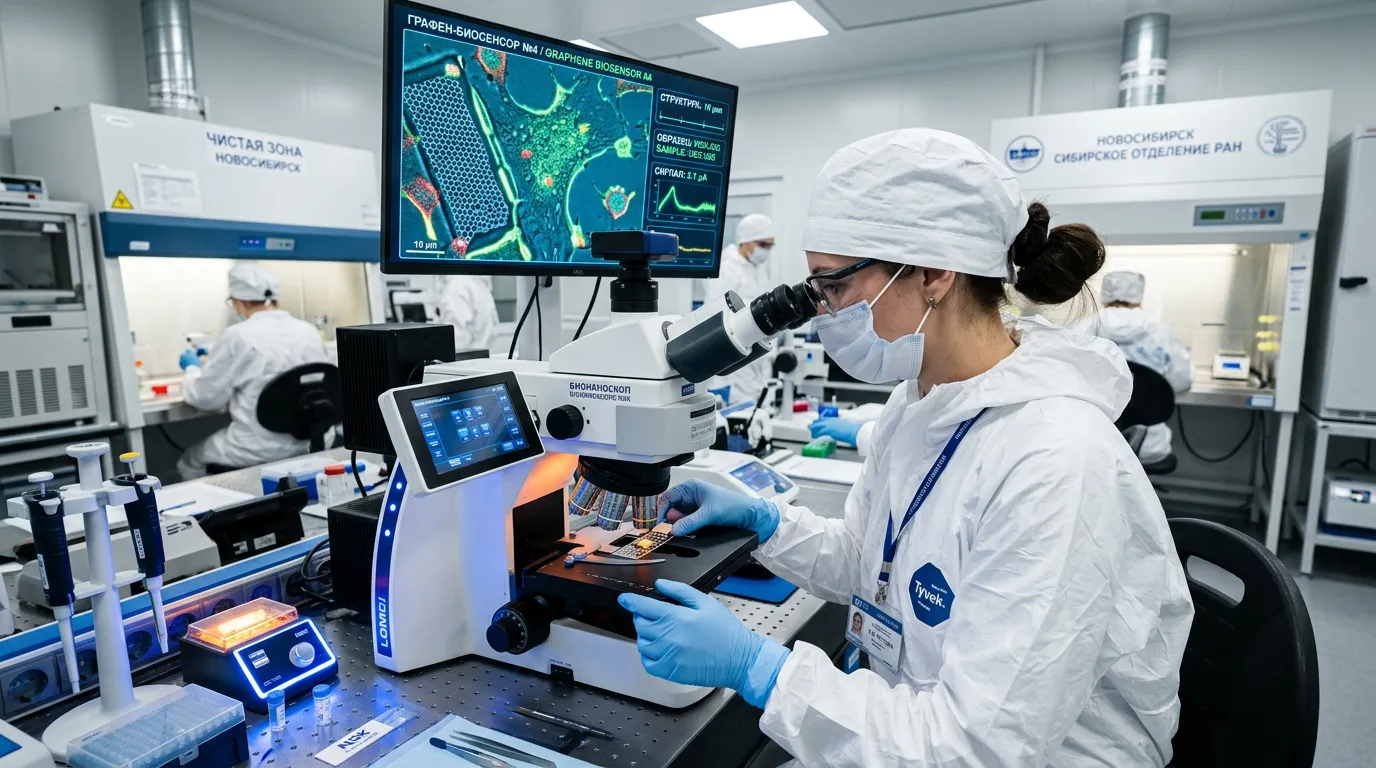
Scientists at the Institute of Semiconductor Physics SB RAS in Novosibirsk have developed a device that measures stress levels by analyzing sweat. The sensor is worn on the arm and detects cortisol, the primary stress hormone. The technology has been patented, a working prototype is available, and the team is preparing for commercial production.
A key engineering breakthrough is the thickness of the sensing layer, which measures just 20 nanometers. Thinner layers respond more precisely to changes in sweat chemistry. Conventional sensors either fail to detect low cortisol concentrations or rely on antibodies and complex biochemical reactions, making them expensive and impractical for continuous use.
The research team took a different approach. The sensing layer is made from a composite of graphene, an organic polymer, and ethylene glycol. The latter reduces electrical resistance, improving sensitivity. The layer can be applied using 2D printing, making production straightforward and cost-effective. The flexible substrate allows the device to be embedded in a wristband, integrated into a watch strap, or applied directly to the skin like a patch.
How the Sensor Works
The human body produces sweat continuously, even when it is not visible. Sweat consists of approximately 98% water and 2% dissolved compounds, including salts, glucose, adrenaline, and cortisol. When sweat interacts with the sensing layer, the material’s electrical conductivity changes. The sensor captures these changes and converts them into quantitative cortisol readings. Higher stress levels correspond to higher cortisol concentration and increased conductivity.
Until now, measuring cortisol has required either laboratory testing, such as blood or saliva analysis, or indirect methods like heart rate monitoring and skin conductance measurement. Laboratory tests provide accuracy but are not suitable for continuous monitoring. Indirect methods are more accessible but less reliable because they are influenced by temperature, physical activity, and stimulants such as caffeine. The new sensor offers a more direct and consistent assessment of stress levels.
Why It Matters for Patients and Providers
Chronic stress remains a major public health concern, contributing to hypertension, weakened immunity, anxiety disorders, and depression over time. A key challenge is that individuals often normalize elevated stress levels, living with persistently high cortisol without recognizing it. Symptoms such as poor sleep, irritability, and fatigue become part of daily life.
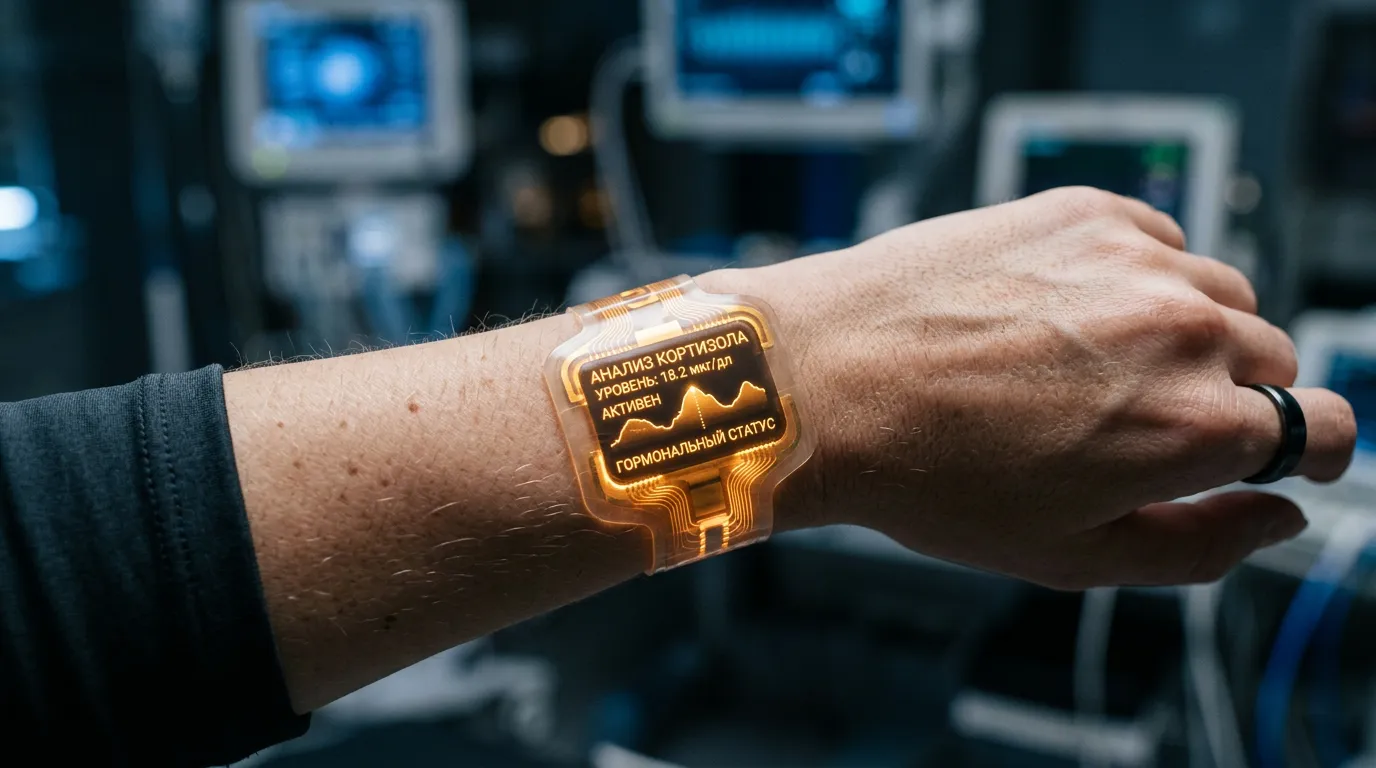
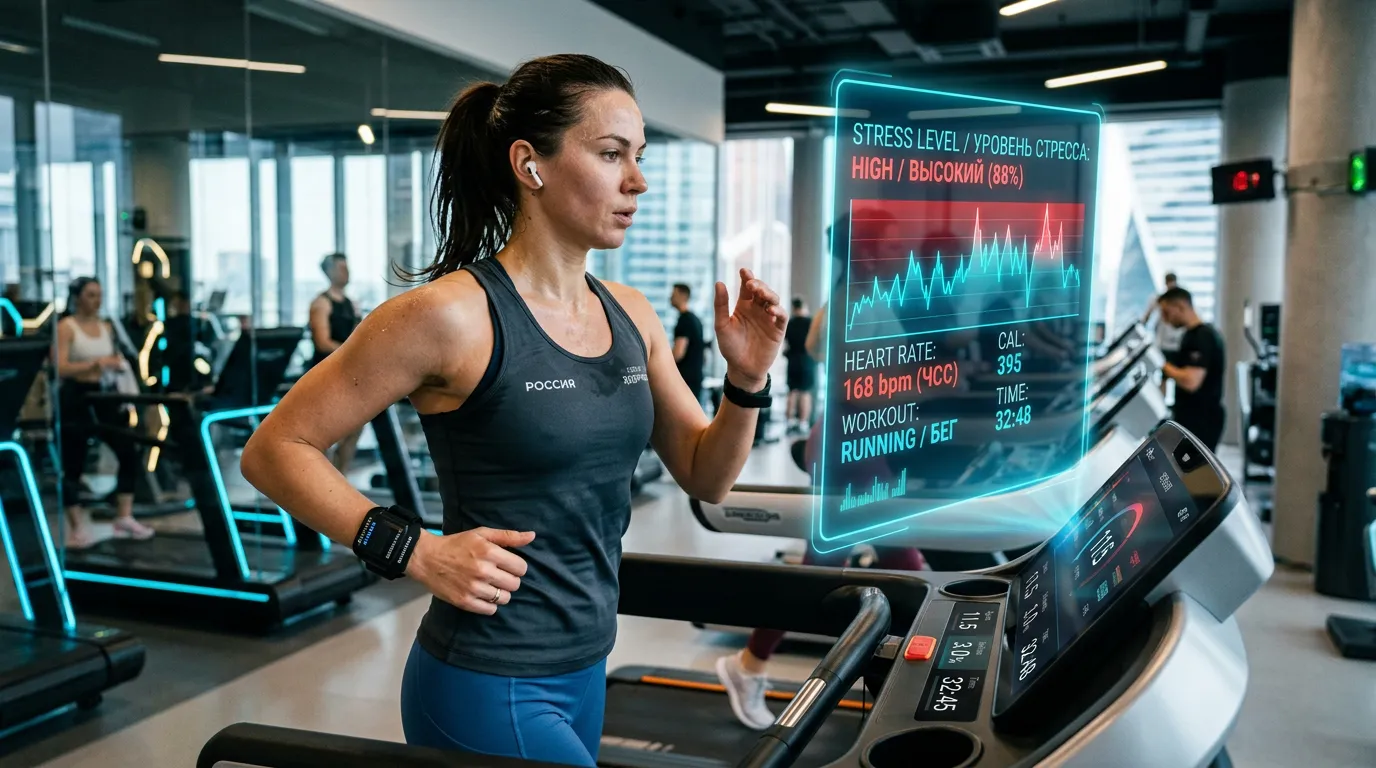
Access to objective data changes that dynamic. A wearable device can show real-time cortisol spikes, allowing users to link stress responses to specific triggers, such as workplace pressure, traffic, or news exposure. This enables informed decisions, whether to pause, step outside, hydrate, or delay critical decisions. The device becomes a practical tool for self-management.
For clinicians, continuous cortisol data provides actionable insight. A patient with an anxiety disorder can wear the sensor over several days, generating a detailed log of stress patterns, triggers, and responses to treatment.
For athletes and coaches, the sensor helps prevent overtraining. Elevated cortisol levels during physical exertion indicate that the body is under excessive strain, signaling the need to adjust training intensity.
For parents of adolescents, the sensor offers an objective indicator of stress levels. Teenagers may not always communicate their emotional state, but cortisol readings provide measurable insight into their condition.
Market Position and Competitive Landscape
The global wearable device market is saturated with products that track heart rate, steps, and blood oxygen levels. However, the niche of direct electrochemical sweat analysis for mental health monitoring remains largely underdeveloped. Some Western companies are experimenting with cortisol sensors, but their solutions are often expensive due to antibody use, insufficiently sensitive, or complex to manufacture.
The Russian development introduces a different category of solution. It eliminates the need for antibodies and disposable cartridges. Instead, the sensing layer directly changes conductivity in response to cortisol. This approach reduces cost, improves reliability, and simplifies mass production. If the technology achieves stable large-scale manufacturing, it could compete with and potentially displace more complex and costly alternatives in the global market.