Russia Develops Digital Assistant for Top Executives
Russian consulting company Ustoichivye Biznes Resheniya has unveiled the LEON AI assistant. It helps users make sense of different types of data and then use the results of that analysis to make specific management decisions.
Experts predict that using LEON will significantly reduce the amount of time executives and employees spend preparing documents, analyzing information and handling administrative tasks.
Focused on More Efficient Business Management
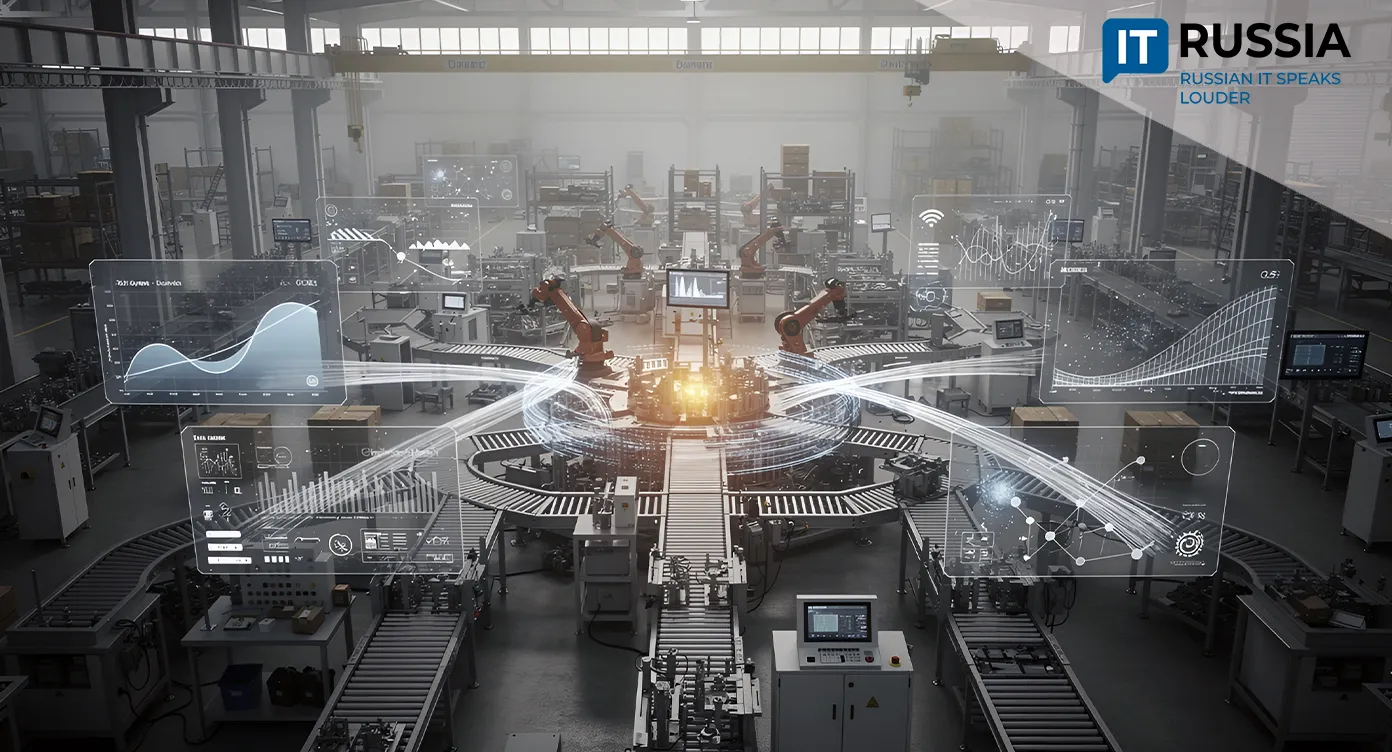
Why was LEON devised? The answer is simple: as digital technologies advance, many companies still do not know how to use AI in ways that generate a financial return. AI is often deployed to solve individual tasks: workflows become simpler and more transparent, but the economic impact is not always clear. At the same time, companies today generate huge volumes of data, including metrics from ERP and MES systems, signals from equipment sensors, and information on production output, downtime and product quality. All of this gets packaged into dozens or even hundreds of reports. As a result, a company executive sees not a complete picture but a mass of disconnected information. Drawing on 20 years of consulting experience, the team at Ustoichivye Biznes Resheniya decided to make business management more transparent and efficient with LEON.
Four Layers at the Core
According to representatives of the developer, LEON is a digital assistant for executives responsible for operations, bringing together best practices, documents, employee expertise and data from information systems. It collects and analyzes facts and then provides recommendations. The final decision, however, remains with a human.
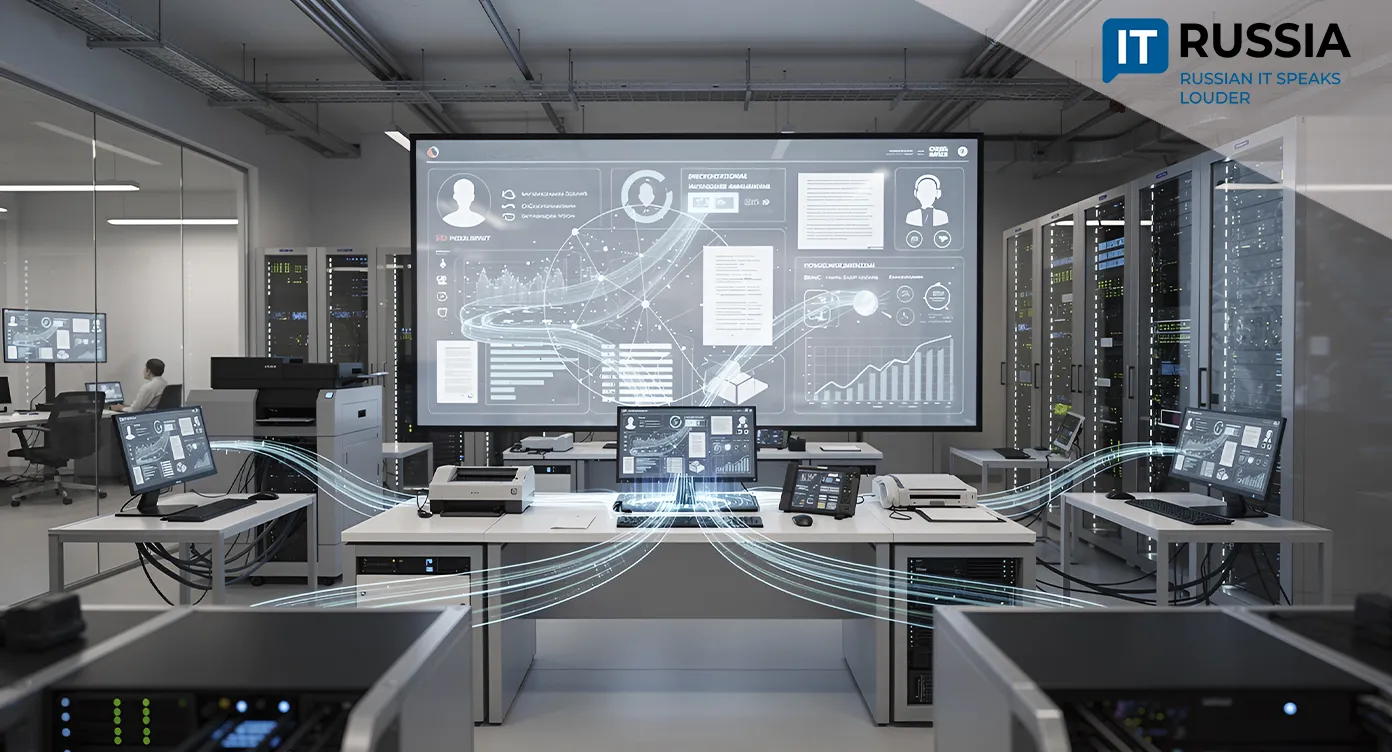
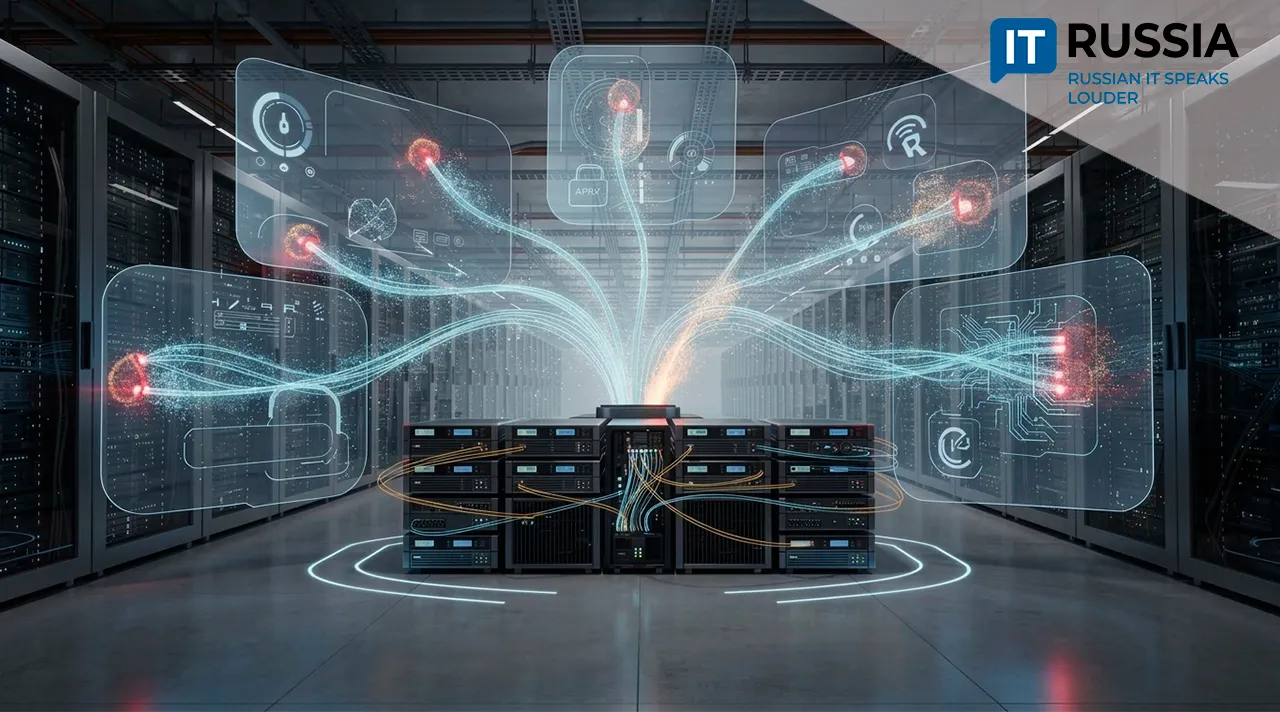
The virtual assistant is built as a multilayer system consisting of a data layer, an enterprise methodology layer, a calculation layer and LEON services, including meetings, analysis, root-cause searches, decisions, minutes, chat and reports.
LEON works through the entire management cycle by answering three key questions. The first is, “What happened?” The company executive receives data from the virtual assistant on production-plan performance, overall equipment effectiveness, major losses and other metrics. The second key question is, “Why did it happen?” LEON flags all deviations and gathers evidence based on facts, figures and supporting information. The AI assistant uses Shewhart control charts, with control limits calculated from process data, as well as correlation analysis, explanations from company employees, event history and the corporate cause classifier. At the same time, it presents only a working hypothesis rather than declaring the cause of an incident definitively. The third question LEON answers is, “What should we do about it?” The virtual assistant suggests possible actions and compares them across several metrics, including cost, timing, risks and expected effects.

Cuts Reporting Time, Boosts Efficiency
Each decision is assigned an owner and a deadline. LEON is specifically focused on problems that can be resolved in ways that deliver a real financial benefit. According to the developers, deploying LEON can reduce downtime by 30% by eliminating recurring causes, increase production efficiency by 15% through coordination of constraints, cut reporting-preparation time by 70%, and reduce response times to deviations to as little as 15 minutes.
Another benefit of LEON is protection against AI “hallucinations,” achieved by separating calculations from the language model: the model explains the data but does not recalculate it.
The virtual assistant can be deployed either in the cloud or on-premises, depending on the client’s security requirements. For cloud deployments, data codification is provided as one of the tools for protecting information. LEON is designed as an orchestrator agent for a team of specialized digital agents covering maintenance and repairs, quality, planning, sales, logistics, finance, procurement and warehousing. Within this system, it resolves priority conflicts, identifies how constraints affect one another and creates a single coordinated plan based on the overall benefit to the business.
The new virtual assistant is designed for companies in metallurgy, mechanical engineering, construction and the consumer goods industry. In its current version, it is not suitable for service companies providing virtual services or for the banking and financial sectors. However, developers can adapt it to other industries at a client’s request.
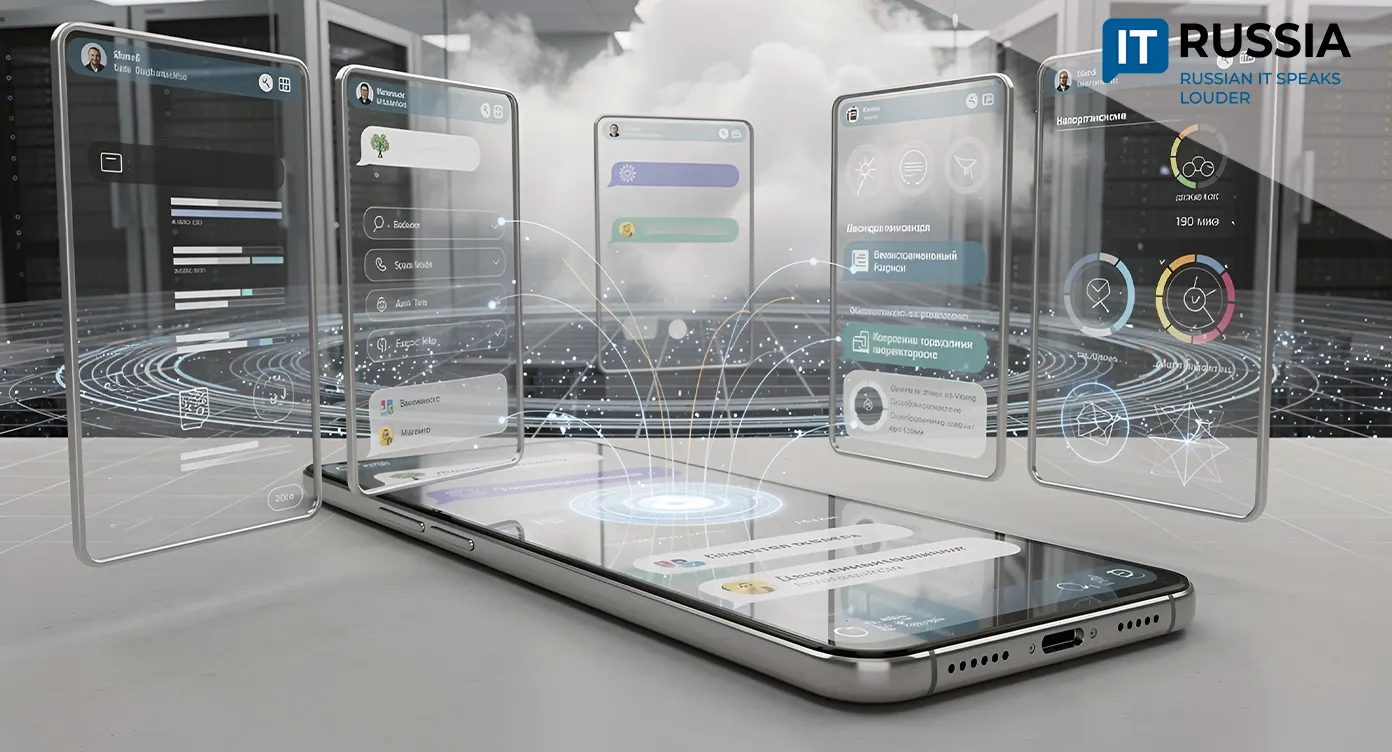
LEON can be used on a smartphone through an integrated AI chat or a Telegram bot. It supports Russian and English and can also work in other languages if needed.

The emergence of a digital assistant for executives in Russia shows that the country’s AI market is moving beyond experimental use of chatbots and generative models toward specialized AI agents for business. Russian developers are creating products not only to simplify individual work operations but also to support top executives. Over time, their technology could help businesses prepare necessary documents faster and analyze information more efficiently, while company employees could use AI as an assistive tool.
Putting virtual assistants like LEON into use could accelerate the growth of Russia’s enterprise AI market and reduce the business community’s dependence on foreign platforms and services.
In the future, Russian AI assistants could enter global markets and find customers abroad, but they would need to be adapted for those markets. This could include support for multiple languages, changes to comply with local laws, integration with international enterprise systems, and verification of the security level for handling corporate data.