Russia Tests a Grade 4 Automated Train
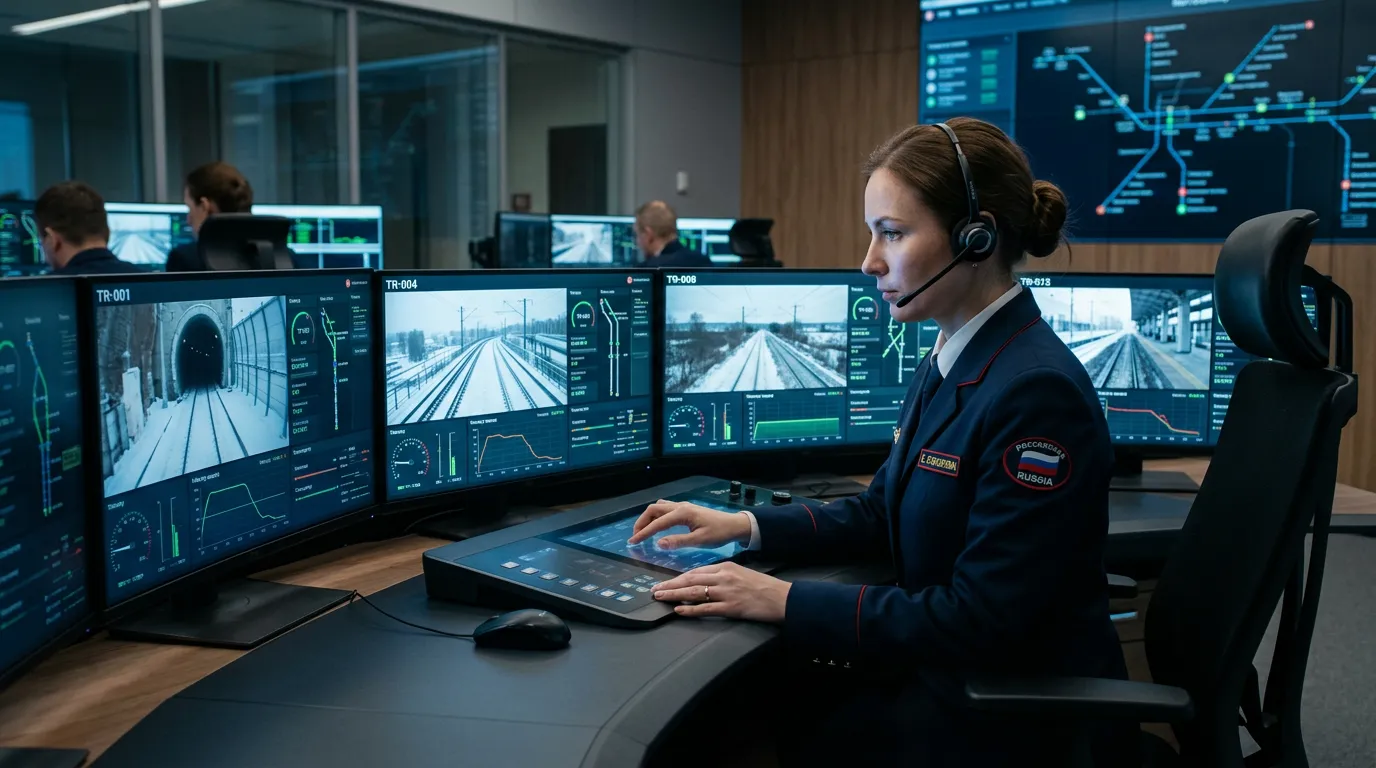
The driver of a Lastochka (Swallow) train no longer sits at the controls, instead monitoring the train from a control center and, when necessary, potentially handling several trains at once.

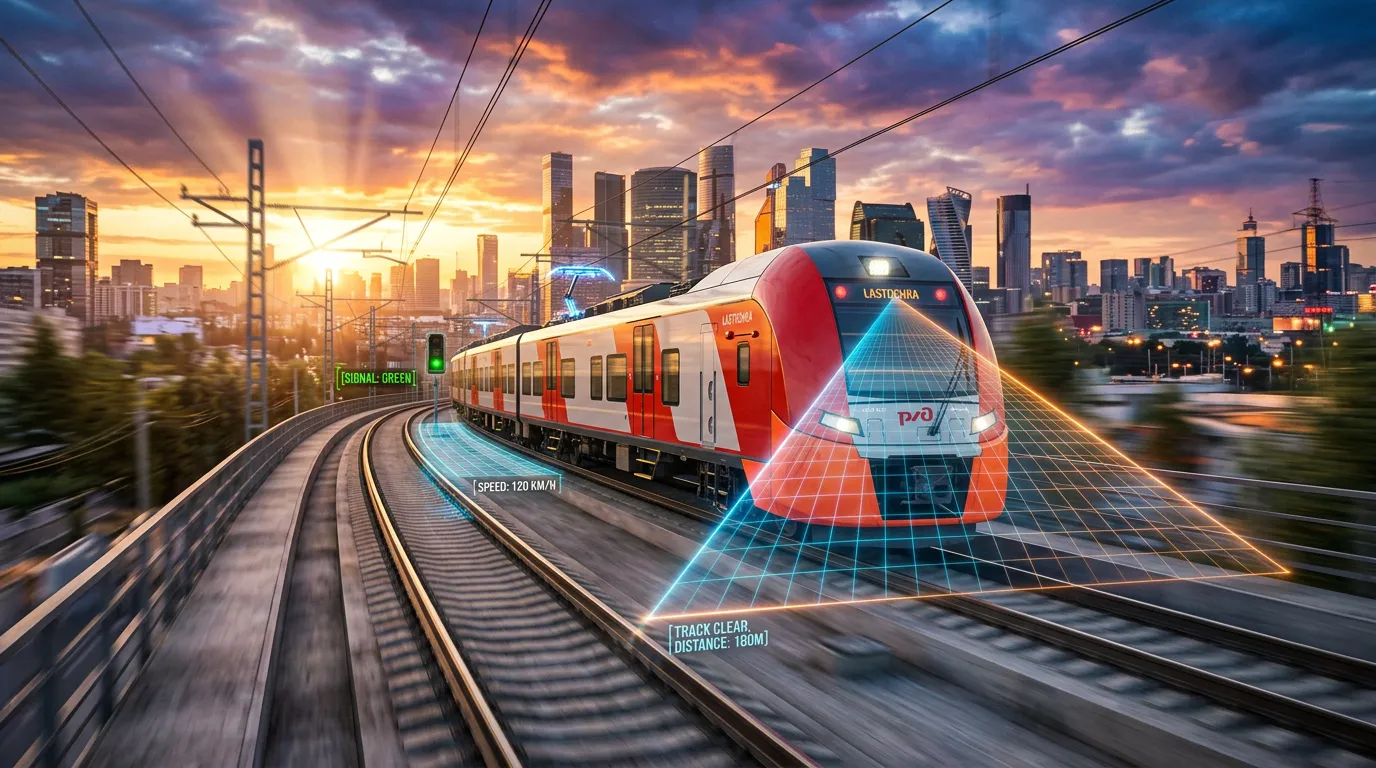
Moscow is testing a Lastochka with Grade of Automation 4 (GoA4): the train drives itself, brakes, opens and closes its doors, and recognizes signals and obstacles, while a human operator monitors the process remotely. A single driver-operator could potentially supervise four trains at the same time, intervening only in exceptional situations.
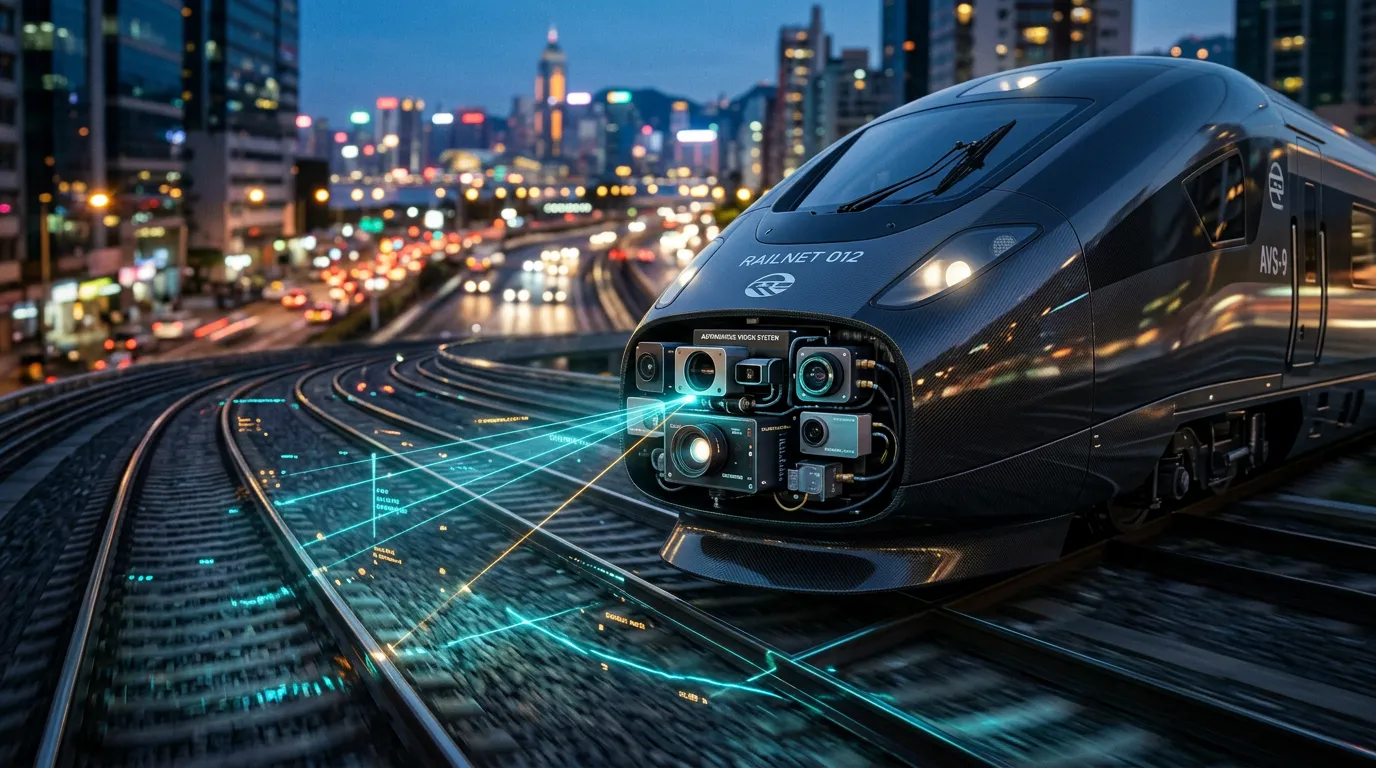
The technology is based on systems developed by the Research and Design Institute for Information Technology, Signalling and Telecommunications on Railway Transport (NIIAS), which says the software and a substantial share of the hardware, including intelligent machine vision and neural-network technologies, are produced in Russia.
What makes the trial significant is the shift from partial automation to fully driverless operation on an active passenger railway. Unlike Grade of Automation 3 (GoA3) trains, which have carried passengers on the Moscow Central Circle since August 2024 with a driver still required in the cab, GoA4 requires no one on board to drive the train.
Scaling Up
The immediate priorities are to demonstrate GoA4 reliability in extended testing, verify that the system can operate under different weather and operating conditions, and establish the necessary regulatory framework. If the trials are successful, the next step could be regular operation of fully autonomous trains on selected routes.
Developers say the equipment and algorithms can be adapted to other trains, while the computer vision technology is already being tested on shunting locomotives. The most important outcome, therefore, may not be a single driverless train but a versatile Russian platform for autonomous railway operations.
For now, the technology’s export potential remains a longer-term prospect. The most realistic opportunities appear to be in countries already working with Russian developers on transport digitalization. An important step came in April 2026, when Russia and Kazakhstan signed an interagency memorandum on cooperation in driverless transport and digital technologies. Russia’s Ministry of Transport is also expanding cooperation with the United Arab Emirates and demonstrating Russian transport technologies to international partners.
How Automation Evolved
Russia’s project dates back to 2021, when Lastochka was certified for GoA3 and NIIAS was simultaneously developing technologies for the highest automation level, GoA4. In 2022, the project became one of Russian Railways’ key digital transformation initiatives. August 2024 marked an important milestone, with regular passenger services beginning on the Moscow Central Circle using a GoA3 Lastochka. By April 2025, the train had covered more than 75,000 kilometers, while the underlying technologies were already being used to develop computer vision for other types of rolling stock.
The global trend is similar. In Germany, Deutsche Bahn and Siemens demonstrated automated commuter trains for Hamburg in 2021–2022: the trains could accelerate and brake automatically, but a driver remained on board. In China, driverless operation was tested in the heavy-haul freight segment in 2024–2025, including a run by a coal train weighing more than 10,000 metric tons. Russia’s project follows the same broader trend but focuses on domestically developed computer vision and the transition to GoA4 specifically for above-ground passenger rail.
From Experiment to Technology Platform
The GoA4 Lastochka trials mark an important stage in the digitalization of Russia’s railways: the technology is moving from automatic train operation under a driver’s supervision to a model in which the driver is physically absent from the cab and becomes a remote operator.
For Russia, the development’s main value lies in the technology stack: recognition algorithms, train control systems, automatic braking and remote monitoring. These technologies are already becoming a foundation for automating other types of railway equipment.
Over the medium term, testing is likely to expand, followed by the introduction of driverless operation on selected routes. Russia’s Ministry of Transport has already set the strategic direction, with fully autonomous long-distance passenger trains planned for development by 2030. If GoA4 passes all required tests and demonstrates its reliability in sustained passenger operation, the technology could become not only a domestic standard but also a competitive Russian offering for international markets.