Russia in VR: Chilean Children Explore Kamchatka, Baikal, and the Caucasus Without Leaving Home
A VR film by the Russian Geographical Society, “Russia. A Virtual Journey,” was screened in the Chilean coastal city of Concón, sending local schoolchildren on an immersive expedition from Kamchatka to the Kola Peninsula – all through a headset.
Three Months of Filming
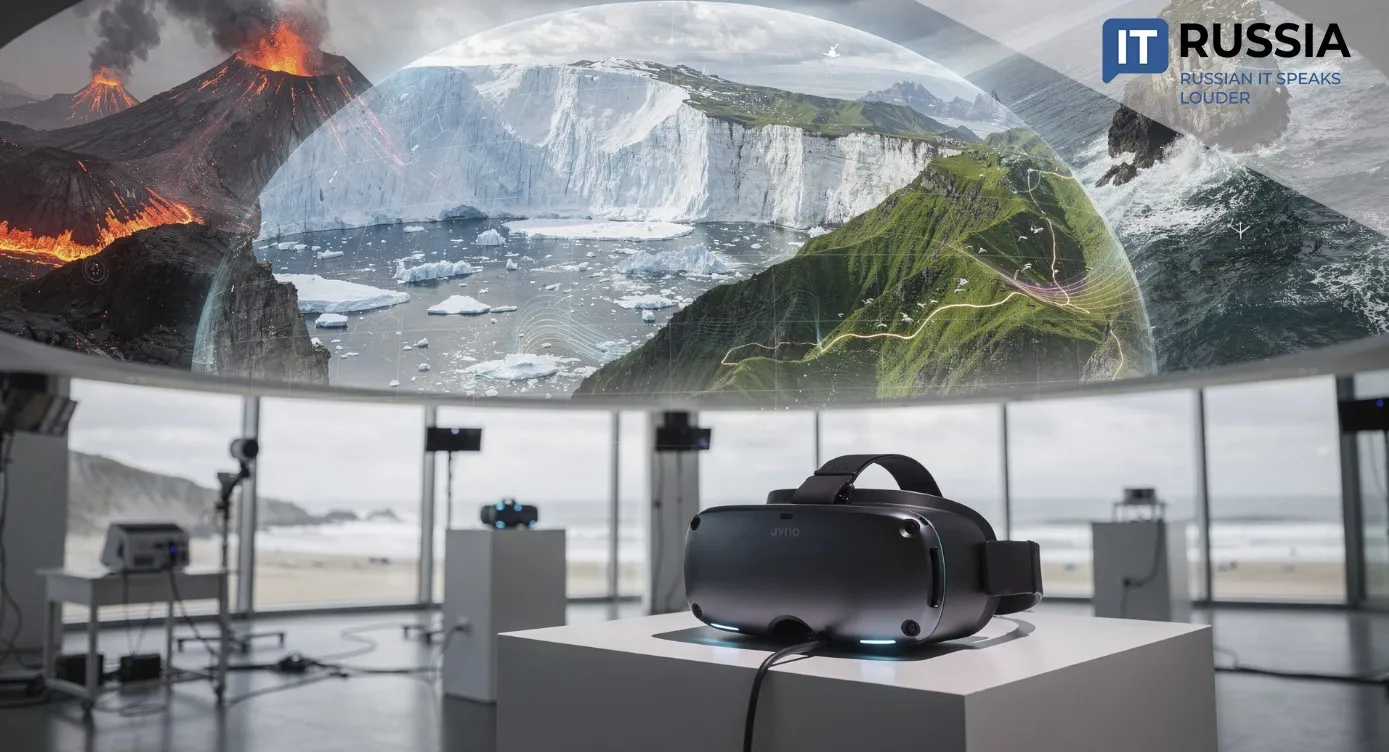
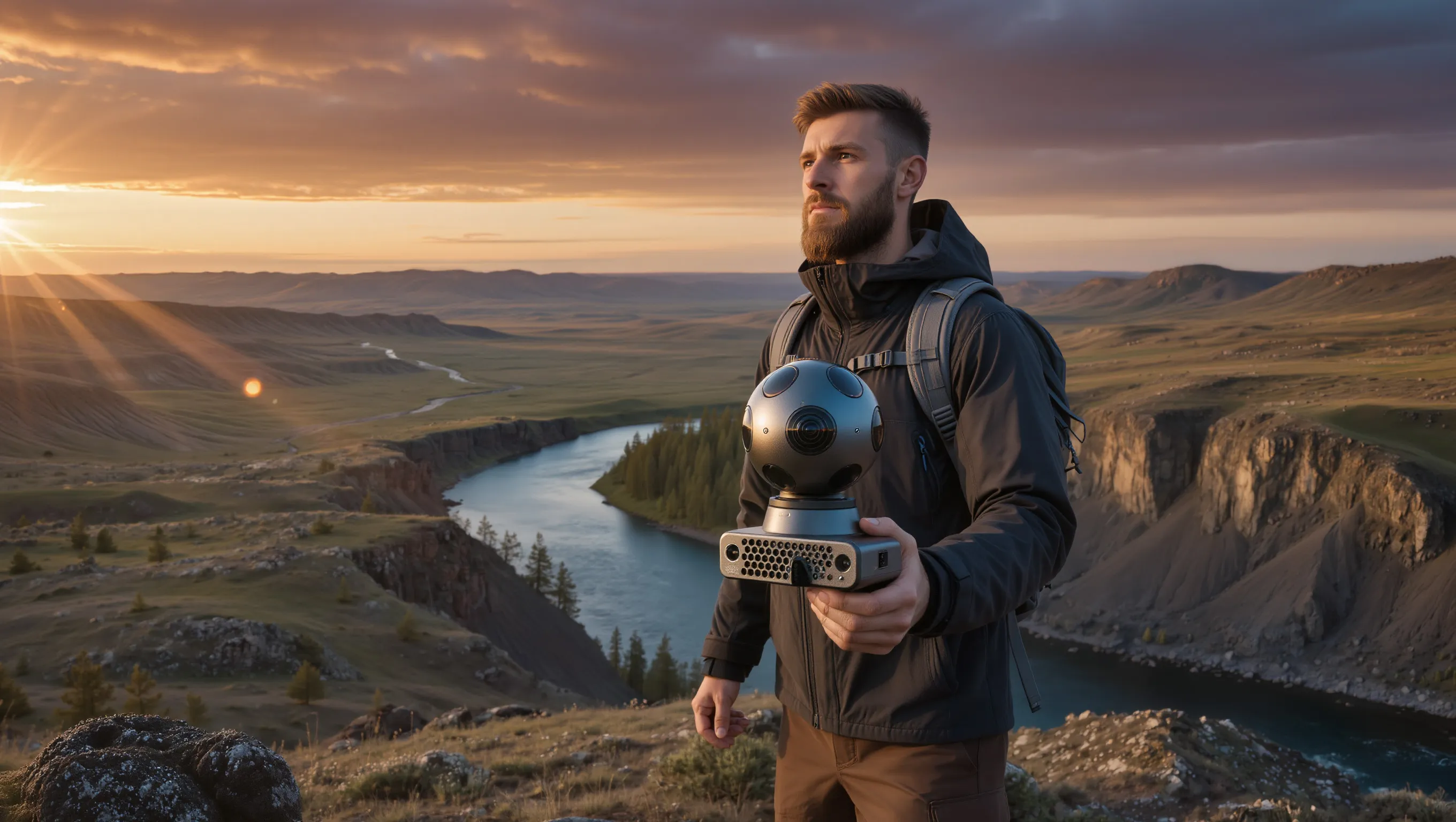
The film “Russia. A Virtual Journey” was shot in an immersive 360-degree spherical video format. Over three months, the production team traveled across some of the country’s most remote and visually striking regions. Footage was captured in eight locations: the Kola Peninsula and the Kandalakshsky Nature Reserve, Lake Baikal and the Volga Delta, Crimea and the Caucasus, Kamchatka and the Putorana Plateau.
Viewers saw guillemot colonies nesting on northern cliffs, lotus blooms unfolding in the Astrakhan wetlands, heard gray whales singing in the Sea of Okhotsk, and watched Baikal seals moving through the world’s deepest freshwater lake. The film compresses vast geography into a continuous sensory experience.
From Moscow to Concón
The screening took place at the Mandarin (Tangerin) educational center in Concón, a Pacific Ocean city about 130 kilometers north of Santiago. The event was organized with support from the Russian House in Chile and the Skans charitable foundation, which provided the VR equipment.
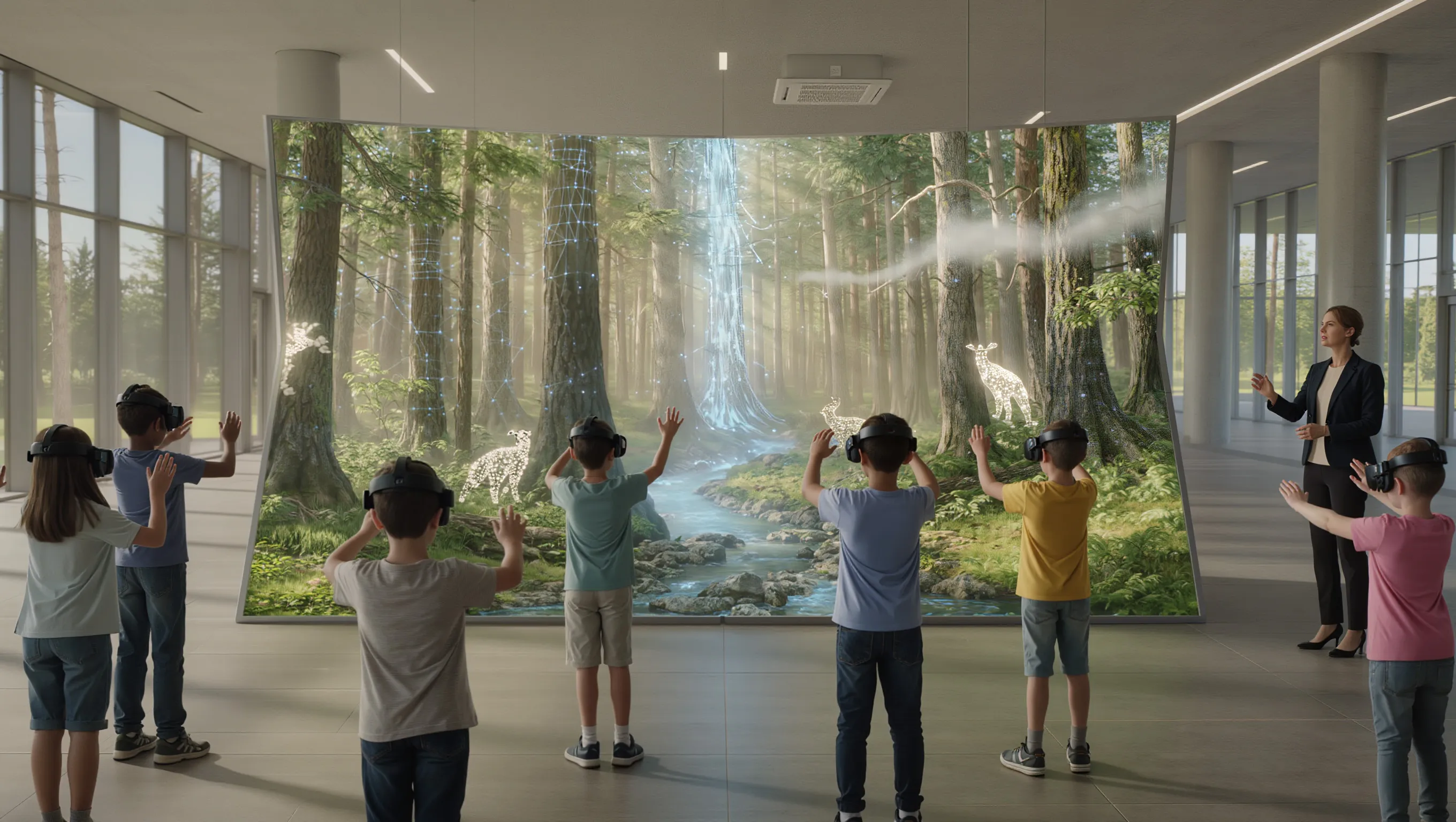
Rossotrudnichestvo’s representation has spent several years developing educational and cultural programs in Chile. Concón was selected intentionally: beyond its beaches, the city is known for hosting cultural initiatives that attract young audiences.
For many South American schoolchildren, this became their first encounter with Russia’s natural landscapes. The virtual journey was complemented by science demonstrations and followed by a quiz on Russian geography. The format allowed children not only to enjoy the experience but also to learn about the natural diversity of the world’s largest country in a structured, memorable way.
For the Chilean screenings, the film was translated into Spanish and subtitled. The Russian House in Chile and the Russian Geographical Society now plan a series of traveling demonstrations across the country.
Immersion in the Wild Nature
Virtual reality enables full environmental immersion. Wearing a VR headset, a viewer can stand at the edge of a Kamchatka volcano or drift among ice floes on Lake Baikal. The sense of presence leaves a deep and lasting impression.


The format is especially effective for showcasing remote wilderness areas. Visiting the Kandalakshsky Nature Reserve or the Putorana Plateau is beyond the reach of most Russians and almost all foreign travelers. Through a VR headset, however, these landscapes can now be experienced from virtually anywhere in the world. The technology reduces physical barriers and makes Russia’s natural heritage accessible to millions.
Meeting Russia Through Technology
The project is part of the Russian Geographical Society’s broader strategy to digitize educational outreach. The organization is actively expanding its immersive media portfolio, producing video content, creating audio guides, and launching online educational courses. New technologies allow cultural and educational initiatives to scale far beyond Russia’s borders.
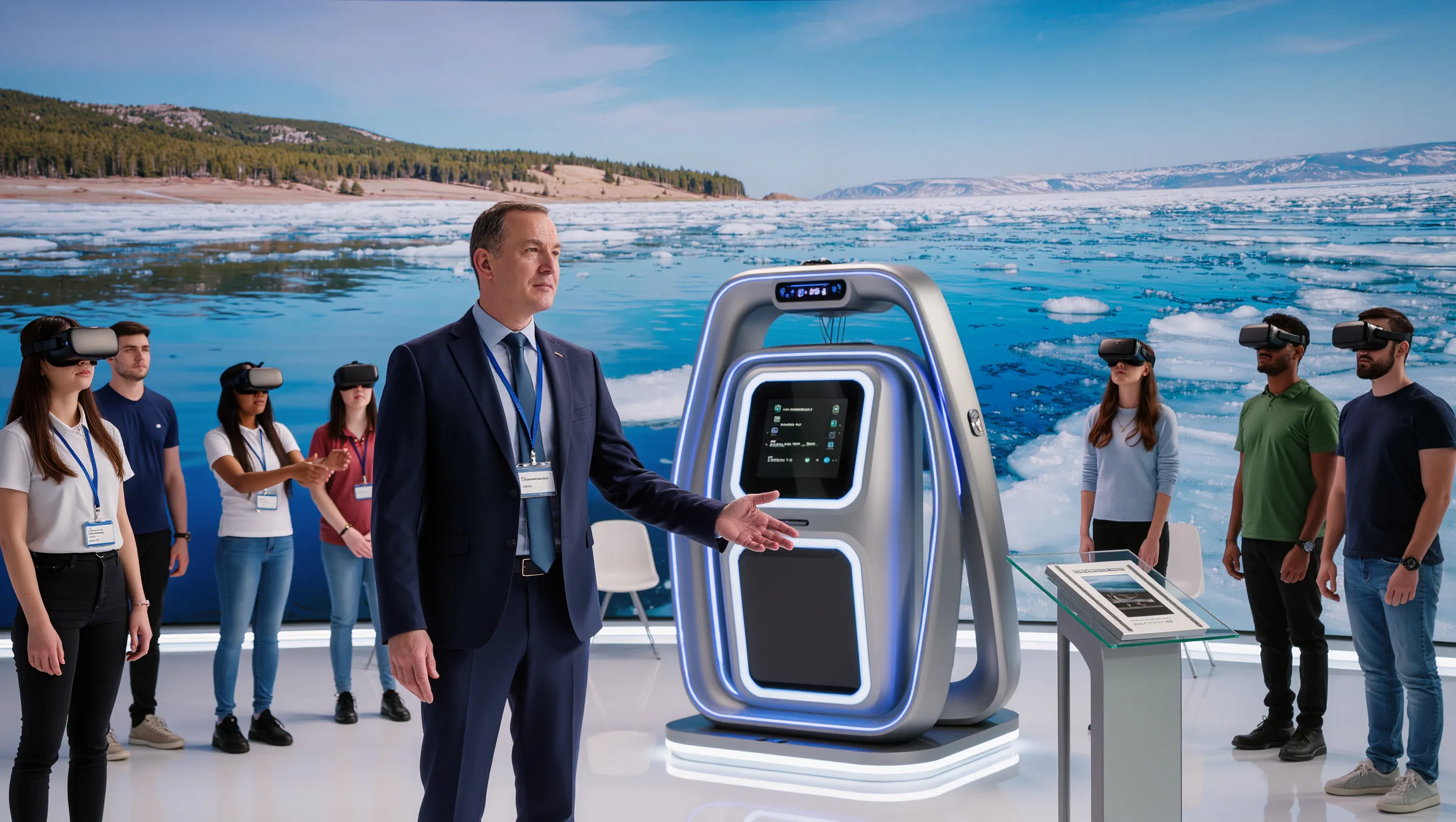
The successful experience in Chile will be taken into account when organizing screenings in other countries across Latin America, Asia, and Africa. The project serves as an instrument of cultural exchange, introducing global audiences to Russia through its most valuable asset – its unique and diverse natural environment: Kamchatka’s panoramas, the peaks of the Caucasus, Baikal’s underwater world, the Putorana Plateau, and more.