

Inside the Virtual Ring: A Russian Startup Is Building an AI Boxing Coach
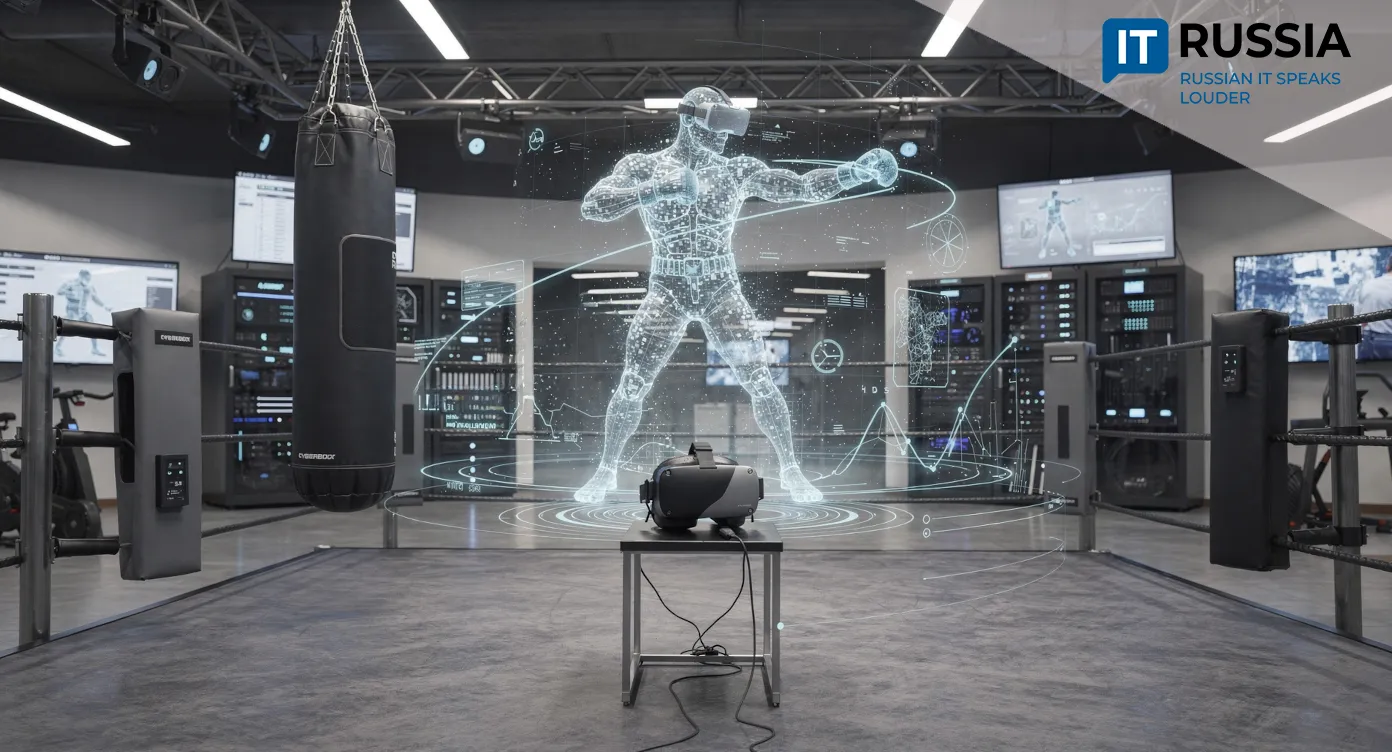
In Kaliningrad, a small tech company is turning virtual reality into a training ground for fighters. Its new system, Cyberbox, aims to analyze a boxer’s movements without handheld controllers, using computer vision, cloud computing and AI to reshape how athletes train.
A Startup From Kaliningrad Steps Into the Ring
The Cyberbox project was presented at the Sixth All-Russian Boxing Forum in February 2026. The system is being developed by the Kaliningrad-based company Intellektualnye avatary (Intelligent Avatars). Yury Samorodov, head of the Kaliningrad Regional Boxing Federation, publicly supported the initiative, describing it as a promising step toward the digital transformation of athletic training.
Developers are already testing the first version with athletes, collecting detailed data on movement patterns. That dataset will feed the artificial intelligence models that will later evaluate technique and performance.
How the Technology Works
The athlete wears a VR headset while the system tracks movements through cameras and embedded sensors. A digital avatar mirrors each motion of the hands and torso inside the virtual environment. By eliminating handheld controllers, the platform analyzes natural technique without distortions that often appear when additional hardware constrains movement.
All computations run through cloud infrastructure. That architecture allows the trainer to operate on high-performance PCs as well as on mobile devices. Coaches can upload structured training programs with demonstrations of correct technique. As the athlete performs each movement, the algorithm evaluates execution instantly against predefined parameters.
Training the Neural Network
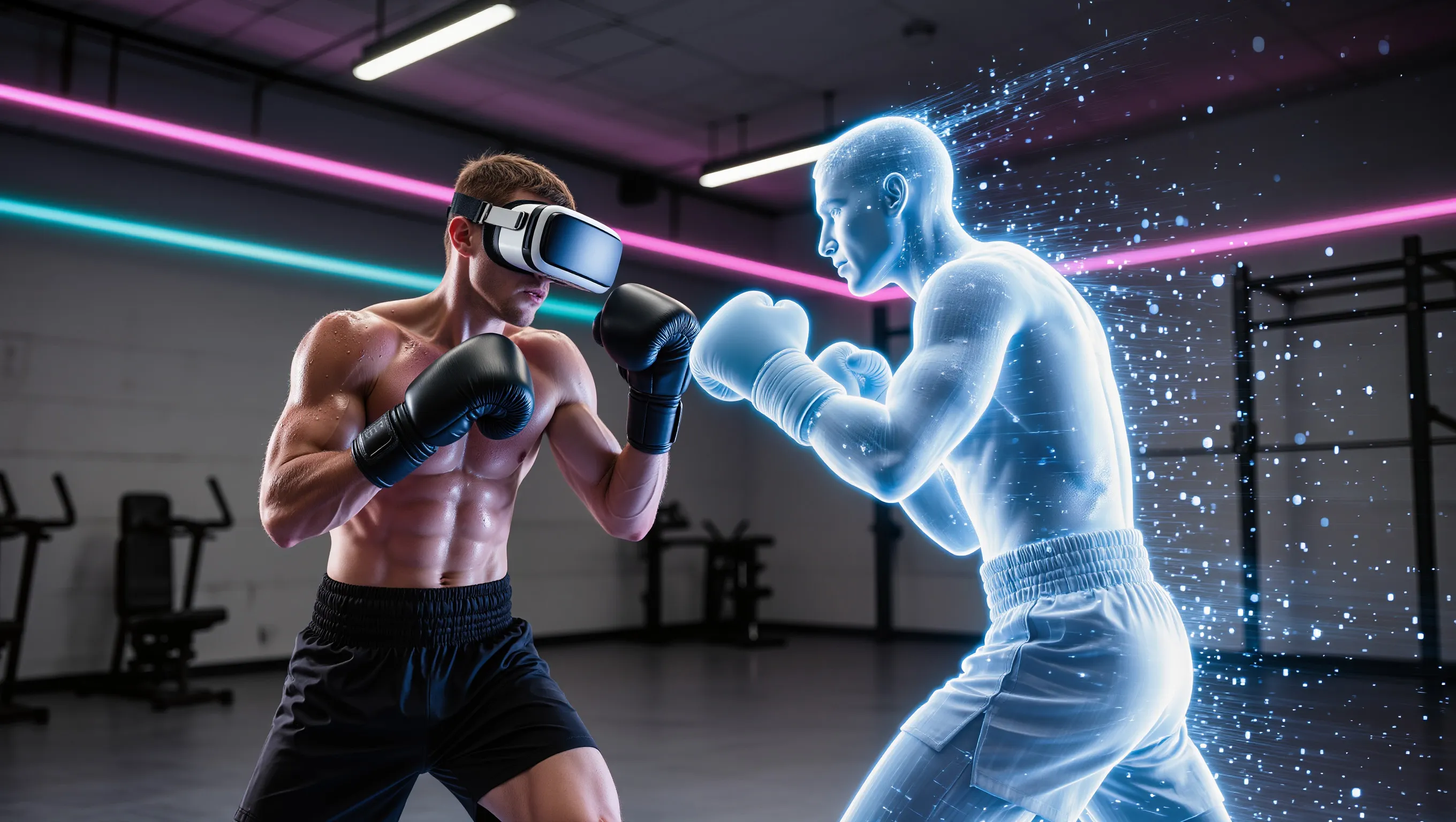
At this stage, developers are testing individual training mode. The system collects data from dozens of athletes at different skill levels, from beginners to candidates for master of sport status. These datasets are used to train AI models to recognize correct punching technique, defensive maneuvers and footwork inside the ring.


A demonstration version of the system will be released in May 2026. It will be tested in sports schools across Kaliningrad and at facilities operated by the regional Boxing Federation. Specialists will evaluate movement analysis accuracy and interface usability for coaches. Their feedback will guide refinements before the commercial launch.
Virtual Sparring and Online Bouts
The second development phase will introduce a virtual sparring partner and a digital punching bag. Athletes will practice strike combinations against a virtual target while receiving immediate feedback on force, precision and technique. The algorithm will flag errors, such as incorrect wrist positioning or insufficient torso rotation.
The third phase envisions full-scale online bouts between users in different cities. The system will register successful strikes and misses, assign points and act as an automated referee. This capability could enable regional and national virtual tournaments without requiring athletes to gather physically in one location.
Making the Sport More Accessible
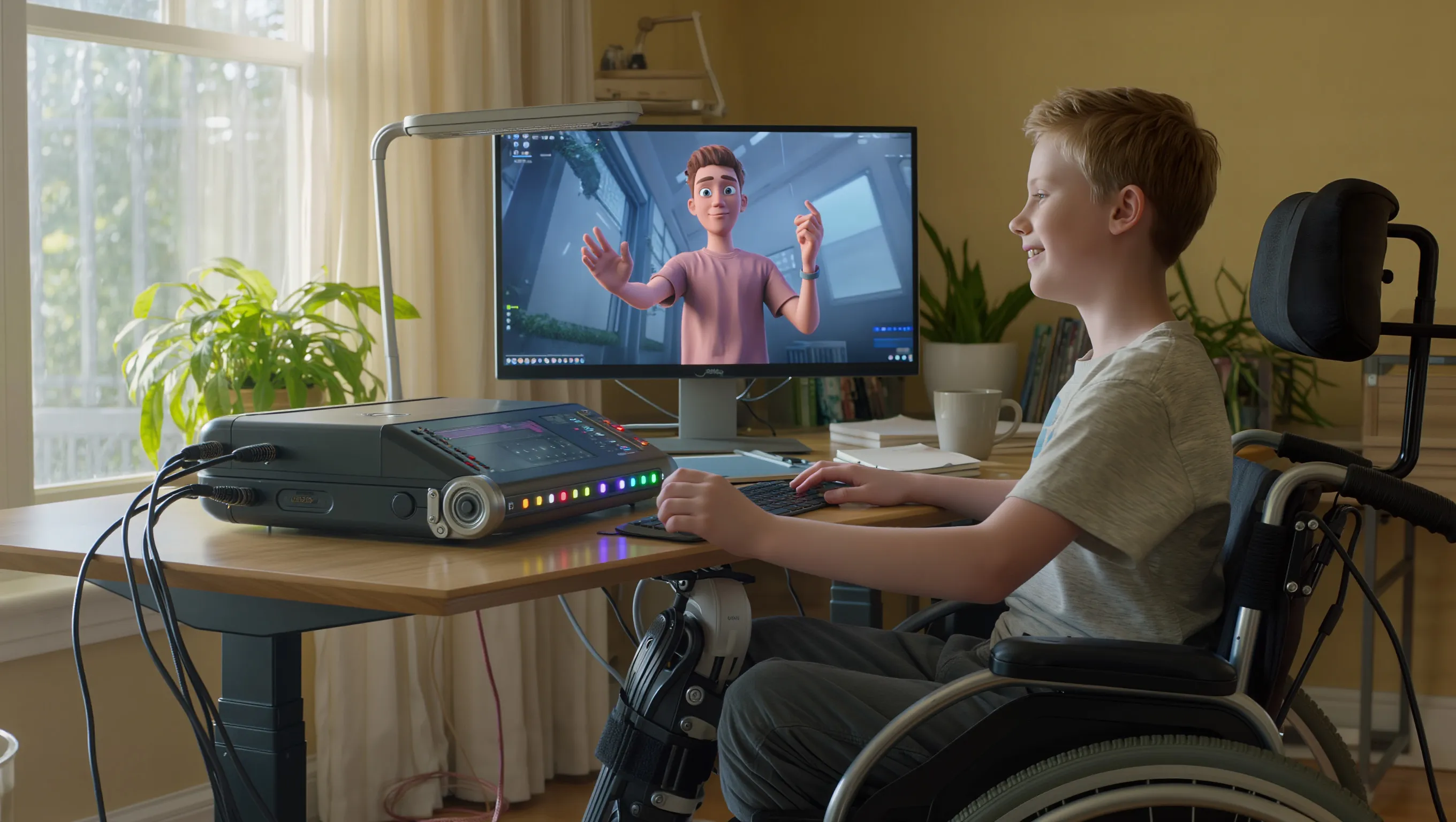
Developers are placing special emphasis on adapting the platform for people with disabilities. The system will adjust intensity and recommend exercises based on individual needs. For example, training modes will support seated workouts for athletes with musculoskeletal impairments.
The technology reflects an inclusive approach by Russian developers. Virtual environments can remove physical barriers and create safer conditions for people with limited mobility to engage in sports. That aligns with Russia’s broader state program for the development of adaptive sports.
Beyond Boxing
If Cyberbox proves successful, the platform will expand into other combat sports. Developers plan to adapt the algorithms to different movement patterns and technical standards. Over time, a modular unified platform would allow users to switch quickly between disciplines within a single ecosystem.
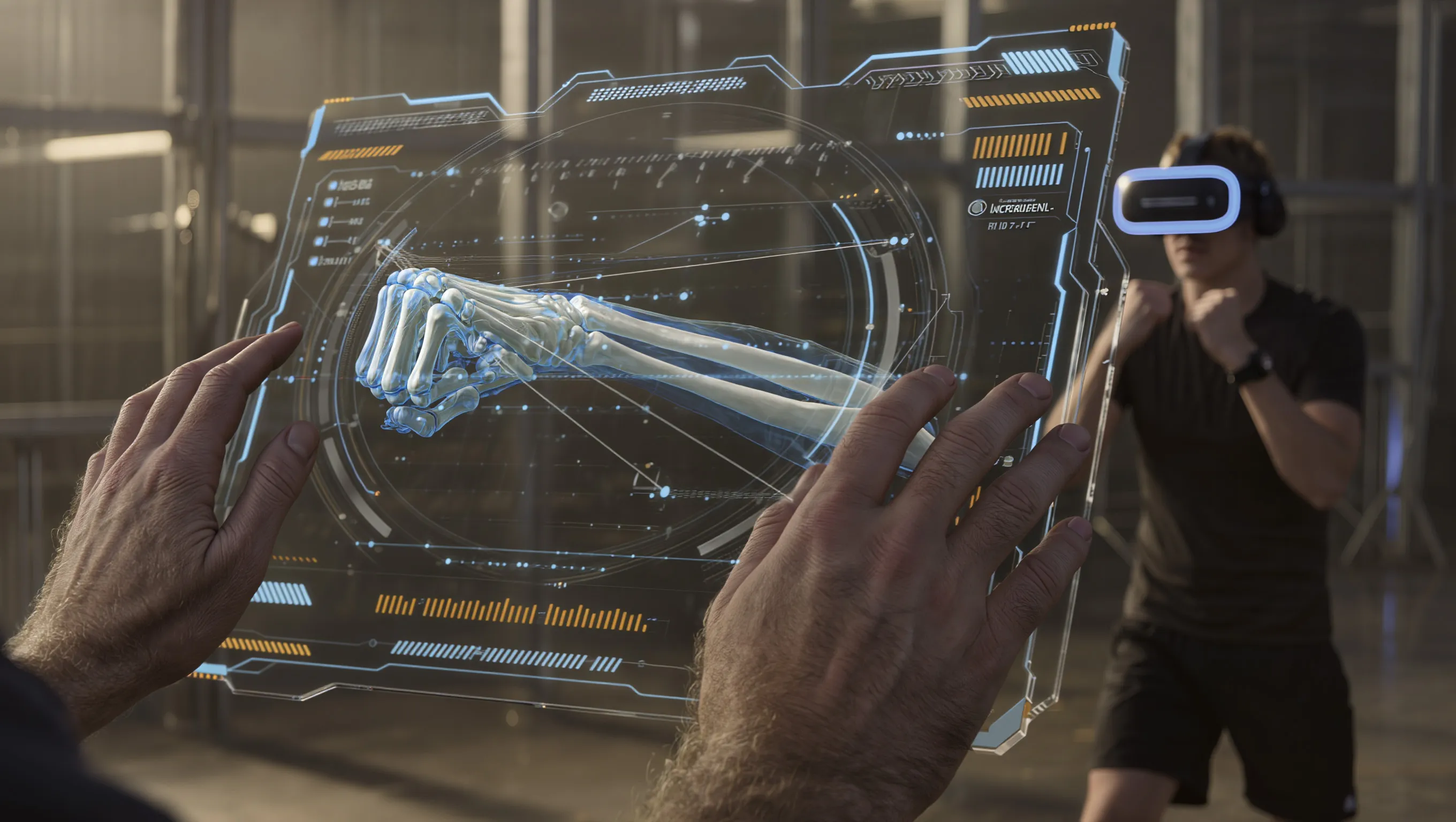
The Kaliningrad startup is repositioning virtual reality from entertainment to a performance tool. Technologies like this could reshape training methodologies across Russia, blending biomechanics, AI analytics and immersive simulation into a single digital framework.