Doctor Speaks, Algorithm Writes: In Russia, AI Frees Physicians From Paperwork
In Russia, artificial intelligence has begun to “listen” to physicians. While a doctor conducts an appointment, the system automatically fills out medical records. As a result, clinicians gain more time for patient care. Here is how the shift became possible.
No More Double Work
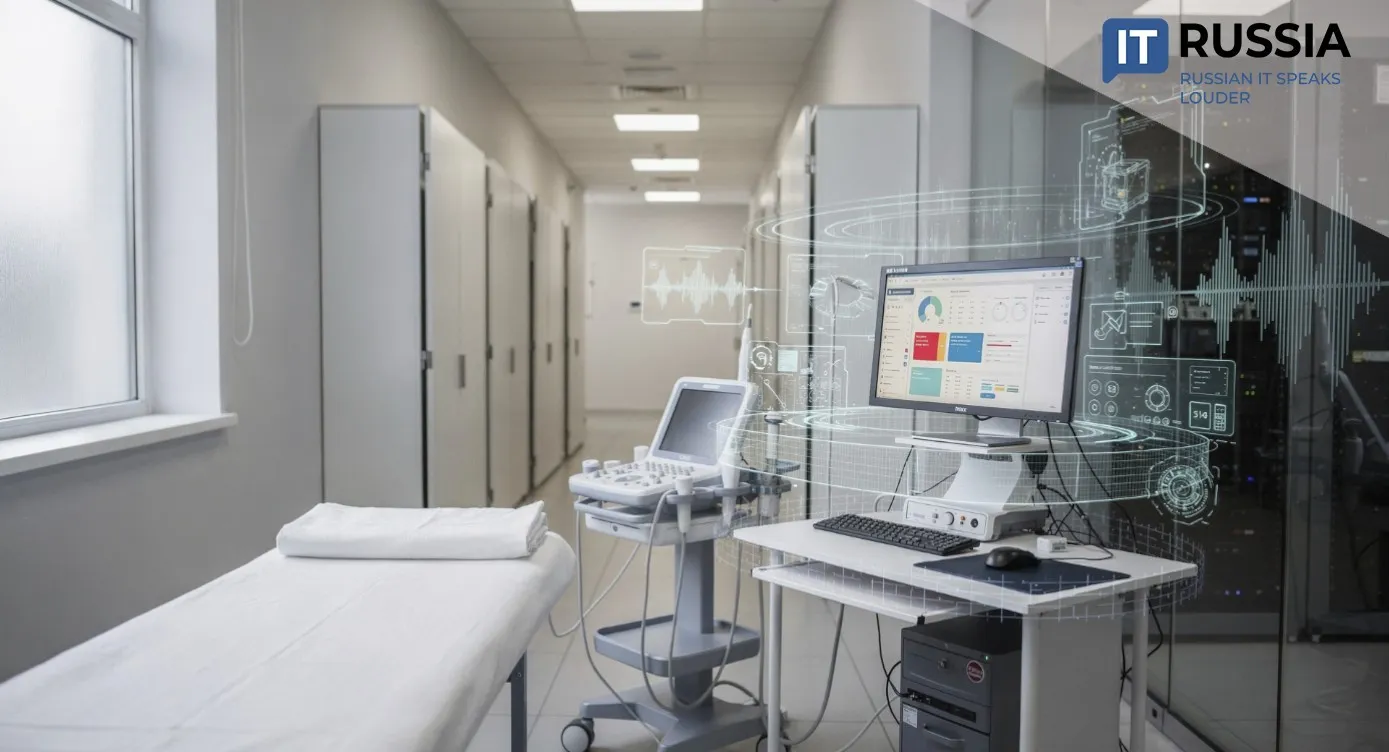
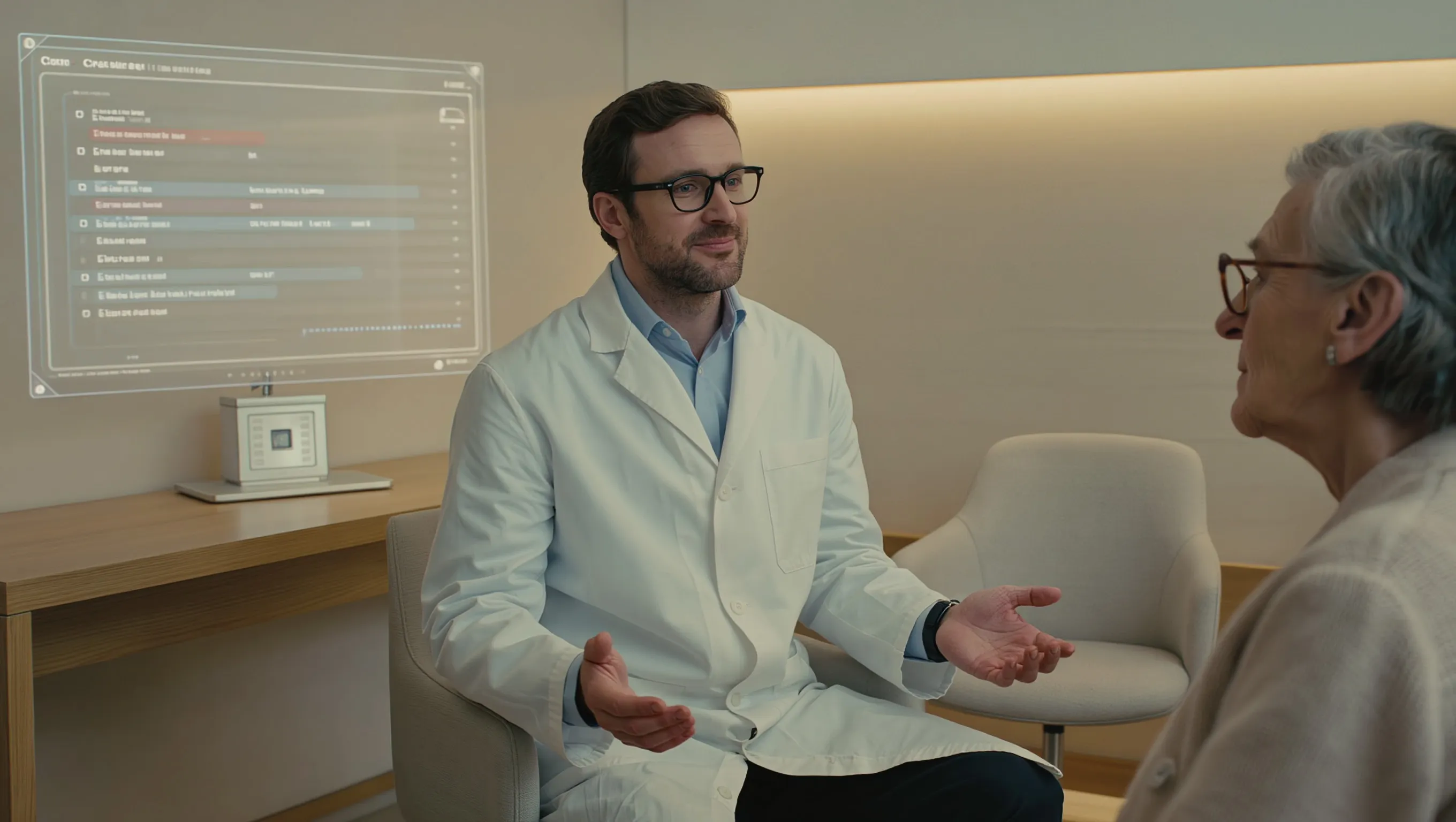
At the Polimedika clinic in Belgorod, developers have launched an AI assistant called LazyDoc that listens to conversations between doctor and patient during appointments and automatically generates medical documentation. The workflow is straightforward. As the physician verbally outlines complaints, medical history and examination findings, the algorithm performs real-time speech recognition, structures the data and generates an electronic health record. The clinician then reviews the text and signs it with a digital signature.
According to physicians using the system, it reduces up to 80 to 90 percent of documentation-related actions and saves as much as 1.5 hours of working time per day. Previously, those hours were spent filling out protocols, transferring data between systems and preparing formal conclusions.
Relief From Administrative Burden
LazyDoc analyzes doctor-patient dialogue, extracts clinically relevant parameters and compiles them into standardized documentation. Ultrasound workflows are also integrated. During the exam, the physician dictates measured values, the system recognizes numerical inputs and automatically populates the diagnostic report form. For mobile medical teams, this capability is particularly valuable because data can be recorded directly on a smartphone during home visits, without returning to the office.
Developers emphasize that access to information is restricted to the attending physician and that personal data are protected. Responsibility for the final document remains with the clinician. The algorithm assists but does not make clinical decisions.


Impact on Patients and Providers
At first glance, the system may appear to be just another digital tool. For physicians, however, it significantly reshapes the workday. Patients waiting anxiously for their appointments often do not realize that a substantial portion of a doctor’s time is consumed by electronic documentation. When that burden is reduced, physicians regain time, focus and emotional bandwidth to engage more deeply with patients’ concerns. The encounter becomes more attentive and more effective.
As a result, patients receive greater attention. Physicians are no longer divided between conversation and keyboard entry. They can clarify details, explain treatment plans, answer questions and offer reassurance. Many patients, particularly older adults, seek not only prescriptions but also empathy and human connection. That interaction itself has measurable therapeutic value. In a healthcare system under heavy demand, reclaiming clinician time becomes a meaningful strategic resource.

For the clinic, the change is also operational. Freed time enables providers to see more patients without expanding staff, shorten waiting times and process documentation more efficiently. At a regional scale, such tools allow healthcare systems to deploy human resources more flexibly and improve throughput without compromising care quality.
Russia in the Global Health IT Context
Interest in so-called AI scribes – systems that automate clinical documentation – is growing worldwide. They are being tested across the United States, the European Union and Asia. Research consistently shows that such tools reduce professional burnout among physicians and improve documentation accuracy.
Until recently, AI in Russian healthcare was more commonly applied in diagnostics, including analysis of CT, MRI and other imaging studies. Voice-enabled documentation assistants are now beginning to emerge. The Belgorod case demonstrates that such solutions can operate at the level of everyday outpatient care and are not limited to pilot projects in large academic centers.
For Russia, initiatives like LazyDoc signal a move toward a more rational healthcare delivery model. There is also export potential. If adapted to different electronic health record standards and regulatory requirements, the system could appeal to markets across the CIS and to countries with developing healthcare infrastructures. Administrative overload among physicians is a shared global challenge.
The LazyDoc story illustrates that Russian IT companies are capable of developing solutions for one of the most complex and trust-sensitive sectors of the economy, where technological performance must align with patient confidentiality and clinical accountability.