Russian Greenhouses Set to Become Smarter
Scientists at Stavropol State Agrarian University are developing a new wireless sensor system to monitor greenhouse operations, aiming to improve efficiency, stability and real-time control in modern agricultural production.
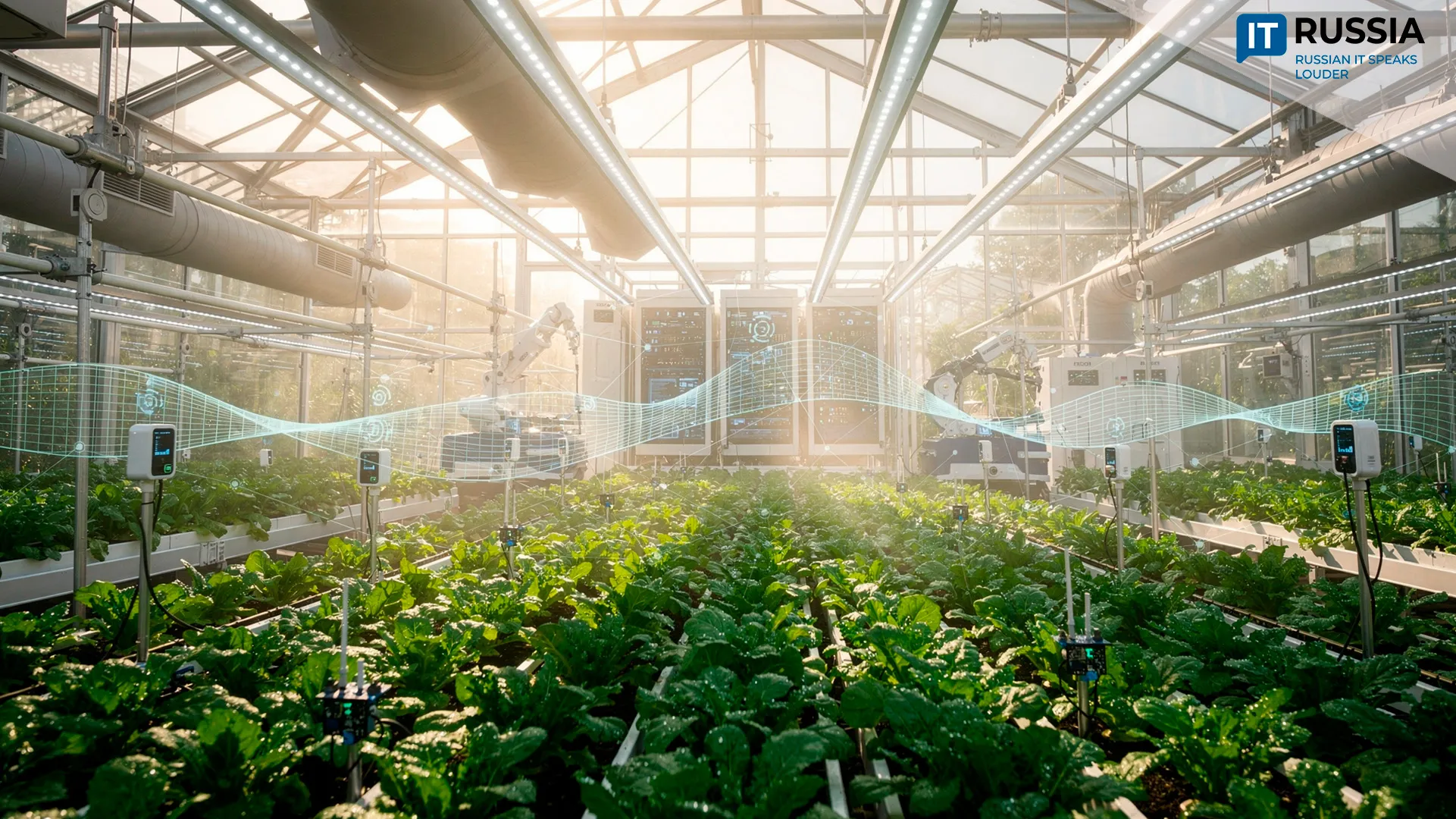
Russia proceeds with building a full-cycle domestic ecosystem for “smart” greenhouses. Specialists at Stavropol State Agrarian University (StGAU) have begun work on a reliable sensor system for greenhouse complexes that will continuously track microclimate parameters and transmit data to automated control systems in real time.
Control and Operational Management
Maintaining the required internal climate is one of the most critical tasks in greenhouse operations. This requires continuous monitoring and timely adjustments when parameters change. In the past, this process was handled manually, but today automated systems deliver far greater accuracy and response speed.
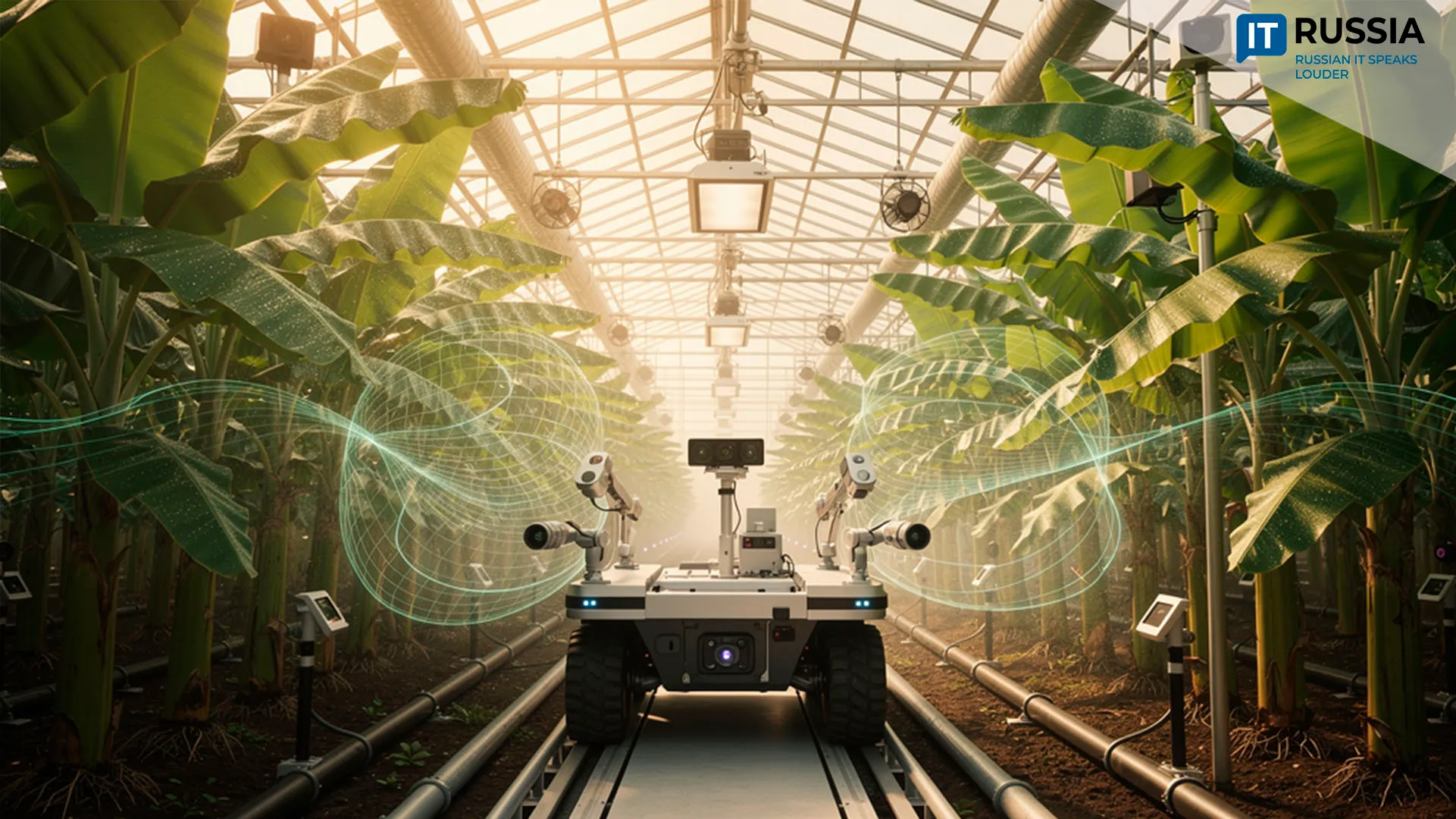
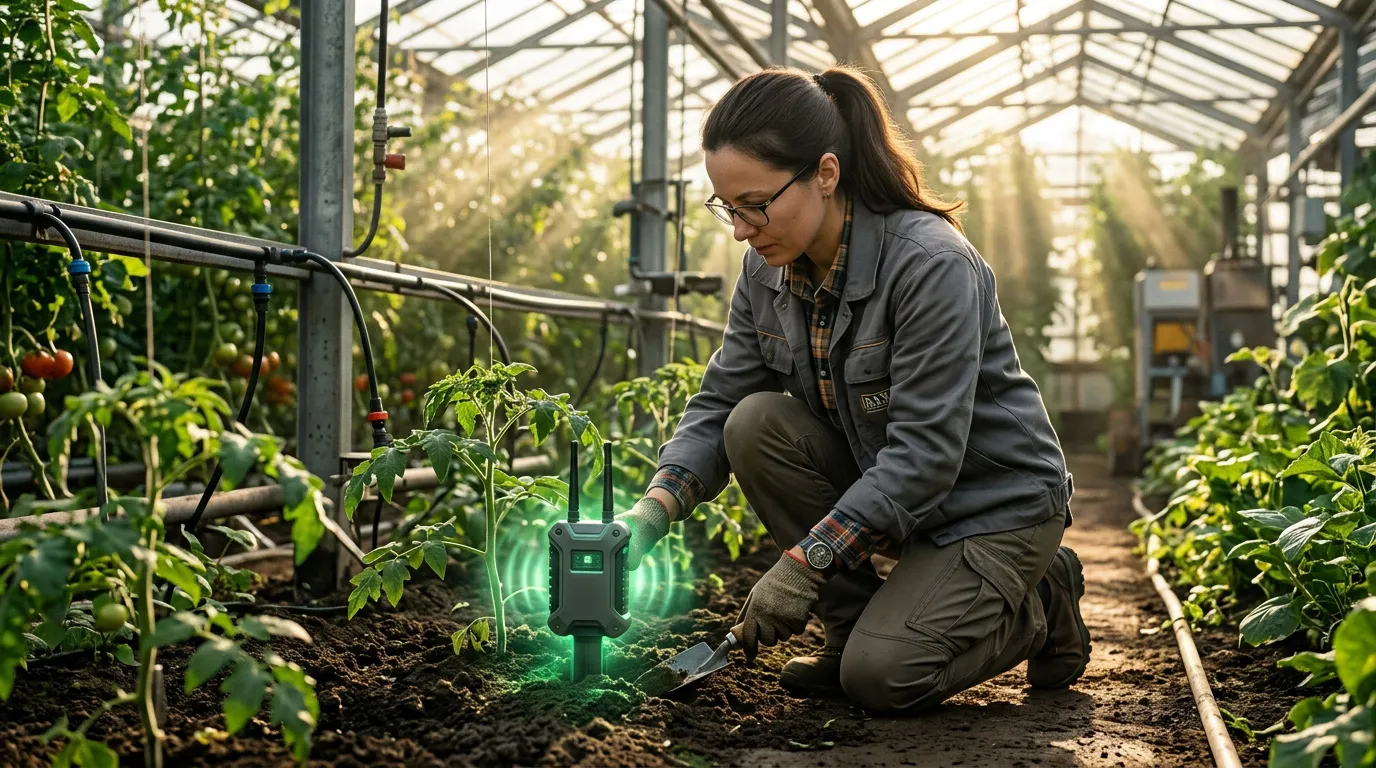
These systems depend on reliable wireless sensors that form a stable, continuous monitoring network for climate indicators inside the greenhouse. Vladimir Sitnikov, Rector of Stavropol State Agrarian University, noted that current systems in industrial greenhouses remain unstable due to dense vegetation, temperature fluctuations and limited power resources. As a result, communication between sensors is frequently disrupted.
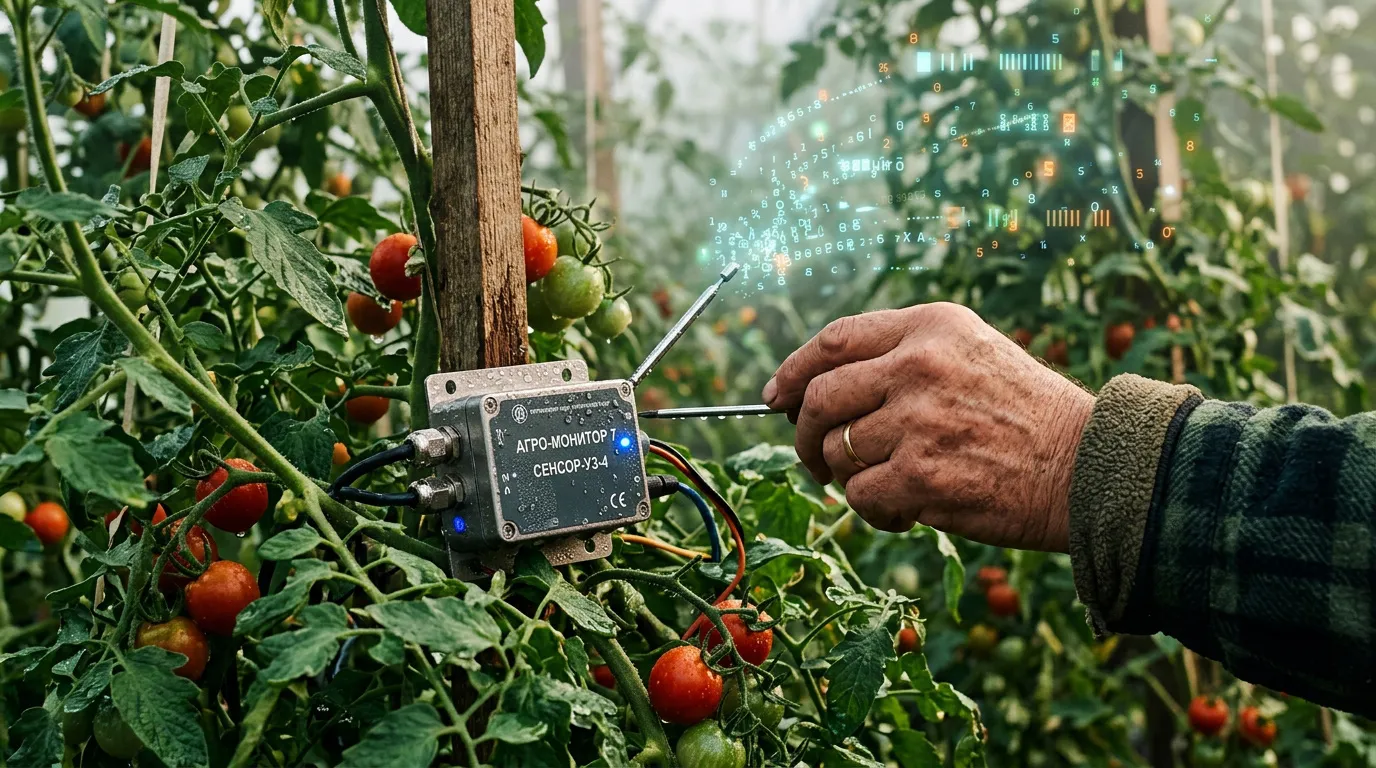
Researchers at StGAU, supported by a grant from the Russian Science Foundation, are addressing this challenge by developing more reliable wireless sensors. “To solve this problem, StGAU will develop mathematical models and algorithms that enable sensors to intelligently distribute energy, automatically adjust signal power and select the most reliable data transmission routes,” said Vladimir Sitnikov.
Another challenge is also being addressed. Sensors must adapt to continuous changes in plant biomass within the greenhouse environment. As crops grow, they alter radio signal propagation conditions, affecting communication stability. This requires specialized algorithms capable of dynamically adjusting sensor operation parameters.
Agribusiness Engagement and Industry Demand
The project is being carried out by a team led by StGAU Vice-Rector for International Cooperation Vladimir Samoylenko, in collaboration with the Faculty of Digital Technologies. Agricultural producers are directly interested in the rapid and effective completion of the project. As a result, the partner is Solnechny Dar, part of the Eco-Culture holding, one of Russia’s largest greenhouse vegetable producers. The company operates 13 greenhouse complexes across eight regions. The project is scheduled for completion by 2028, with results to be deployed across all facilities.
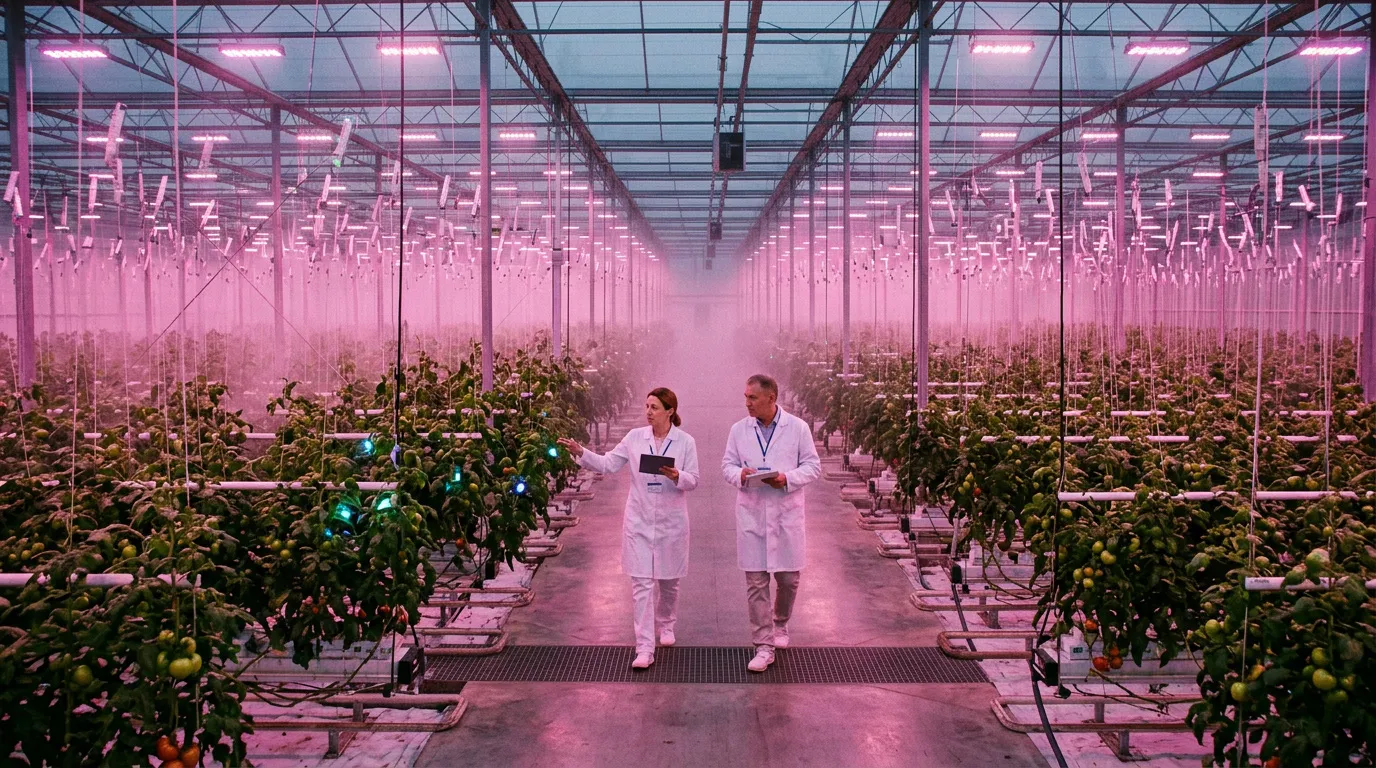
Collaboration between agricultural producers and StGAU researchers has already produced tangible results. In December 2025, the university presented a prototype robotic system for diagnosing plant diseases in greenhouse operations at the Solnechny Dar site.
Russia’s smart greenhouse sector continues to evolve, with developers already competing by offering different technological approaches to the market.
Scientists at North Caucasus Federal University (NCFU) have introduced a system for protected agriculture that uses Internet of Things technologies and machine learning. The AI-driven system monitors and adjusts key greenhouse parameters to maintain optimal microclimate conditions.
A fully automated “smart” greenhouse has also been developed at Perm National Research Polytechnic University (PNRPU). The system tracks all climate indicators and enables the cultivation of a wide range of crops.
Another notable project is an automated greenhouse climate control system based on fuzzy logic, developed by Polar State University specifically for Arctic conditions.
Supply Stability and Technology Export
For Russia, greenhouse-based agricultural production is critical given the country’s climate across most regions. It ensures year-round availability of fresh vegetables, fruits and greens at affordable prices. Advanced domestic digital solutions, including sensor networks and localized control algorithms, elevate the digitalization of agriculture to a new level.
Following implementation at Eco-Culture facilities, the StGAU system is expected to scale across other producers. Proprietary sensor systems for greenhouse microclimate monitoring are in demand across a wide range of agricultural operations and can be integrated into diverse digital management platforms.
In the longer term, this opens opportunities to export complete smart greenhouse solutions to countries in the EAEU, CIS, the Middle East and North Africa, where greenhouse production is expanding and demand for reliable digital farm management technologies is growing.