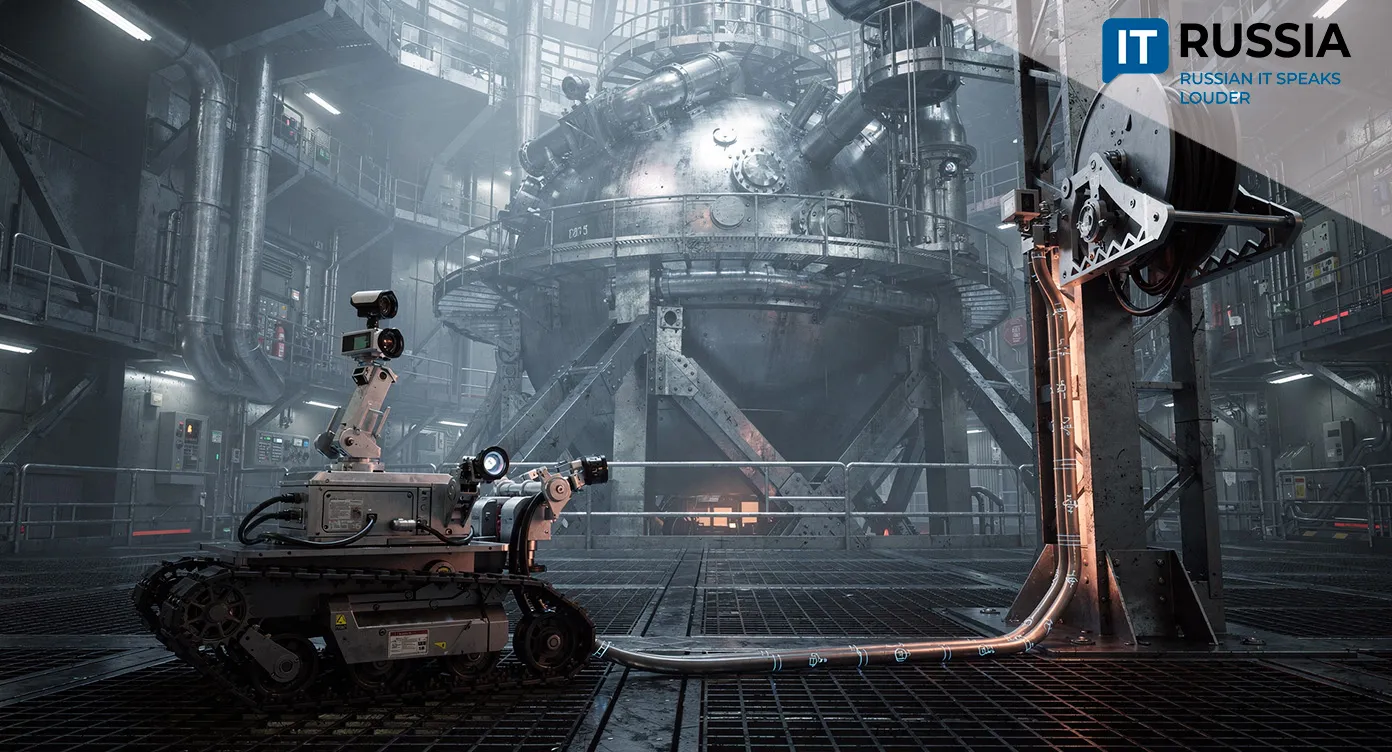
Russian Metallurgy Is Becoming High-Tech
From the smelting furnace to predictive analytics: the trajectory that is pulling Russian metallurgy into Industry 4.0.
MMK’s Digital Strategy Delivers Billions
Magnitogorsk Iron and Steel Works (MMK) is completing the first stage of its large-scale digital transformation strategy, which encompasses 95 projects and generated an economic effect of 6.8 billion rubles (about USD 81 million) in 2025. Investments in this phase amounted to 3.9 billion rubles (about USD 47 million), with an average payback period of 2.4 years. The strongest contribution came from the “Optimal Hot Cast Iron” system and the deployment of optimization-based planning.
Out of the 95 projects, 51 are built on artificial intelligence technologies, aligning with global digital-transformation trends.
To further improve efficiency, in March 2025 MMK established a unified Artificial Intelligence Center that consolidated the company’s AI capabilities and standardized components of its digital platform.
AI Keeps Quality Under Tight Control
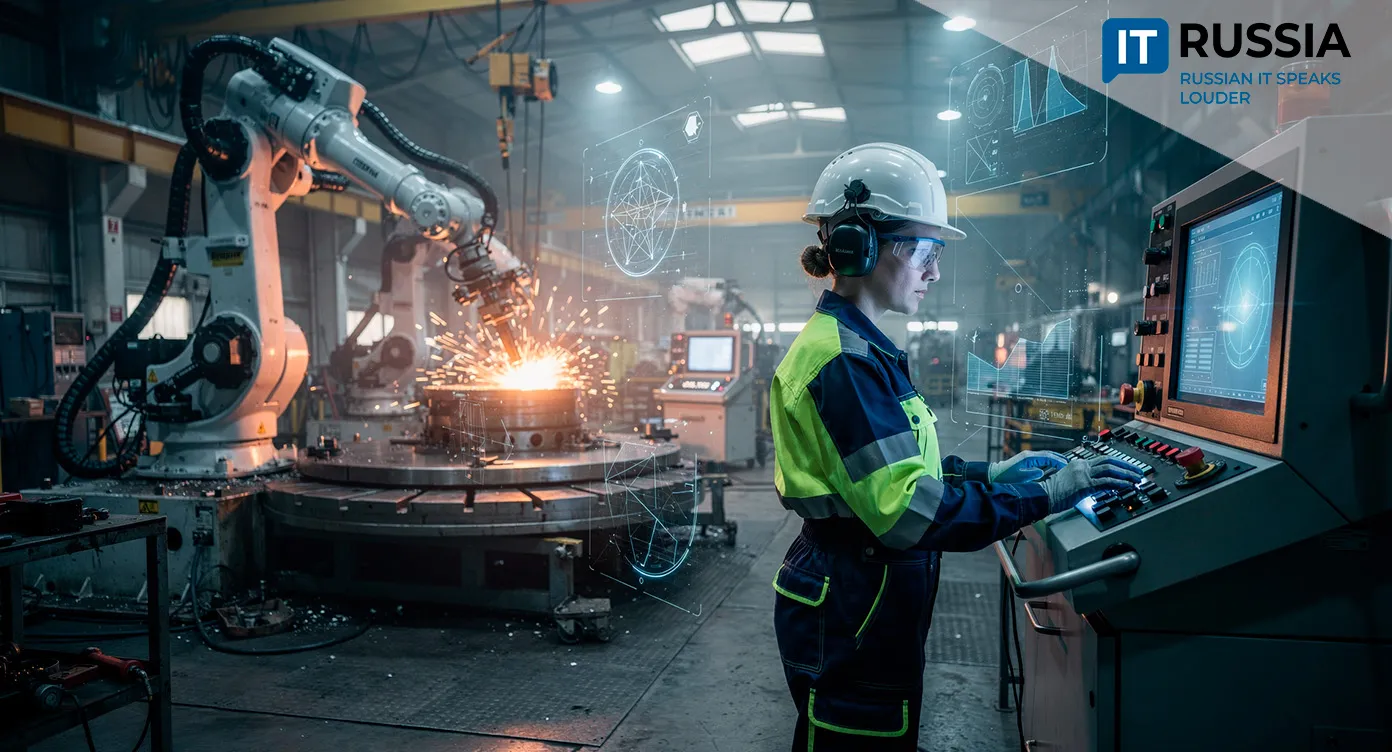
MMK places particular focus on digitalizing product-quality management. A dynamic technological-risk control system detects deviations in production parameters and, when nonconformity is at risk, automatically generates a technical process sheet and adjusts production using predictive analytics and adaptive control. The project spans all major production streams – from steelmaking shops to rolling and coating lines. These solutions increase productivity, reduce risks, minimize defects and stabilize product output.
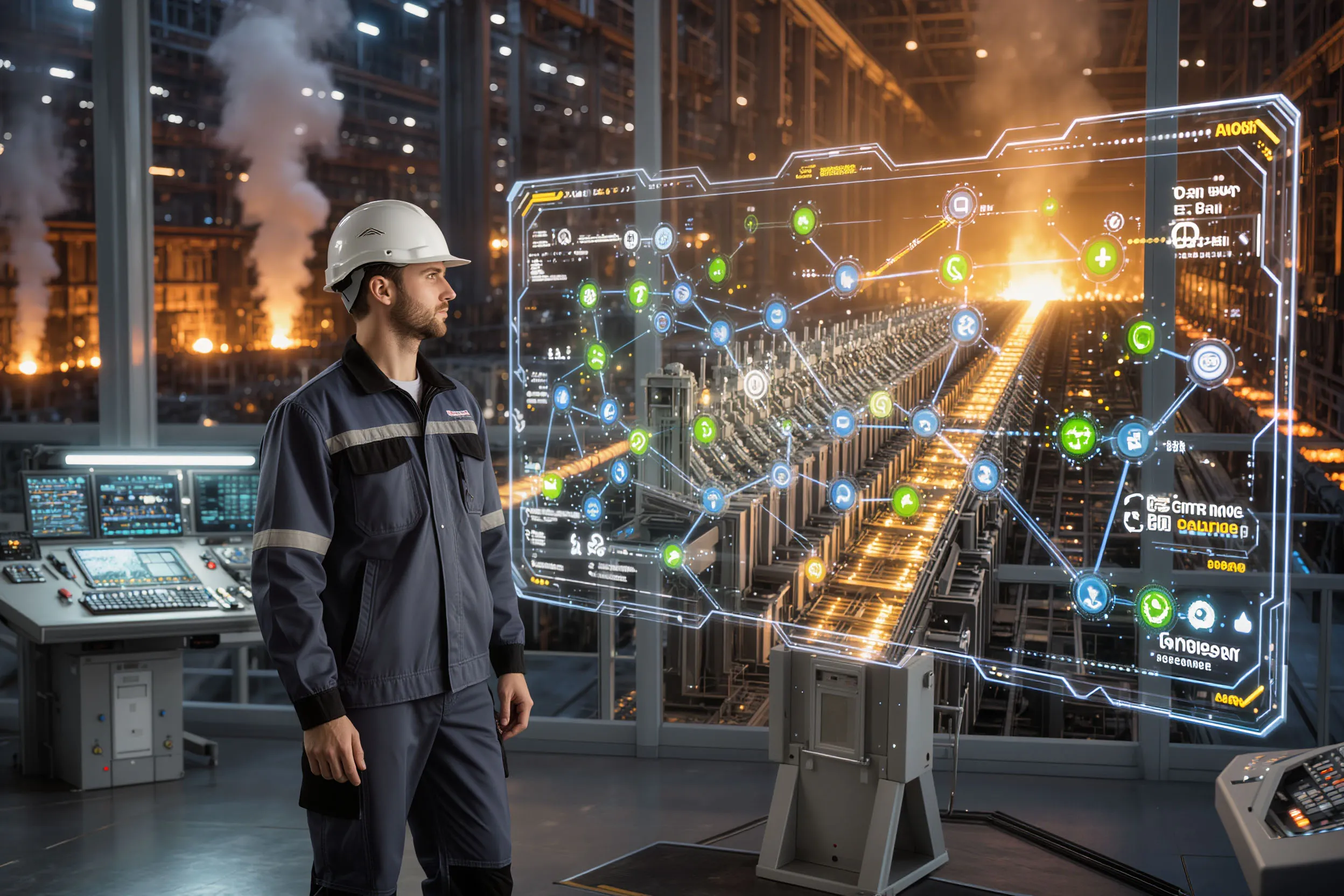
In 2025, MMK also launched a pilot version of the “Production Culture” project, which enables employees to submit improvement proposals on technology, quality, safety and working conditions via a mobile app. The system is expected to become the basis for scaling the initiative across the entire plant.


Digitalization as a Competitive Edge
For one of Russia’s largest steelmakers, this represents a strategic move in the era of industrial digitalization. The multibillion-rubel effect demonstrates that even in a traditional sector such as metallurgy, digital technologies and artificial intelligence deliver tangible economic returns. It clearly shows that digitalization in Russian industry is not simply a trend but a competitive advantage capable of increasing export potential, improving workplace conditions and ensuring compliance with international quality standards.
If MMK’s centralized AI Center successfully scales its solutions, they may become a corporate standard for the entire industry. Particularly promising are initiatives such as “Digital Quality Analysis” and the upcoming online platform for monitoring technological processes – tools that create a foundation for full production transparency, strengthen customer trust and open the way for digital services ranging from logistics to issuing digital quality certificates.
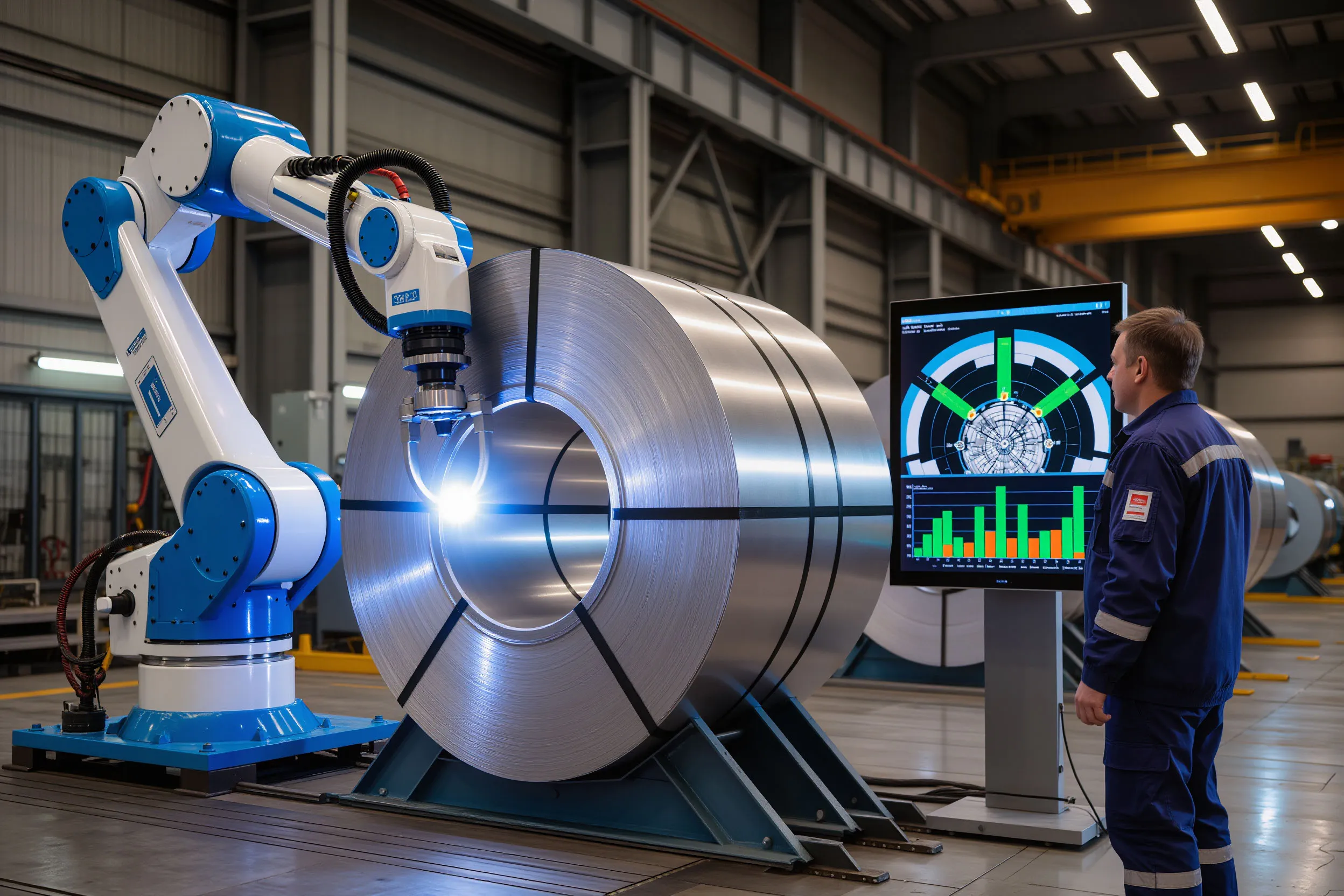
Metallurgy as a Flagship of Digitalization
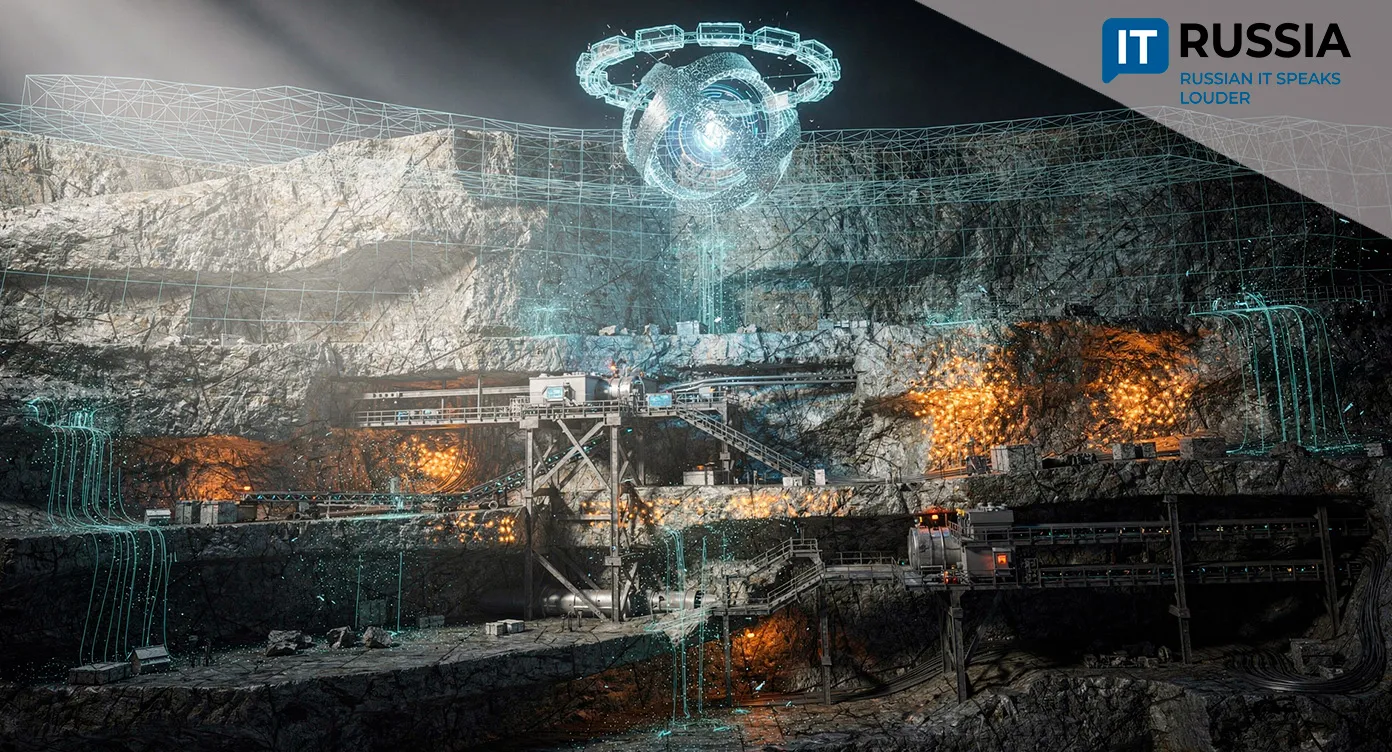
Modern industrial production is undergoing rapid transformation driven by digital technologies, adopted worldwide and accelerating in Russia. The Internet of Things, artificial intelligence, big data, digital twins and predictive analytics now span the full lifecycle of industrial products – from design to delivery.
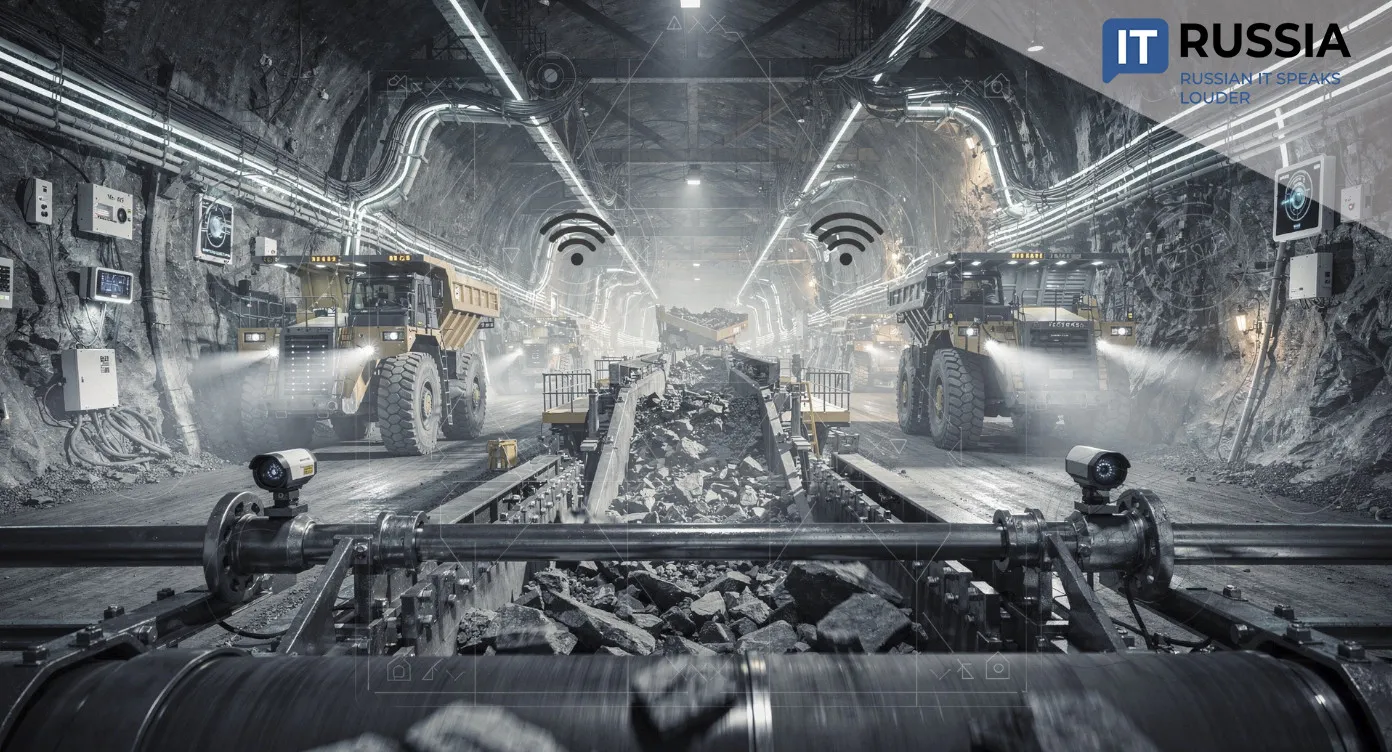
Against this backdrop, Russian metallurgy confidently ranks among the three most digitalized industrial sectors in the country: 93 percent of companies use AI and machine learning; nearly one-third employ digital twins; 60 percent implement IoT solutions. Examples include MMK, which launched a wireless IIoT network for monitoring hard-to-reach equipment, and EVRAZ NTMK, which optimized heat consumption.
The Pipe Metallurgical Company (TMK) more than halved pipe-wall-thickness deviations using a digital twin, increasing profitability; it is now rolling out its “Digital Production” program featuring MES, POTOK, LIMS and TORO automation systems. By 2027, TMK will complete its digitalization program, and by 2028 it plans to adopt prescriptive analytics based on cyber-physical systems that not only forecast failures but prevent them.
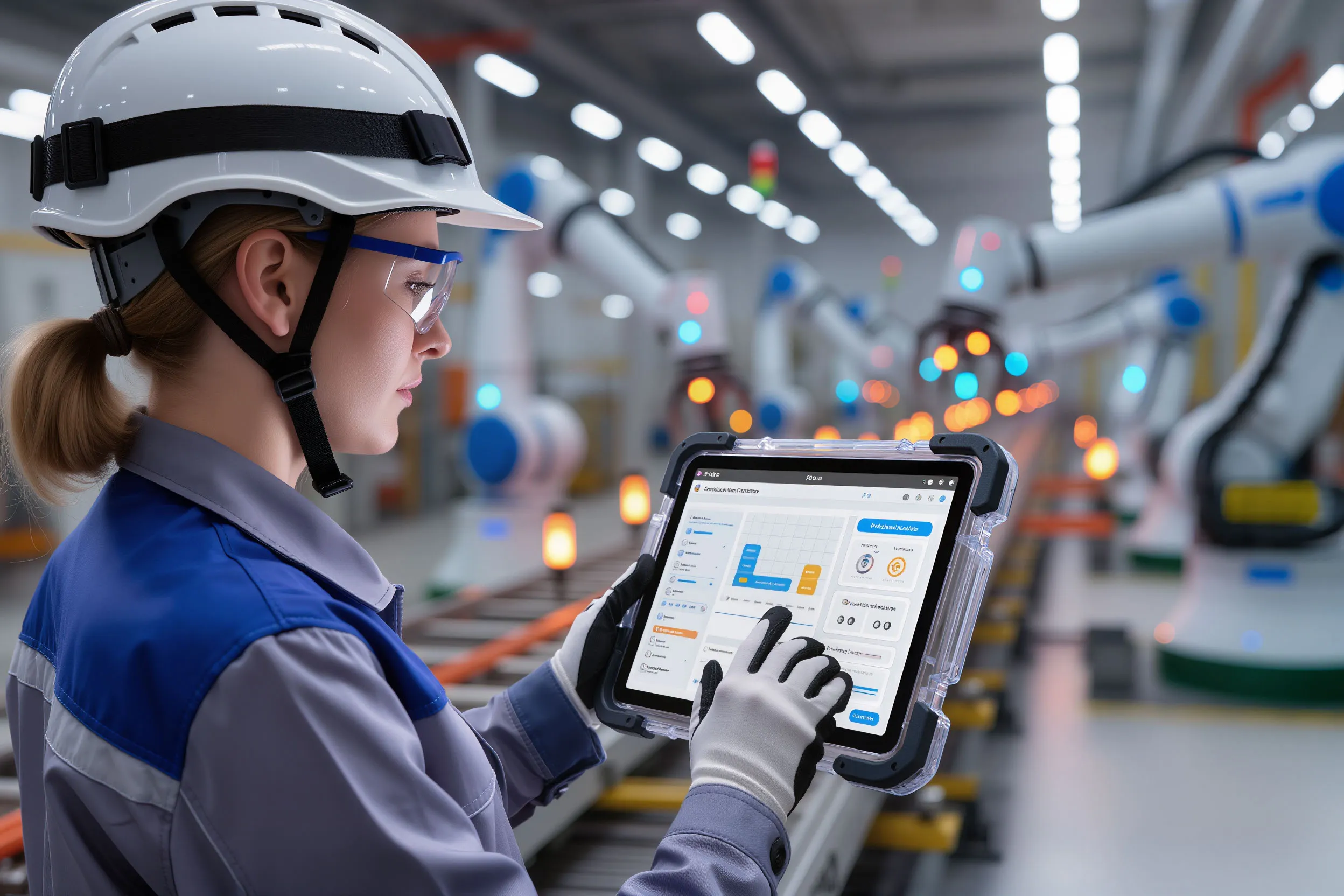
These success stories show that the industry is moving from isolated experiments to systematic digital transformation, proving that Russian heavy industry is capable of creating competitive, import-independent solutions at a global level.
Investing in Technological Leadership
The MMK example clearly demonstrates that investments in digitalization and AI technologies yield substantial economic benefits. Over the medium term, such initiatives will strengthen the competitiveness of Russian steel products both domestically and globally, which will positively affect the industry’s export potential. In the long run, they will accelerate large-scale digital transformation across Russia’s heavy industry, leading to higher productivity, reduced costs, improved product quality and better working conditions. Ultimately, Russian industry will secure stronger positions in global markets.