Russian Scientists Build ‘School’ to Train Robots and Drones at Scale
Researchers have developed a simulation platform for training and testing control algorithms for large fleets of autonomous agents, capable of coordinating thousands at once.
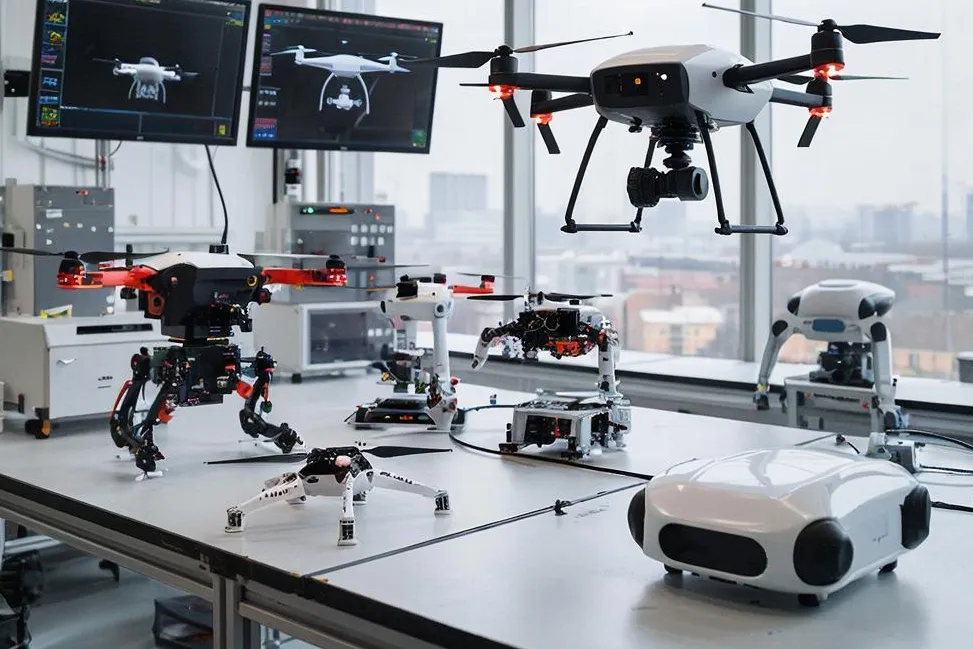
Russian scientists have created a universal environment for training and testing algorithms that manage large numbers of autonomous agents. The system is designed to handle tasks that require coordinating the movement of thousands of agents simultaneously. The developers say it could improve the performance of robots in warehouses and urban logistics systems. State news agency TASS reported the development, citing the press service of the Artificial Intelligence Research Institute AIRI.
CAMAR Speeds Up Training
According to Artyom Pshenitsyn, a researcher in the RL agents group at AIRI’s Cognitive AI Systems Laboratory, the team set out to build a tool that would be fast, flexible, and close to real-world conditions.
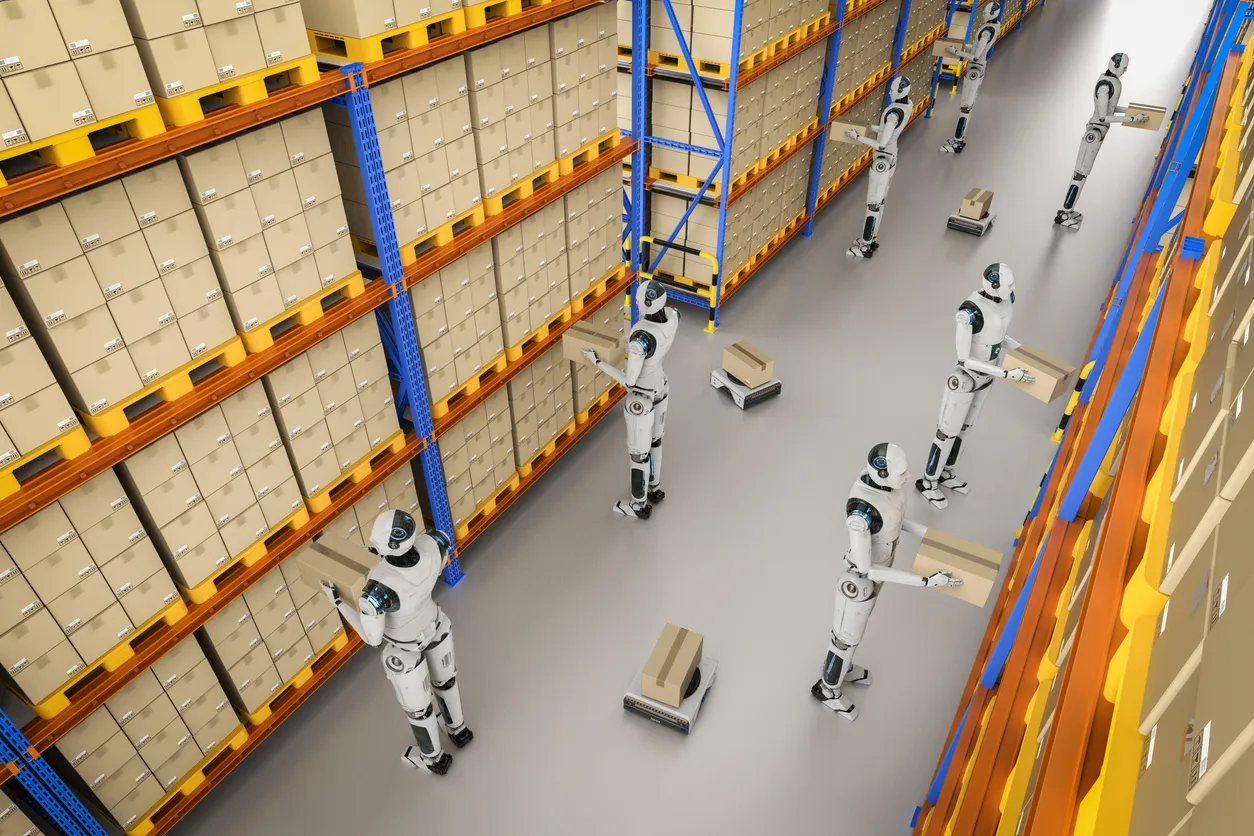
The researcher and his colleagues say coordinating fleets of robots and drones requires hundreds or even thousands of autonomous machines, along with a training environment that realistically models agent behavior and interactions across varied scenarios. The Russian team developed such a platform and named it CAMAR. During simulation, the system processes more than 100,000 movement steps per second of compute time. It can operate with 800 or more robots simultaneously, allowing developers to train algorithms significantly faster and test them in complex scenarios involving large numbers of objects.
A Flexible System
The robot activity simulation platform is highly flexible. Developers can define custom movement rules for agents and generate different types of maps, ranging from simple warehouse layouts to dense urban environments. The environment maintains high processing speeds, enabling comparisons between different robot control approaches, the development of hybrid strategies, and the identification of optimal solutions for specific tasks.
Earlier, we reported that an electronic warehouse management system was introduced at the production preparation division of the Magnitogorsk Iron and Steel Works.