Student-Built Digital Models to Reshape Tram Operations in Russia
Undergraduates model tram routes, identify bottlenecks, and optimize schedules.
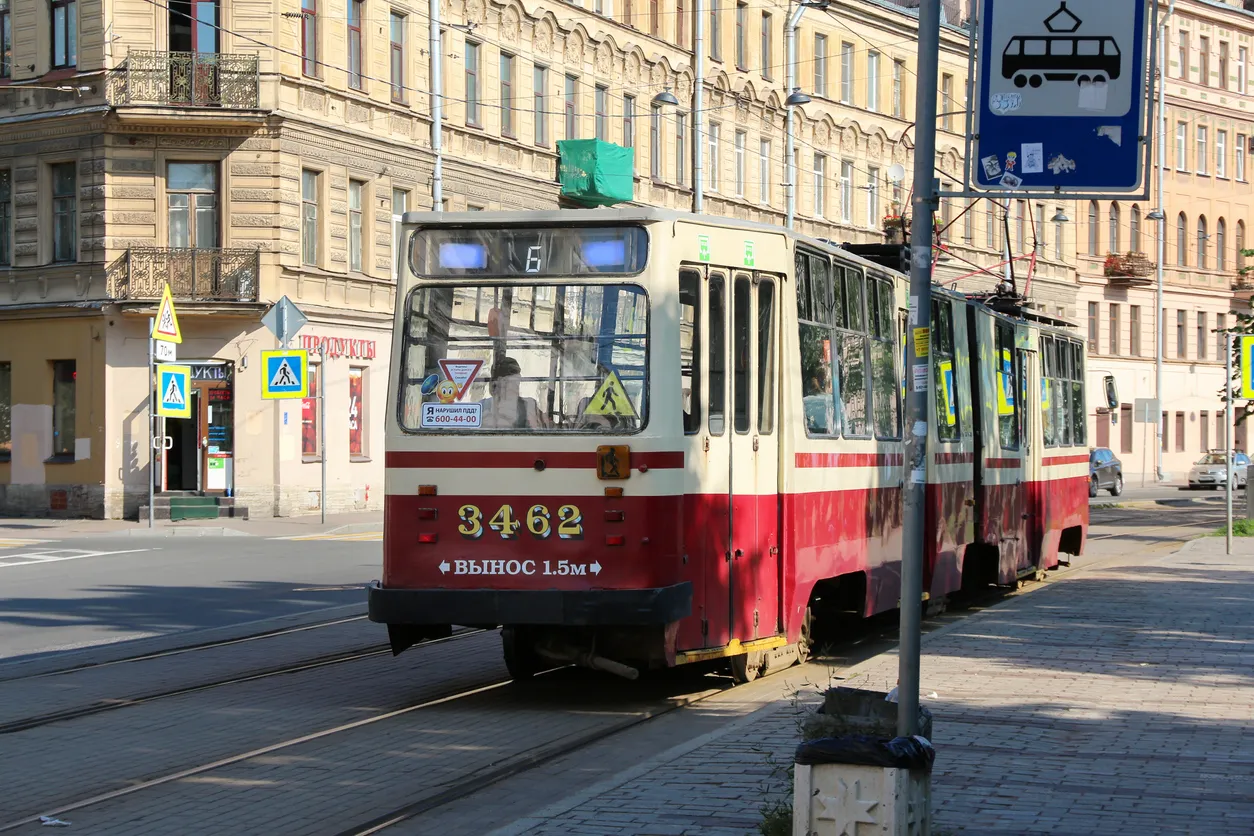
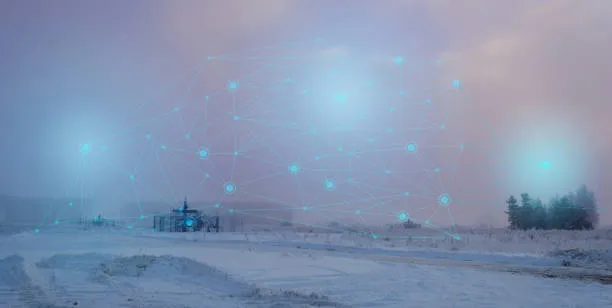
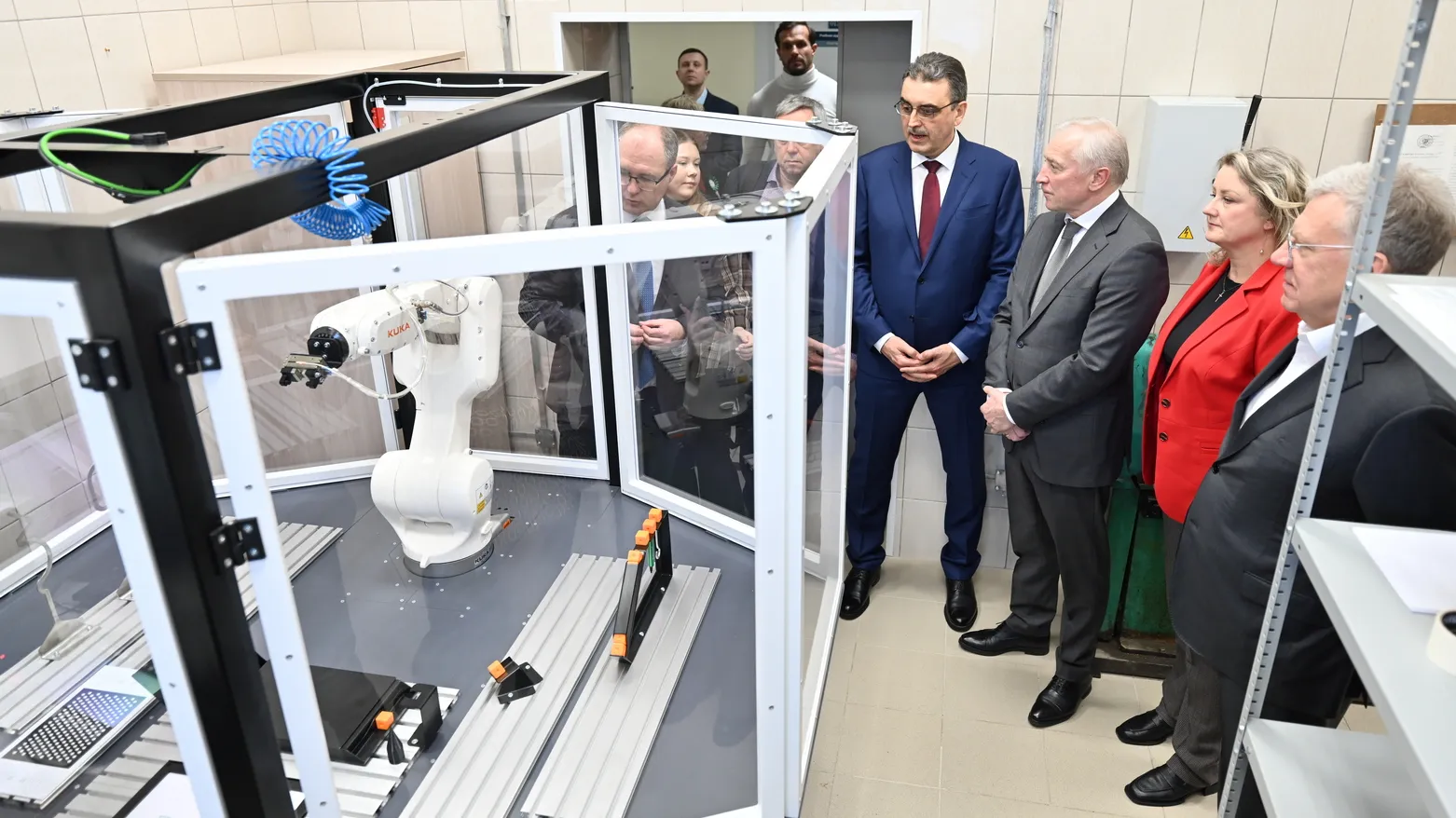
Students at Sankt-Peterburgskiy Politekhnicheskiy Universitet Petra Velikogo (Peter the Great St. Petersburg Polytechnic University) are developing digital models to help manage urban electric transport networks.
The project brings together bachelor’s students from the university’s Institute of Mechanical Engineering, Materials and Transport; the Institute of Computer Science and Cybersecurity; and the Institute of Industrial Management, Economics and Trade.
Project supervisor Marina Bolsunovskaya said the students are working on real-world challenges. They identify bottlenecks along routes, simulate the impact of schedule changes, and propose ways to reduce passenger waiting periods.
Trams of the Future
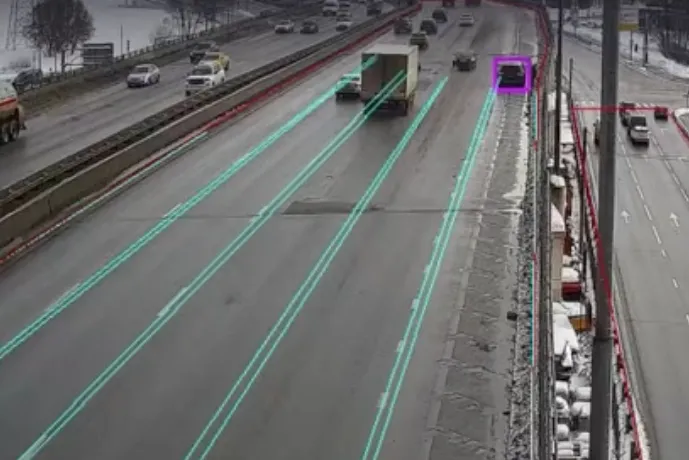
In Moscow, for example, tram operations are being optimized using smart cameras and traffic lights equipped with video analytics. Intelligent systems reduce localized congestion and distribute traffic more evenly across the city.
Earlier, it was reported that the innovative low-floor tram Voevoda was equipped in Russia with an AI-based driver assistance system. The neural network can help prevent emergency situations by applying automatic braking and can also regulate the vehicle’s energy consumption.