Russia’s ZBO S15E drilling rig passes extreme field trials
Rosatom’s mining division conducted field trials of the ZBO S15E drilling rig at a uranium deposit, subjecting the equipment to harsh operating conditions to validate its performance and reliability.

Extreme field testing
The multi-day trials were carried out at the Vershinnoye uranium deposit in the Bauntovsky Evenki District of Buryatia, where temperatures dropped below –25 °C. The site is operated by Khiagda, a subsidiary of Rosatom’s mining division.
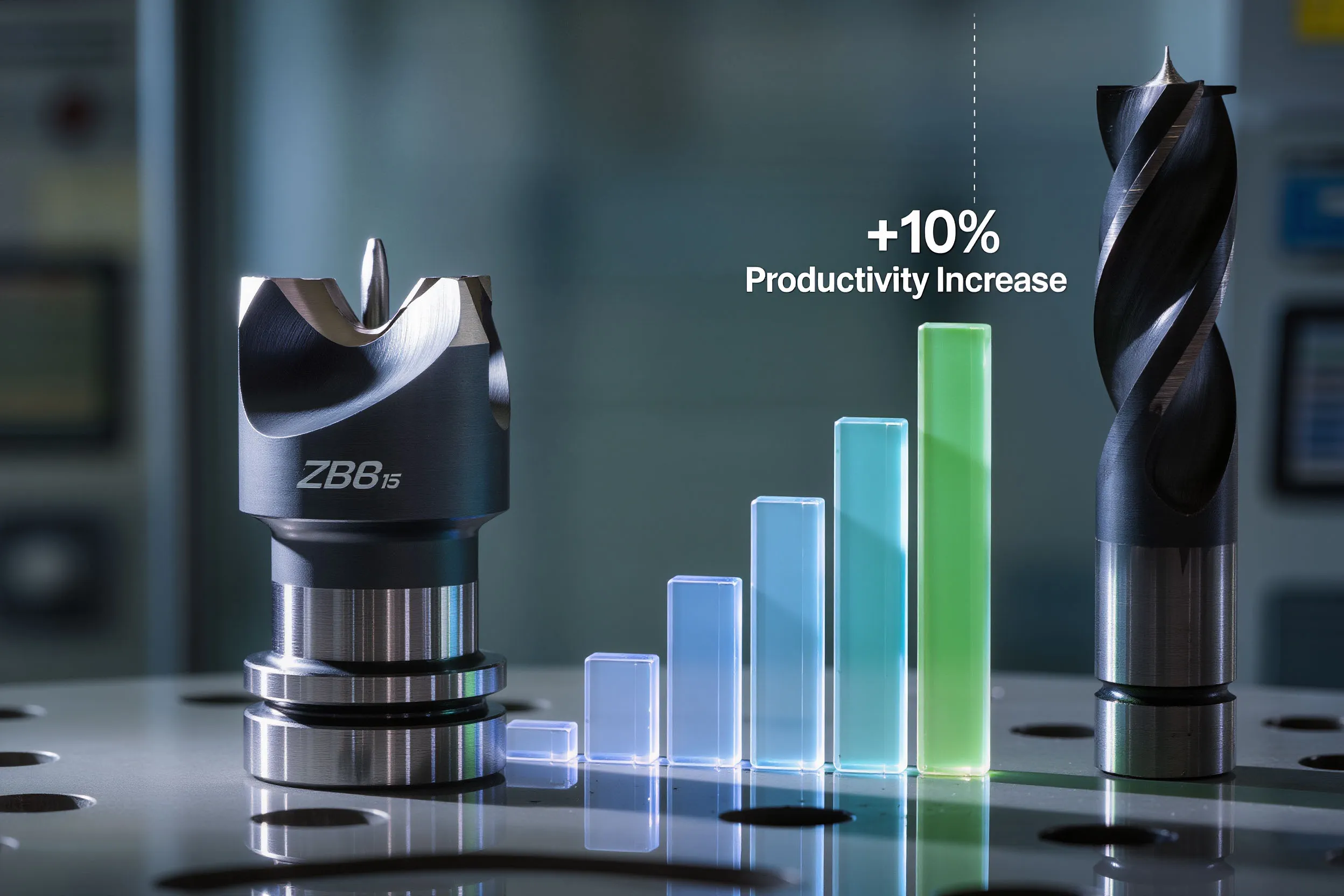
During the test period, the ZBO S15E demonstrated stable operation with no technical failures recorded. Not a single malfunction was identified throughout the trial. In the first seven days alone, the rig delivered an approximately 10% increase in productivity compared with previously used imported analogues. The trial formed part of a broader import substitution programme for drilling equipment. It follows an agreement signed in summer 2025 between Russia’s Ministry of Industry and Trade, ZBO, and Rusburmash. Serial production of the rigs began in Orenburg in September this year.
Smart drill technology draws attention
Development work is continuing. Looking ahead, manufacturers plan to supply a more powerful and versatile self-propelled drilling rig, the ZBO S50, built on a KAMAZ 65201 chassis and designed to drill to depths of up to 3,000 metres. According to the developers, this will allow Rosatom to fully transition to Russian-made drilling equipment within the next five years.
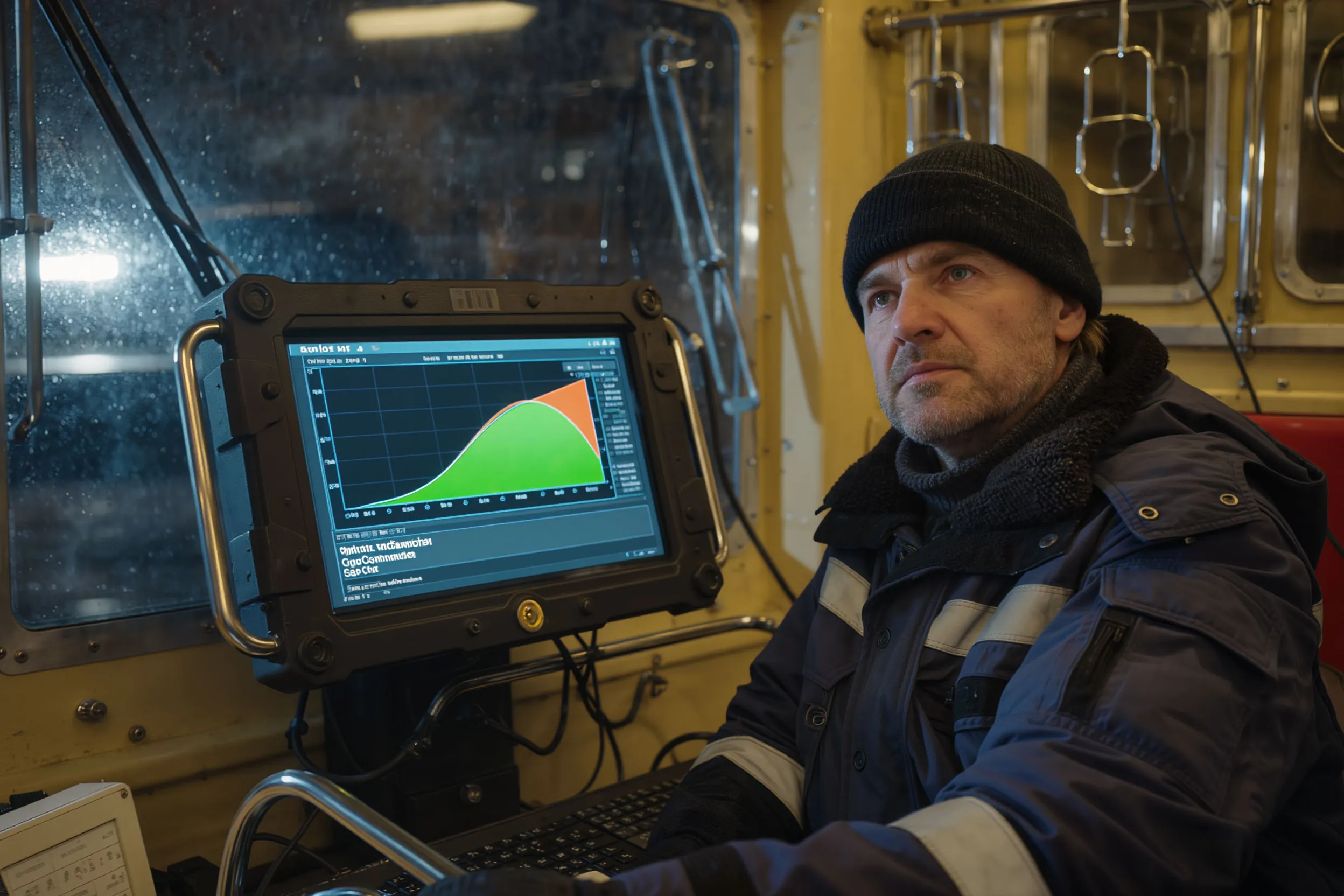
The trials also showcased the Smart Drill technology, which provided uninterrupted real-time monitoring of drilling parameters. All operational data were recorded, while reports were generated during testing using a neural network-based chatbot. The system displays key process indicators in real time, including torque, drill string weight, bit load, and drilling fluid pressure. By applying artificial intelligence, the platform improves quality control and accelerates decision-making, making operations simpler, safer, and more efficient.


A landmark agreement
The cooperation agreement on import substitution in drilling equipment was signed in June 2025 at the St. Petersburg International Economic Forum. Today, the Drilling Equipment Plant is operating at capacity, focused on serial production of reliable, versatile drilling rigs as well as assemblies and components.

Rusburmash is also expecting delivery of the multifunctional, self-propelled ZBO S50 drilling rig with a top drive system. Developed by ZBO on the KAMAZ 65201 chassis, the rig’s 3,000-metre drilling depth is expected to enable the Russian drilling contractor to complete its transition to domestic equipment within the next five years.
Industry experts see strong prospects for widespread adoption of the new equipment. They highlight its reliability, versatility, advanced technology, and build quality. Company representatives are confident that, together with Rosatom specialists, they can continue developing rigs that fully meet customer requirements.
No more downtime
Without exaggeration, the project is critically important for Russia’s mining equipment manufacturing and geological exploration sectors. The rigs directly address one of the most serious market challenges of recent years. Although the equipment is designed primarily for geological exploration and, in particular, uranium deposits, its significance extends well beyond this niche. The project carries substantial weight for Russia’s nuclear industry and the broader mining sector.
The transition to domestic drilling rigs represents a step toward technological independence, reducing reliance on imported equipment and strengthening sovereignty in a strategically vital industry. Improved efficiency and reliability in extraction will accelerate and simplify the expansion of the raw material base for nuclear power plants and fuel programmes. At a national level, the project demonstrates reduced vulnerability to external sanctions.
Industrialisation under sanctions has acted as a catalyst for local innovation. At the same time, the export potential of these solutions now appears increasingly realistic, especially given the flawless performance of the rigs in Arctic-like extreme conditions. Continued progress in automation and robotisation remains essential.
The shift to domestically produced drilling equipment is a gradual but systematic process, and the current success is the direct result of coordinated efforts in development, serial production, and integration of new machinery.