Siberia Is Building the Construction Technologies of the Future
Researchers in Siberia have developed a digital platform capable of designing optimized concrete mixes, combining physics‑based modeling, advanced mathematics, and AI into a single engineering tool.
Physics, Mathematics, and AI in One Solution
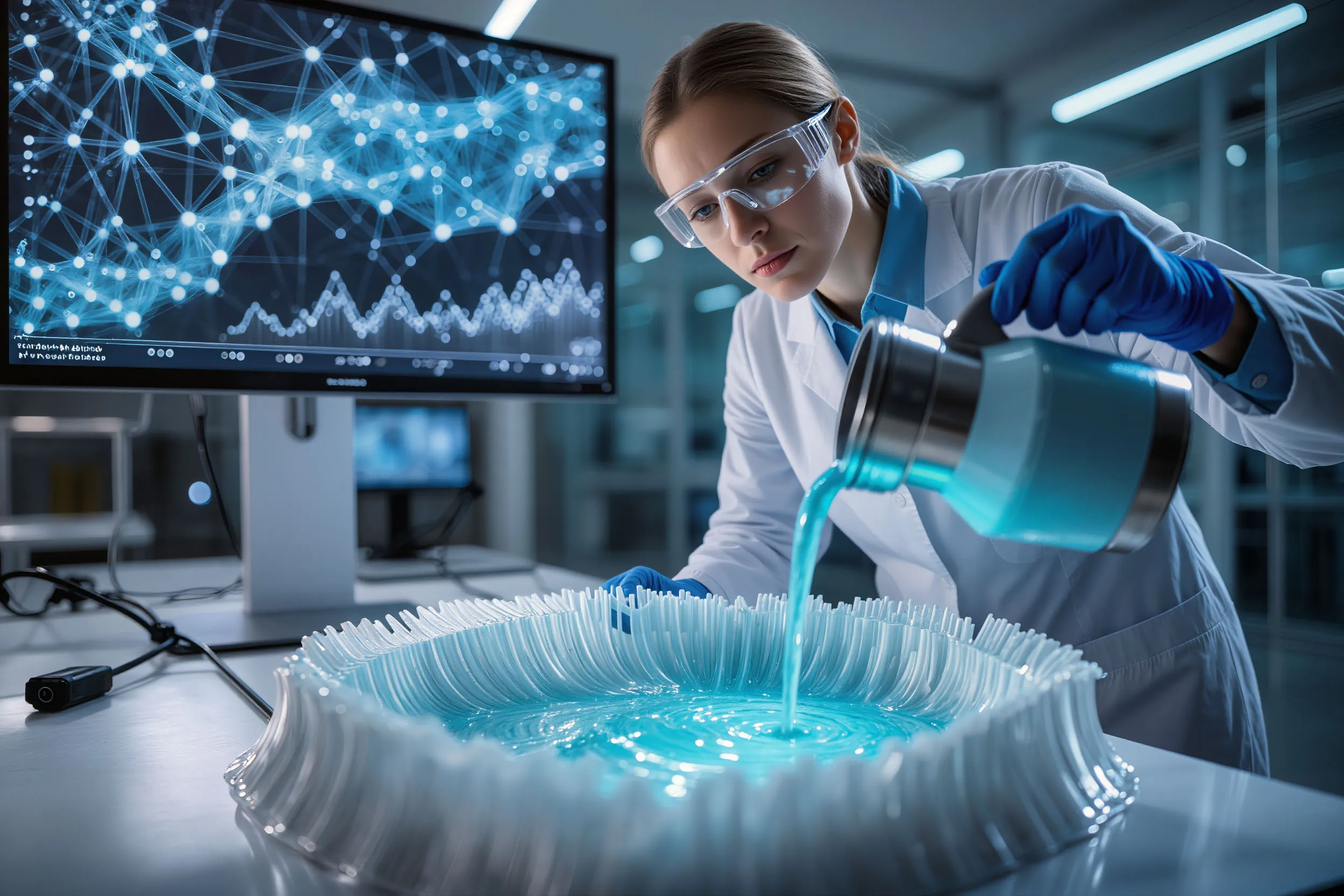
Scientists at Tomsk State University of Architecture and Building (TSUAB) have achieved a major technological breakthrough by developing an innovative system based on their own physico-mathematical model and a neural network that can calculate the optimal composition of concrete mixes in just one hour. The system takes into account the properties of specific dispersed components—cement, sand, quartz flour, and chemical admixtures—and selects their proportions in line with the required performance parameters of the final material.
The resulting mixes are characterized by high flowability, frost resistance, strength, a uniform structure, and the absence of segregation. This has made it possible to create a self-compacting fine-grained concrete that requires less cement, maintains stable properties, and can be easily adjusted to changing requirements—whether density, strength class, or workability of the mix. Such a material is especially in demand for constructing complex structures: thin-walled shells, heavily reinforced elements, high-rise buildings, as well as nuclear industry facilities where concrete must meet extreme performance requirements.
Reducing cement consumption not only lowers construction costs but also reduces environmental impact, since cement production is one of the largest sources of global CO₂ emissions.


Industrial 3D Printing of Homes
Earlier, TSUAB researchers introduced an enhanced construction 3D‑printing technology using a high-strength mix derived from regional raw materials—sand, cement, and industrial by‑products from Siberian factories. The material is environmentally friendly, resilient to rain and wind, adapted to severe climates, and has passed quality control. The system can print up to 100 square meters of housing in 100 hours, including complex architectural elements requiring no additional finishing. Construction needs only two operators, improving safety in high‑risk zones from seismic regions to remote locations. The technology is already being adopted by industrial partners and entering production.
A Universal Formula for Concrete
TSUAB’s innovation holds industrywide importance. For companies, it enables cost savings through lower cement consumption, accelerates design and production, and supports import substitution under sanctions. For citizens, it promises safer, higher‑quality, and more affordable housing. For the state, it strengthens technological independence and competitiveness across the construction sector.
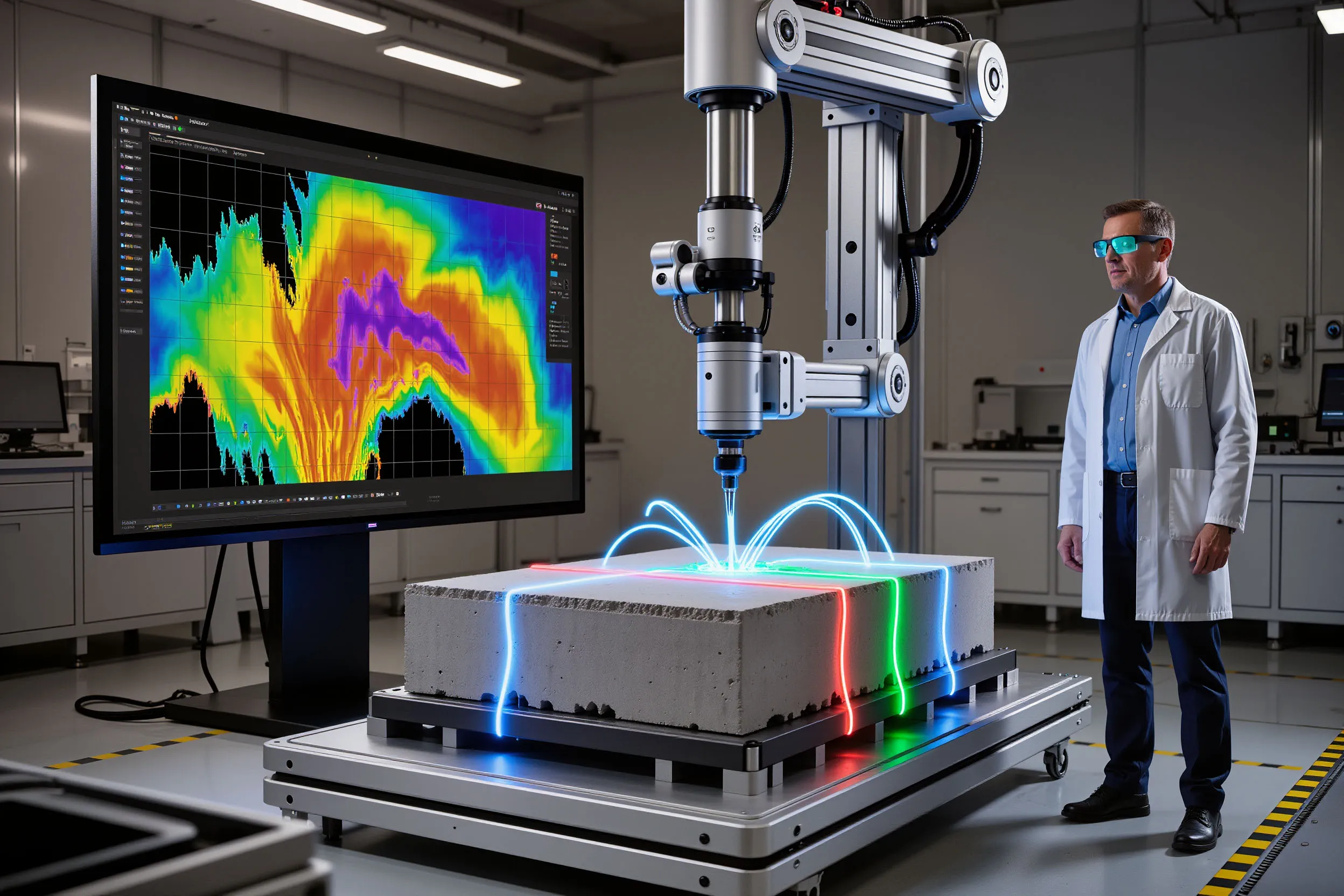
To enter international markets, the technology will require certification, standardization, and calibration for local raw-material characteristics, which directly influence model effectiveness. Even so, the solution has clear export potential. Its universal methodology—integrating materials science, physics‑based modeling, and machine learning—can be adapted to global norms.
Further development will expand in multiple directions: new additives and secondary materials (fly ash, slag, recycled concrete); adaptation to diverse climates and aggressive environments; and integration with BIM and digital‑design platforms for end‑to‑end workflows from design to manufacturing.
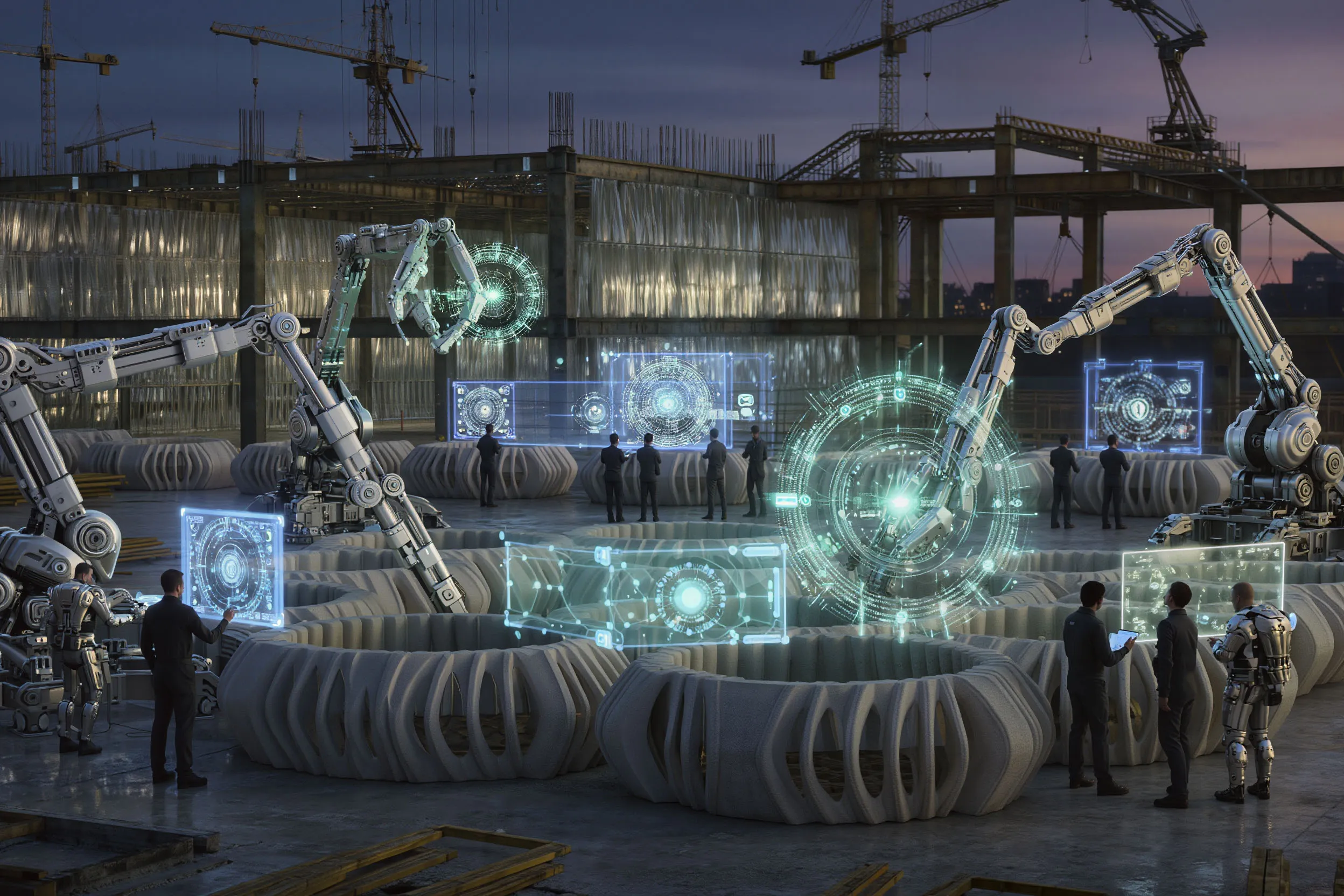
AI-Engineered Concrete as an Industry Driver
Global research trends align strongly with this direction. Between 2023 and 2025, major studies explored machine‑learning methods for concrete engineering: optimizing mix designs with many variables, predicting strength and durability, and reducing carbon impact. Work published through ScienceDirect, MDPI, Frontiers, and SpringerLink underscores that AI‑driven concrete science is becoming a long‑term worldwide trend.
TSUAB’s technology not only reaches international standards—it offers a fast, practical, and cost‑effective solution that could reset industry expectations. In the medium term, broad deployment across Russia is anticipated; in the long term, export of both knowledge and technology appears likely. Ensuring reproducibility, standardization, and real‑world durability will be key to global success.