Smart Charging as a Driver of E-Mobility: Tatarstan Sets the Pace
Tatarstan is preparing to expand its network of charging stations for electric vehicles by nearly 50 percent: from 250 stations at the beginning of 2025 to 350 by 2028.
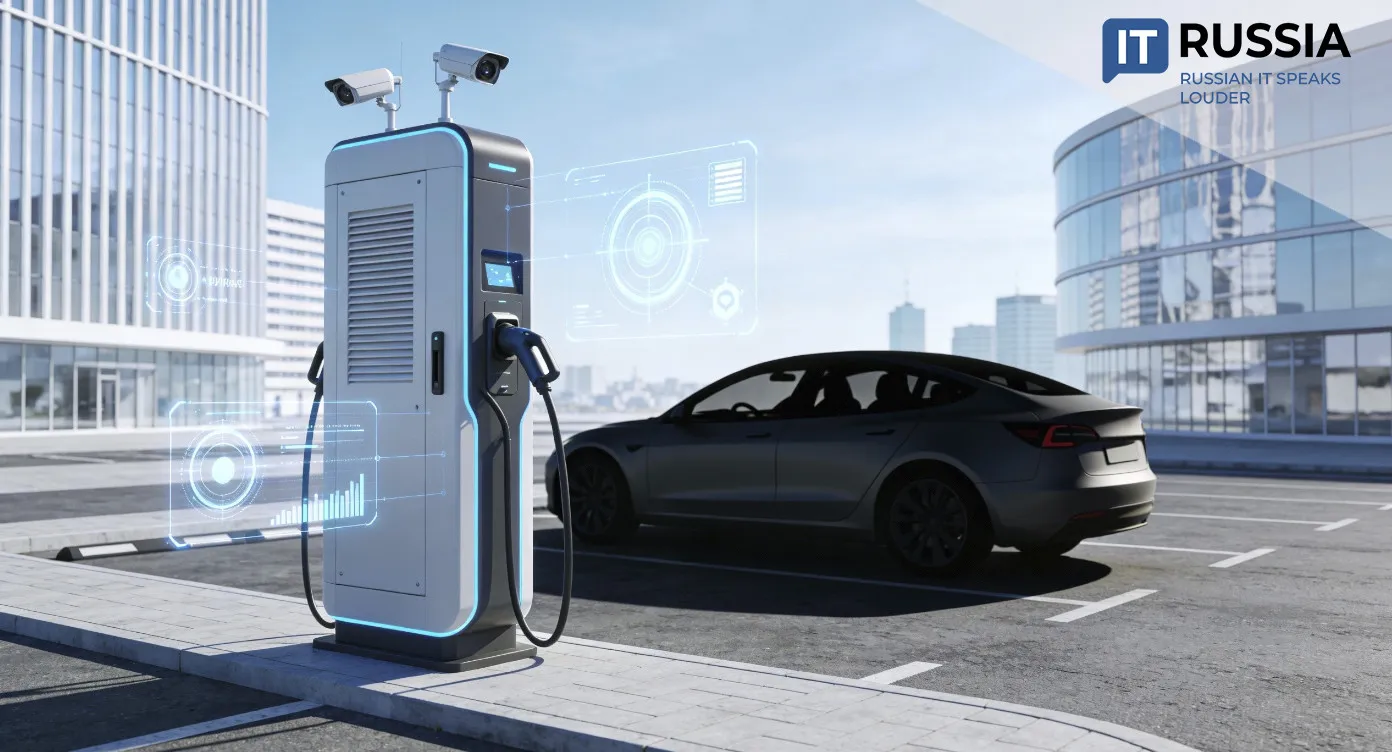
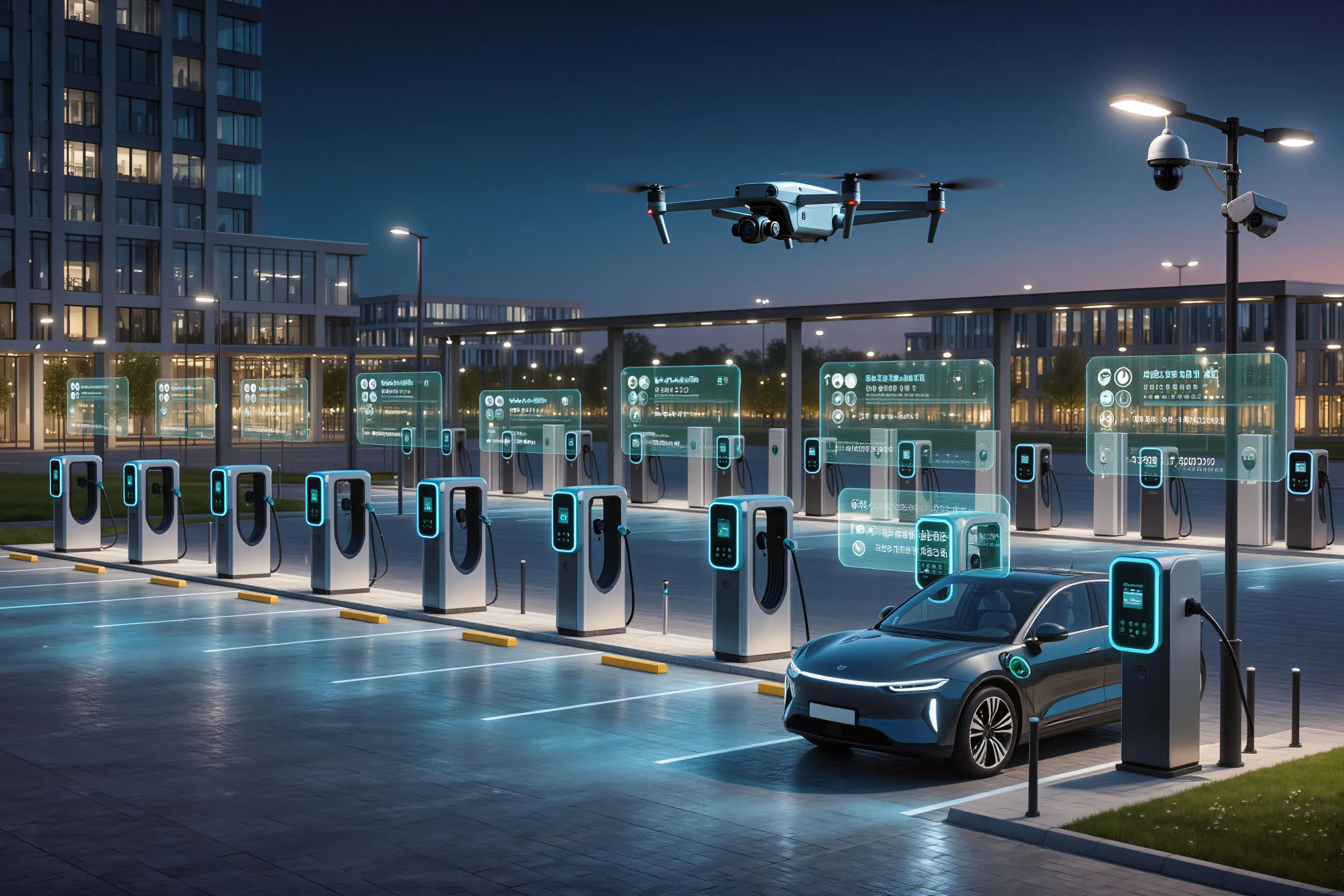
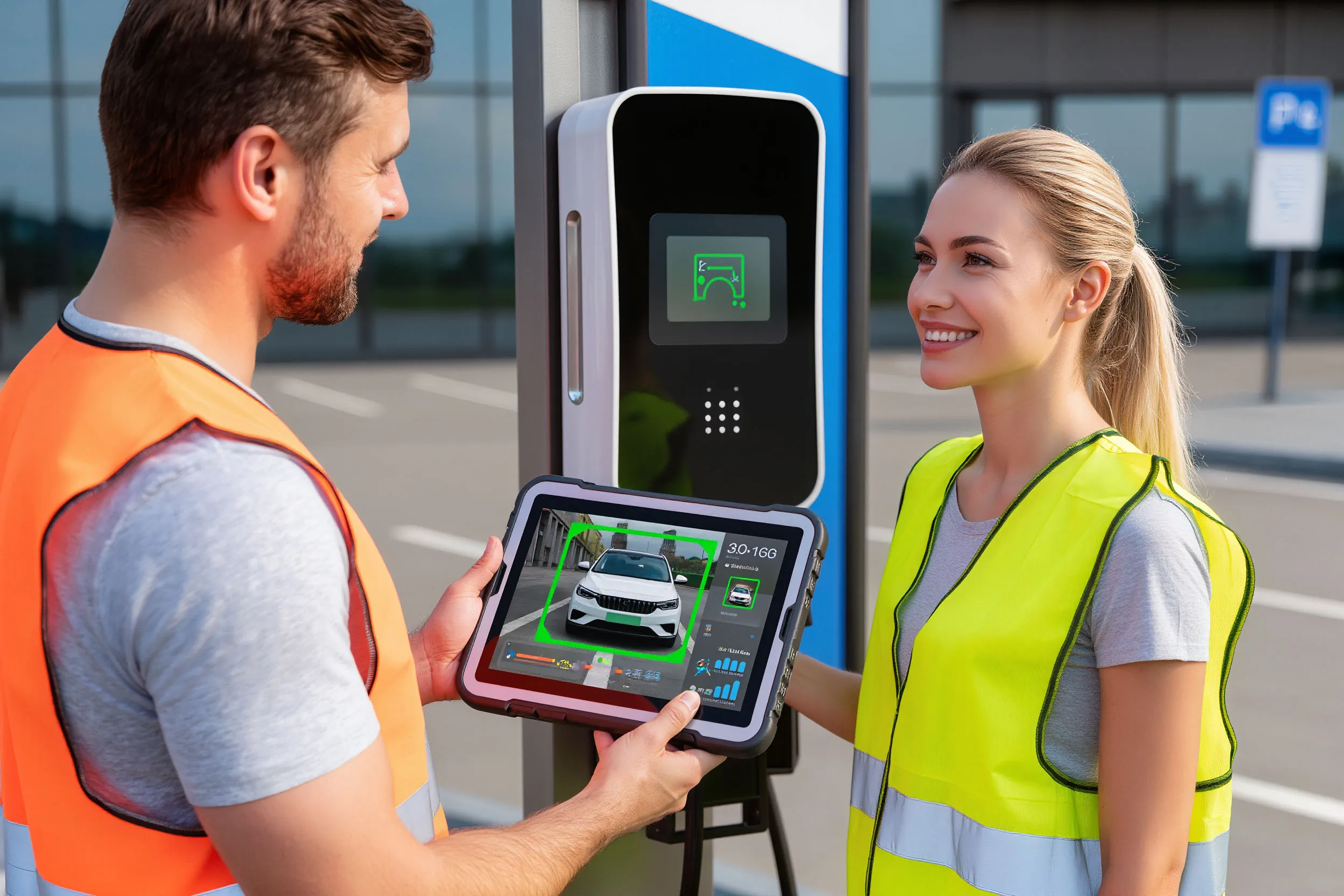
In Tatarstan, one of Russia’s most technology-driven regions, EV infrastructure is developing rapidly. In 2025, the republic installed 15 smart charging stations – and these are not merely charging points but full-fledged digital hubs operating on artificial-intelligence systems. These stations already address one of the most persistent problems in EV adoption: internal-combustion-engine vehicles blocking charging spots. License-plate recognition, video monitoring and real-time parking-occupancy tracking enable operators to quickly detect violations and notify both drivers and station operators via mobile app. This approach turns charging from a routine action into a technologically coordinated process.
From Pilots to Scale
The development of charging infrastructure in Tatarstan is not a spontaneous decision but the result of systematic work initiated back in 2022–2023. During that period, regional authorities launched pilot projects, subsidized private investors and expanded the geographic reach of public charging stations. By January 2025, the number of electric vehicles in the republic reached 1,684 – an increase of 760 over the year. Yet even at that pace, demand outstripped supply: the lack of chargers was felt most acutely along highways and in smaller towns. Today the situation is changing: Tatarstan already operates 184 charging stations, including fast chargers up to 150 kW. By 2028, the number is expected to double to 350.
Technology as the Standard of the Future
A defining feature of Tatarstan’s model is its emphasis on intelligent infrastructure. Whereas capacity and the number of stations were once the primary focus, today the quality of user interaction is moving to the forefront.


Smart AI-driven chargers not only power vehicles but also manage the surrounding space: they control parking, prevent vandalism and maintain real-time communication with users. This approach may become a new national standard. Other regions are already showing interest in similar solutions. If operation remains successful over the next few years, Tatarstan’s developments could be exported – both as turnkey stations and as software platforms.
Electric Vehicles as a Growth Catalyst
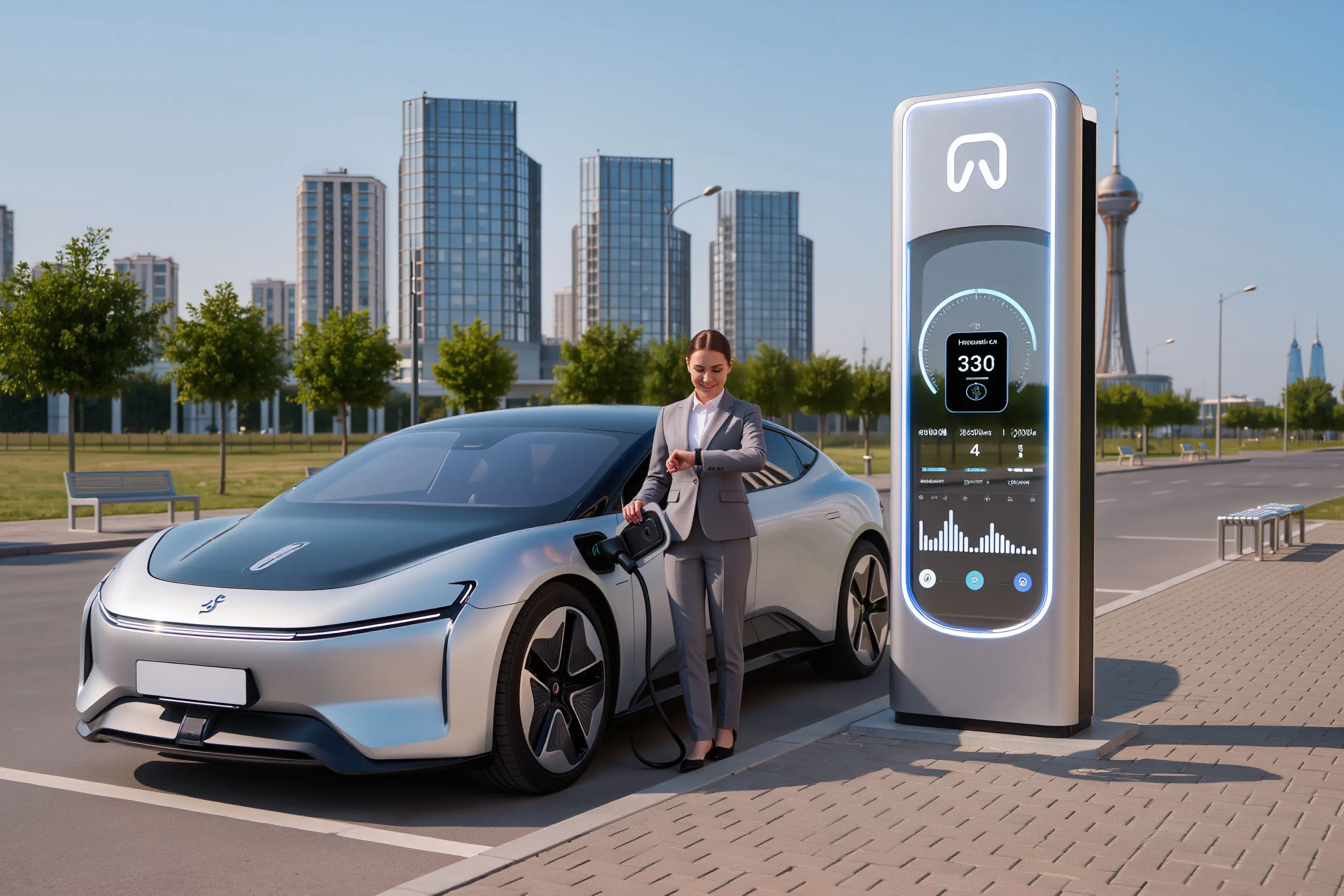
Infrastructure growth directly affects demand. As early as 2026, Russia may see the debut of its domestic EV, Atom, which is being designed with the local market in mind. The presence of a robust smart charging network will become a compelling argument in favor of purchasing such vehicles. Tatarstan is also considering integrating electric transport into public-transport systems – e-buses, taxis and carsharing fleets. This creates pathways for reducing environmental impact and improving urban-environment quality.
From Local Success to Systemic Change
Tatarstan demonstrates how a regional initiative can become a valuable model for the entire country. However, success depends on two conditions: stable government support and public trust in EVs.
If infrastructure expansion is not matched by vehicle affordability, charging stations may remain underutilized. Nevertheless, the current strategy – combining state programs, private investment and digital solutions – appears promising. Tatarstan may not only outpace other regions in the transition to green mobility but also offer Russia a ready-made model for scaling e-mobility nationwide.