Taxi Legality Checks Now Available on Russia’s Gosuslugi Portal
*The new service makes taxi rides safer by reducing the number of illegal carriers. Additional functionality may be added in the future.*

Fewer Illegal Operators
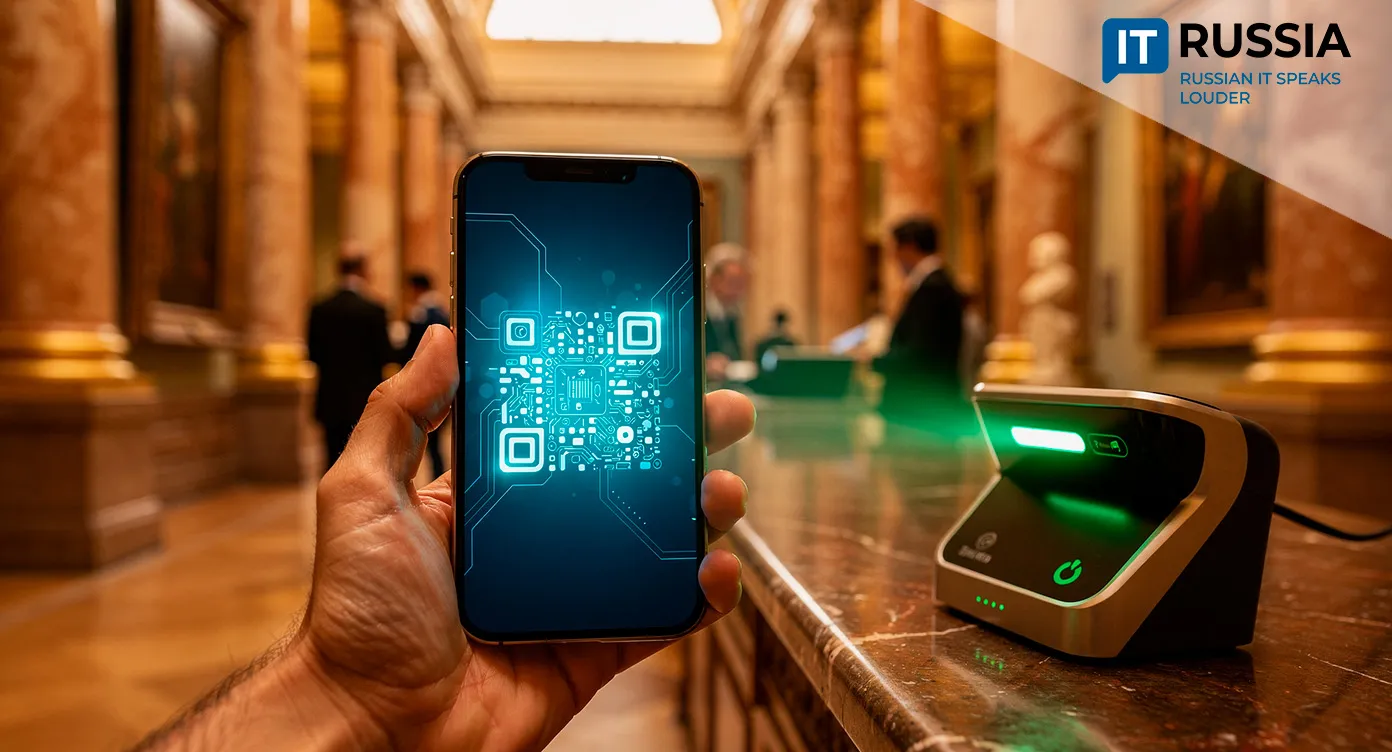
A new service has been launched on Russia’s Gosuslugi public services portal that allows passengers to verify the legality of a taxi and its driver. Information about the vehicle and the carrier is now available online through portal tools. Verification can be performed in two ways: by scanning a QR code inside the vehicle using the Goskan feature in the Gosuslugi mobile app, or by manually entering the vehicle’s license plate number and region into the “Taxi Legality Check” service on the portal. Taxi and carrier data is sourced from the federal Taxi information system operated by the Ministry of Transport, which serves as the official registry of licensed carriers and registered vehicles.
The primary goal of the new service is to improve passenger safety and reduce the number of illegal taxi operators. Providing accessible and transparent information about taxi services plays an important role in everyday digital safety for citizens and in maintaining effective oversight of the transport sector. The new functionality increases public trust in taxi services and supports efforts to curb illegal operations in Russia. From an IT policy perspective, the launch also serves as an example of how digital government services are expanding through deeper integration of state registries into user-facing platforms.
Transparency and Oversight
The most immediate effects of the service include improved digital transparency and stronger enforcement of transportation regulations. At the same time, the integration of new digital tools helps reinforce trust in electronic government and in the Gosuslugi platform itself. Over time, the service could be expanded through integration with other safety-related services or adjacent registries, such as checks for outstanding fines or insurance records associated with a driver.

The service reflects Russia’s accumulated experience in digitizing transport infrastructure, which could be relevant for international markets, particularly in countries with developing e-government ecosystems. As a result, the solution may also be presented as a case study at international conferences focused on digital governance and smart-city services.

The Shift to Digital Control
Russia has been steadily expanding its portfolio of digital tools aimed at improving transport safety. As early as 2021, Moscow and the Moscow region introduced the Taxi Operations Analytics monitoring system to oversee drivers and vehicles. In 2023, new requirements for the national taxi registry came into force, with mandatory registration of drivers and vehicles becoming a core condition for legal operations.

Since 2024, the role of the Gosuslugi portal in digital public administration has continued to grow. More than 340 million requests for public services are processed annually through the portal as part of the broader push toward digital government. By 2025, this trend has expanded into transport oversight and passenger safety services. In this context, the launch of a taxi legality verification service on Gosuslugi appears as a logical next step in the evolution of digital public services for transport regulation.
Expanding the Functionality
The new service strengthens digital governance in the transport sector, making processes more transparent and safer for citizens. QR-based verification tools and registry integration improve service quality and create a form of digital oversight of the market. The service fits naturally into Russia’s broader strategy for developing electronic government and national digital infrastructure.

Looking ahead, the platform could be expanded with analytics tools, fine tracking, trip histories, and integration with road safety systems. Additional digital verification methods through mobile apps and voice assistants, such as Robot Max, are also possible. Over the longer term, similar services could be extended to other forms of passenger transport.