Technology Empowering Philanthropy in Russia
Digital transformation in Russia is driving sustainable development not only across the economy, but also within core social institutions. As businesses expand the country’s technological infrastructure, nonprofit organizations are increasingly able to deliver more help, faster and at scale.
Nonprofits Move Into the Digital Space
In the commercial sector, we have long been accustomed to IT assistants handling administrative workloads, increasing productivity and enabling businesses to scale. Traditionally, such tools required significant investment, placing them out of reach for nonprofit organizations. But nationwide digitalization and deeper engagement from socially responsible businesses have changed this landscape for Russian NPOs.
Today, 93 percent of Russian nonprofits maintain an online presence, 87 percent use digital communication channels, 82 percent apply IT tools in their operations, and one in three conducts fundraising online. These figures were highlighted at the Technology for Good Forum in Moscow.
A Platform for Heartful Solutions
Even small, regional nonprofits can now access the same tools used by commercial companies. Their gateway is the Technology for Good platform, created with the involvement of Sovcombank and the Skolkovo Foundation.
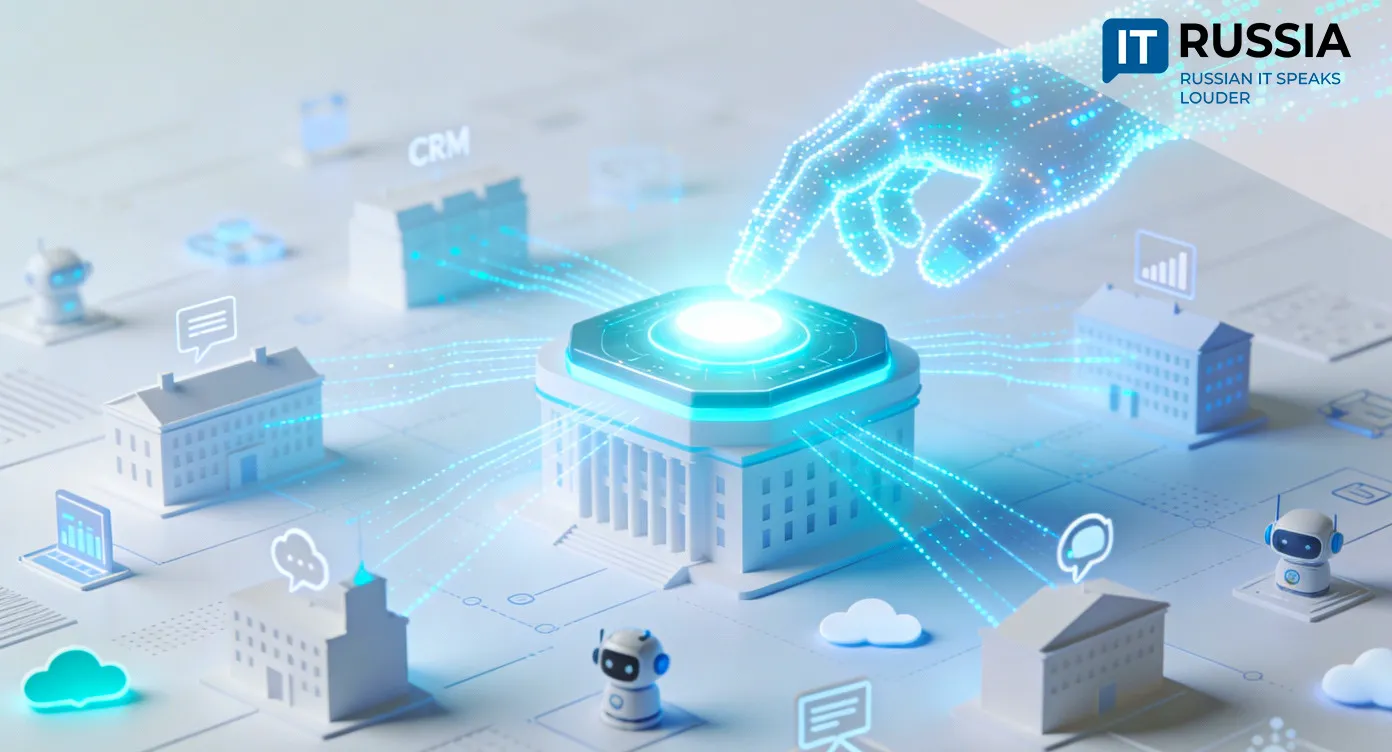
Functioning as a centralized, turnkey digital solutions hub and a marketplace of social technologies, the platform gives nonprofits free access to IT services: CRM systems, chatbots, cloud storage, analytics tools and automation for routine workflows. Organizations across Russia, including those in small towns and rural regions, can select solutions tailored to their needs, from automating donations to managing beneficiary databases and generating reports.

The project’s goal is not simply software distribution, but building a sustainable ecosystem where businesses contribute technology and nonprofits deliver social impact more efficiently.
Systemic Transformation
Digital transformation in the nonprofit sector has been progressing for years. A notable example is the Butterfly Children Foundation, which collaborated with an IT company to develop its own Cherry CRM system. With it, the foundation reduced reporting times from several months to a single click, and registering a new beneficiary now takes just 30 minutes instead of several days.

Another major case is Tooba, a mobile application designed for online donations. More than 126 charities worldwide collaborate with the platform, which has raised over 3223 million rubles in three years, helping hundreds of thousands of people. Tooba has become a symbol of fundraising’s shift into the digital realm.
New Standards for Social Technology
The business + IT + nonprofit model is not merely philanthropy, but a long-term partnership. It is forming the infrastructure for a new segment of social technologies. For the IT market, this opens an entirely new niche. Companies can adapt their products to the specific needs of the social sector, test them in real-world settings, and create specialized solutions such as CRM systems for rehabilitation centers or analytics tools for environmental projects.

In this context, the digital economy becomes a foundation not only for GDP growth, but for social value, where technology serves people rather than profit. Digitalization for nonprofits is no longer a trend, but a new standard.