From Request to Patient: Russia Launches Medication Tracking System in Clinics
At Samara State Medical University, developers have introduced a software module Uchet lekarstvennykh sredstv (Medication Accounting) that integrates procurement, inventory, and drug distribution into a single transparent system. The solution is already deployed in the university’s clinics and helps care teams and administrators deliver medications to patients more quickly and accurately.

In Samara, the team has built a comprehensive tool for medication supply management. The module covers the entire workflow, from the moment a physician defines a clinical need to the point when the medication is dispensed to the patient.
How the System Works
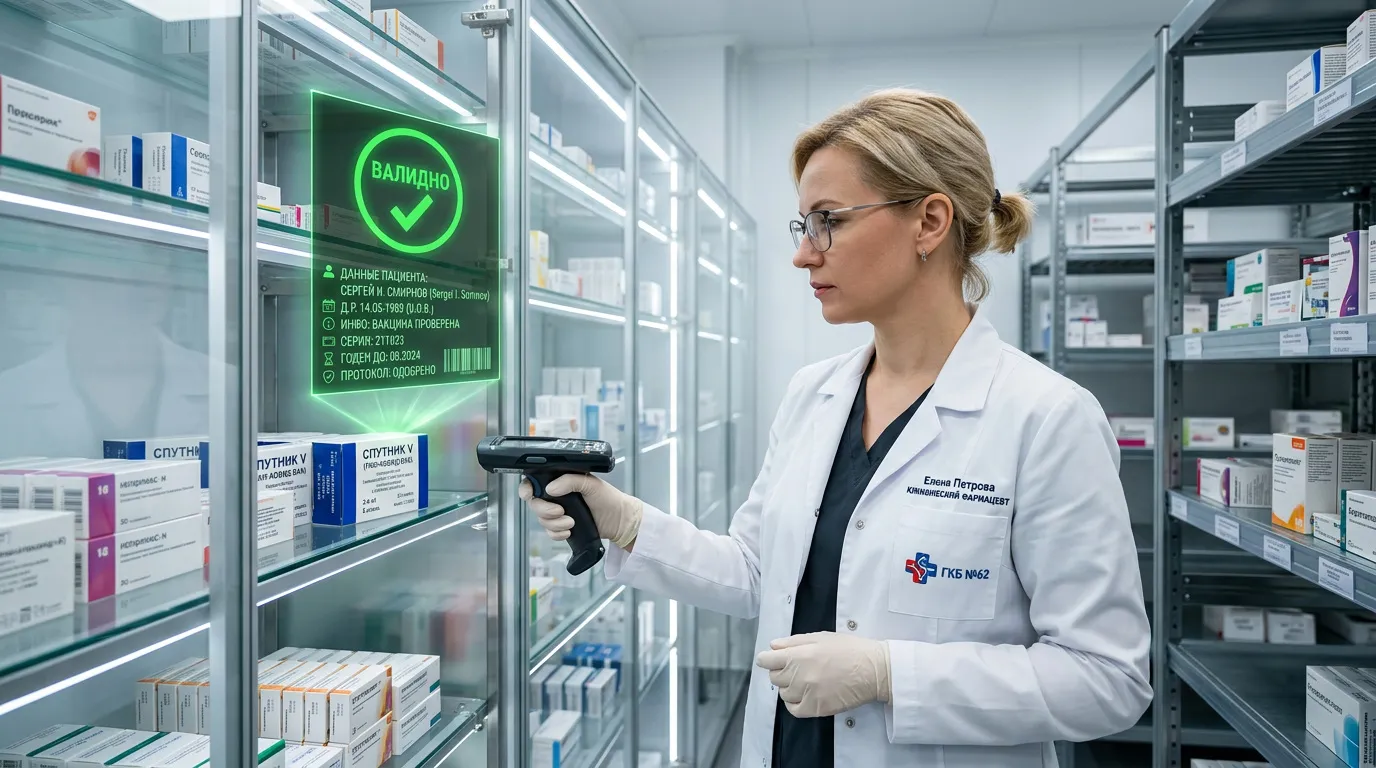
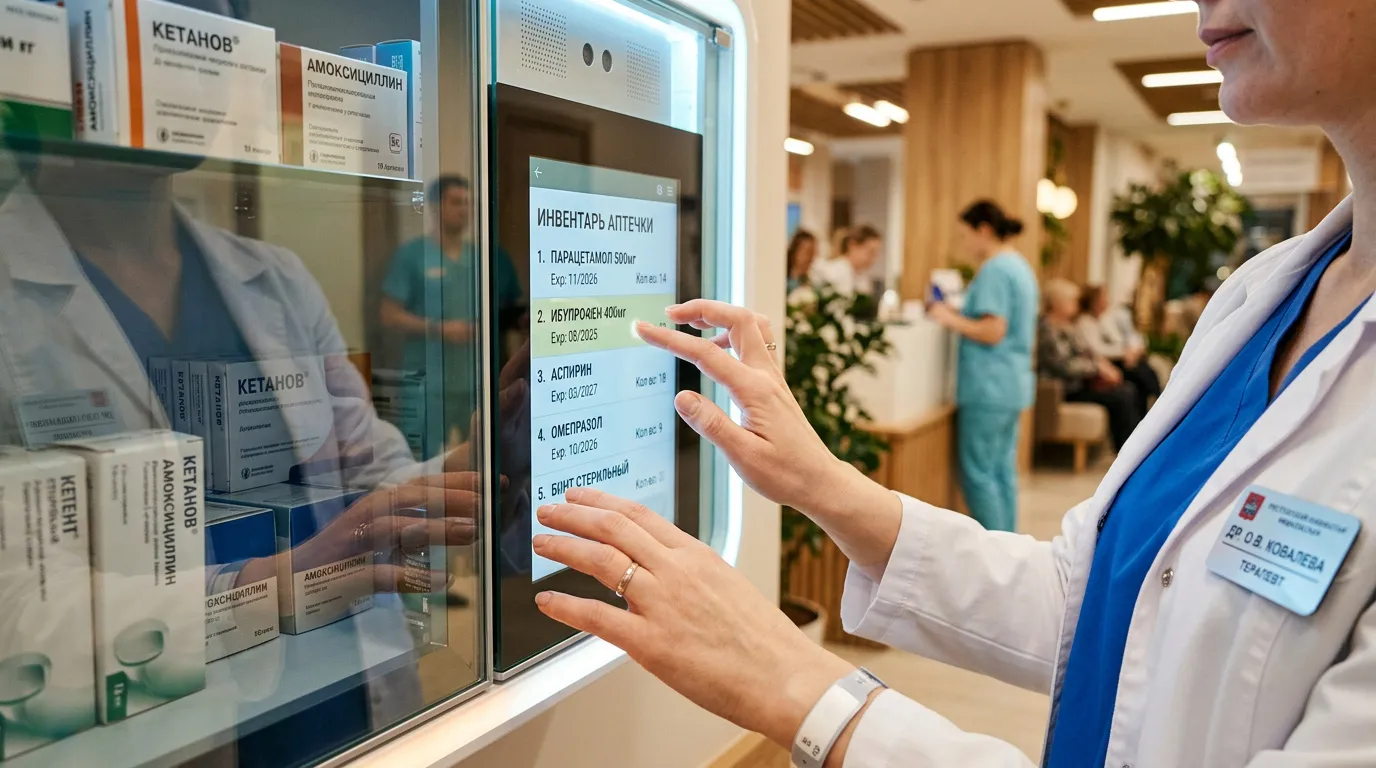
The system tracks the movement of medications and medical supplies at every stage. Real-time data is available on procurement, inventory levels, and consumption. That allows staff to respond quickly to changes and avoid both stockouts and over-ordering.
The development was carried out under the Prioritet-2030 (Priority-2030 program), a federal initiative run by Russia’s Ministry of Science and Higher Education to support universities. The program aims to establish more than 100 advanced institutions by 2030 as centers of scientific, technological, and socio-economic development. The module has also received an official state registration certificate.
Closing the Gap Between Clinicians and Procurement
One of the system’s primary goals is to eliminate the disconnect between clinical staff and procurement specialists. Previously, physicians described needs using clinical terminology, while procurement teams relied on standardized government catalog classifications. That mismatch often led to misunderstandings and delays in supplying medications and equipment, a situation that directly affected patient care.
To address this, SamSMU developed a unified nomenclature directory that bridges both frameworks. It aligns with regulatory requirements while remaining intuitive for clinicians. As a result, the request process has become faster and more accurate.
A System Built by Practitioners
A key feature of the project is the involvement of all major user groups connected to clinical operations. Physicians, pharmacy staff, warehouse teams, and procurement specialists all contributed to the module’s development.
This approach ensured that the system reflects real clinical workflows. Each interface and function is tailored to the daily tasks of specific user groups, from nurses to administrators.
The system also includes flexible monitoring tools and reporting functions that adapt to user needs. Clinical staff can view medication availability and usage, financial teams can track spending and procurement, and leadership receives a consolidated overview of medication supply across clinics. The result is a clear, accessible, and transparent information environment.
Implications for Healthcare Delivery
The introduction of such solutions marks a significant step for the healthcare system. Medication supply management is one of the most complex and resource-intensive processes in hospitals. Professionals responsible for it must combine expertise in medicine, pharmacy, and economics.
When data is fragmented, costs rise, risks of error increase, and decision-making slows. A unified system brings structure to data and makes these critical processes manageable.
For Russia, this translates into more efficient resource use, lower costs, and improved quality of care, particularly in a system operating under high demand.
What This Means for Patients
For patients, these changes often remain behind the scenes, but they directly affect treatment quality. When the system operates transparently, the risk of medication shortages declines. Physicians gain faster access to required drugs, enabling timely treatment decisions. Safety also improves, as expiration dates, storage conditions, and prescription accuracy are easier to monitor.

Scalability and Export Potential
From the outset, the developers designed the system for scalability. The module is built on the 1S: Predpriyatie (1C Enterprise platform) and integrates with medical information systems. That allows deployment in other hospitals, either as a standalone solution or integrated with existing infrastructure.
Over time, such solutions may also find demand beyond Russia. Procurement and medication supply management are universal challenges for healthcare systems worldwide.
These projects also point to a broader shift toward more transparent, data-driven, and outcome-focused healthcare management. At this level, the impact of IT becomes visible not only in operational processes but also in patient outcomes and quality of life.