Industrial AR in Action
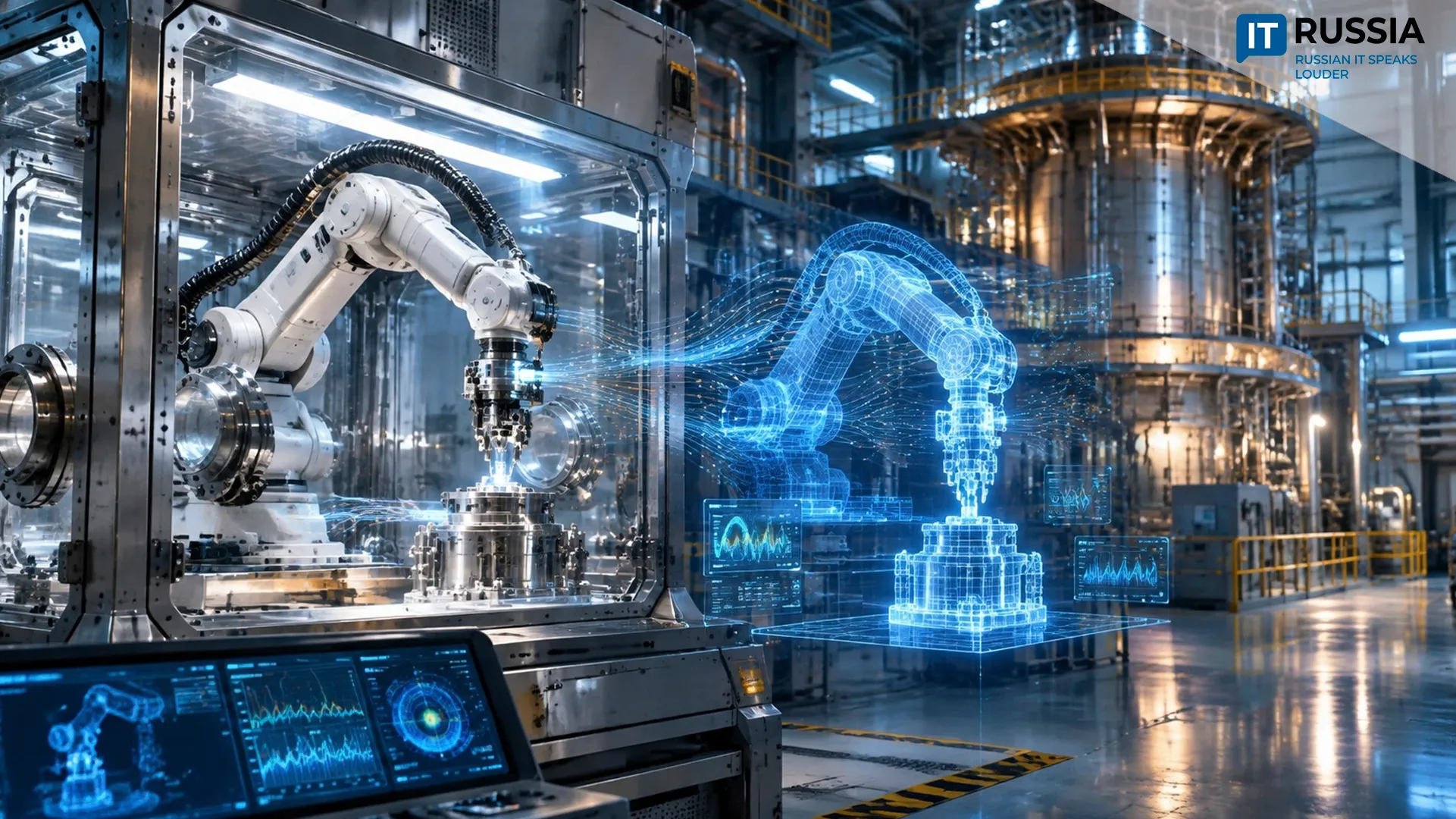
Russian IT company SimbirSoft has developed an augmented reality, or AR, tool for an industrial equipment sales service. It can supply machinery tailored to customers’ specific technical requirements.
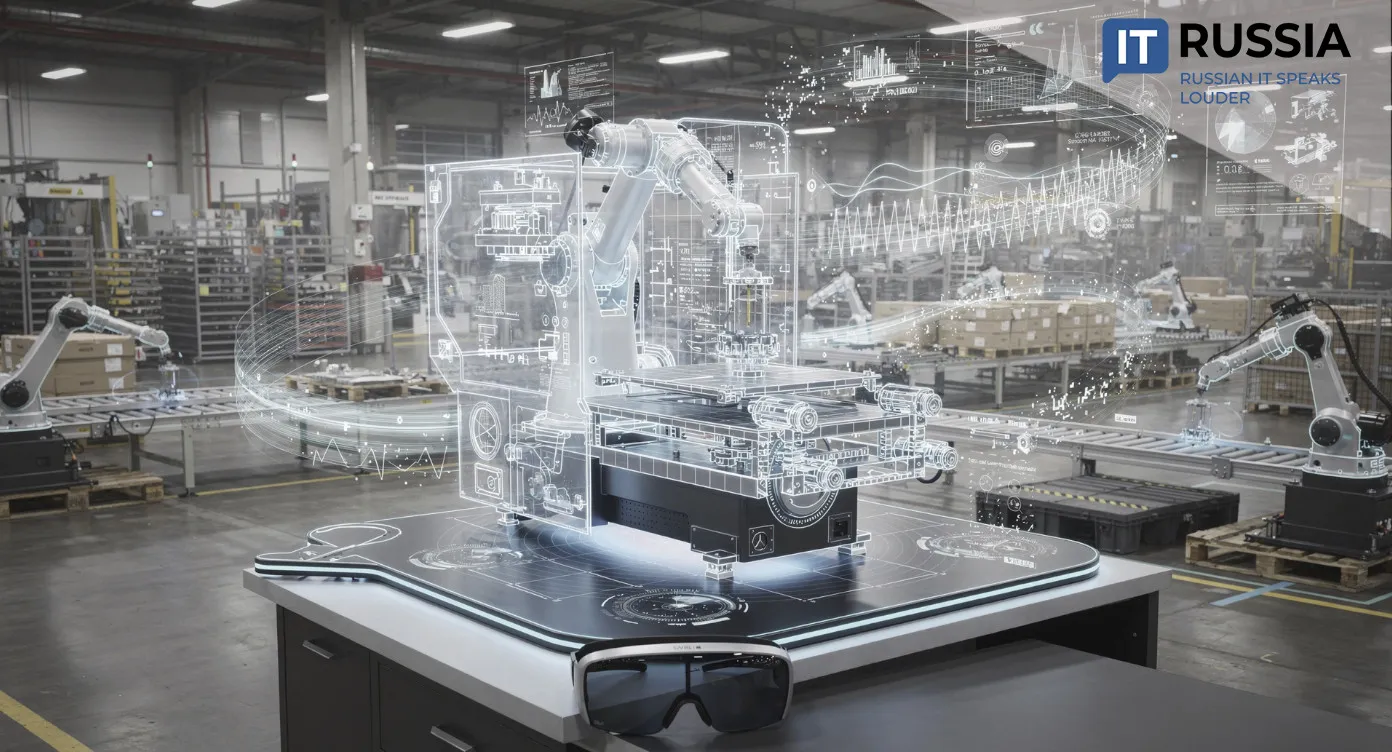
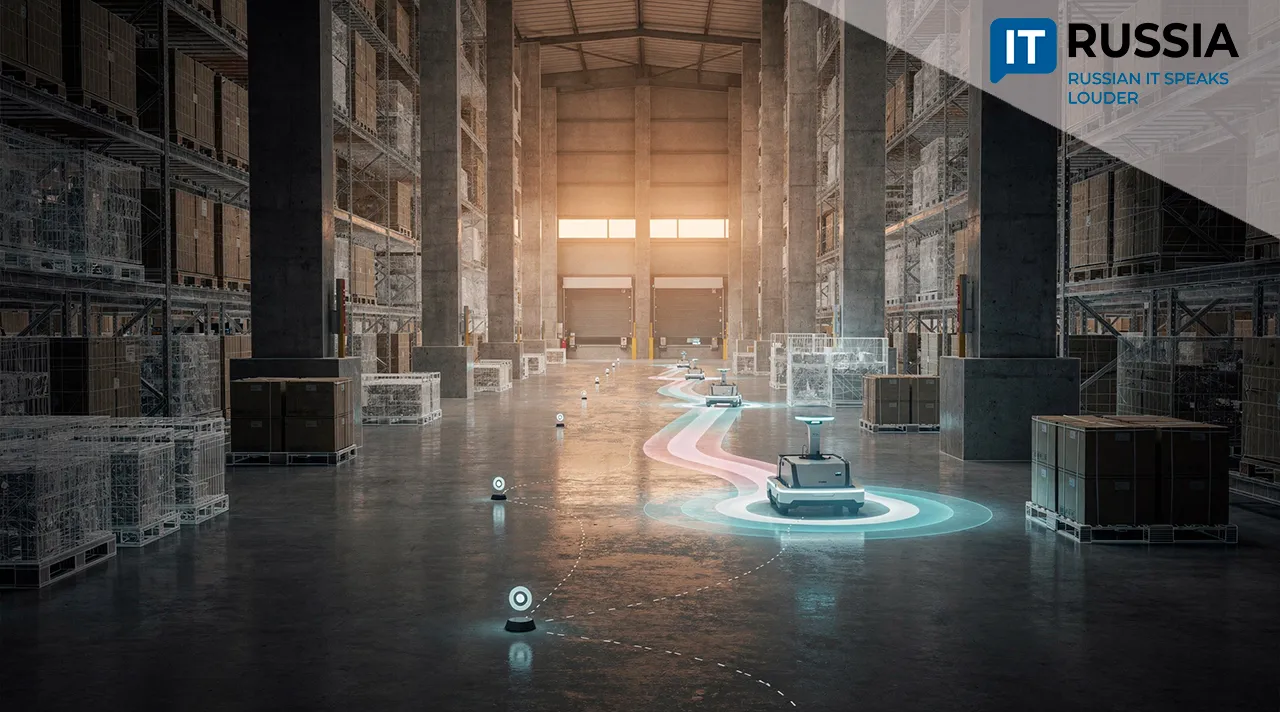
Customers at manufacturing plants, warehouse complexes, and logistics hubs can now “try on” a 3D model of equipment in a real-world setting using a smartphone or tablet, assessing its dimensions, layout, and ease of placement on the shop floor before making a purchase or scheduling an engineer’s site visit.
AR-based equipment visualization has made communication with customers significantly easier. Clients get a clearer sense of what they are buying, and sales teams are closing deals faster.
Thanks to the new tool, the time needed to approve equipment for procurement has fallen by 30%, the number of engineer site visits has dropped by 22%, and conversion from inquiry to commercial proposal has risen by 19%. Operating costs at the presales stage are down 17%, while the average deal cycle has shortened by 20%. The project paid for itself in six months, with ROI reaching about 200%.
Immersive Tech Enters the Real Business World
SimbirSoft’s solution is a vivid example of AR finding a commercial role in industrial B2B. It aligns with the global Industrial AR trend, where the technology is used in sales, training, and service, and it shows that in Russia, immersive tech is moving beyond demo pilots and becoming a practical tool with a clear business case.
This is a notable case against the backdrop of steady growth in the mobile development market and rising demand for industrial digitalization. Many Russian developers saw the 2022 sanctions and the push for import substitution as a window of opportunity. As a result, the number of Russian teams specializing in mobile development has grown by roughly 15%.
That momentum helped Russia’s custom mobile app development market for business and government clients grow by about 10% in 2024, reaching an estimated ₽45 – 50 billion ($552 – 613 million). The growth has been driven by strong demand for digital tools amid ongoing digitalization, the shift toward Russian IT products, and companies’ push for greater mobility. In 2026, the market is expected to keep expanding, with annual growth projected at 8% to 12%. Key factors shaping it will include the rollout of Russian mobile operating systems, the growth of RuStore, the spread of private clouds, and rising interest in AI-powered mobile products.
AI, AR, and Cybersecurity Are the Three Pillars of Russia’s Mobile Future
Experts say artificial intelligence will be the key technology shaping the next wave of mobile solutions for industry over the next several years. It is already being used to personalize user experiences, automate processes, and improve customer interactions.
Clients are also showing growing interest in integrating new technologies such as neural networks and machine learning models, including into modern progressive web apps, or PWAs. Neural networks make those products more personalized and more effective. Such apps are becoming more popular with small and midsize businesses because they offer major advantages: they can work without a constant internet connection and run on any device with a modern browser.
Artificial intelligence is the leading trend, but it is not the only one. Developers are increasingly integrating AR and VR tools into mobile apps, while also using mini-apps and other formats.
In the near term, solutions similar to SimbirSoft’s product are likely to appear more often among industrial equipment suppliers, in engineering, warehouse automation, energy, construction, and service. The market is moving toward tighter integration between AR, mobile apps, and 3D configurators. Before long, immersive technologies are likely to move from pilot projects into mainstream sales tools, delivering major savings in time and other resources.
Another critically important area is data protection in mobile applications, with Zero Trust taking center stage. Cybersecurity tools are now being built into the app development cycle, and Russia’s MDM segment is on the rise.
Overall, in the next few years, demand for super apps is expected to grow, more corporate apps will appear in RuStore, the national app marketplace, and trust in Russian mobile operating systems is set to rise not only at home but in international markets as well.