Quantum Shield for the Future: How Russian AI Brings Unbreakable Communication Closer
Researchers from NITU MISIS, HSE University, and the company QRate have developed an artificial intelligence–based algorithm designed to improve the resilience and reliability of quantum key distribution systems, the core technology behind secure quantum communication.
From Theory to Practice: AI Tackles Noise
Quantum cryptography has long moved beyond theoretical speculation. Today it is steadily transitioning into applied infrastructure. In a recent breakthrough, scientists from NITU MISIS, HSE University, and QRate introduced a machine learning algorithm capable of significantly enhancing the robustness of quantum key distribution, or QKD, systems. QKD underpins the architecture of the future quantum internet, but its real-world deployment has been constrained by environmental instability. The new development directly addresses that gap between theory and operational reality.
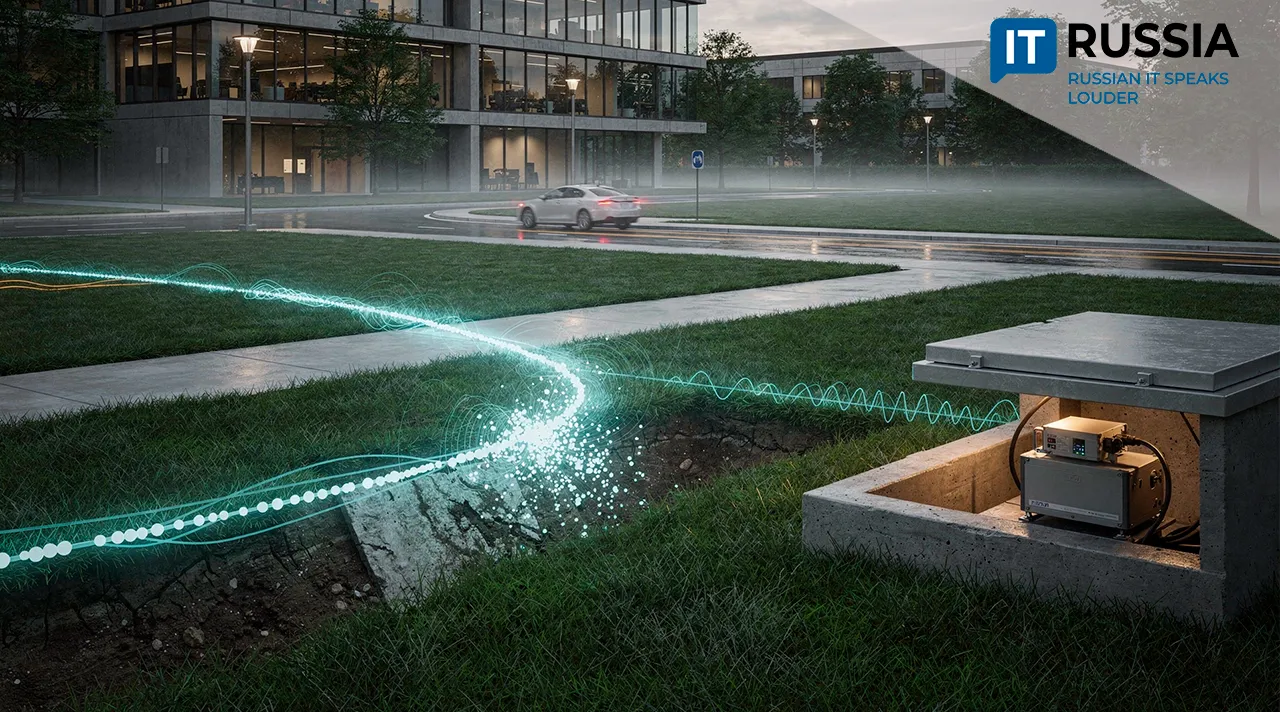
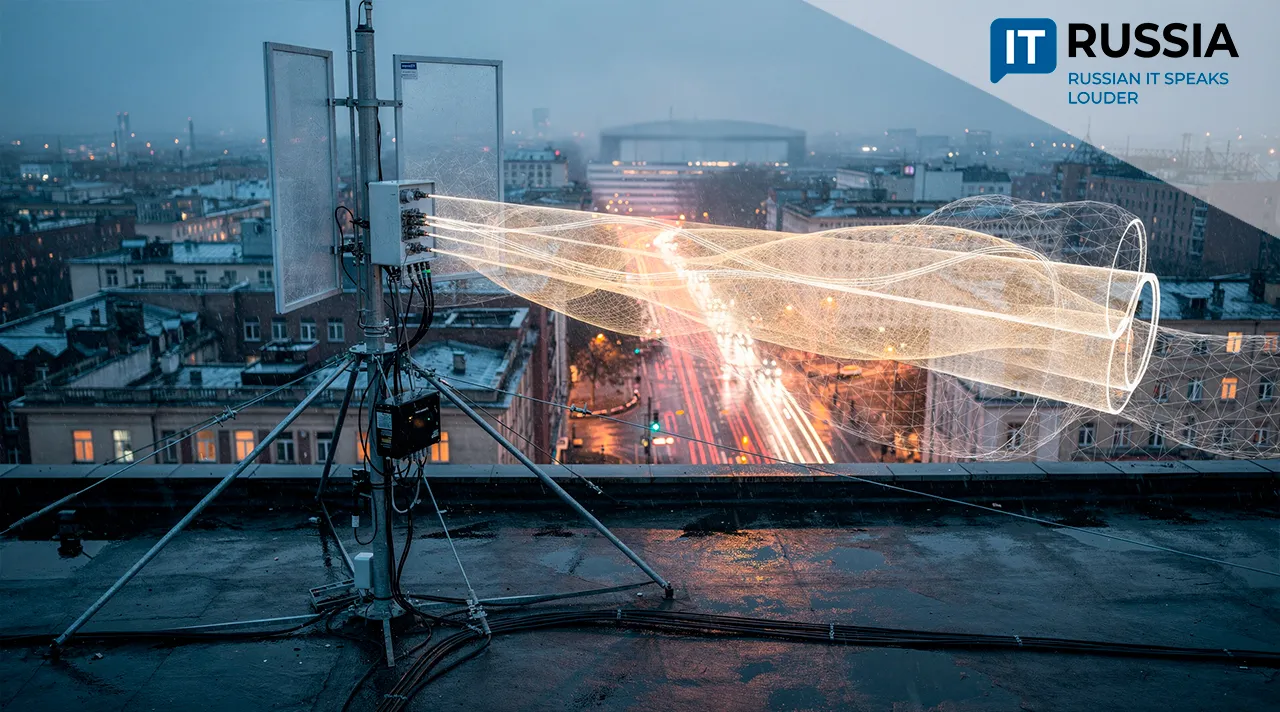
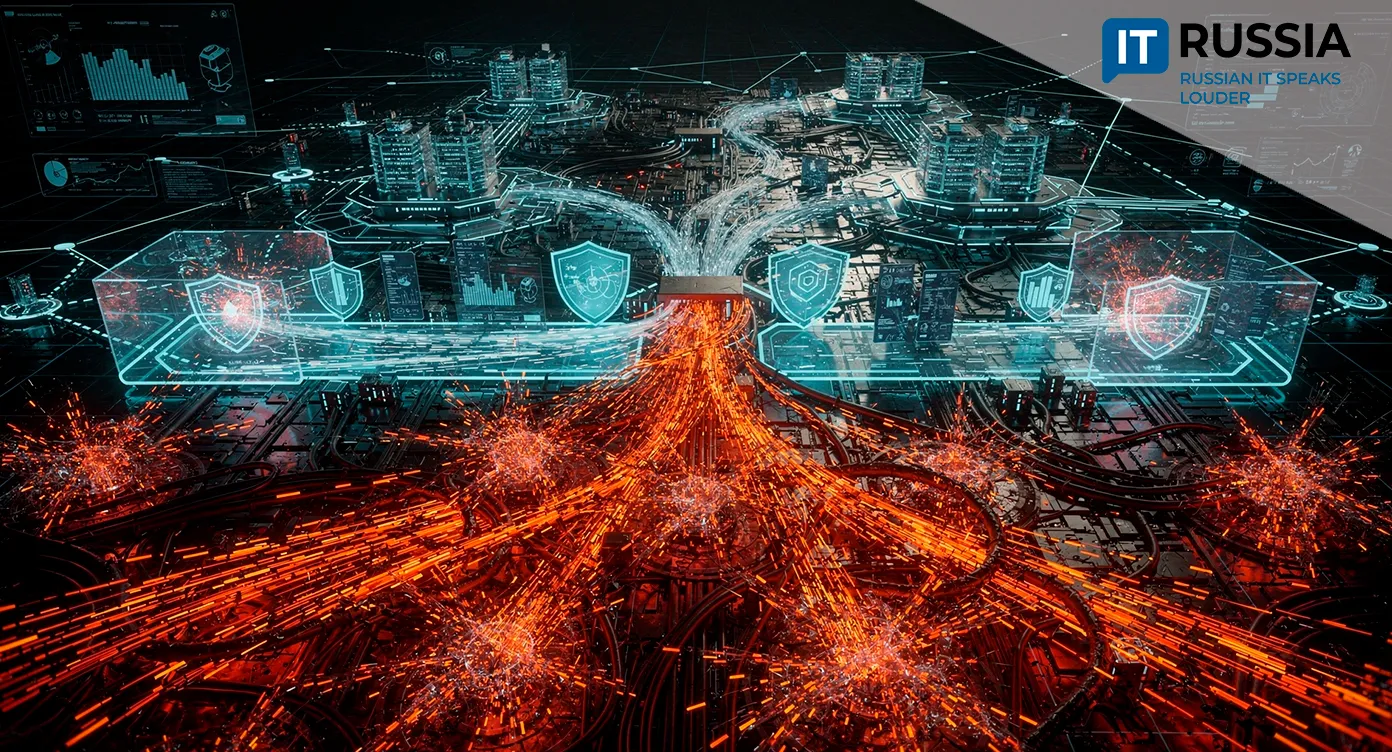
The logic of quantum cryptography is both elegant and unforgiving: any attempt to intercept a cryptographic key inevitably disturbs the quantum state of transmitted photons, making eavesdropping detectable. Yet outside laboratory conditions, this ideal framework collides with fiber-optic channel noise, detector imperfections, and temperature fluctuations. The Russian team’s solution operates precisely at this intersection. Their machine learning model continuously analyzes channel telemetry and dynamically selects the optimal error-correction regime in real time.
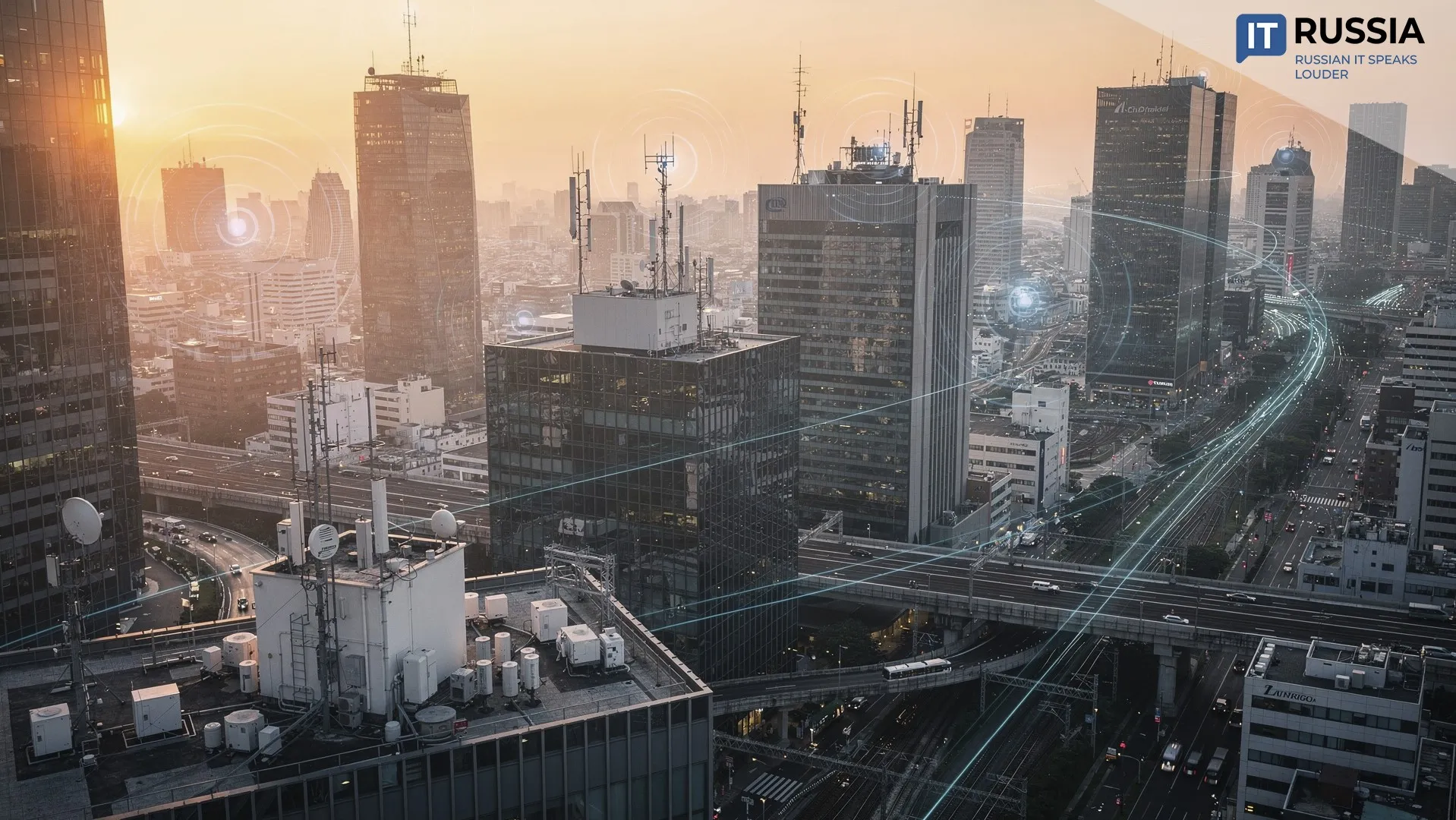
Instead of relying on fixed system parameters, the QKD setup adapts to current interference conditions, minimizing data loss while preserving cryptographic strength. This marks a transition from fragile experimental installations to communication systems capable of operating in metropolitan fiber networks and long-haul backbone lines.
A Strategic Asset in Cybersecurity
The significance of such advances extends far beyond academic research. In an era defined by cyber conflict and pervasive digital surveillance, quantum communication represents a strategic resource. Its defining promise is the creation of channels that cannot be broken even by future quantum computers.

This development strengthens Russia’s position in the global race for quantum cryptography leadership, a field currently dominated by China, with projects such as the Mozi satellite, and major Western technology corporations. More importantly, it opens the path to practical deployment of secure communication channels in critical domains, including public administration, banking infrastructure, and defense industries. Within the coming years, solutions of this type could underpin elements of a national digital security architecture.

Challenges on the Road to a Quantum Internet
Still, progress requires realism. Deploying QKD networks at scale remains technologically complex and capital-intensive. Transmitting quantum keys over distances exceeding 100 kilometers requires quantum repeaters, which are still in experimental stages. The hardware stack, including ultra-sensitive photon detectors and stabilized laser sources, demands further miniaturization and cost reduction. Against this backdrop, algorithmic advances such as the one developed by Russian researchers become particularly valuable. By extracting maximum performance from existing hardware, they help smooth the path toward broader implementation.
At the same time, international efforts to standardize QKD protocols are accelerating. Participation through innovations like this could shape Russia’s role in defining the architectural standards of the future quantum internet.
The era of quantum communication is no longer speculative. Where real-world imperfections once constrained adoption, artificial intelligence now acts as a bridge between quantum theory and operational deployment. The Russian breakthrough marks an important milestone toward a communications landscape in which data confidentiality is grounded not in computational difficulty but in physical law.