Rosneft Develops New Innovation for Engineering Workflows
Rosneft has developed a new software suite, RN-ALPHA, designed for integrated modelling of oil and gas production processes at the engineering stage. The solution supports complex decision-making early in field development and strengthens Russia’s domestic engineering and digital capabilities.
Software for Specialized Engineering Tasks
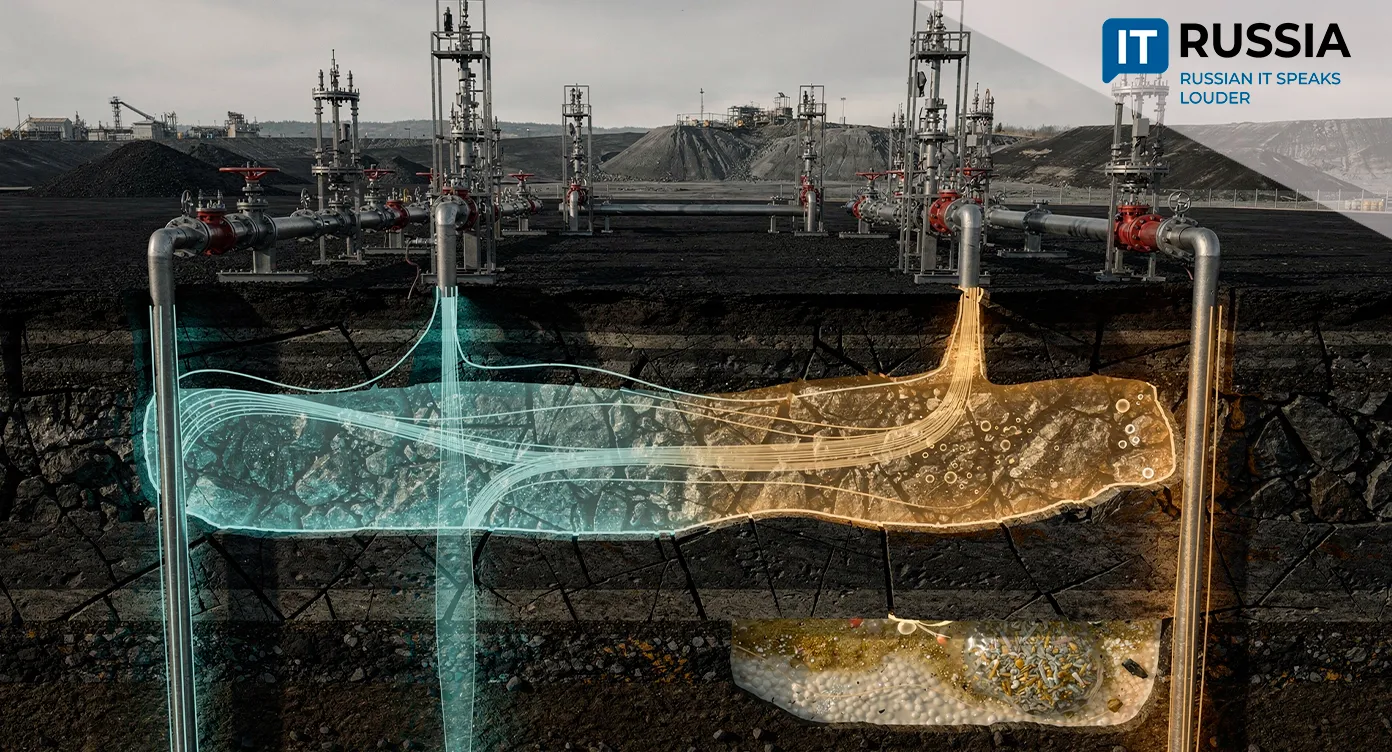
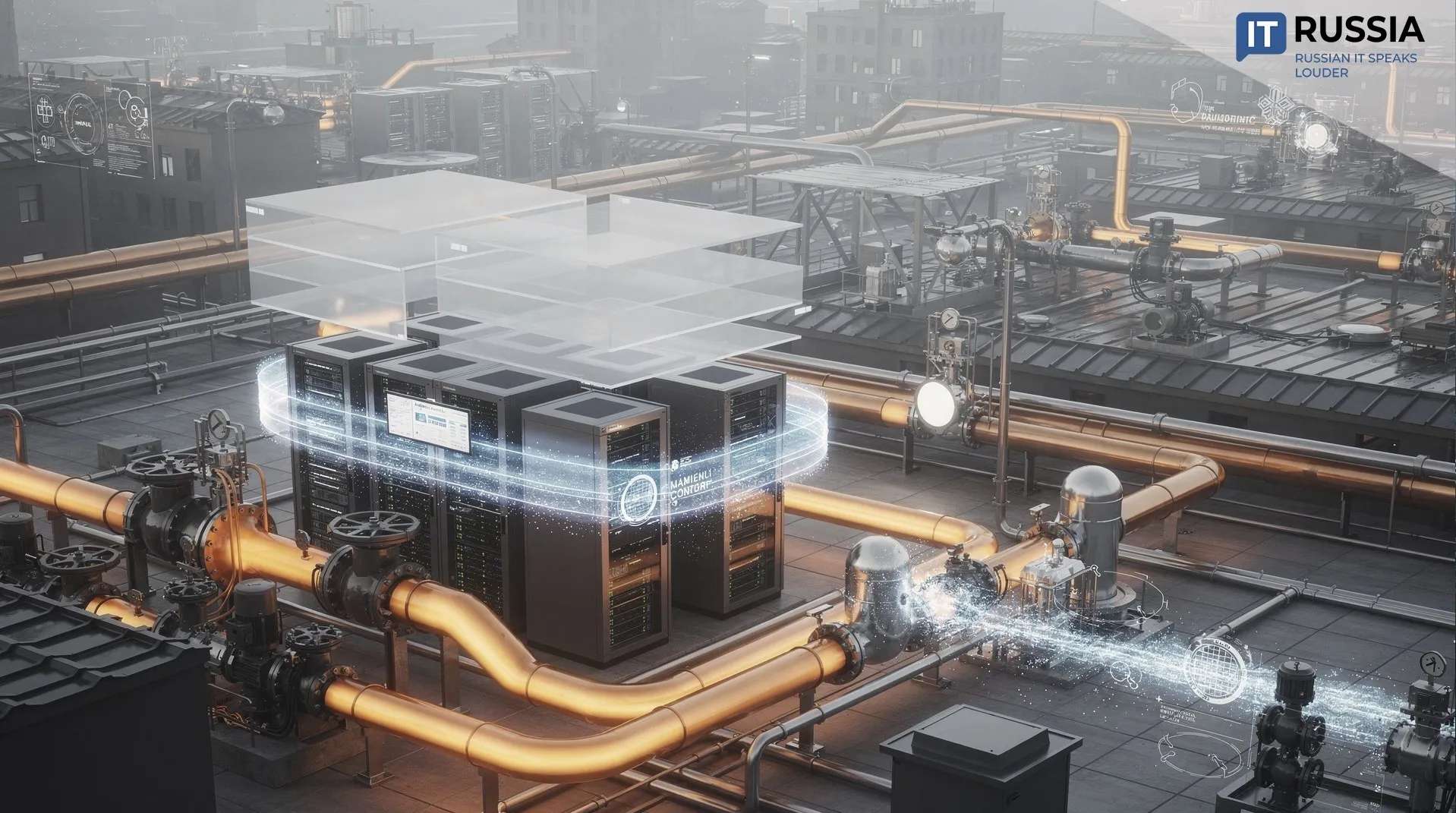
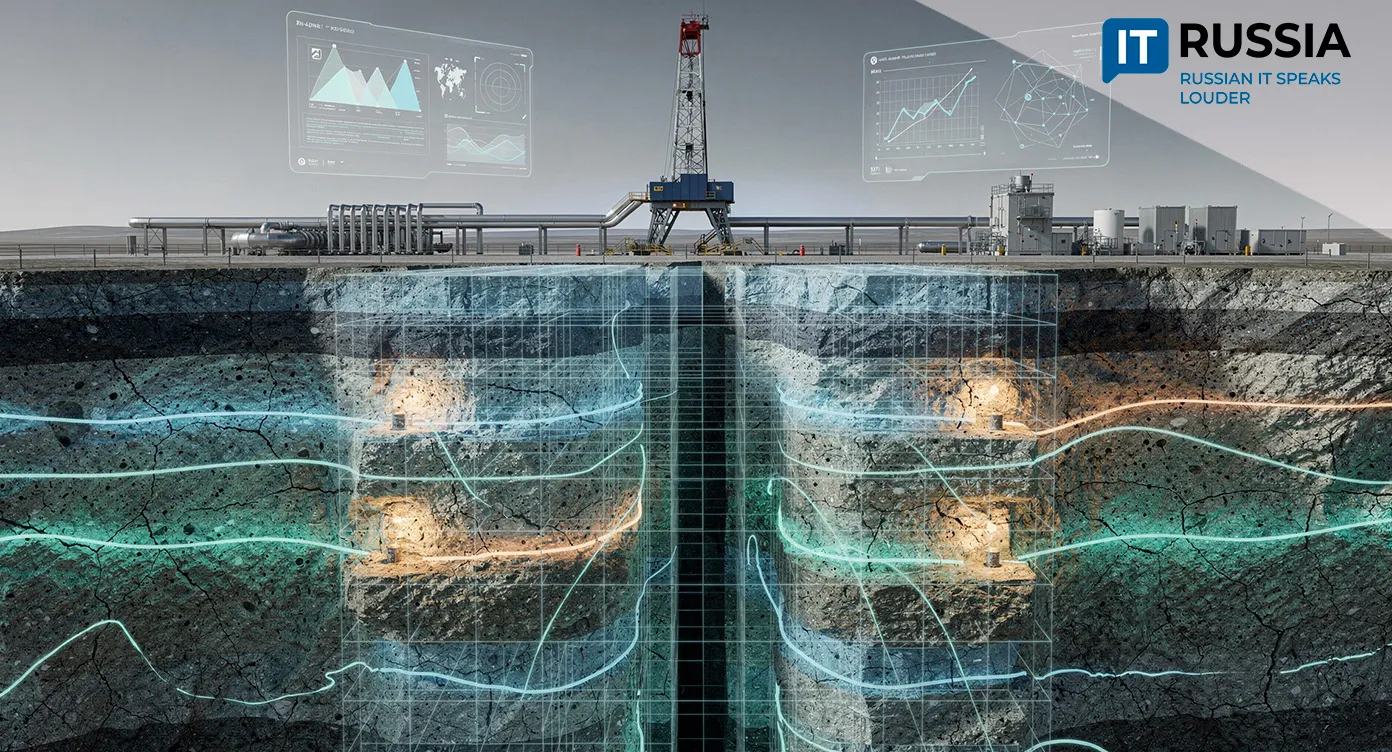
The corporate IT product allows engineers to simultaneously evaluate multiple field development scenarios, taking into account both subsurface conditions and surface facilities. RN-ALPHA creates a unified digital environment for collaboration across different divisions. The platform supports multi-process modelling with continuous adjustment of design decisions and also delivers economic assessments, result visualisation, and automatic generation of project documentation.
According to experts, the development and deployment of RN-ALPHA represent an important step in implementing Rosneft’s 2030 strategy and reflect a broader trend toward digitalisation of strategically important industries. The software serves as an example of advanced domestic industrial IT, increasing technological independence for oil and gas companies and strengthening the position of Russian vertically integrated oil companies in digital transformation.

Developed by In-House Expertise
The software was created by specialists from Rosneft’s research institute in Ufa. Rosneft is the first Russian oil company to consistently develop its own digital solutions for geology, reservoir modelling, and field development and operations. The core developer of these high-tech IT products is RN-BashNIPIneft, the company’s research and engineering design institute. In total, Rosneft has developed 24 software products, with RN-ALPHA positioned within its field design software portfolio.
Preparations for the product were first reported in 2024. At that time, Rosneft stated that 24 software modules and nine calculation services had been created and tested. More than 200 conceptual corporate projects were digitised and uploaded into the system’s database. The practical value of the solution lies in establishing a continuous data framework between field development planning and engineering design.

In 2022, Rosneft expanded its portfolio of high-tech software by introducing seven products to the international market: RN-SIGMA, RN-GEOSIM, RN-VECTOR, RN-VISOR, RN-HORIZON+, RN-ROSPUMP, and RN-SIMTEP. In terms of technical performance, the company’s software is at least comparable to, and in some cases exceeds, foreign equivalents while offering a lower cost.
The RN-GRID hydraulic fracturing simulator became the company’s first software product available for international trade and was rapidly adopted. Twenty-eight Rosneft subsidiaries and 32 oilfield service and production companies actively use the solution. By early 2022, more than 400 commercial licences had been sold, and a supply agreement for RN-GRID was signed with China. The high-tech software is also in demand at Russian universities, with eight institutions receiving 495 academic licences for free use.
Rosneft first reported work on these digital developments in 2017.

Broader Industry Trends
Russian vertically integrated oil companies are deliberately applying digital technologies as part of a transition toward a data-driven economy. Under current conditions, this trend accelerates digital modernisation not only within the oil and gas sector but also across related industries, while driving the development and application of regulatory frameworks for intelligent technologies at the national level.
A defining feature of Russia’s oil production sector is the concentration and effective operation of vertically integrated companies whose activities span the entire technological chain. Digital modernisation is an essential element of their development. In practice, this means a structural transformation of the oil business based on data collected from assets or generated through advanced computation, combined with widespread digitalisation and intelligent control of production facilities and field-level processes.
To ensure oversight and monitoring of digital transformation policies, working groups operate across Russian ministries and agencies, supported by formal development strategies. Leading Russian companies are systematically working toward full coverage of the national IT landscape with domestic solutions.

From a practical standpoint, this approach makes it possible not only to address critical industry challenges but also to build a foundation for future applied technologies in a big data economy. Key objectives of digitalisation and intelligent oil and gas production include reducing capital and operating costs, increasing production efficiency by at least 10 percent, cutting well downtime by around 50 percent, and lowering operating expenses by up to 25 percent.