Russia Develops New Class of Digital Sensors for Power Transformers
The devices are designed to operate in extreme conditions.
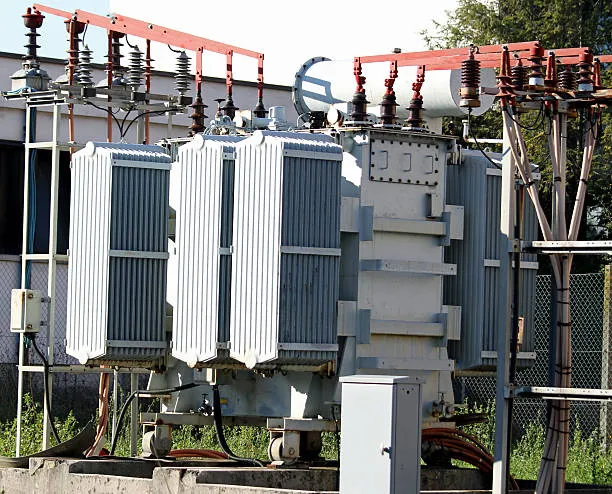
Specialists at Chuvashskiy Gosudarstvennyy Universitet Imeni I. N. Ulyanova (Chuvash State University named after I. N. Ulyanov), working under the Tsifrovye Opticheskie Datchiki (Digital Optical Sensors) project, have installed and tested new equipment that represents what they describe as a fundamentally new class of diagnostic devices for the power industry. The testing took place at an operating facility in the Moskovsky district of Cheboksary.
Fiber Optics Instead of Conventional Sensors
The technology is built around sensors based on standard fiber-optic cable. One of the key advantages of fiber optics is resilience under extreme operating conditions. The cables are immune to strong electromagnetic interference generated by high-voltage equipment and can function reliably in harsh environments.
The sensors allow specialists to receive real-time data on a transformer’s temperature, vibration, and acoustic parameters. The information is transmitted without distortion from electromagnetic interference, enabling a shift toward predictive analytics of equipment wear and early detection of abnormal operating modes.
A Step Toward Digital Energy
University representatives say diagnosing transformers while they remain energized has traditionally been difficult. Access to internal components is limited, electromagnetic interference is significant, and shutting down equipment involves both risks and costs. The new approach enables monitoring without taking units offline and significantly reduces the cost of diagnosing oil-filled equipment.
The project is being implemented as part of the Prioritet-2030 (Priority-2030) program. The work is carried out by the Intellektualnye Volokonno-Opticheskie Izmereniya (Intelligent Fiber-Optic Measurements) laboratory, established in 2025 in partnership with the company T8. According to the developers, broad adoption of the technology could strengthen the sector’s technological independence and improve the reliability of critical energy infrastructure.