Russian Schools Will Use Domestic AI Only
National AI models are becoming a priority in key areas, including education and government. Organizations that use them may receive government support.

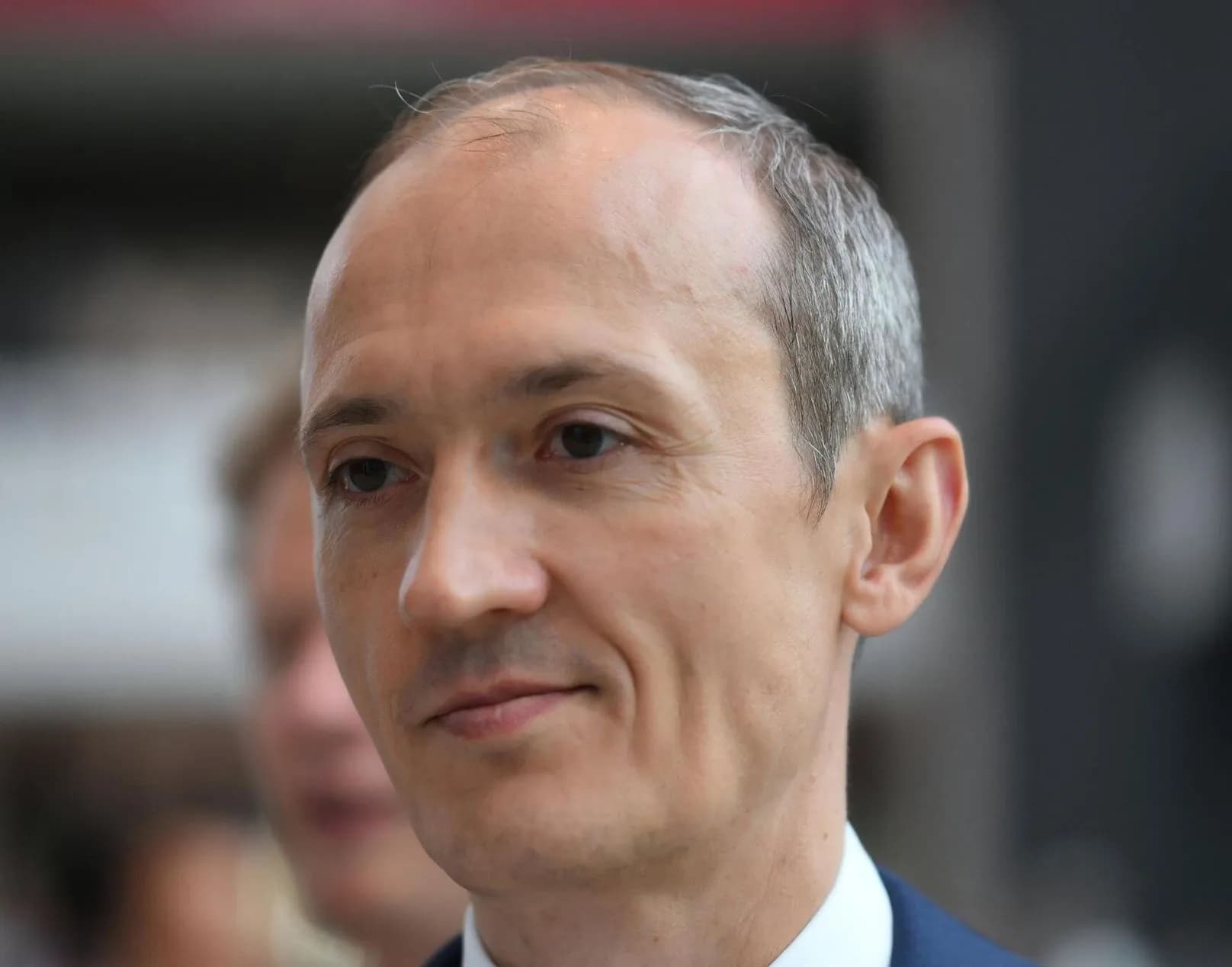
The Russian government is considering giving priority to domestic AI models in critical areas, including government administration, public safety, education and elections. Deputy Prime Minister Dmitry Grigorenko said this at the 2026 Eastern Economic Forum. In education, however, the initiative would apply only to schools and preschools.
Making certain areas a priority could create a large, guaranteed market for Russian developers of large language models and AI-based solutions. Government procurement will be particularly important: according to media reports, it is expected to be the main mechanism for transitioning to Russian AI models in schools and preschools. This could accelerate the adoption of AI services not only in schools but also across government digital systems. For sovereign and national models, Russian law requires data processing and storage to be located in Russian data centers, meaning those operations would also remain in the country. Over time, this could lead to a distinctly Russian approach to AI regulation.

Will Users of Foreign AI Lose Support?
Specific areas and use cases where national or sovereign models will receive priority or become mandatory will be defined later. Federal Law No. 243-FZ explicitly allows the government to establish such cases, with the main provisions of the mechanism taking effect on March 1, 2027. The biggest expansion is likely to come in the public sector, where the models could become a technology base for state information systems and services; education, where AI assistants could help students and teachers create and review educational content; and the broader technology stack, where government demand could support not only AI developers but also Russia’s data center, cloud computing, machine learning platform, cybersecurity and application software markets.
Foreign solutions are not expected to be banned outright, but organizations that use them may be excluded from some government support measures. Tax incentives for companies that deploy Russian AI are also under discussion. That said, final decisions on these measures have not yet been made. In the longer term, domestic foundation models and secure government AI platforms built around them could also be offered in export markets.

Technology Leadership Strategy
Work on using AI across government agencies and public institutions has been underway for several years. Back in 2021, the government approved subsidies for projects that trained people to work with AI, as well as AI schools, intensive programs and competitions for school and university students. That helped build the talent base needed for large-scale adoption of the technology. In 2024, the National AI Development Strategy through 2030 was updated. A presidential decree required AI development to be reflected in federal and regional strategic planning documents and put greater emphasis on domestic development and technological leadership. The Ministry of Education, meanwhile, began funding AI education modules, teacher training and the national AI competition. Participation has been rising rapidly: more than 18,000 applications were submitted in 2024, compared with over 52,000 in 2025.
In March 2026, the government established a subcommittee on AI development. By summer, it had also adopted Law No. 243-FZ, which for the first time established sovereign and national foundation models as a distinct category in legislation and created a framework for government support. Domestic AI technology is now entering a new stage of development.

Awaiting Further Details
These initiatives are expected to accelerate the development of domestic LLMs and data center and cloud infrastructure, strengthen information security and expand the use of specialized industry AI services. The executive branch must now develop secondary regulations defining the specific scenarios in which Russian models will be mandatory or receive priority. Only after those rules are published will it be possible to assess the actual size of the emerging market and determine what the use of AI in government will mean in practice.