Smart Hydropower: Neural Networks Boost Hydropower Output
Floodplains exert a significant influence on hydropower generation. Researchers at Novosibirsk State Technical University NETI have developed a neural network model that accounts for this factor and helps optimize hydropower plant operations.
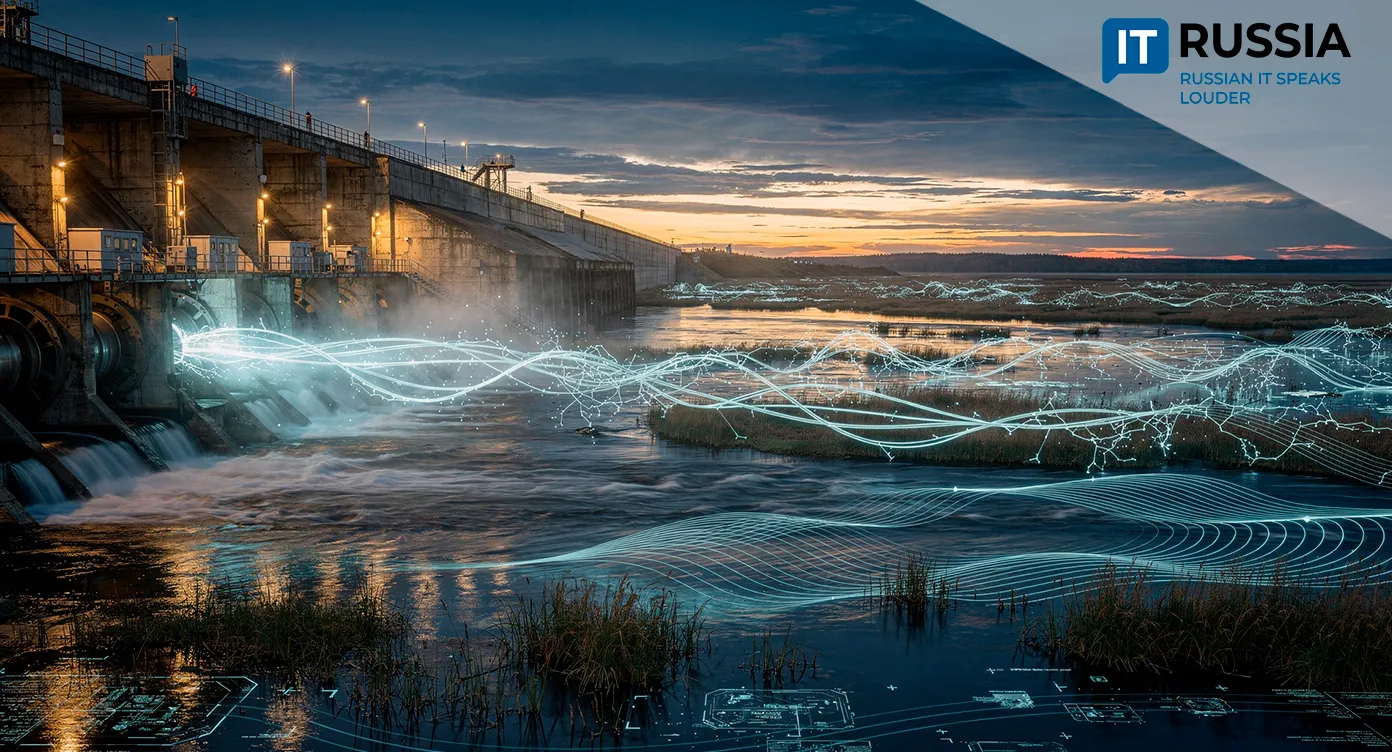
Floodplain dynamics had not previously been factored into hydropower operations. In practice, the floodplain acts as a natural reservoir, storing large volumes of water during seasonal floods and high-water events and then sustaining river levels through those reserves.
Researchers at NSTU NETI analyzed long-term data from the Kamenskaya floodplain and used trainable neural networks to build a predictive model. The model captures how the floodplain influences operating regimes at the Novosibirsk Hydropower Plant and affects electricity generation volumes.
The results are significant. Incorporating floodplain effects into calculations increases electricity output by 20 percent in high-water years and by 14 percent in low-water years. The impact on optimal capacity is even more pronounced: with floodplain dynamics included, the Novosibirsk plant could reach 300MW compared with 198MW without this factor. That translates into a 10–20 percent increase in actual generation. In addition, higher volumes of clean electricity would reduce reliance on thermal power plants, lowering fuel consumption and cutting emissions.
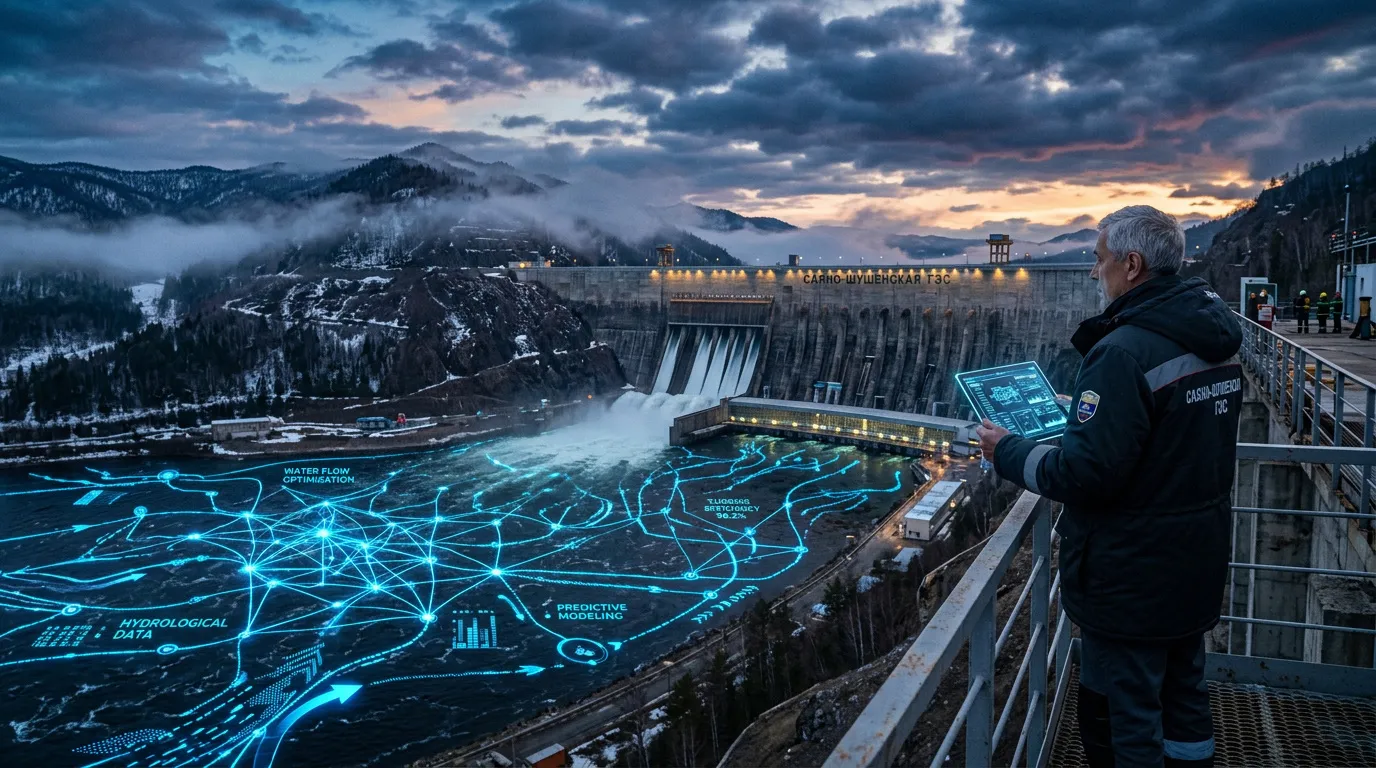
From a Single Plant to System-Level Integration
The research team plans to continue refining the model. Improvements will focus on expanding the data set and deploying more advanced neural network architectures. Although the NSTU NETI model is based on data from a specific site, the methodology can be adapted to virtually any hydropower plant. In effect, the approach can scale across hydropower facilities in Siberia and the Far East as well as in other regions of Russia.
Meanwhile, RusHydro already uses AI algorithms to manage operating regimes across its hydropower fleet. That creates a pathway to integrate the Novosibirsk-developed methodology into existing control systems.
There is also strong export potential. Countries across the CIS, Central Asia, and Latin America are studying Russian experience developed under import substitution programs. In many cases, these solutions prove more cost-effective and better suited to local conditions than Western alternatives. In effect, Russian-developed systems could find demand in markets where hydropower capacity is expanding or undergoing modernization.
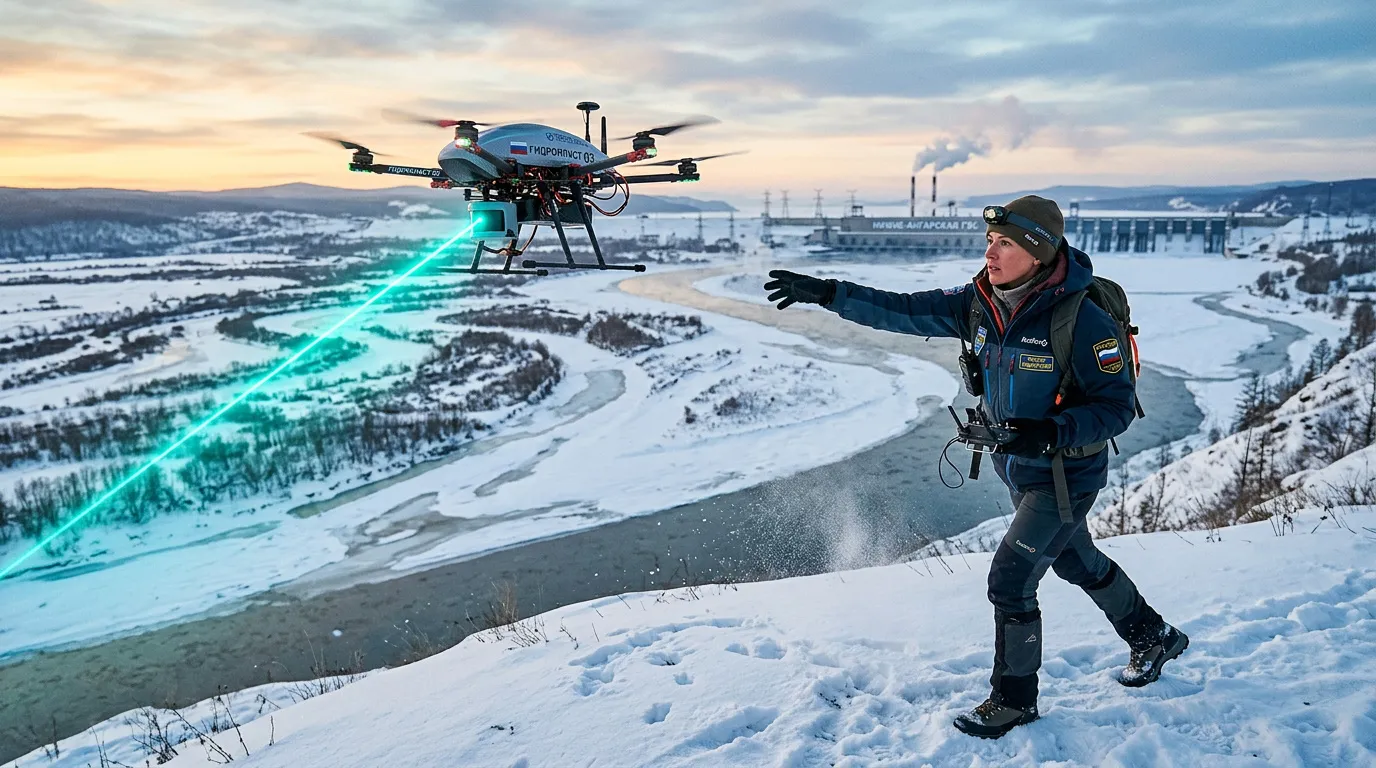
Digital Evolution in Russia’s Hydropower Sector
The NSTU NETI innovation reflects a broader trend rather than an isolated research effort. It marks a step in the ongoing digital transformation of Russia’s energy sector.
As early as 2017, RusHydro began deploying the Dispetcherskiy tsentr (Dispatch Center) information system to manage water and energy regimes. Neural networks were used to calculate planned operating modes for the Volga-Kama cascade of hydropower plants.
In 2019, the company moved forward with digital twin deployment. These virtual models collect data from sensors and smart devices, enabling predictive maintenance, early fault detection, and more efficient plant operations. They also help optimize maintenance schedules and reduce associated costs.
RusHydro’s digital transformation strategy for 2024–2025 includes the rollout of around ten AI-driven projects, further embedding advanced analytics into hydropower operations.

From Lab Model to Industrial Deployment
The NSTU NETI innovation demonstrates how neural network algorithms can be applied in real-world industrial settings. Here, AI addresses a critical challenge: increasing the output of low-cost, environmentally friendly electricity.
Looking ahead, the research model is expected to evolve into a pilot project that will improve the efficiency of the Novosibirsk Hydropower Plant. After validation, the system can be rolled out to other facilities and integrated into existing control frameworks.
With successful deployment, the system can be offered to international partners as a proven solution. It goes beyond basic automation, offering an intelligent system that enhances both energy efficiency and environmental performance.