Atommash Presents Automation Projects for Nuclear Equipment Manufacturing
Young engineers at Atommash in Volgodonsk have won the All-Russian Engineering Competition with projects aimed at automating production and improving quality control in the manufacture of nuclear reactor equipment.
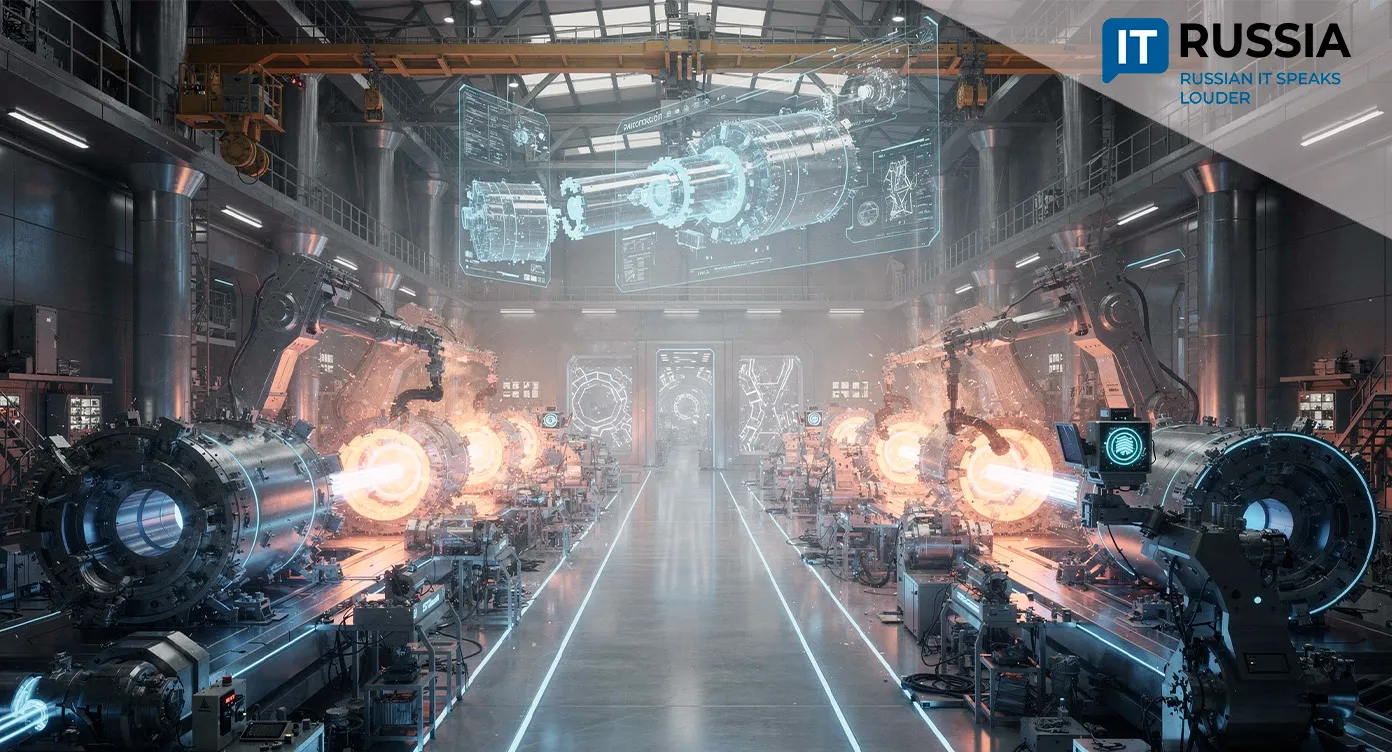
The projects introduce laser welding, integrated scanning systems and upgraded X-ray imaging equipment for inspecting welded joints. Together, these technologies are designed to improve quality in the manufacture of Class 1 safety equipment for nuclear power plants.
Automation of Reactor Protective Vessel Manufacturing
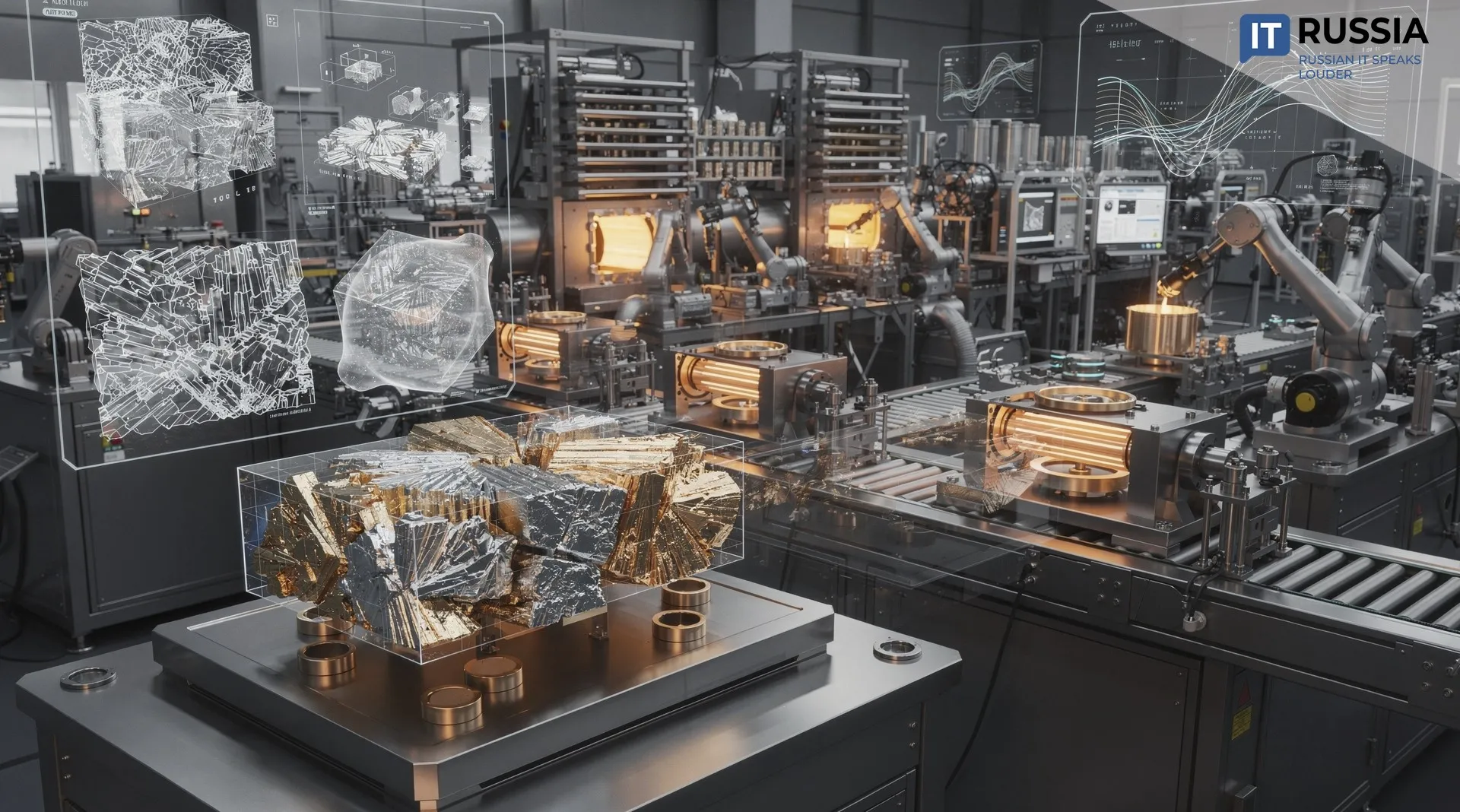
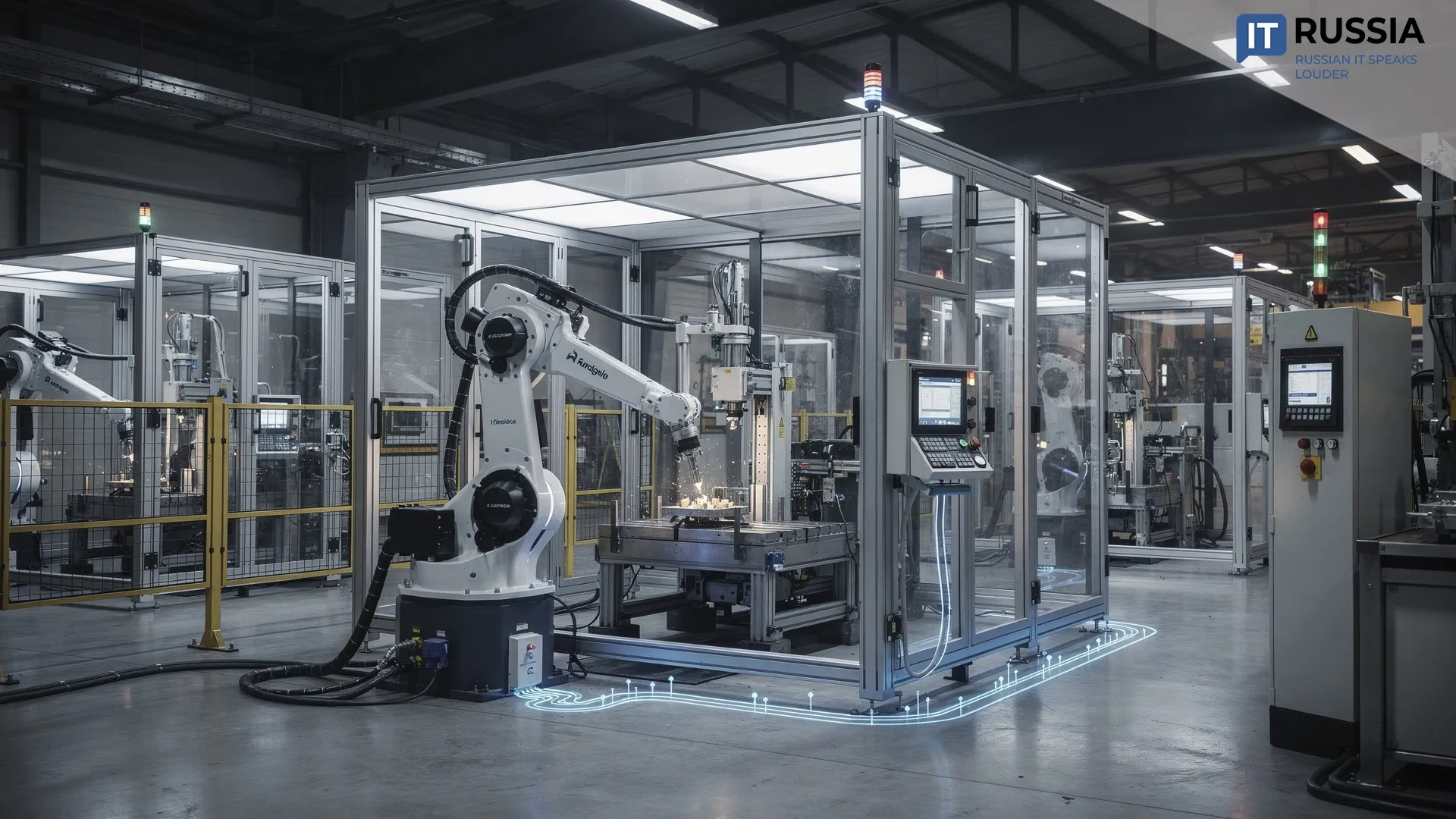
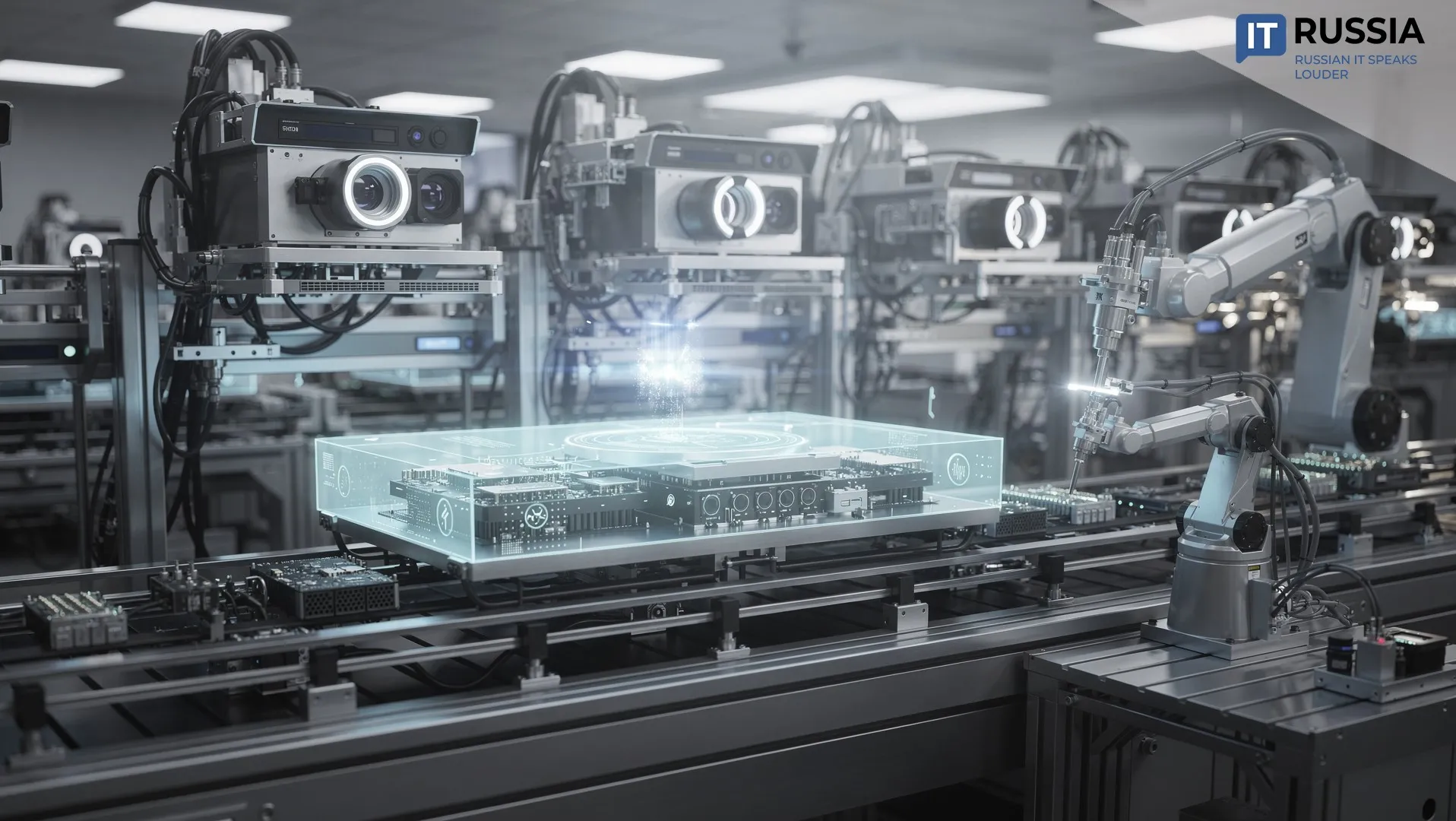
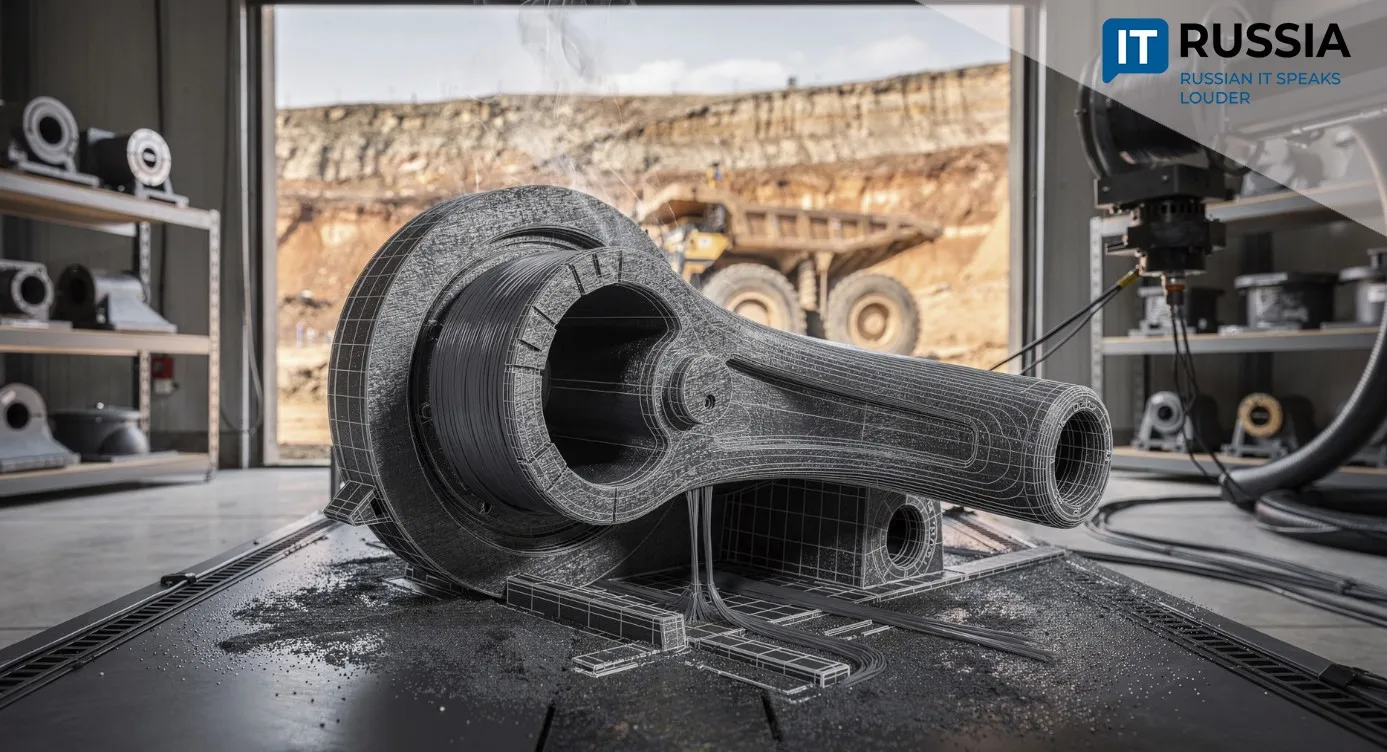
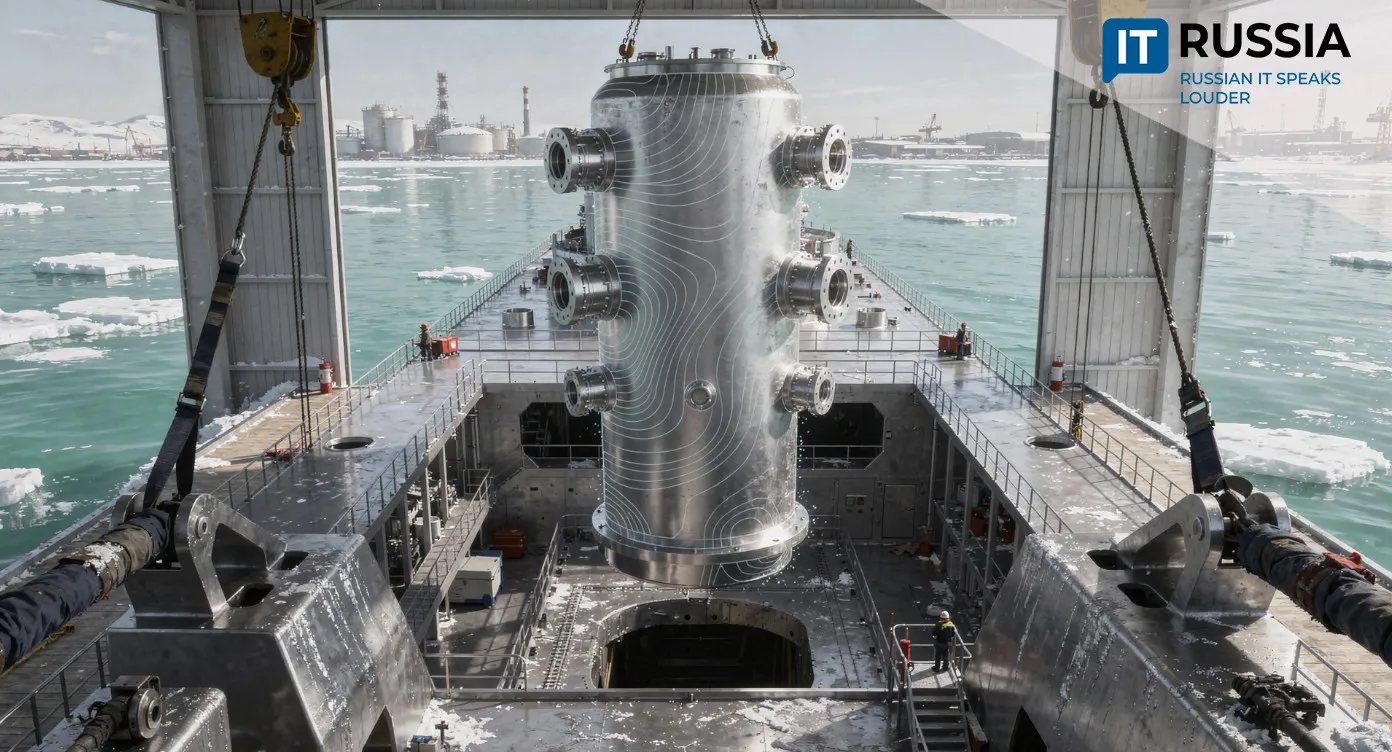
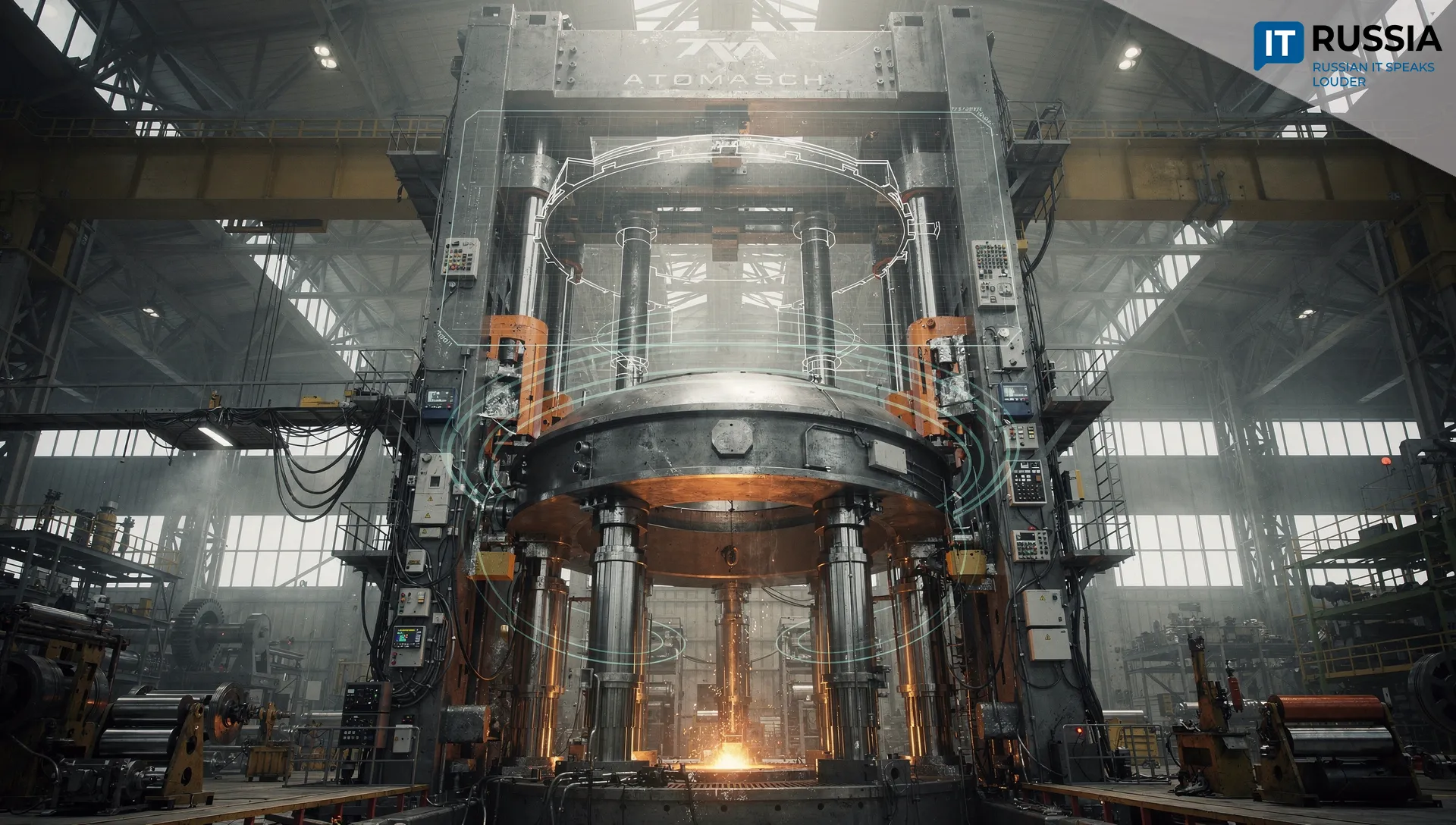
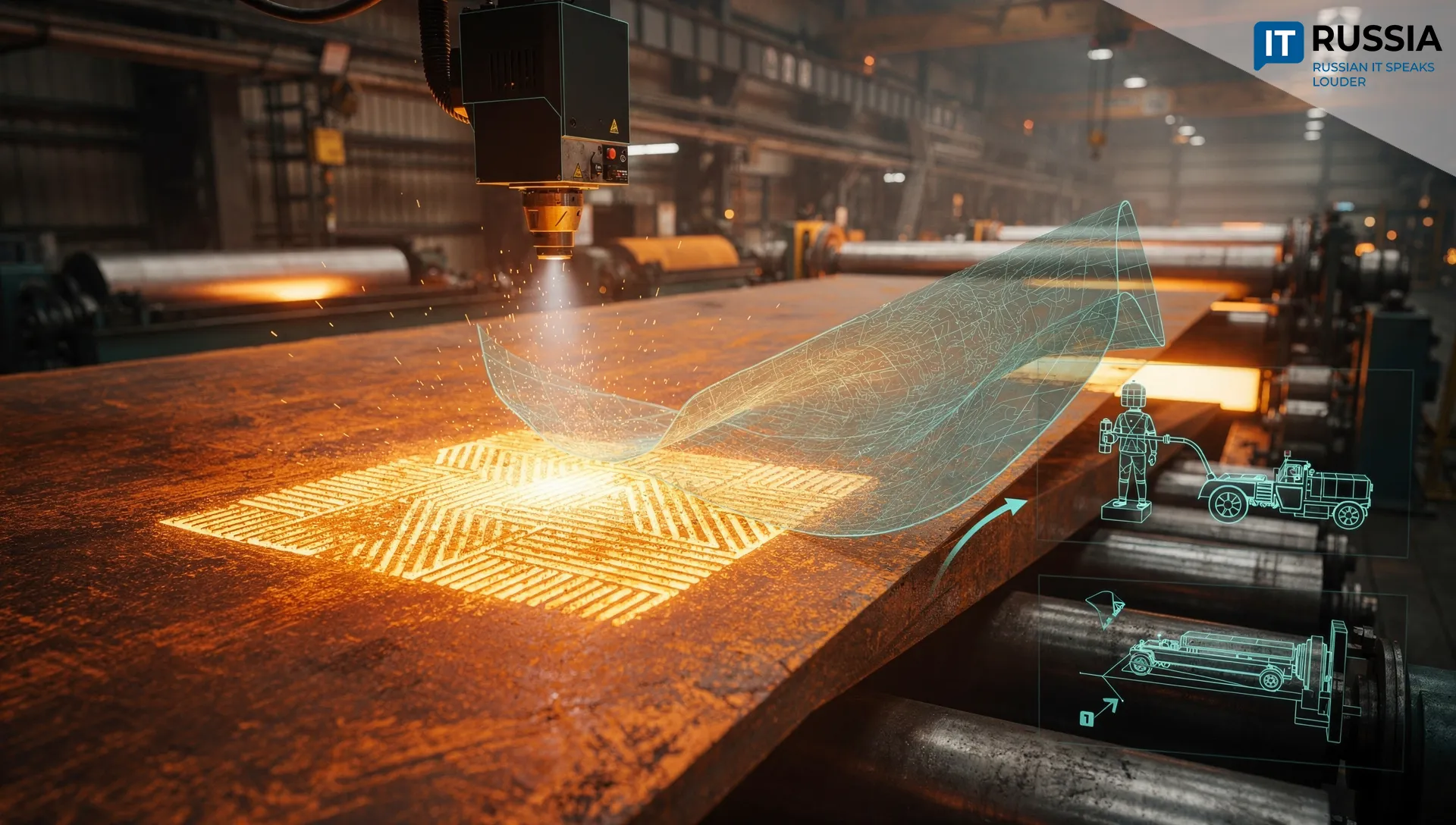
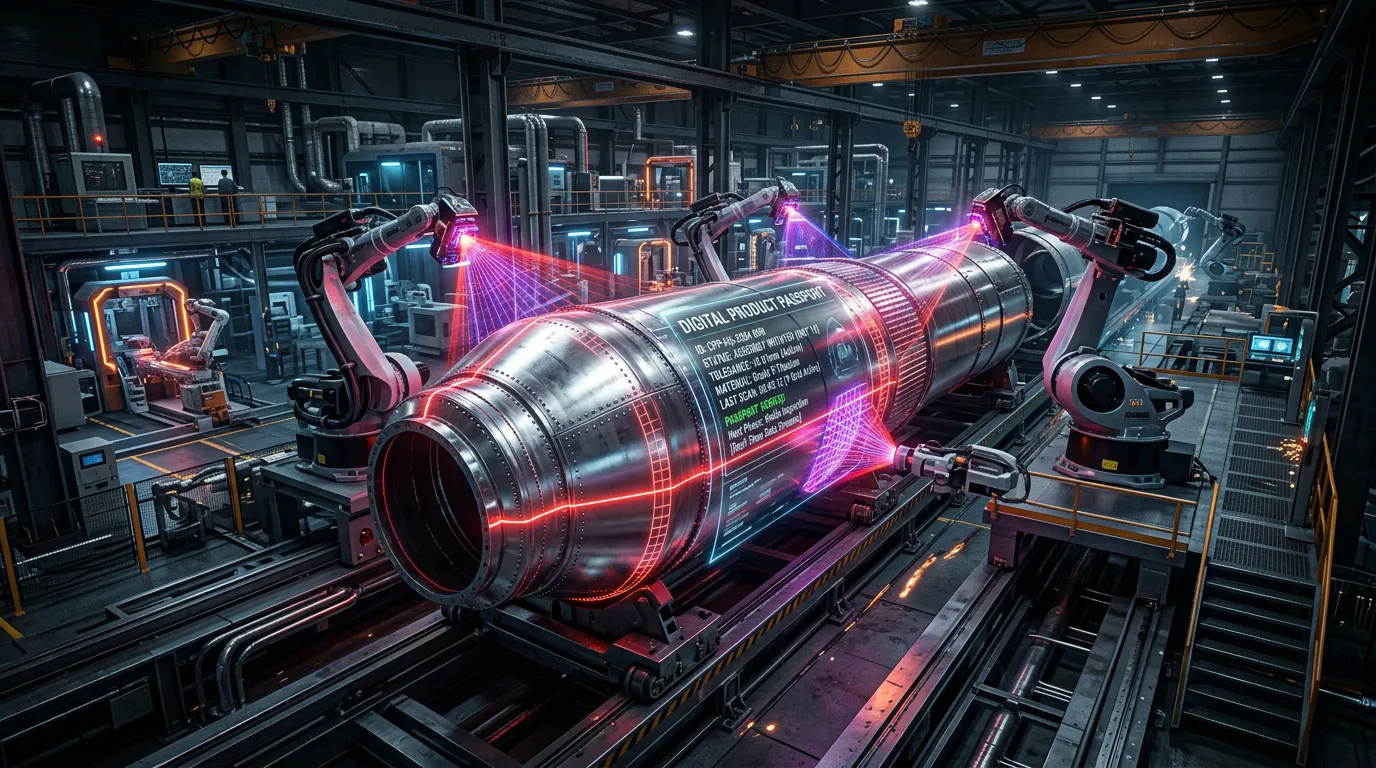
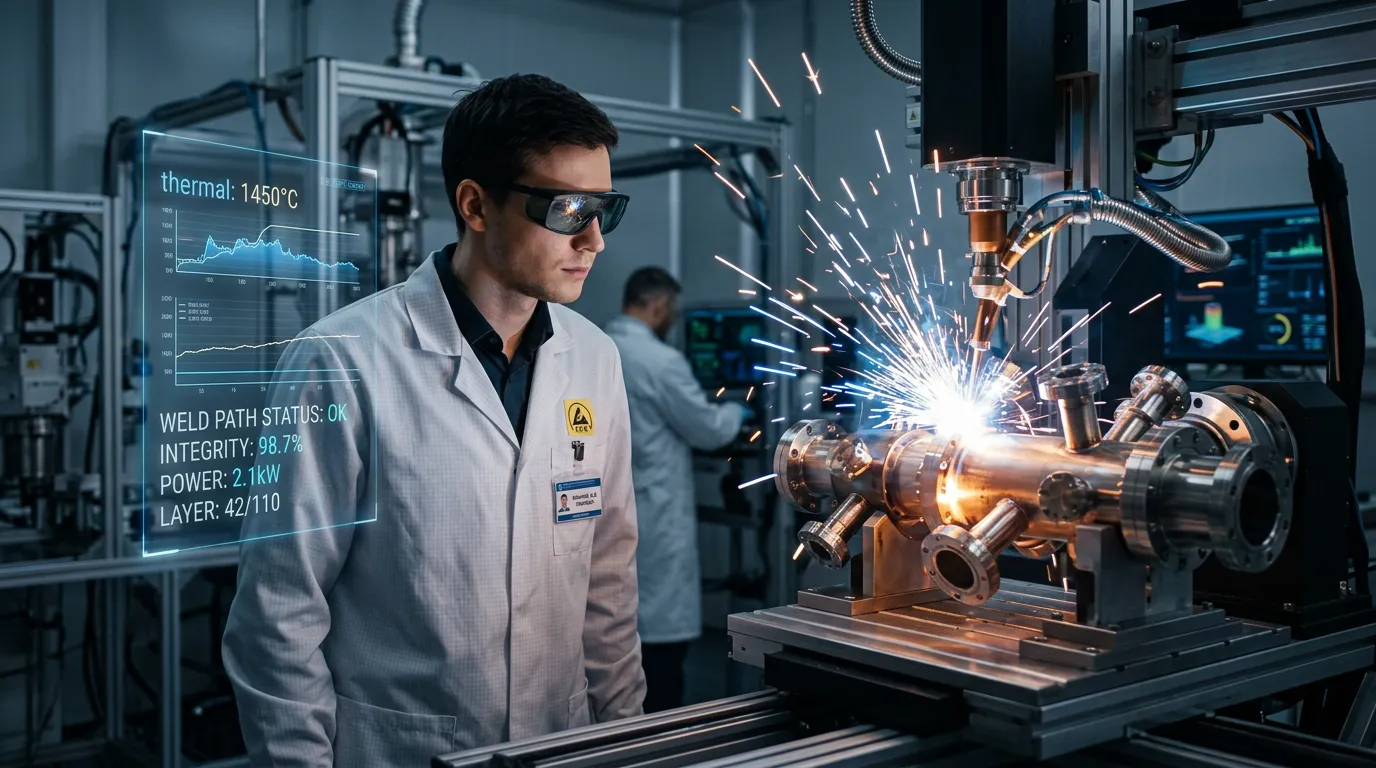
The first project focuses on automating production of reactor protective vessels. Instead of conventional welding, it proposes using laser welding combined with integrated scanners that monitor the process in real time. This approach minimizes the heat-affected zone while ensuring consistent weld strength along the entire seam.
Laser welding offers both high speed and precision, qualities that are particularly important when fabricating thick-walled components made from specialized steels widely used in the nuclear industry. Integrated scanners continuously monitor weld geometry and detect deviations during the welding process itself, reducing the number of defective components.
Implementing the automated system will enable protective vessel production to move to a continuous-flow manufacturing model, making it possible to scale output in line with Rosatom's expanding order portfolio. Atommash is already manufacturing equipment for 25 nuclear power units scheduled for completion by 2032 across Russia, China, India, Egypt and other countries.
Modernizing X-ray Inspection
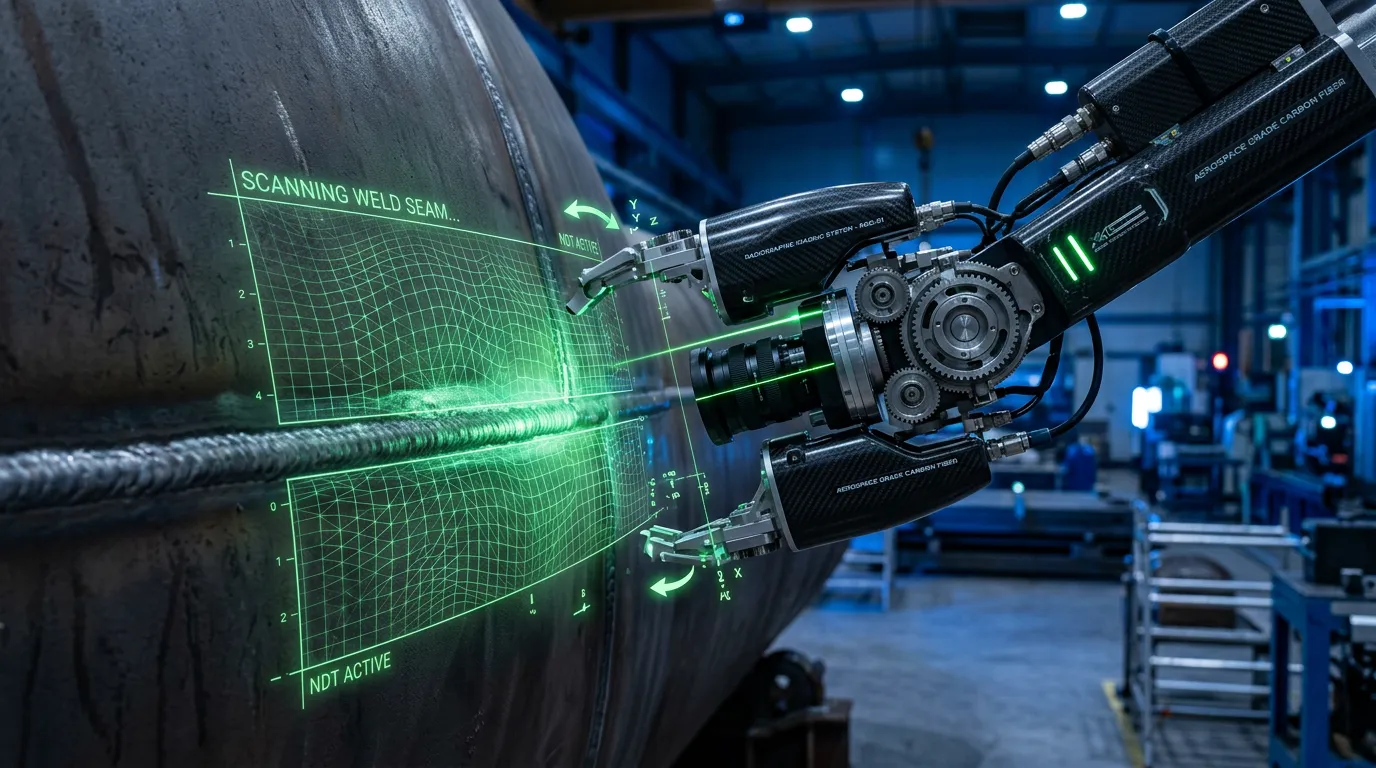
The second project is dedicated to improving the non-destructive testing of welded joints. X-ray imaging systems are used to inspect weld quality in reactor vessels and steam generators.
Accelerating X-ray inspection has a direct impact on overall manufacturing productivity. Each weld inspection currently takes several hours, and reducing that time by even 20-30% would generate substantial economic benefits in serial production of nuclear equipment.
Radiographic inspection remains one of the most reliable methods for detecting internal weld defects that cannot be identified through visual inspection or ultrasonic testing. Automating these supporting inspection operations allows professionals to focus on interpreting inspection results rather than performing routine procedures.
Production Digitalization Context
The projects developed by the young engineers align with the broader digital transformation strategy of Rosatom's Machine-Building Division. Across AEM-Technologies (AEM-Tekhnologii), which includes Atommash, manufacturers have already introduced three-dimensional scanning systems for geometric inspection, digital platforms for optimizing in-plant logistics and digital twins of manufacturing processes.
Earlier, the plant commissioned a robotic complex for ultrasonic inspection of welds in nuclear reactor equipment. The robot, unofficially nicknamed "Spider," performs inspections three times faster while providing more uniform scanner coverage across component surfaces. Automated quality control is becoming an integral part of modern heavy engineering.
Economic and Technological Benefits
Deploying laser welding with integrated scanners alongside automated X-ray inspection systems is expected to deliver combined benefits. On one hand, manufacturing time for each component will decrease through faster welding and inspection procedures. On the other, the number of costly rework operations resulting from defects discovered late in production will also decline.
Given that a single nuclear power unit can cost billions of dollars to build and requires years to complete, even modest reductions in equipment manufacturing time carry significant value. Production automation is becoming an increasingly important factor in maintaining competitiveness in the global nuclear engineering market.
Notably, the digital transformation of heavy industry is advancing not only through top-down implementation of corporate innovation strategies, but also through bottom-up initiatives proposed by employees themselves. That combination helps ensure new technologies address practical manufacturing needs and can be deployed rapidly in real production environments.