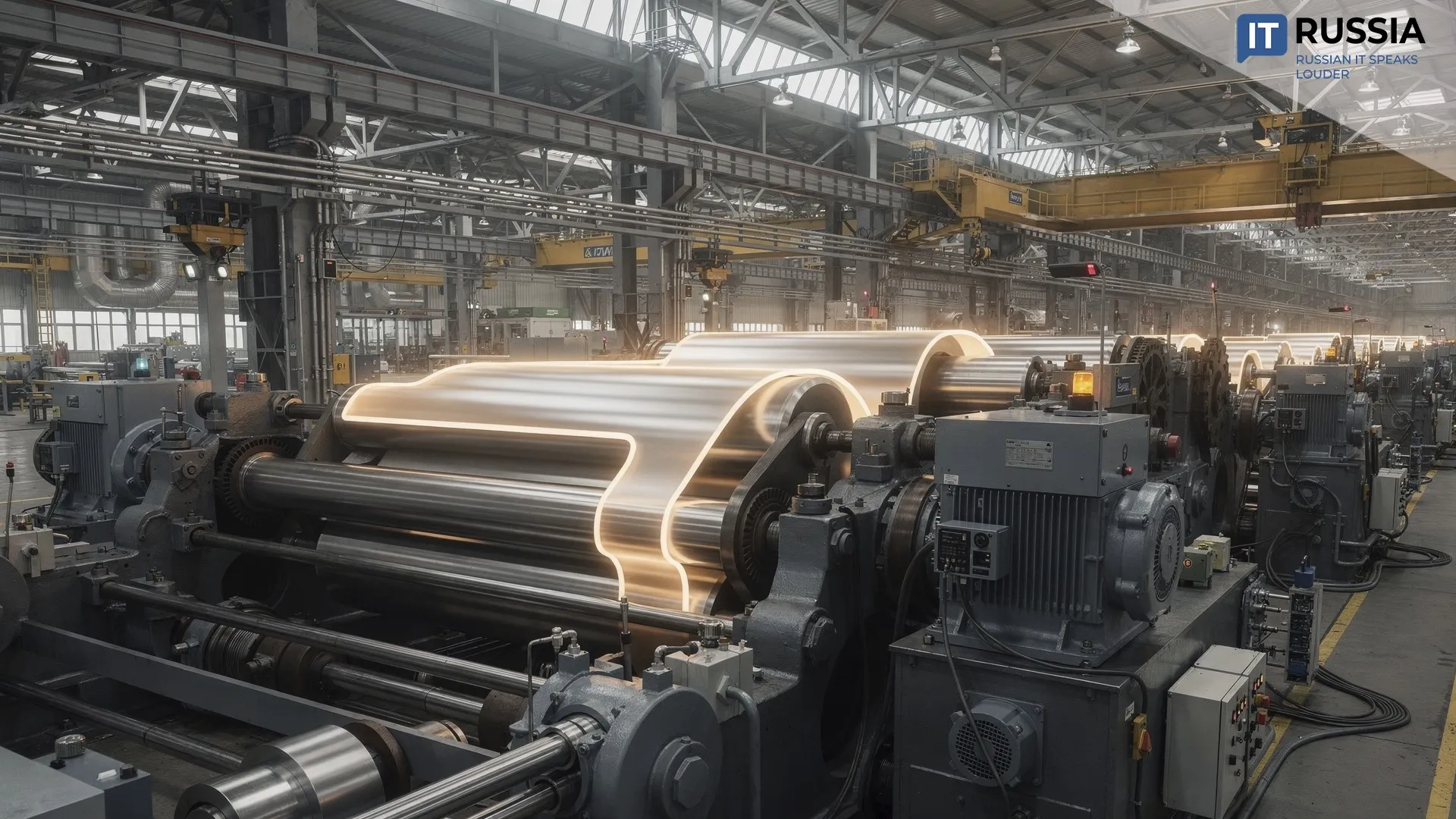
ChMZ Accelerates Nuclear Component Output Through Process Digitalization
At the Chepetsky Mechanical Plant, machine vision and end-to-end planning have already improved productivity across the entire enterprise.

At the site of Chepetsky Mechanical Plant (JSC ChMZ) in Glazov, a meeting of the governing council of the Rosatom Production System took place. Alexey Likhachev, Director General of Rosatom, presented an award to Sergey Chineykin, Director General of Chepetsky Mechanical Plant (JSC ChMZ), for achieving the silver level of a digitally enabled PSR enterprise. The session also brought together senior Rosatom executives, including Tatyana Terentyeva, Sergey Obozov, and Natalia Nikipelova.
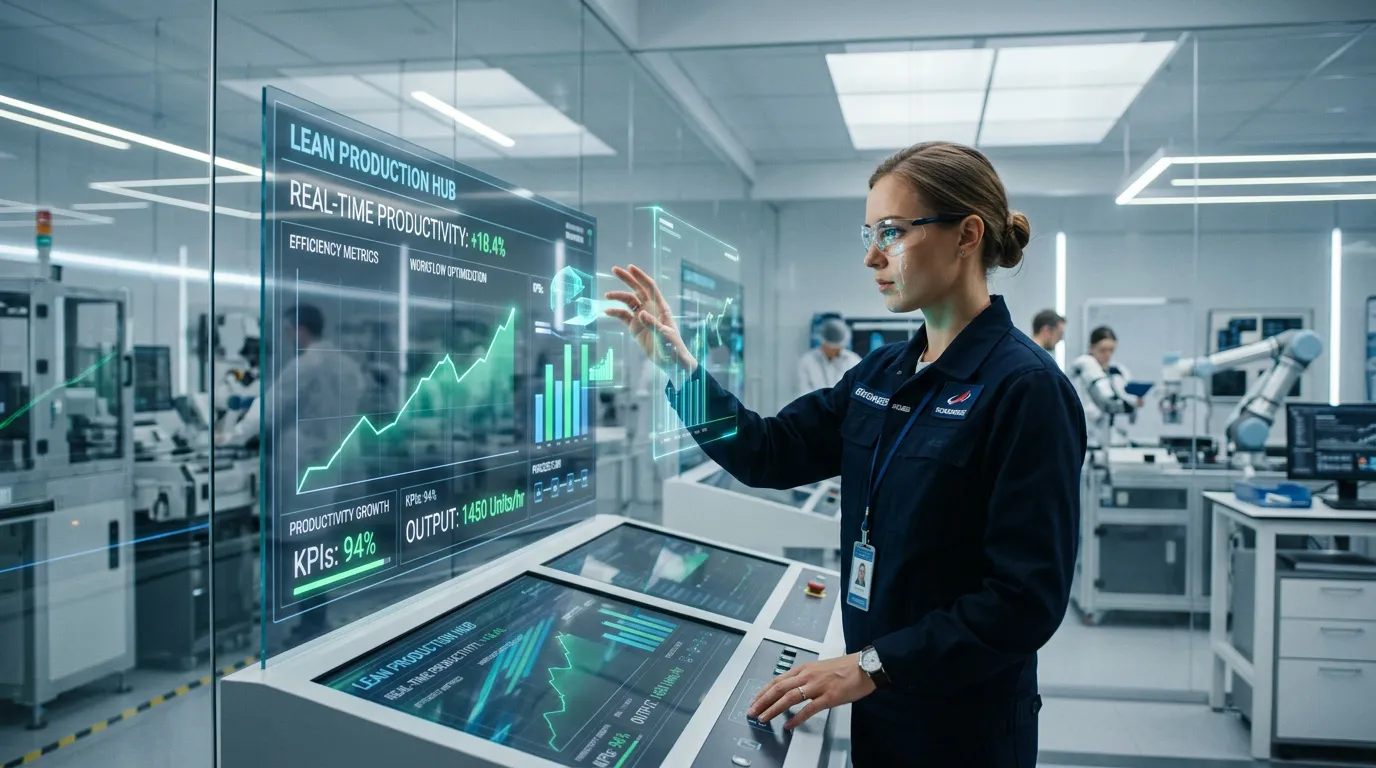
Over the past year, labor productivity at the plant increased by 18%. On-time task completion improved by three to four times, delivery accuracy for zirconium components reached 100%, and equipment utilization rose by 15%. For a facility producing materials used in nuclear fuel, these gains translate not only into higher efficiency but also into more predictable performance across the entire production chain.
How the Production Flow Is Managed
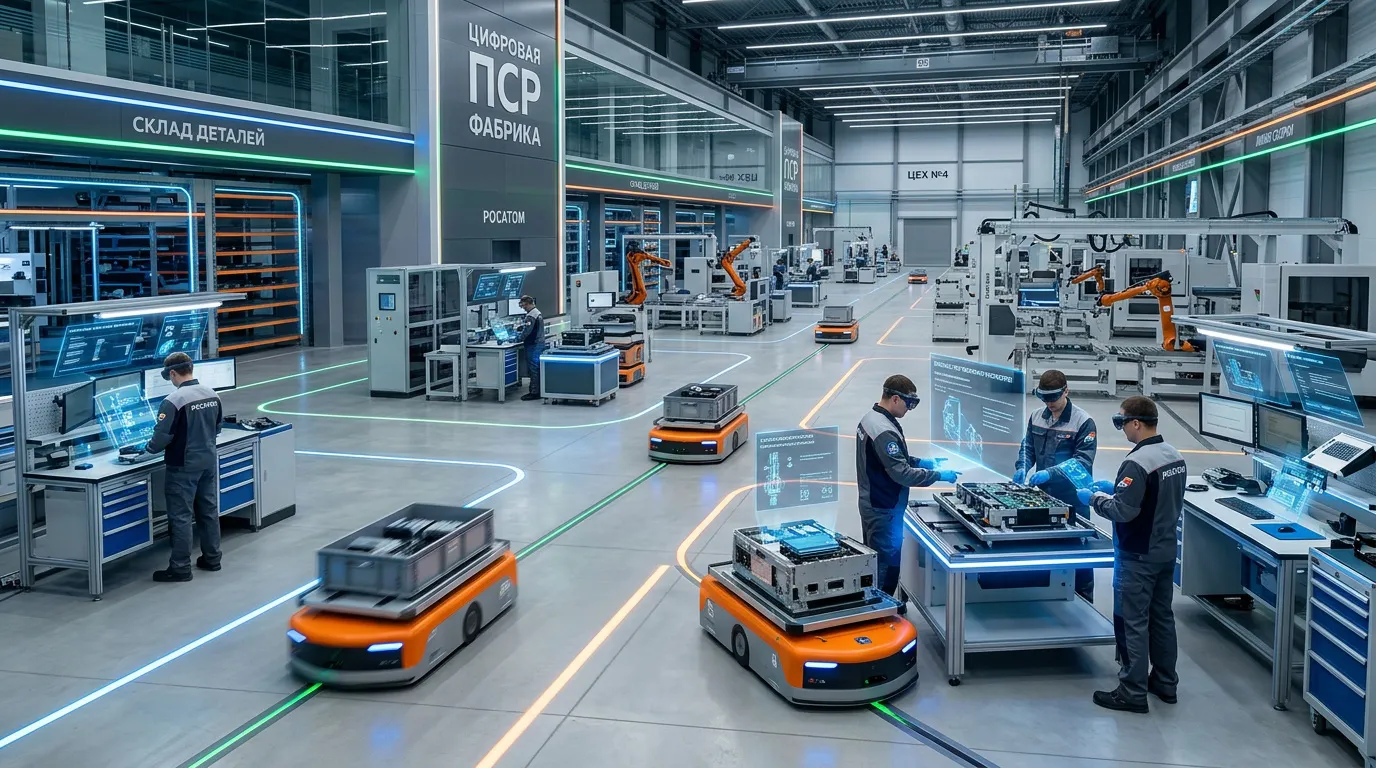
The major impact of digitalization at ChMZ comes from its end-to-end planning system. The platform models different production scenarios, allocates workloads across equipment and personnel, and then automatically generates daily and shift-level tasks. Every stage of product movement is tracked digitally, which minimizes downtime and allows the plant to respond faster to changes in orders.
The setup also includes an electronic information center. It aggregates data from multiple enterprise systems and displays key performance indicators to management in real time. In practice, this reduces reliance on manual reconciliation and lengthy coordination cycles. Decisions are made based on consolidated, visualized data rather than fragmented reports.
Machine Vision as a Core Quality Tool
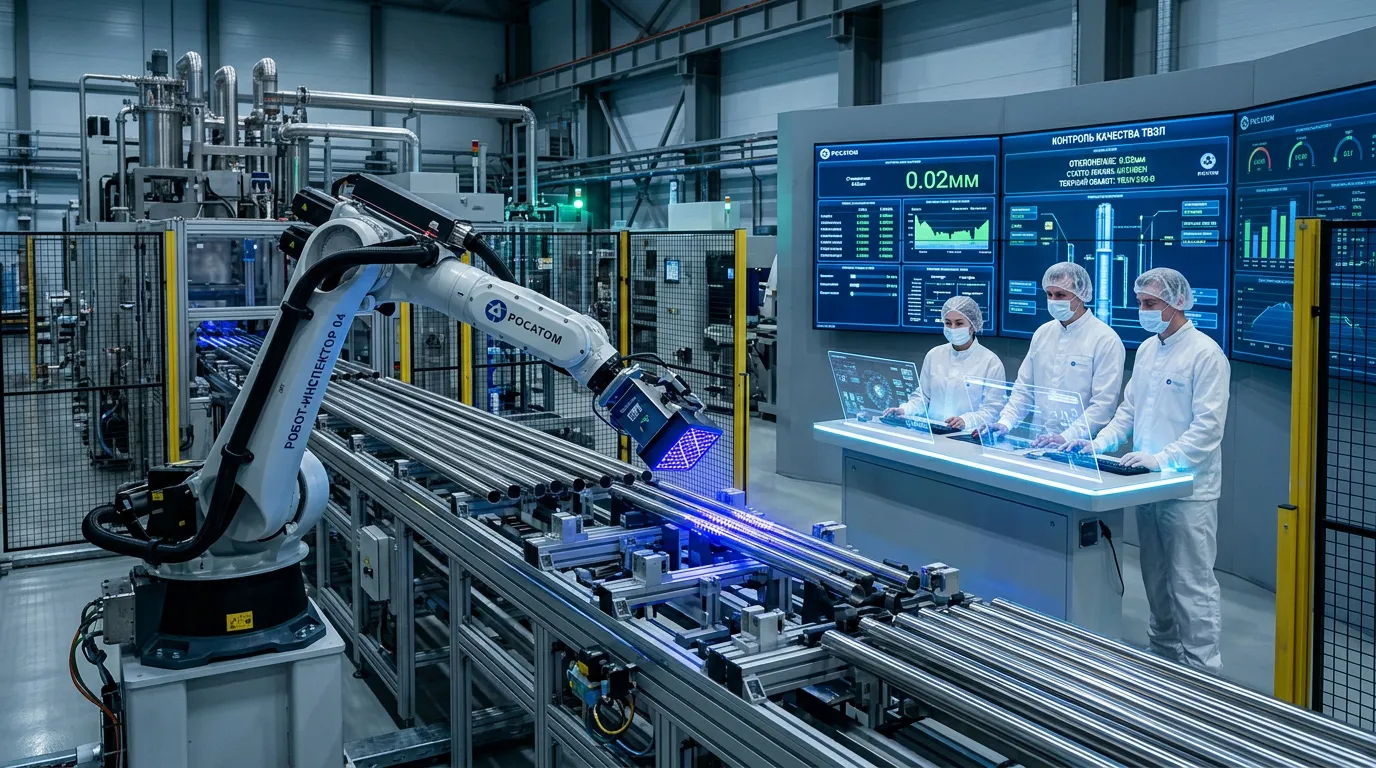
Another major component of the plant’s digitalization strategy focuses on quality control. ChMZ operates an automated machine vision system that inspects nuclear fuel cladding at a speed of 150 frames per second. The system relies on neural network algorithms and compares detected defects against a database containing several thousand images. That approach cuts human error and reduces operational risk.
ChMZ produces zirconium components and other materials used in nuclear reactors. In this segment, repeatability, precision, and stability are critical, which makes machine vision a core element of the production environment rather than an auxiliary tool.
A Distinct System-Level Impact
ChMZ plays a central role in the fuel supply chain of Rosatom and its fuel division TVEL. It is the only producer in Russia of zirconium products and alloys, and one in six nuclear reactors worldwide operates on fuel made using ChMZ zirconium. At that scale, even incremental improvements at the plant have industry-wide impact.
TVEL supplies fuel to more than 70 power reactors in 15 countries, as well as research reactors in nine countries. Rosatom’s international project portfolio covered more than 60 countries in 2024. As a result, ChMZ’s digital maturity directly affects supply reliability across global markets. The plant operates in a capital-intensive and strategically critical segment, so even modest efficiency gains deliver measurable industrial impact.
More broadly, ChMZ’s experience shows that digitalization in Russian industry is shifting from isolated tools to integrated systems with clear operational outcomes. For Rosatom, this has already become a working model that can be replicated across other heavy industrial enterprises.