AI-Powered Electric Vehicles Patrol Moscow Streets
Neural-network monitoring systems mounted on electric vehicles detect infrastructure issues and transmit geotagged images to cloud platforms.
Officials on the mos.ru portal described how digital dispatch centers, artificial intelligence, mobile robots, and neural-network monitoring systems help maintain Moscow’s urban infrastructure.
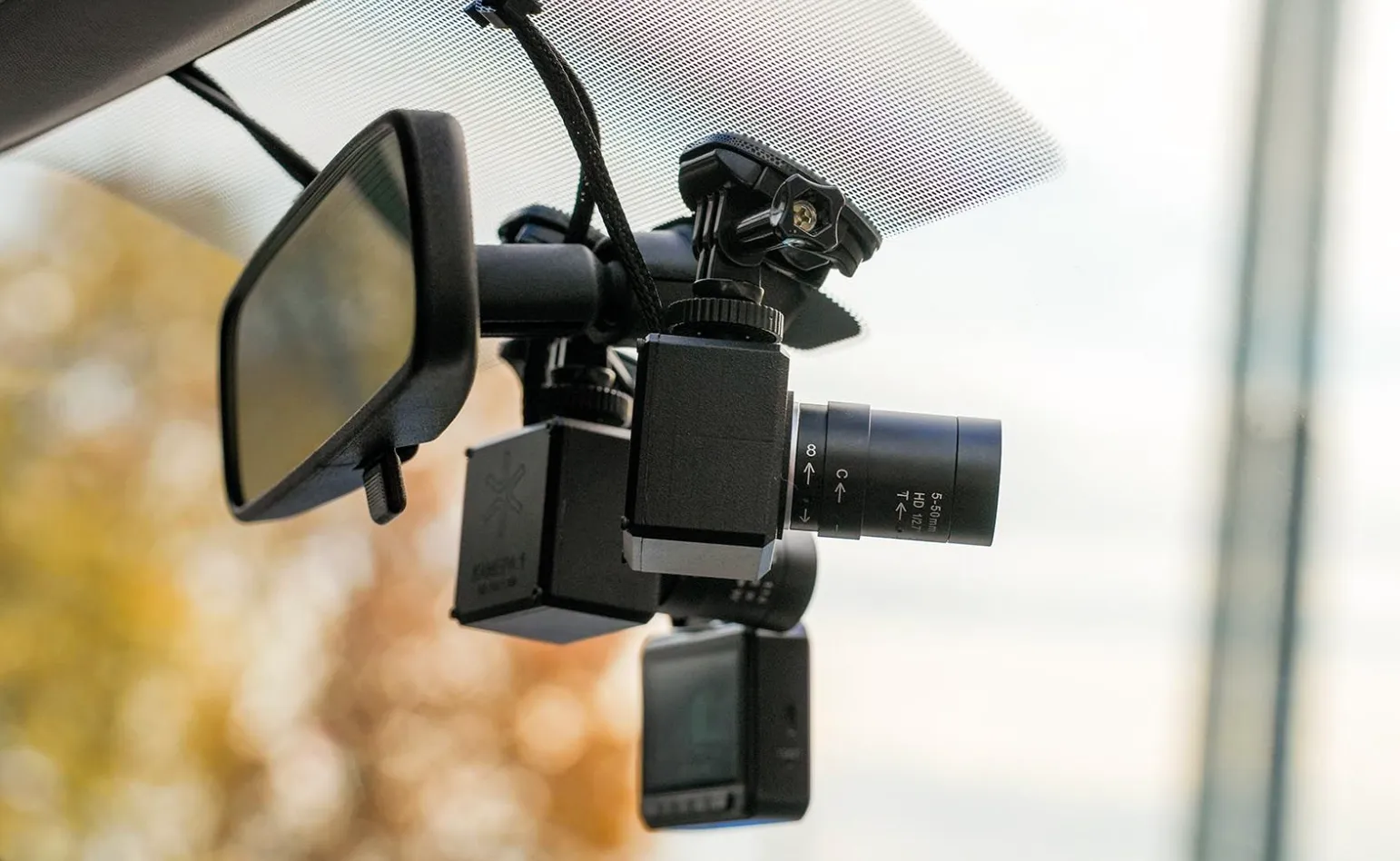
Electric vehicles equipped with antennas and cameras have recently begun operating on city streets. The neural-network monitoring system detects various types of violations and sends images to a cloud platform with the object’s geolocation. According to Mikhail Sorokin, head of the architectural lighting operations service at Obedinennaya energeticheskaya kompaniya (United Energy Company), the system also helps monitor the condition of lighting poles and other urban infrastructure. Engineers are currently training the AI to detect additional types of defects.
The Mosgaz digital dispatch center allows operators to monitor pressure and temperature at gas regulation stations in real time. Reports of incidents received through the city’s emergency service 112 are automatically routed to the digital dispatch center, where specialists assess the situation using video cameras and take the necessary actions. Gas supply can be shut off remotely thanks to automated control valves installed at gas regulation stations.
Robotic X-ray systems inspect welded joints during the construction and modernization of gas pipelines, while telescopic inspection robots use multiple video cameras to monitor pipeline conditions and transmit live data to operators in a mobile laboratory. These robots move on wheels, run on battery power, and are controlled remotely.
Mobile and Floating Robots
Mosvodokanal (Moscow Water Utility) is also deploying robotic systems. Mobile robots help monitor pipeline quality, detect blockages, and identify structural defects. Operated by specialists, the smart machines perform diagnostics inside pipelines and record their condition with cameras that transmit live data to a workstation.