Rosneft Builds a 3D Digital Model Using Domestic Software
Rosneft has announced the creation of a three-dimensional digital twin of Russia’s largest oil pumping station, developed entirely with domestically produced software.
The Digital Twin in Practice
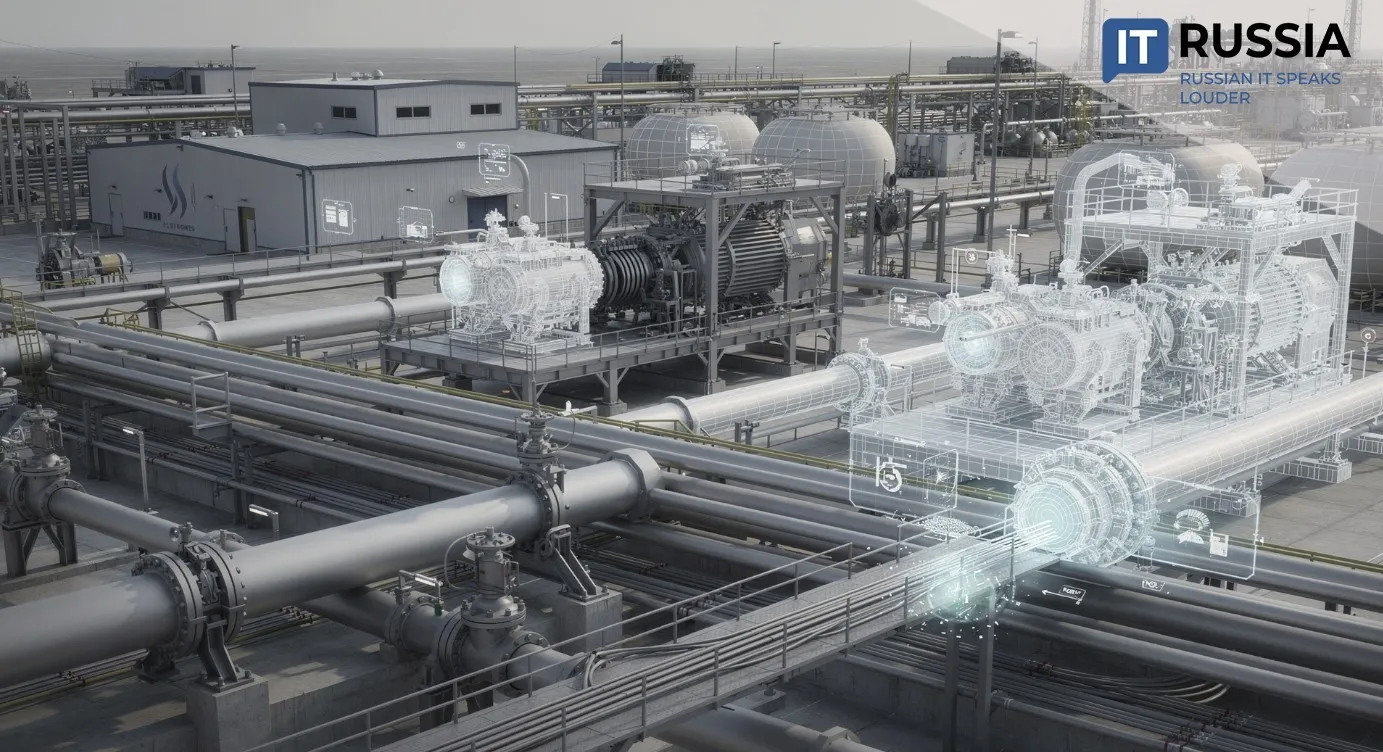
The 3D model of the oil pumping station was developed by Rosneft’s Tomsk Research Institute. The digital twin represents the country’s largest station by area and throughput and spans 100 hectares. It includes more than 480 buildings, 280,000 structural elements, 75,000 units of process equipment, 130 kilometers of pipelines and 1,500 kilometers of cable lines. The station’s throughput exceeds 100 million tonnes of oil per year.
The digital twin contains more than 5 million three-dimensional elements linked to design standards and materials. Each element is described in detail, including its dimensions and its role at specific construction stages.
This achievement is notable not only for its scale. It strengthens Rosneft’s leadership in 3D design and building information modeling in the oil and gas sector, supports the transition to digital technologies at critical infrastructure facilities and raises the overall technological maturity of the industry.
For many years, Rosneft has worked to maintain leadership in 3D design. Hundreds of 3D assets have been created, and the company regularly holds internal championships and competitions in information modeling. These events help employees master new technologies, identify effective solutions and scale best practices across projects.
Standardization as a Competitive Advantage
The widespread adoption of BIM models is not solely a corporate initiative. Since 2022, they have been mandatory for all publicly funded construction projects in Russia under a government decree governing the preparation of design documentation for construction, reconstruction and major repairs.
In 2021, Russia approved the world’s first national standard for digital twins of industrial products. Digital twins were formally recognized as an advanced technology emerging at the intersection of physical and digital systems within the fourth industrial revolution.
In 2024, detailed rules for maintaining information models were approved, covering data composition, formats and update procedures. Regulation has thus become not only mandatory in principle but also procedurally defined, accelerating the industrial adoption of information modeling.

Remote Field Development
Competition in the oil and gas sector has always been intense. During the COVID-19 pandemic, Gazprom Neft became the first company in Russia to bring the Tazovskoye oil and gas field in northern Yamal-Nenets Autonomous Okrug into operation under severe logistical restrictions.
Despite challenges related to cargo delivery, contractor access and shift personnel, the project succeeded thanks to digital tools, including BIM modeling and a digital twin of the field. Construction oversight and acceptance were carried out remotely using drones and aerial laser scanning. A modular construction approach reduced capital construction volumes and cut infrastructure deployment timelines in half. The full production infrastructure, including development of the Tazovskoye oil rim, one of the region’s most complex assets, was commissioned.


IT Import Substitution
In 2022, Transneft adopted an IT import substitution strategy that set a precedent for digital transformation in the sector. The strategy included ten business development programs, such as a digital back office and HR systems, financial management digitalization, digital twins and digital engineering. The strategy was coordinated with the Ministry of Energy and the Ministry of Digital Development, with import substitution identified as its core objective.
The company implemented a digital back office, big data analytics for procurement, digital twins for efficient pipeline operations and digital HR systems. These programs grouped ten digital initiatives across key business functions.
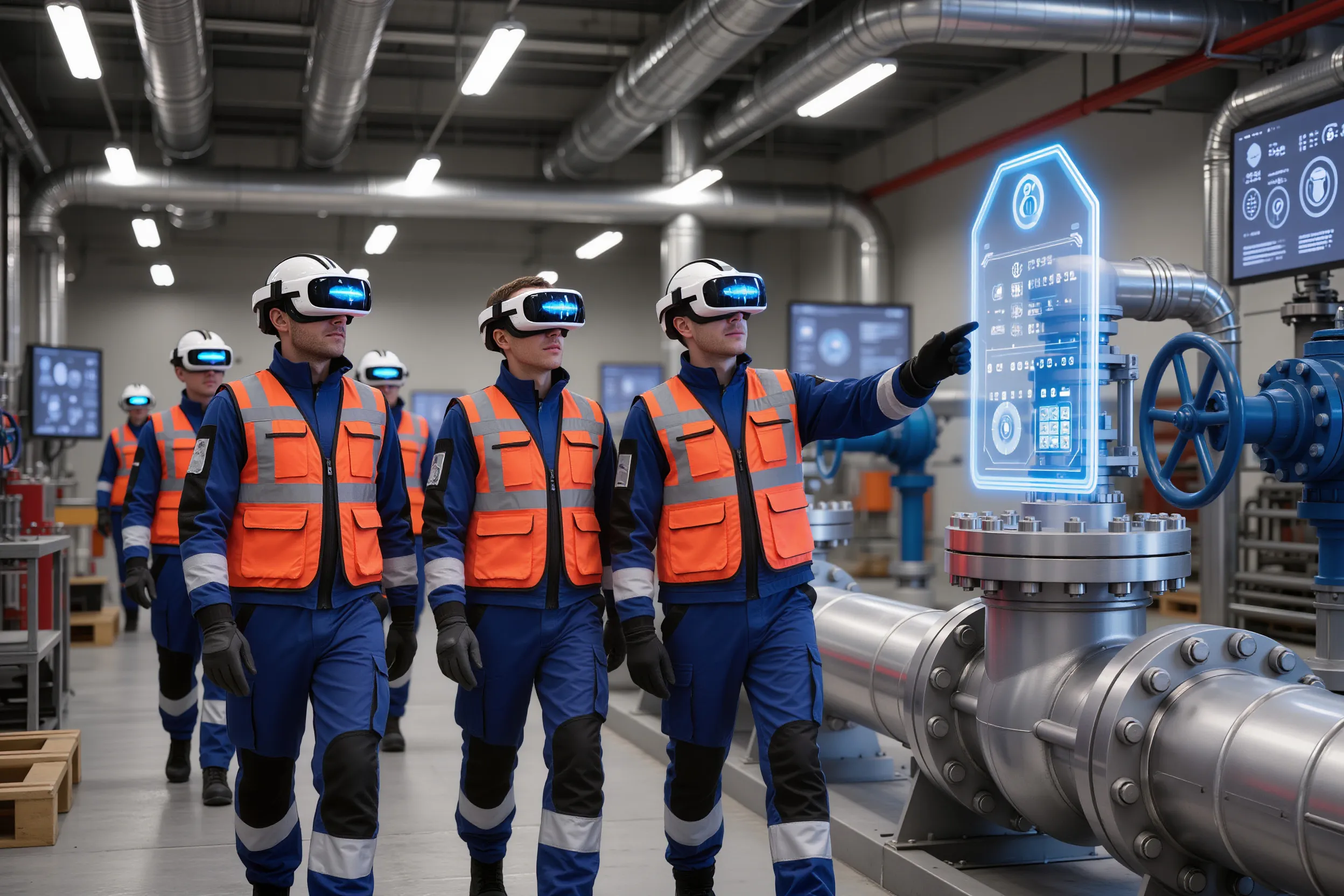
It is clear that digital twins are not a narrowly corporate task but a foundation for further automation in design, operations and maintenance. In Rosneft’s case, regular internal BIM competitions demonstrate the formation of in-house expertise and a skilled talent pipeline.