Russian Petrochemical Industry Moves to Homegrown Algorithms
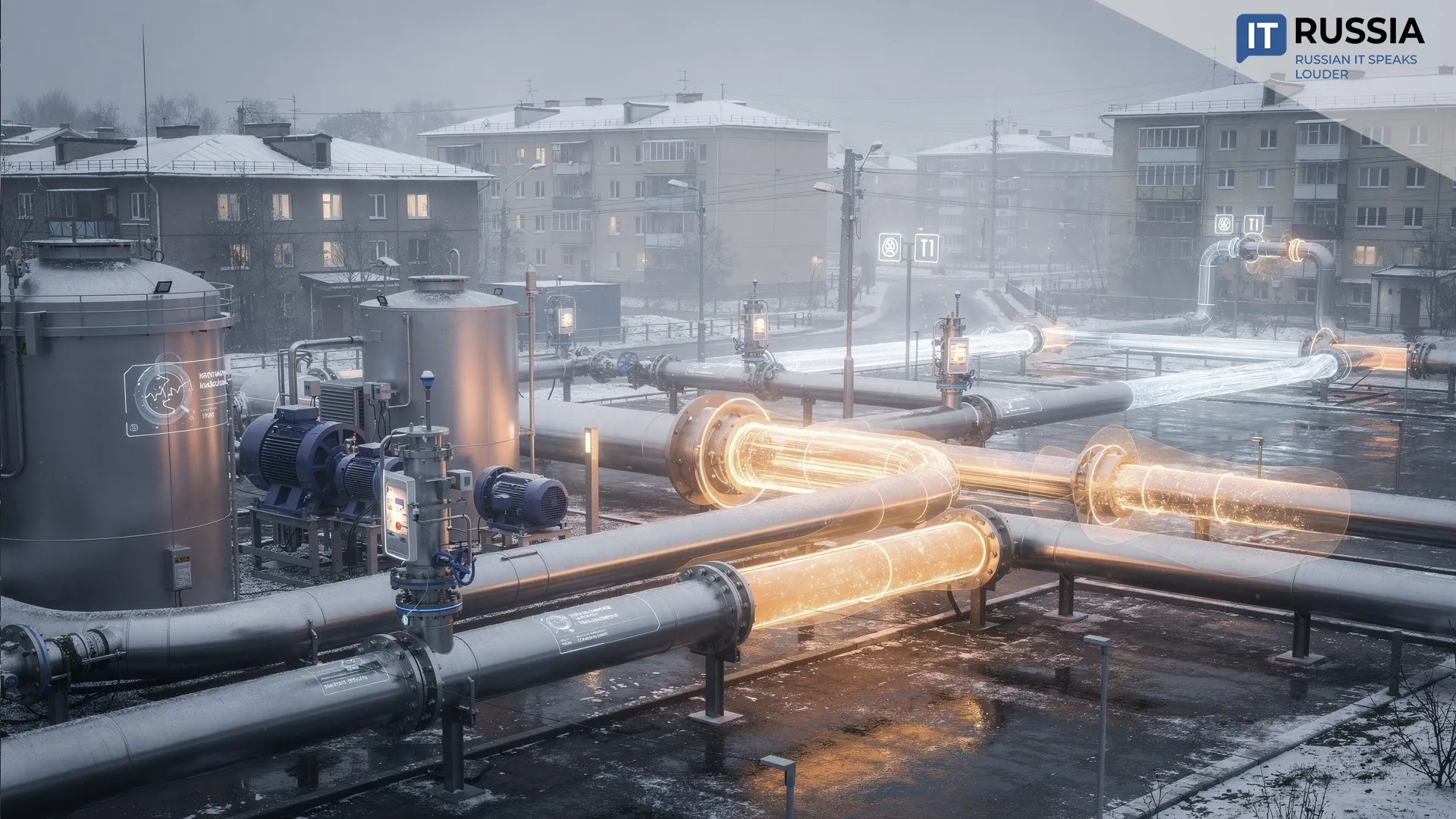
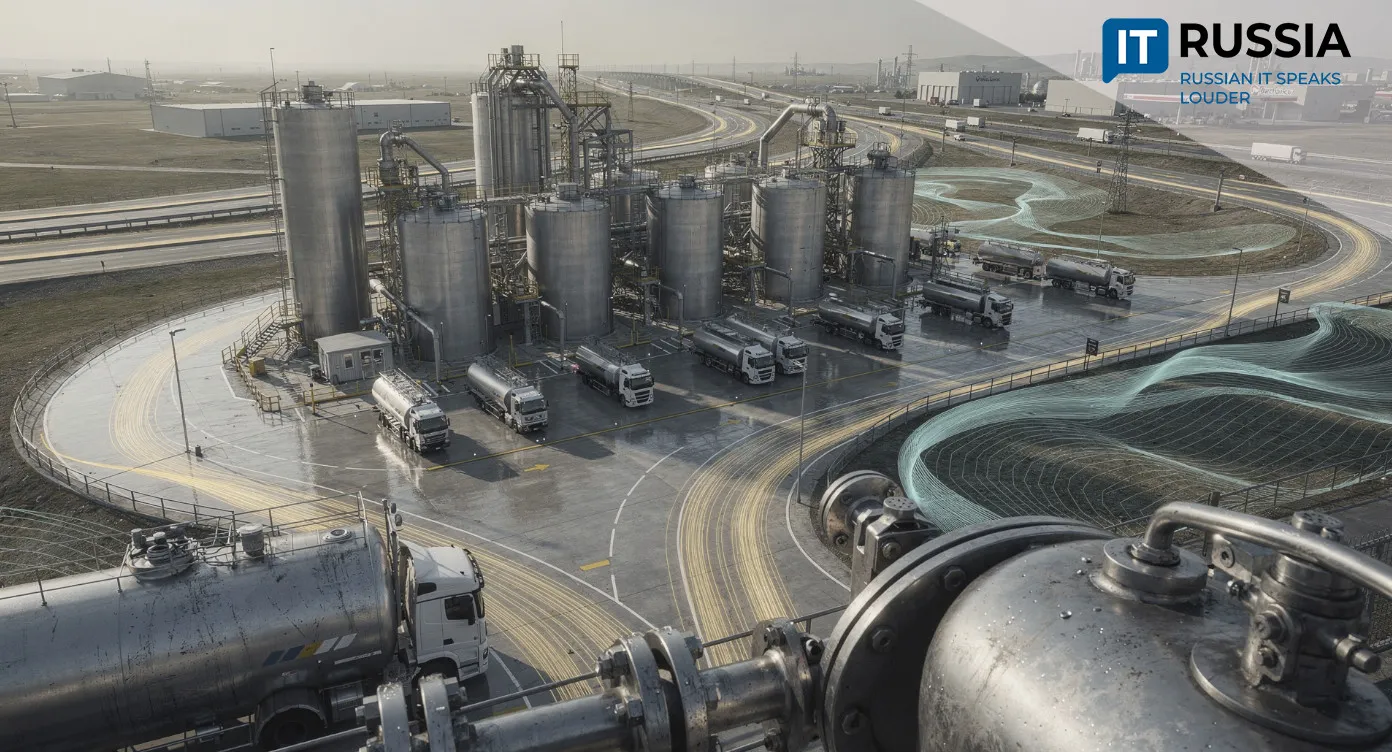
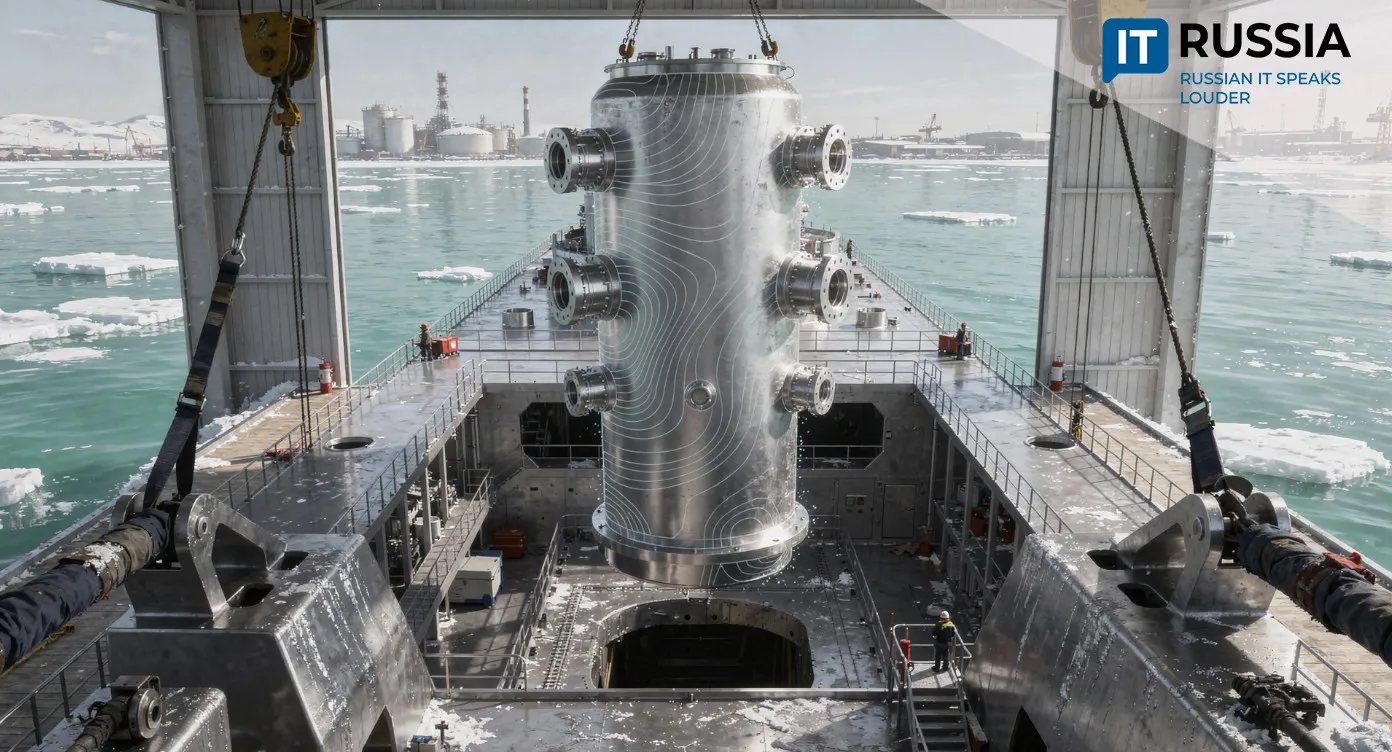
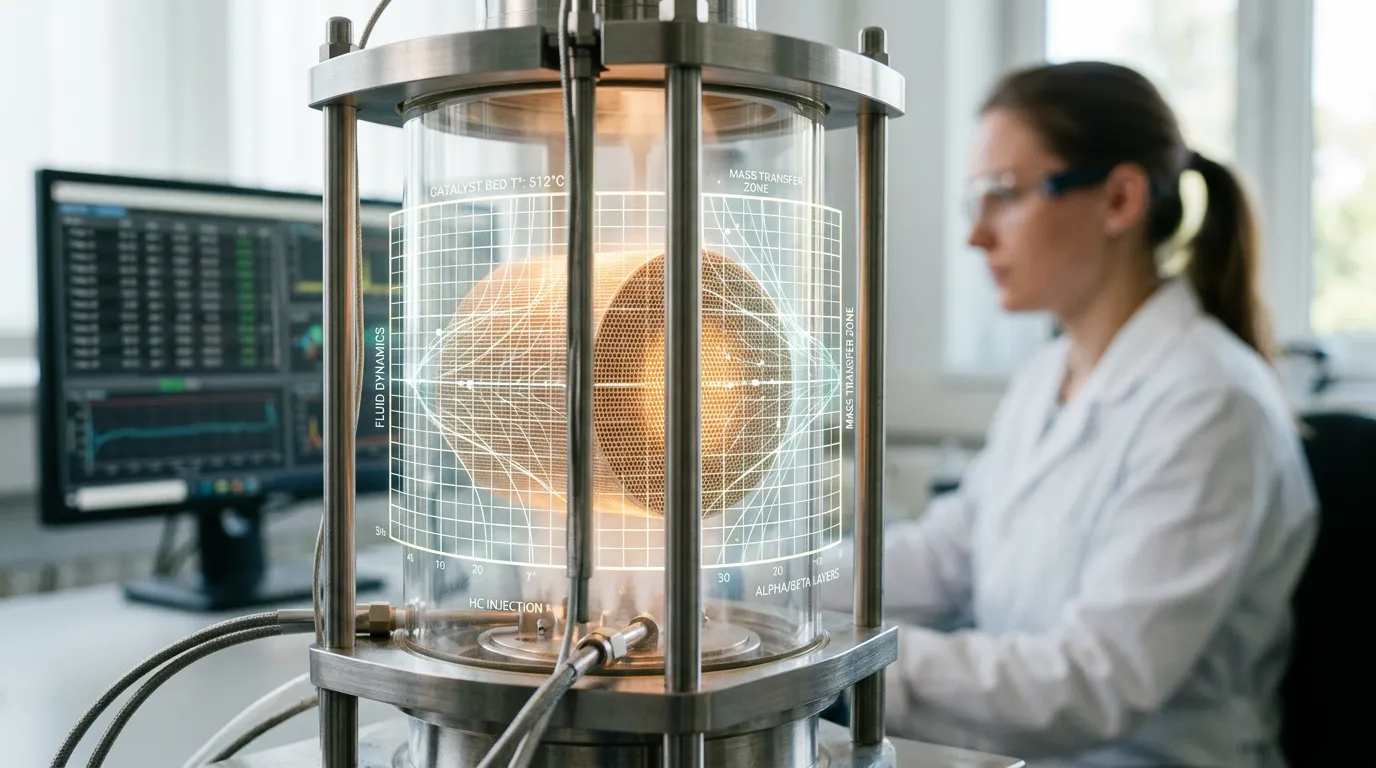
Oil is converted into gasoline in a huge catalytic reactor. “Tuning” it means adjusting temperature and pressure, then waiting for the result. The process is slow, costly and risky. Scientists at National Research Ogarev Mordovia State University have translated the process into a digital model and made it far more efficient.
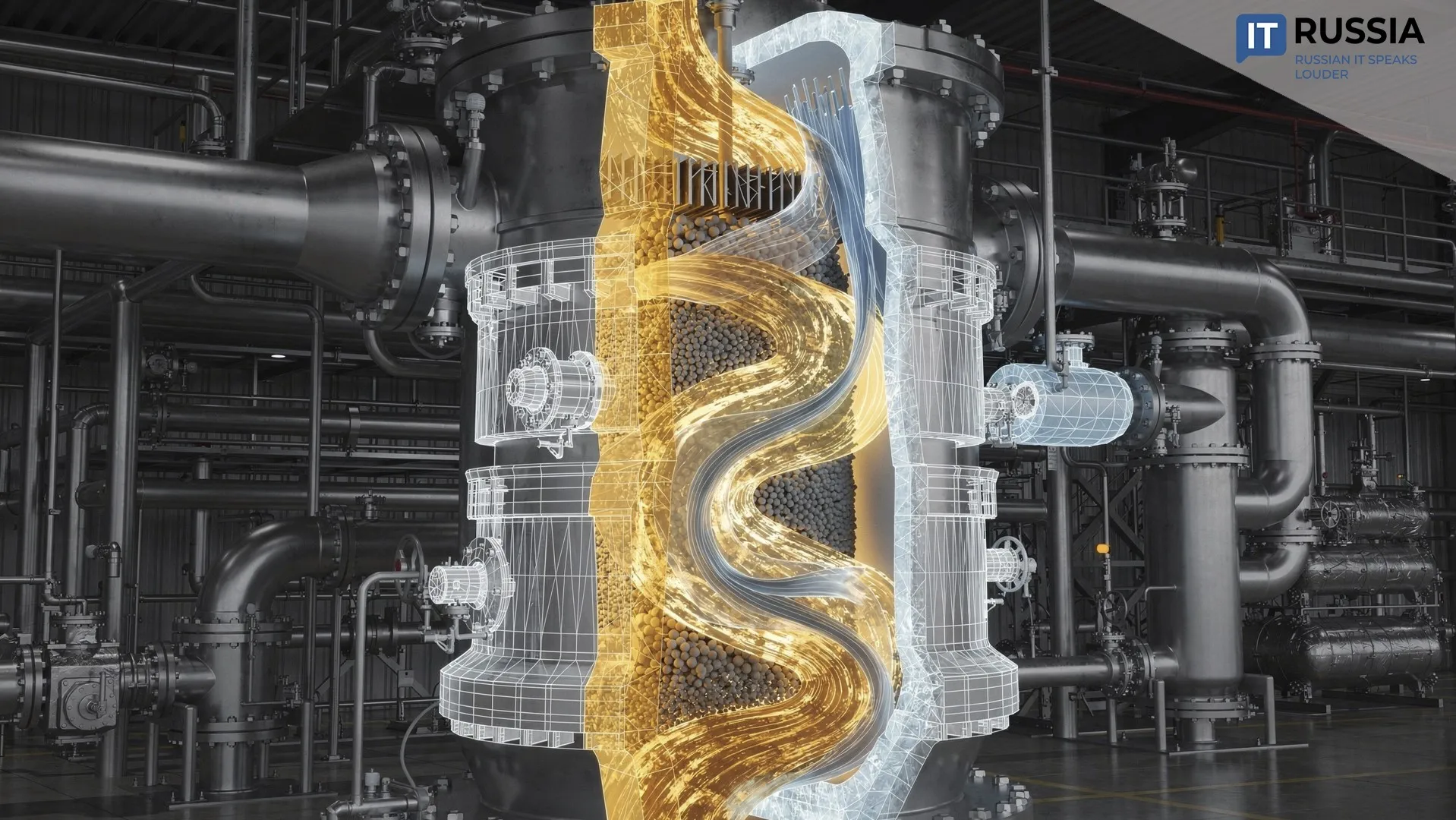
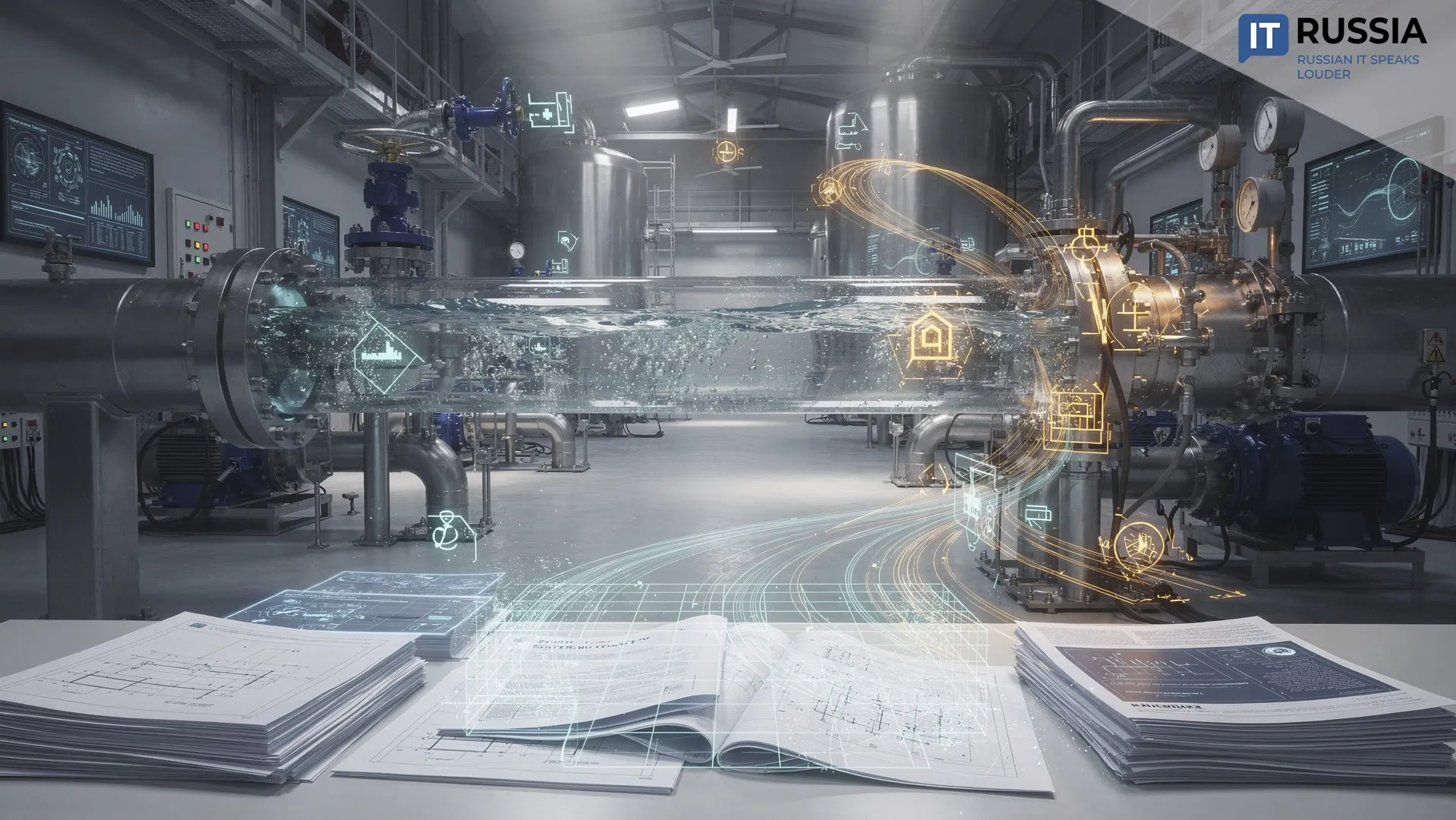
The researchers created a mathematical model, essentially a virtual replica of the reactor, using a computer and described everything that happens inside it with equations: how the liquid moves, how it heats up, and how the substances react.
Mathematics Against Losses
Chemical reactions inside a catalyst are highly complex and occur rapidly. Scientists in Mordovia have developed an algorithm that calculates these processes with precision. Engineers can now model a given scenario and see what happens if, for example, the temperature is raised by 5 degrees, the oil feed rate is changed, or a different catalyst is used. The computer analyzes all the options and identifies the most advantageous one, using less energy while producing more gasoline. In effect, by applying regularization methods, the researchers have learned to predict the behavior of the “boiling cauldron” in which every molecule affects the overall picture.
A more accurate model makes it possible to identify optimal reactor operating conditions, reduce energy consumption, minimize feedstock losses, and extend the service life of expensive catalysts. That translates directly into savings for individual plants. Across the industry, it could mean billions of rubles in savings and a measurable reduction in environmental impact. The researchers are also using Russian software that can replace imported alternatives.
Thus, developing domestic mathematical algorithms for industrial software can optimize the operation of highly complex systems. Digital twins and industrial AI systems cannot be built without such algorithms.
New Solutions for Refining
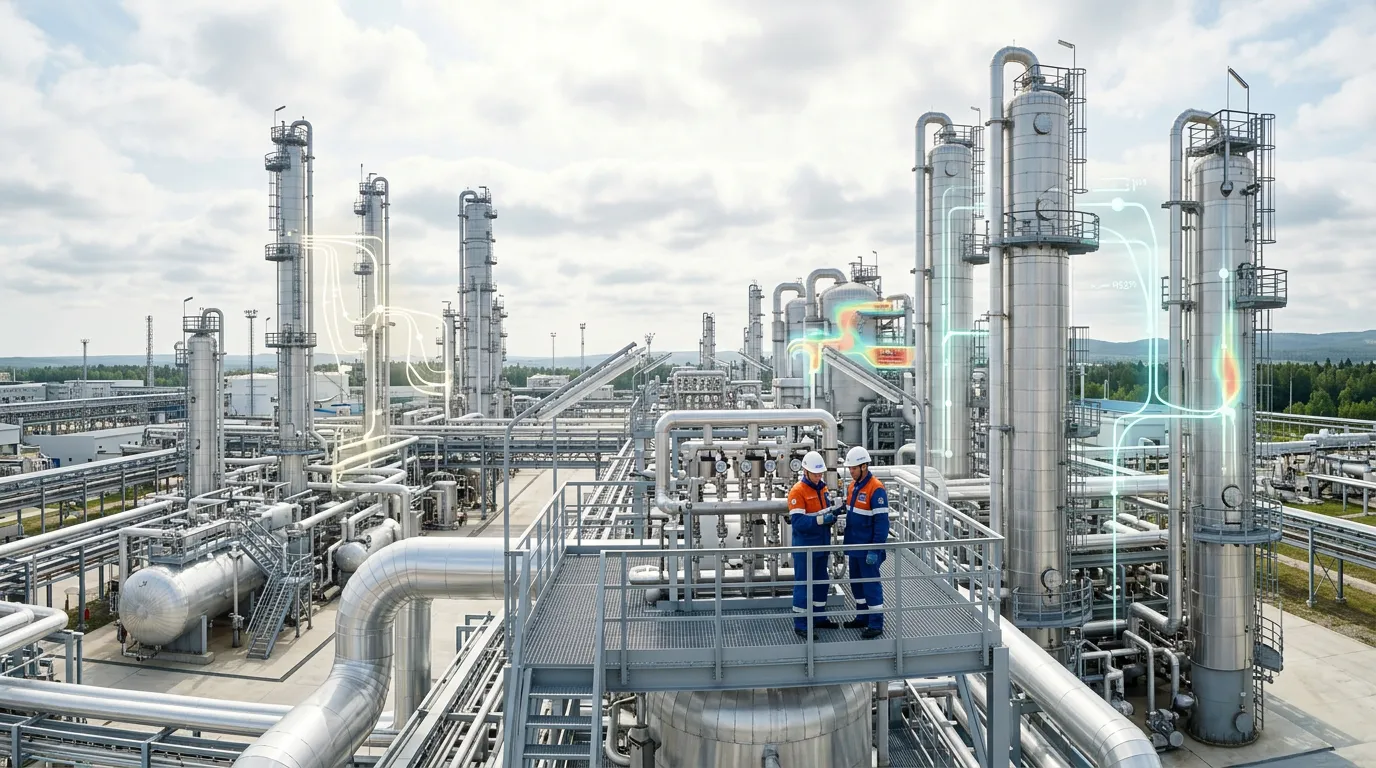
Digital modeling is being actively pursued in Russia not only by research institutions but also by major oil and gas companies. For example, Gazprom Neft-Orenburg created a virtual model of the Eastern section of the Orenburg oil and gas condensate field. The integrated system supports the operation of more than 600 wells around the clock, tracks equipment operating parameters, and recommends optimal loading conditions. By 2030, the economic effect is expected to reach 3.3 billion rubles (about $39.5 million), while oil production is projected to increase by more than 800,000 metric tons. Gazprom Neft has also used a digital twin for all of its seismic exploration projects since 2020. Today, the system contains data on more than 800 of the company's exploration assets.
Scientists at Siberian Federal University have created Russia's first digital twin of a delayed coking unit. The “virtual coke chamber” predicts temperature distribution and coke-layer growth with an error margin of 1.6% to 2.5%. This makes it possible to forecast product quality before a cycle begins, optimize feedstock consumption, and quickly adjust production settings.
Rosneft uses the RN-AvtoBalans neural-network software suite to optimize operating conditions for injection wells at mature fields. The main task is to redirect water injection to wells where the return is highest and reduce it where the effect is minimal. The algorithm operates without an operator, with the neural network model testing combinations of operating conditions and issuing a recommendation for each well. As a result, 46 wells were switched to optimized conditions, water injection was reduced by 222,000 cubic meters, and oil production increased by 4%.
All of these innovations address the same goal: creating a smart virtual model that learns from data collected from a real asset and recommends how to operate it more effectively. Until now, such technologies have been used mainly in geology and production, while the Mordovia researchers have moved into modeling oil-refining processes. This represents a more advanced level of digitalization.
The Formula for Efficiency
Under Russia's Energy Strategy through 2050, oil production is expected to reach 540 million metric tons by 2030. Refining volumes are also expected to increase, reaching about 283 million metric tons. In 2020, the Higher School of Economics Institute for Statistical Studies and Economics of Knowledge estimated demand for advanced digital technologies from Russia's fuel and energy sector at 30.7 billion rubles (about $367 million), with demand projected to grow 13.5-fold by 2030, to 413.8 billion rubles (about $5.0 billion). That makes technologies that use mathematics to describe complex physical and chemical processes both necessary and in demand.
The algorithms proposed by the Mordovia researchers have promising applications, including integration into digital modeling systems, the development of Russian software suites for reactor design, and deployment in enterprise digital twins. Using such technologies to optimize and digitalize Russia's refineries could take the industry to a new level.