Self-Propelled Downhole Robot
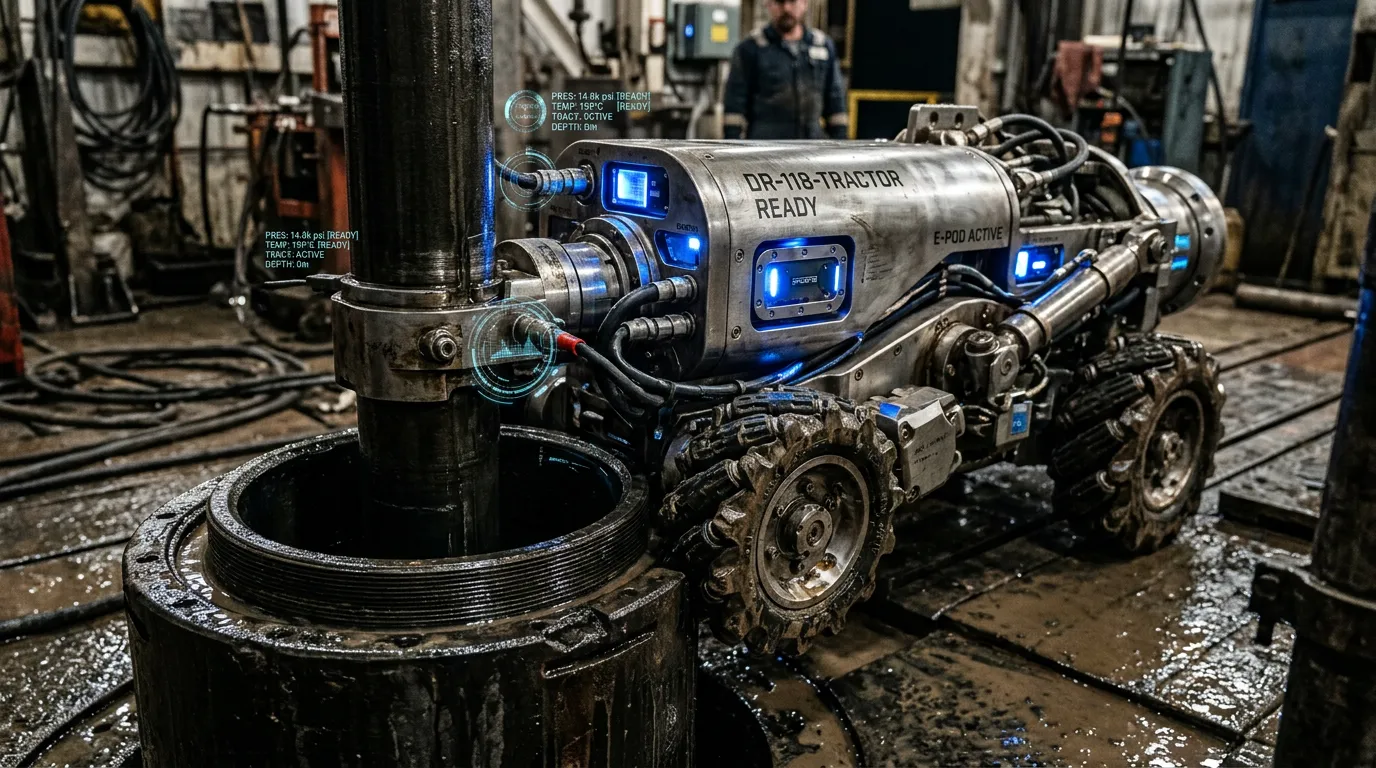
Gazprom Neft has completed testing of a downhole tractor, a robotic system designed to service horizontal well sections and perform geophysical surveys. The new technology maintains the quality of complex downhole operations while reducing costs by 20%.
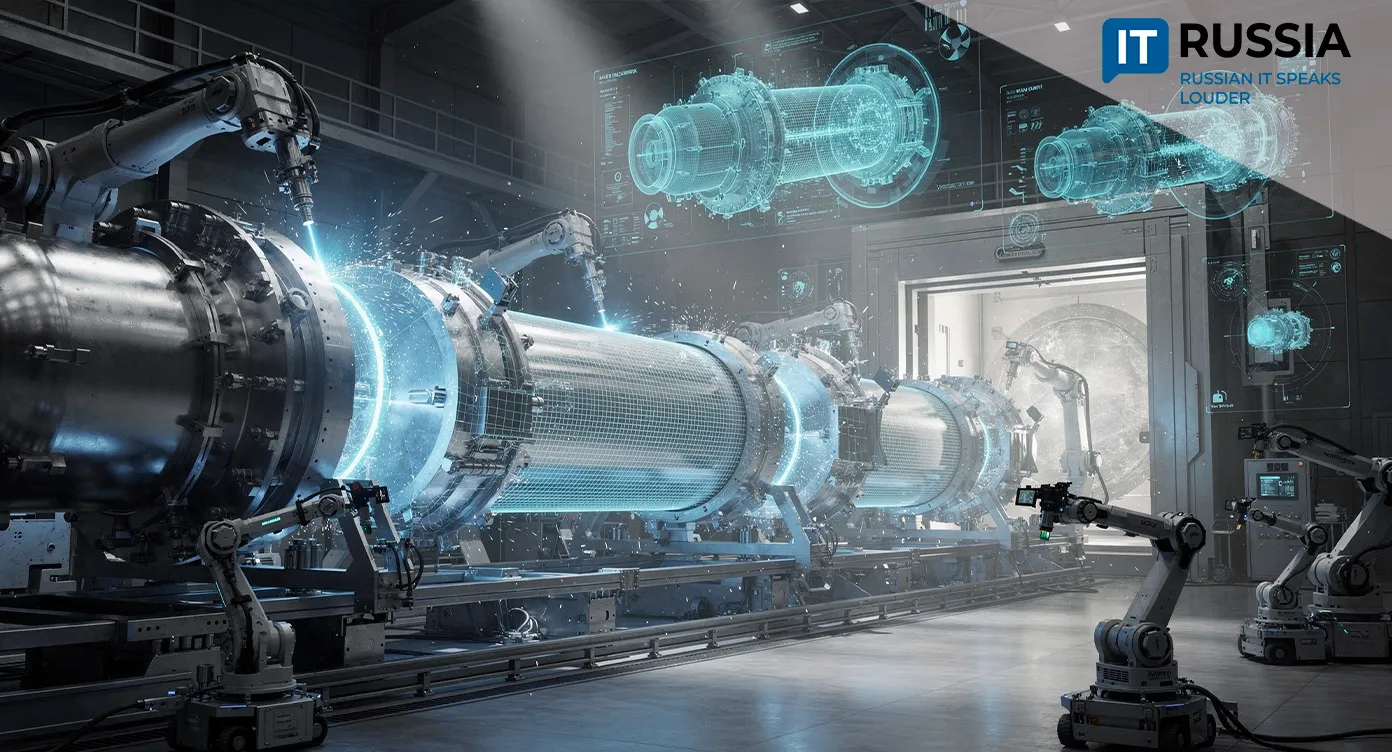
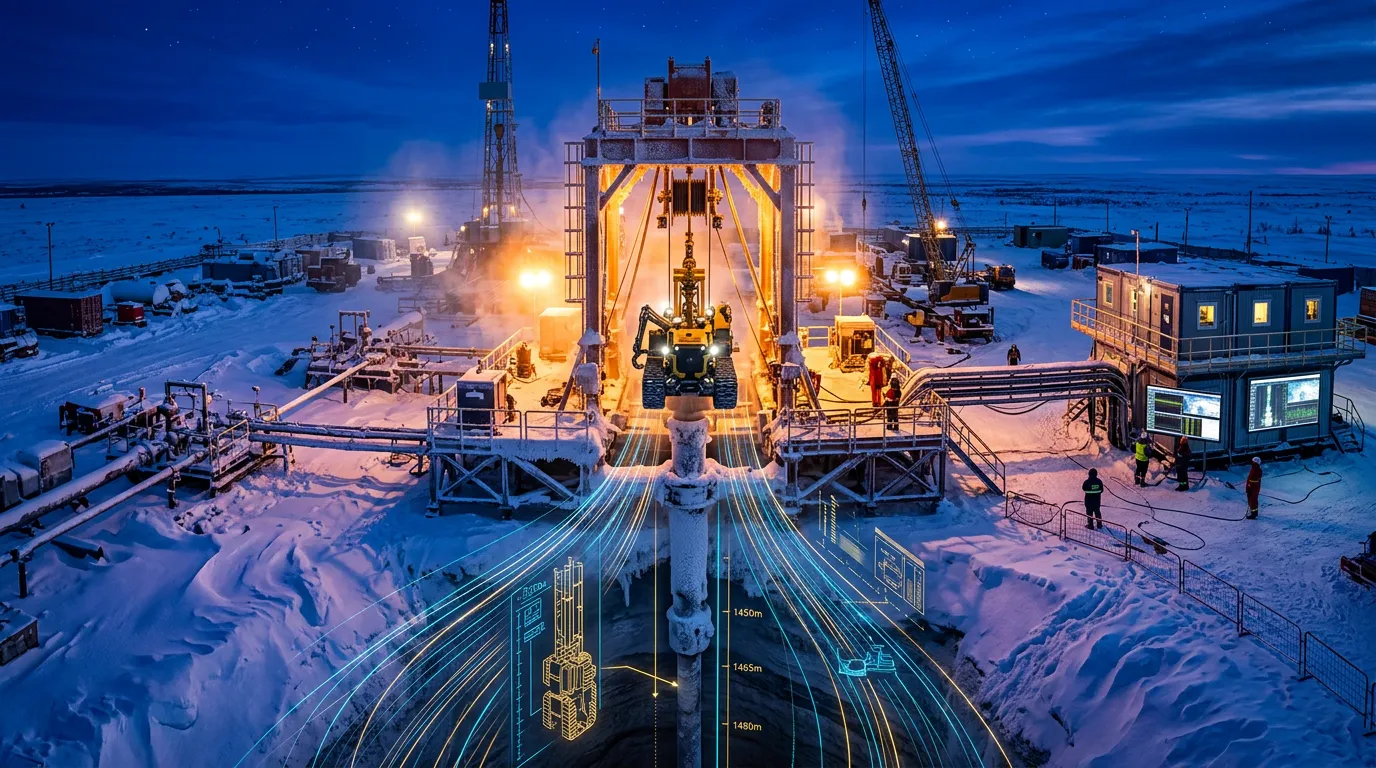
Testing took place at Gazprom Neft's Novy Port field on the Yamal Peninsula. The Russian-built robot moves autonomously inside the wellbore, transports diagnostic instruments and transmits data on reservoir conditions and equipment status.
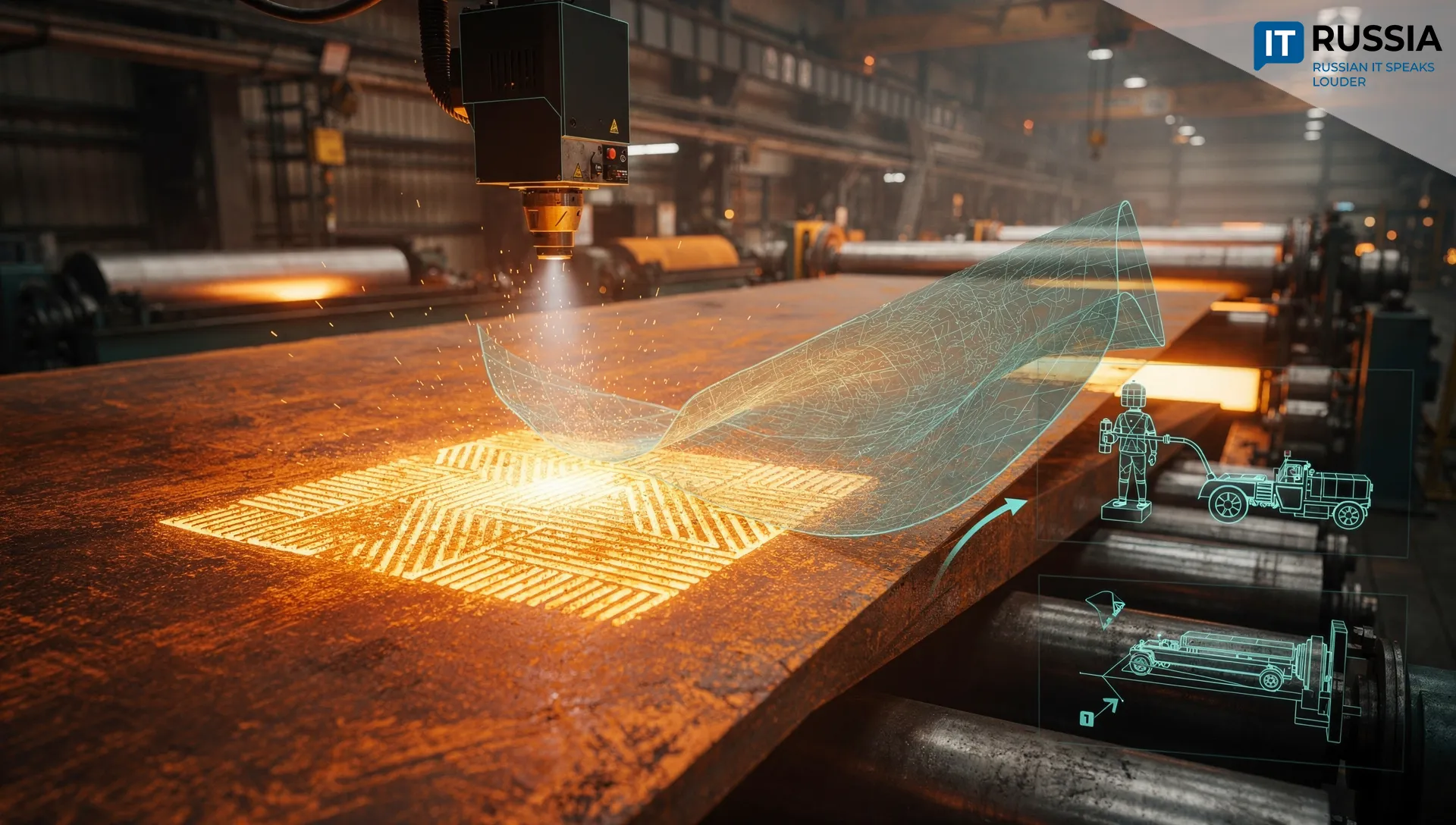
The solution's digital core combines an intelligent control system, sensors and software algorithms that monitor the robot's position and speed, pressure, temperature and other operating parameters in real time. As a result, the industrial robotic platform integrates instrumentation, automation and data processing into a single operating system.
In Horizontal Direction
Experts believe the development has strategic potential. As horizontal and multilateral wells become increasingly complex, their inspection requires equipment capable of operating under high temperatures, elevated pressures and in hard-to-reach sections of the wellbore. Over time, similar robots are expected to be deployed at Gazprom Neft fields across Western and Eastern Siberia. Industry specialists also foresee broader deployment of downhole robotic systems throughout the company's operations in those regions. If field performance meets expectations, the platform could be used not only for geophysical surveys but also to transport repair, diagnostic and measurement equipment into horizontal well sections.
Earlier generations of Russian downhole tractors had also undergone testing, including the Burlak (Burlak) complex developed by L-Petro, a resident of Skolkovo (Skolkovo Innovation Center). Beyond the successful technical outcome, the new project marks an important milestone because such applications previously relied on imported equipment. Two principal Burlak configurations are currently known – a lever-type version and a wheeled version. Both are distinguished by a real-time control and telemetry system that continuously adjusts vehicle movement and anticipates potential failures, such as becoming stuck in narrowed sections of the well.
What is already clear about Gazprom Neft's downhole tractor is that the technology will continue to evolve. Equally significant is the fact that testing took place at an operating Arctic oilfield, marking the company's first project of this kind.
In the Context of Larger Industry Initiatives
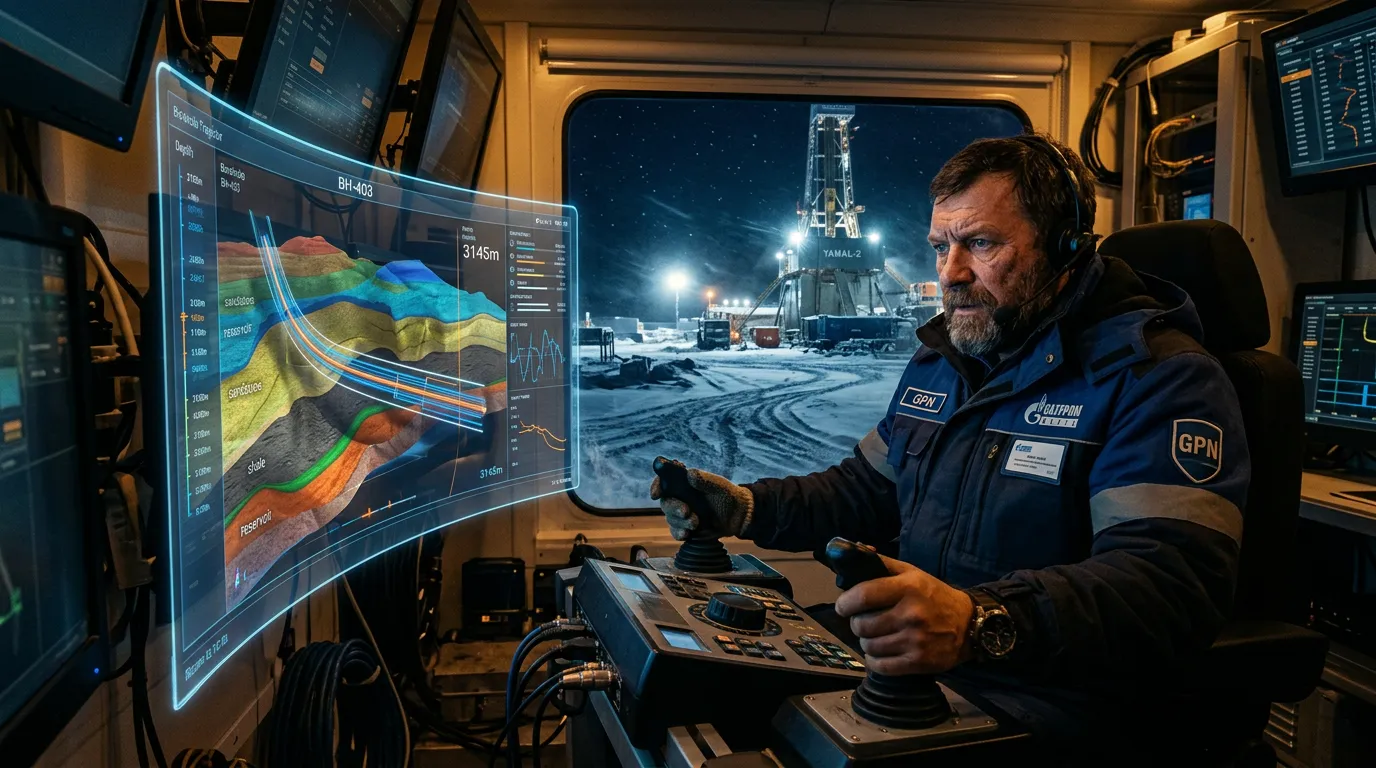
Arctic fields present some of the world's most demanding operating conditions, placing exceptionally high requirements on both production technologies and subsurface geophysical survey systems. Gazprom Neft's approach extends beyond adopting existing industry solutions. The company also supports promising technologies and initiates proprietary developments of its own.
In the case of the downhole tractor, the combination of production expertise and the development team's capabilities made it possible to create an advanced solution with value not only for the company's operational needs but also for Russia's oil and gas sector as a whole. That is particularly important given the country's long-term Arctic development strategy outlined in the State Program through 2035.
Russia is applying a broad range of technologies to develop technically challenging reservoirs. One example is drilling with 12-mm titanium "needles," another innovation pioneered by Gazprom Neft that fundamentally changes approaches to developing difficult formations. The technology makes it possible to create networks of dozens of lateral branches within carbonate reservoirs, where conventional drilling and hydraulic fracturing are either ineffective or present elevated operational risks. Together, these complementary technologies could eventually open a new chapter in subsurface resource development.
The project also has important cross-industry implications. It creates demand across Russia's IT sector for secure industrial software, telemetry platforms, embedded electronics and advanced navigation and geophysical data analysis algorithms. Achieving a full-scale technological breakthrough will require establishing serial manufacturing, securing a domestic component supply chain, developing unified industry standards and demonstrating long-term equipment reliability under sustained field operation. If those conditions are met, the technology could secure a significant position in the domestic market while also developing credible export potential.