Digital Assistant to Optimize Power Supply for Oil and Gas Fields
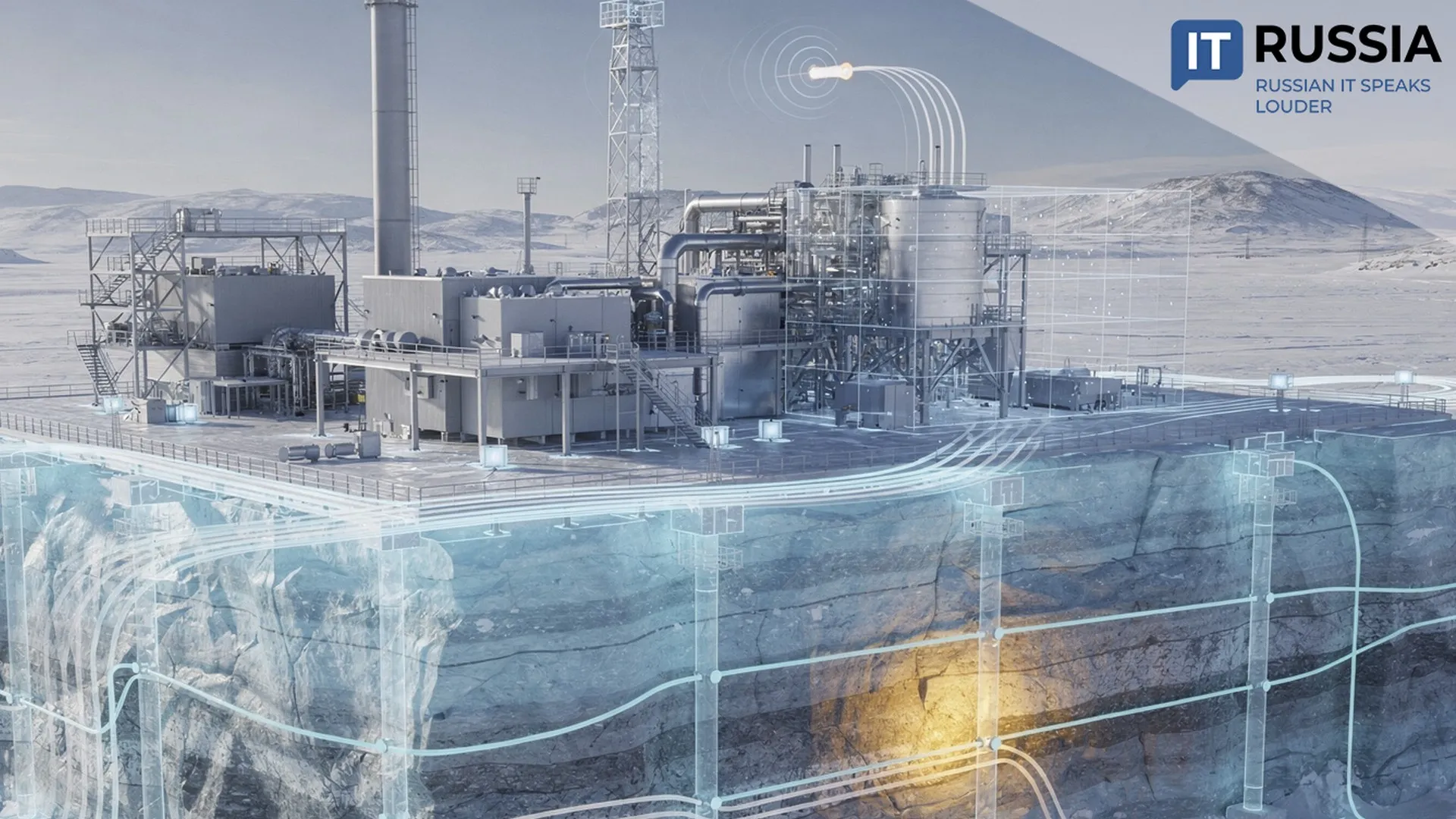
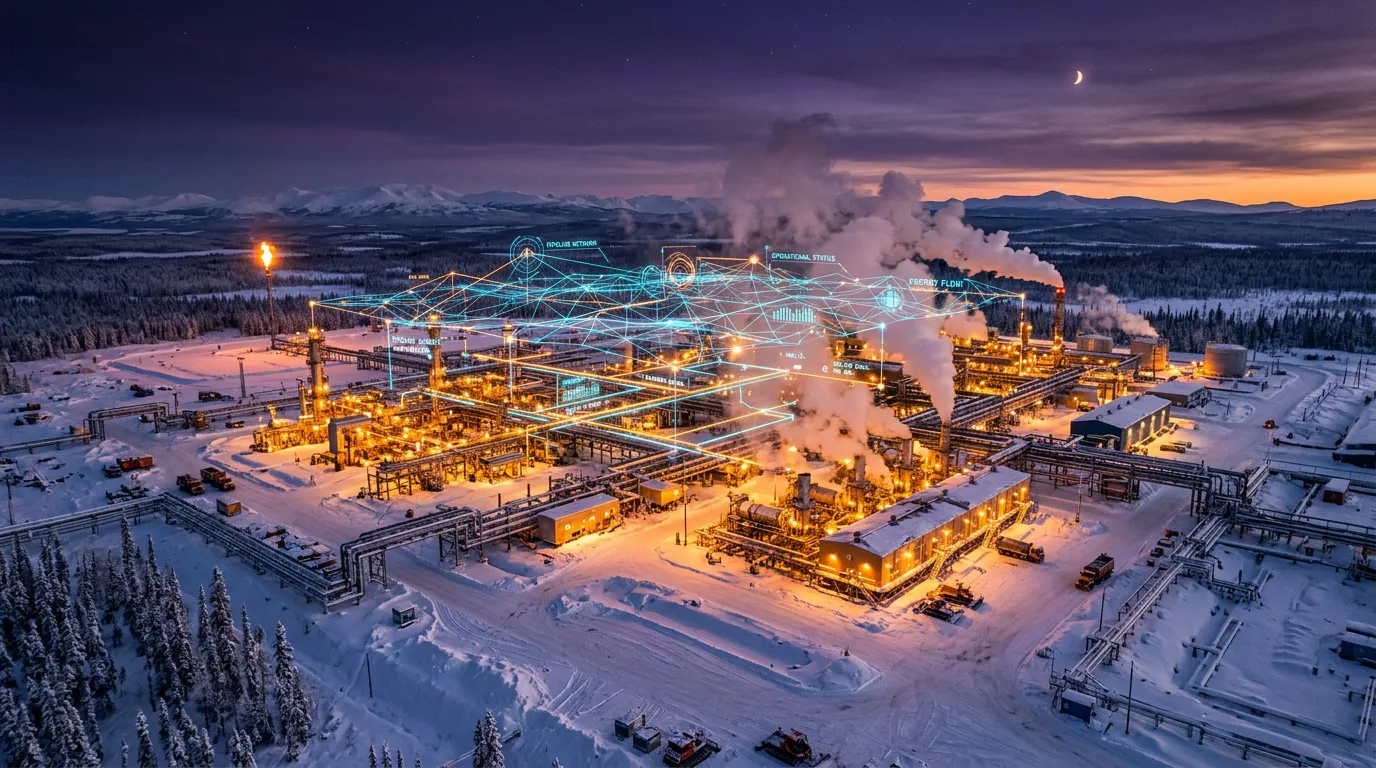
Novosibirsk State Technical University NETI is developing a digital assistant designed to support the design and modernization of power supply systems for oil and gas fields.
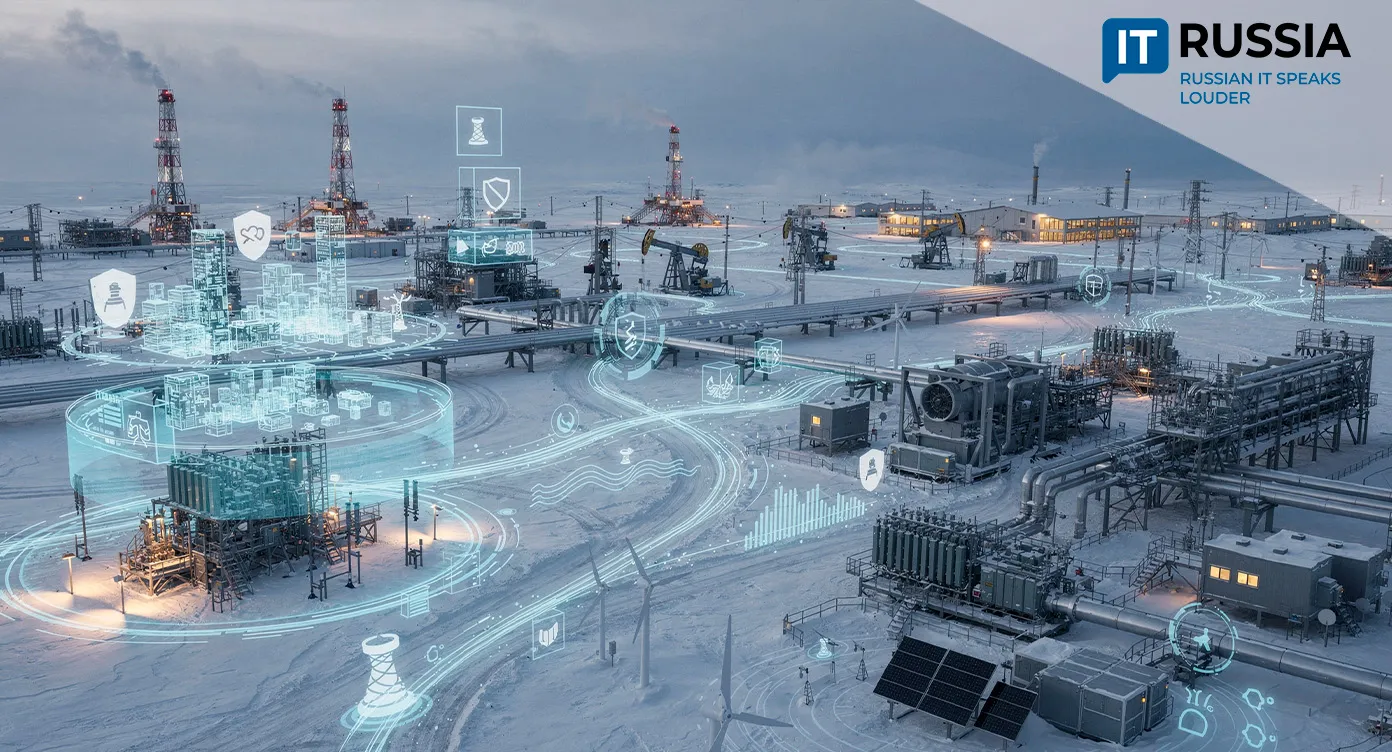
The platform's algorithms will automatically process data on hydrocarbon reserves, production plans and existing power infrastructure before generating several development scenarios for a field's electrical system. Today, much of this analysis is still performed manually and typically requires three to five months. The developers expect to reduce preparation time for alternative power supply scenarios to as little as one week.
University-Based Development
The product currently exists as a university research project rather than a commercial industrial solution. Even before field testing begins, however, it is clear that the project has the potential to establish practical expertise in the automated design of autonomous and distributed energy systems.
Over time, the digital assistant could accelerate the design of new oil and gas fields, streamline modernization of existing facilities, reduce reliance on manual engineering calculations and lessen dependence on specialized foreign software. The technology is expected to be especially valuable in remote regions of Siberia, the Arctic and the Russian Far East, where field power systems often operate independently from centralized grids.
Every Joule Counts
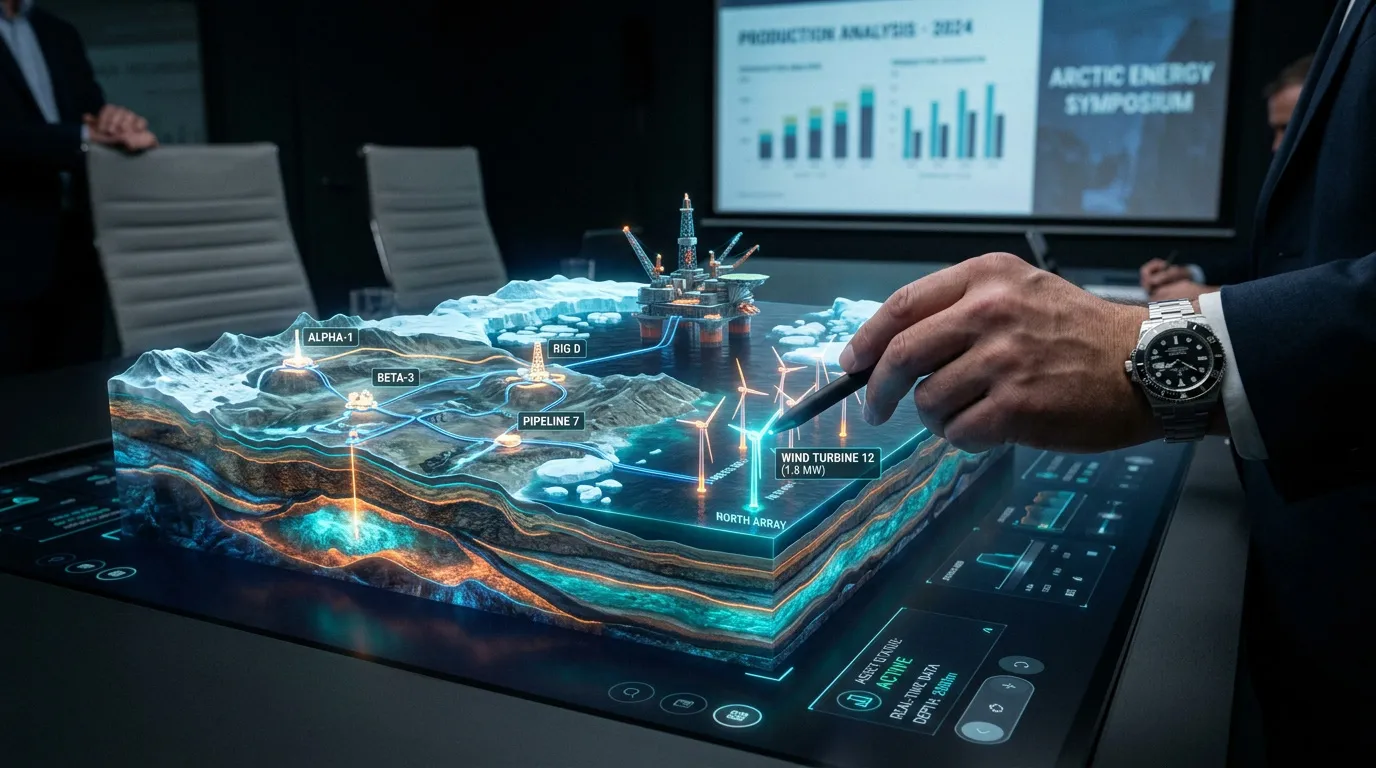
The project fits squarely within the broader direction of industry development. In particular, it aligns with the roadmap for robotics and digital twins in Russia's fuel and energy sector presented by Deputy Energy Minister Eduard Sheremettsev during the CIPR-2025 conference.
Russia aims to rank among the world's top 25 countries in robotics adoption by 2030. Achieving that goal will require increasing robot density to 145 industrial robots per 10,000 workers. The current figure stands at 19 robots, while the fuel and energy sector averages just nine. According to the Ministry of Energy, demand for robots across the industry is expected to reach 6,500 units by 2030. Robotics and artificial intelligence are expected to help offset the country's growing workforce shortage.
Robotics not only improves operational efficiency but also accelerates advances in AI, as robotic software continues to evolve through data generated by the robots themselves. Digital twins are already widely used across the oil and gas sector to model reservoirs, test equipment and optimize production processes, reducing the need for costly physical trials. In the electric power sector, their application remains largely limited to operational information systems, although microservices-based platforms capable of scaling these solutions represent a promising direction.
According to industry experts, the cumulative economic impact of AI adoption is expected to substantially exceed the required investment. Market demand for these technologies has already taken shape. The Ministry of Energy reports that more than 300 AI-related projects are currently underway or in development across Russia's fuel and energy sector. Further progress will require government support for service robotics, updates to the regulatory framework, including certification standards for data and AI algorithms, and consolidation of industry demand through coordinated sector-wide procurement.
The Novosibirsk platform is expected to support calculations for required generation capacity and grid infrastructure, compare centralized and autonomous power supply architectures, evaluate integration scenarios for gas engine, gas turbine and renewable energy sources, model future growth in electricity demand as production expands and assess the reliability and cost of alternative development scenarios.

New Technology for Power Supply Optimization
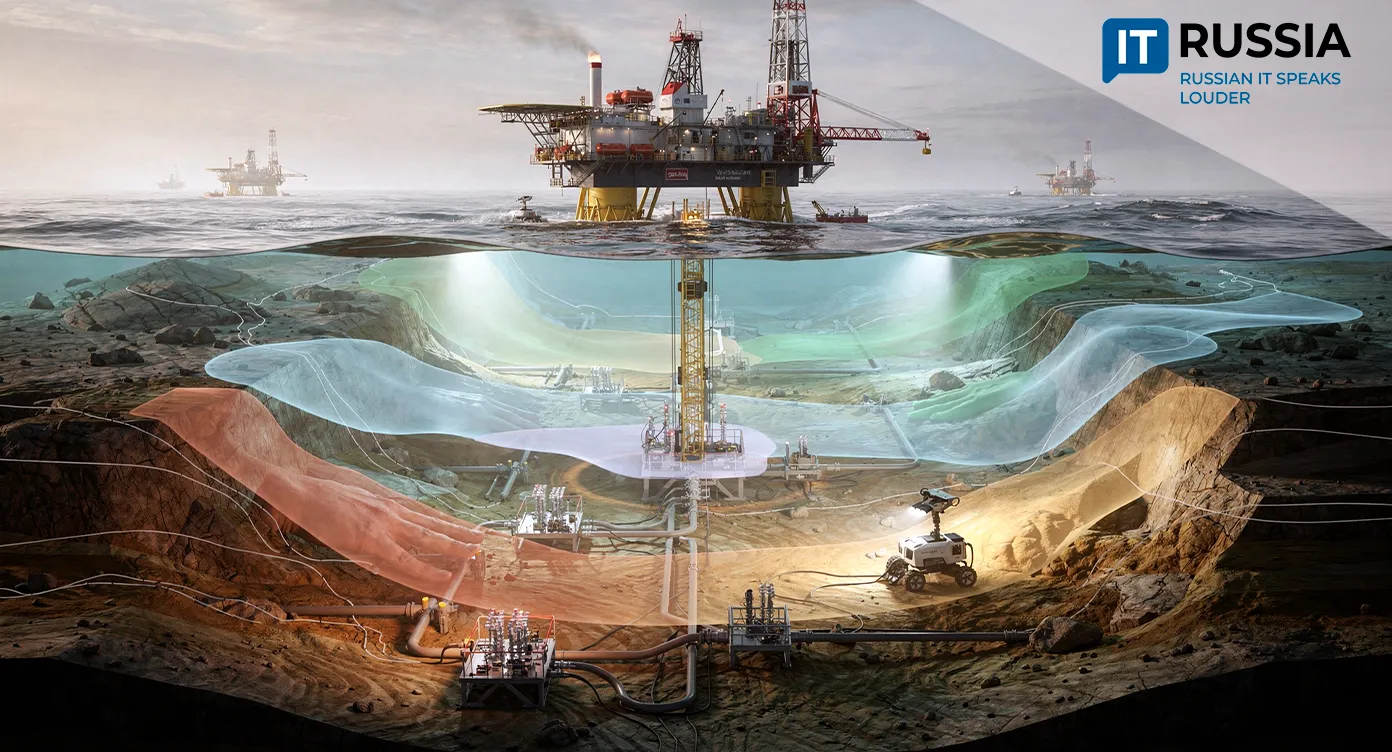
Russia's oil and gas companies are steadily expanding the digital field concept. Rosneft, for example, has deployed digital twins across more than 50,000 assets. In addition, its Digital Field platform is being rolled out across the company's major upstream operations.
From the standpoint of energy systems, another notable development is the optimization model created by Novosibirsk researchers in 2025 to support Arctic development. Engineers at NSTU developed an approach to improving the efficiency of Arctic energy supply based on autonomous power sources. The concept emphasizes hydrogen produced from natural gas for use in fuel cells to provide decentralized electricity and heat, offering a potentially effective alternative to conventional generators.
Overall, Russia's oil and gas industry is steadily moving beyond standalone digital models of wells and equipment toward integrated digital twins that combine geology, production, infrastructure and operational processes. The Novosibirsk development could complement these platforms by adding a dedicated energy supply optimization module.