Modernizing Control Systems at Kursk Nuclear Power Plant
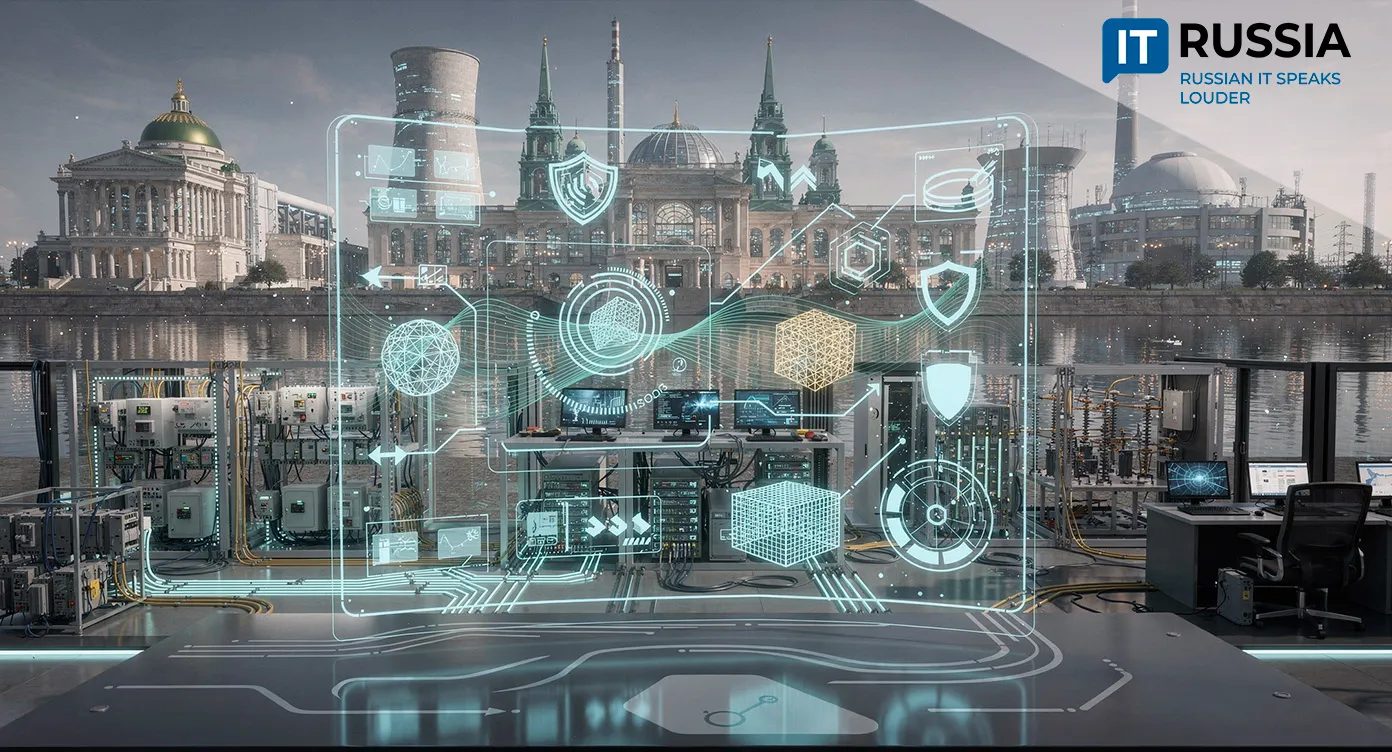
Engineers at Kursk Nuclear Power Plant have begun upgrading the digital control infrastructure of one of the station's power units during a scheduled maintenance outage. The project combines modernization of industrial automation, robotics, and cybersecurity to improve the reliability, efficiency, and long-term sustainability of nuclear operations.
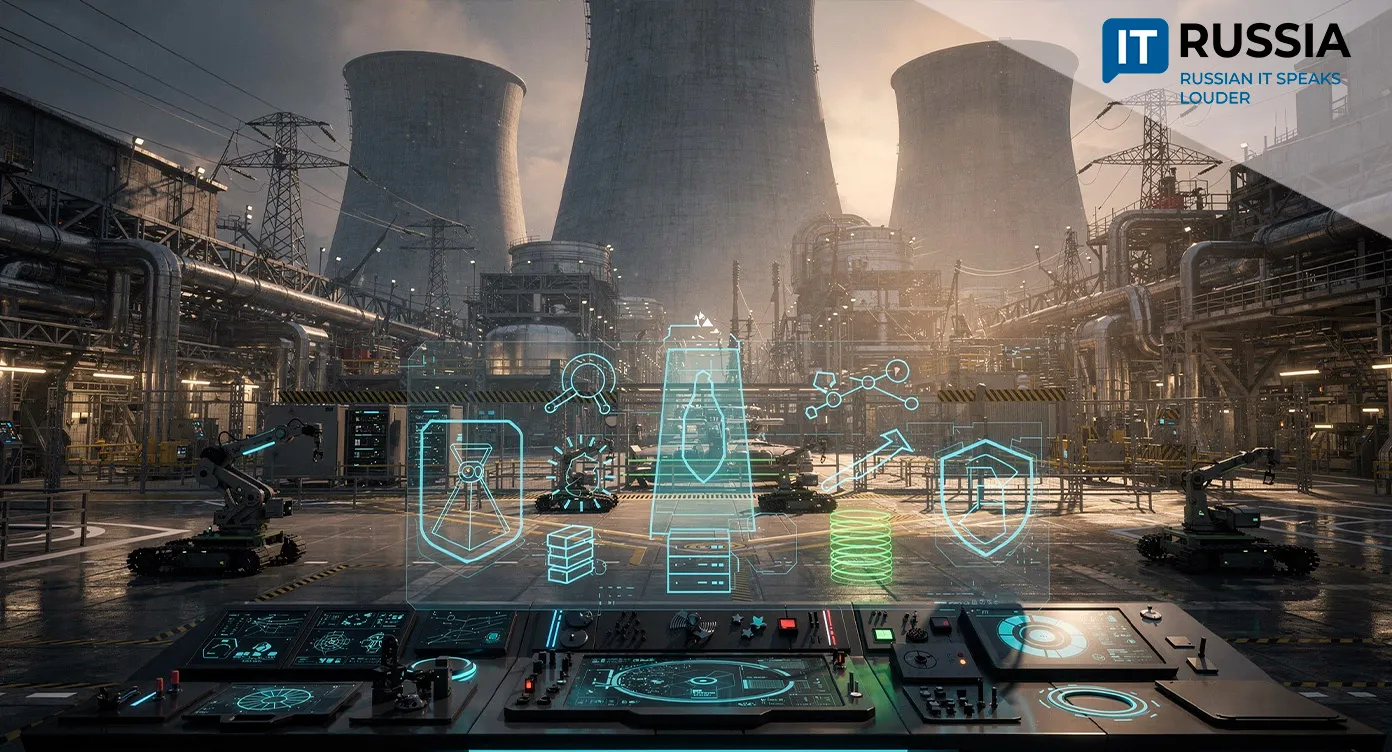
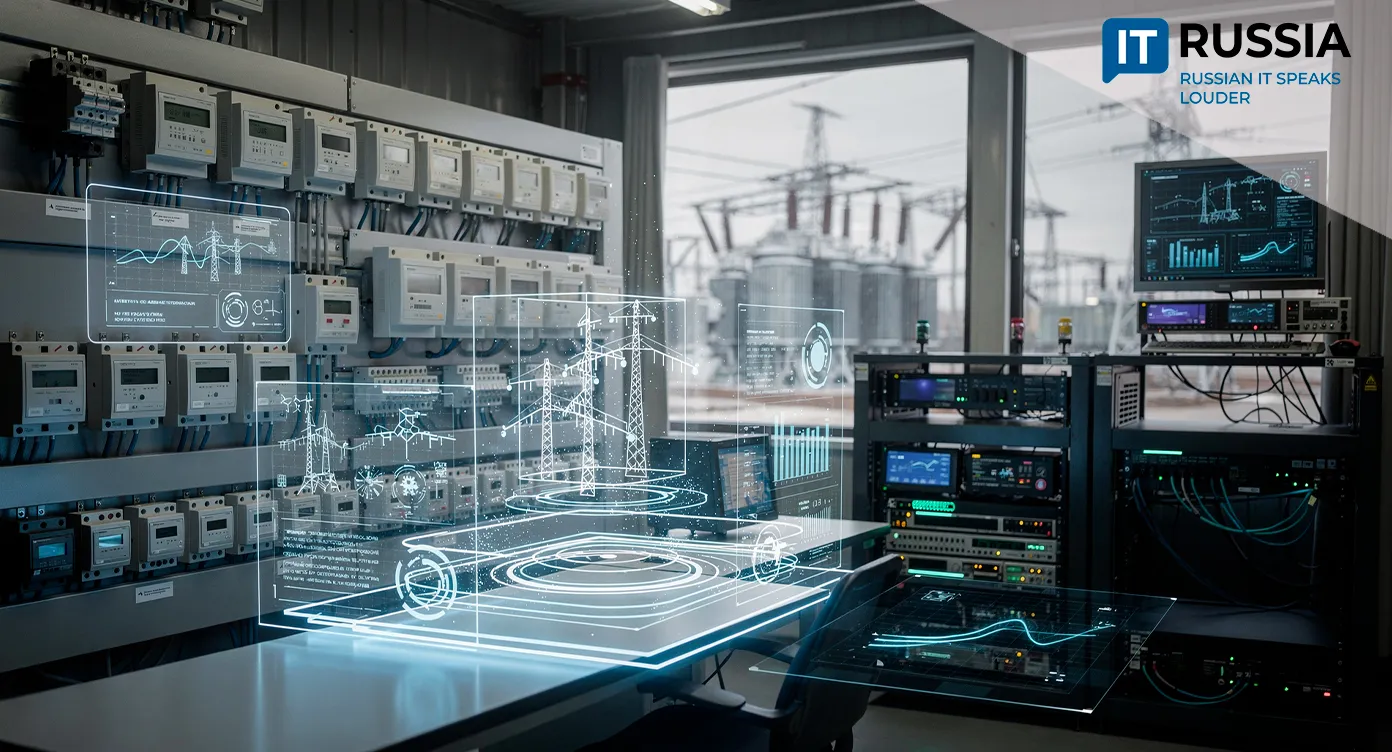
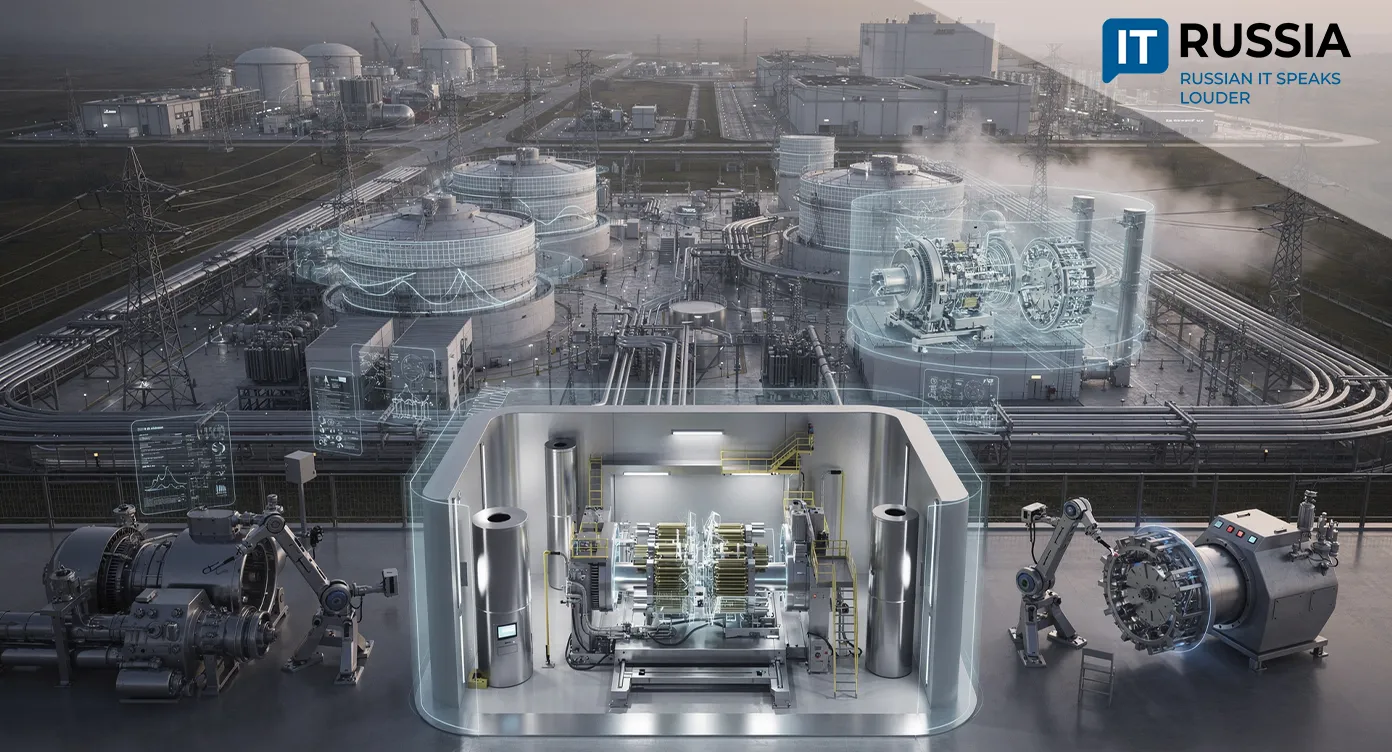
Alongside routine equipment servicing, engineers have launched a large-scale modernization of the plant's digital control, monitoring, and automatic regulation systems. The upgrade covers the software and hardware infrastructure supporting the station's critical information systems, from operator workstations in the main control room to protection systems and automated monitoring platforms.
Control System Modernization
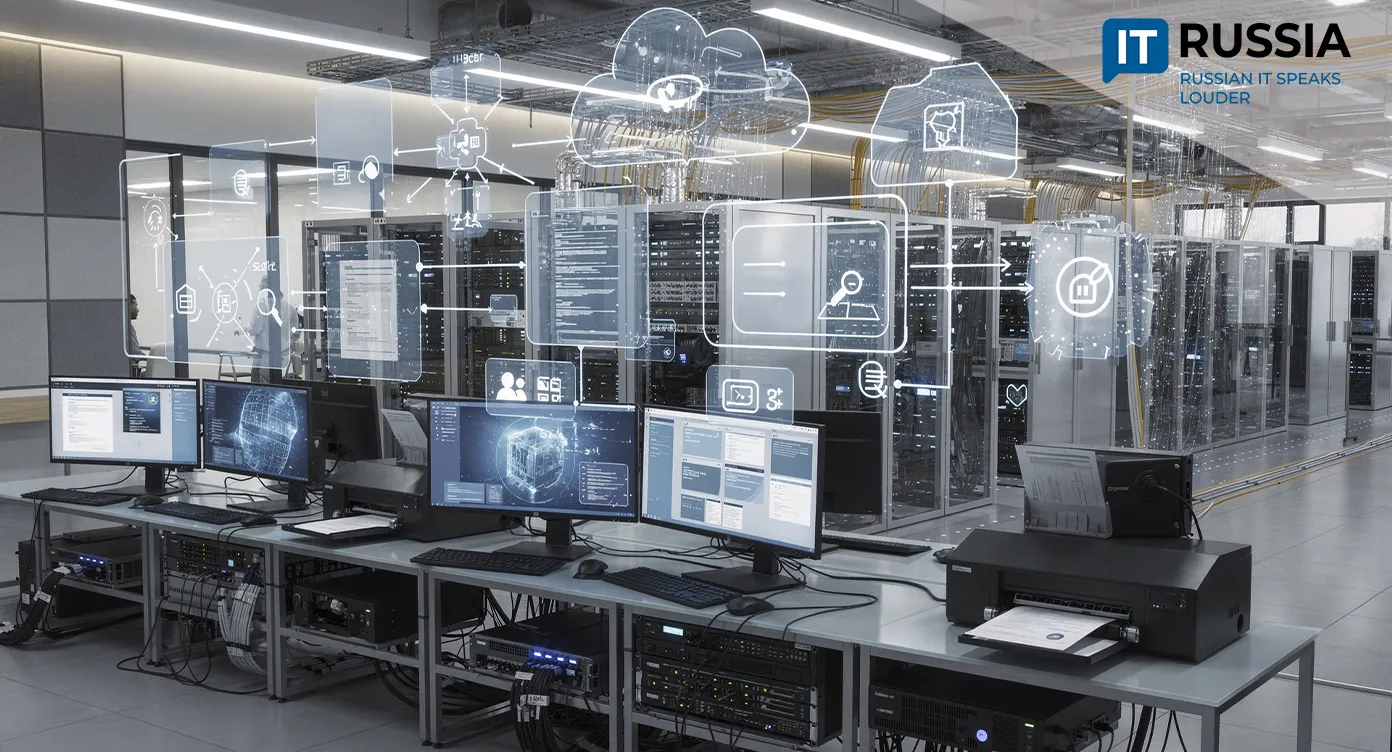
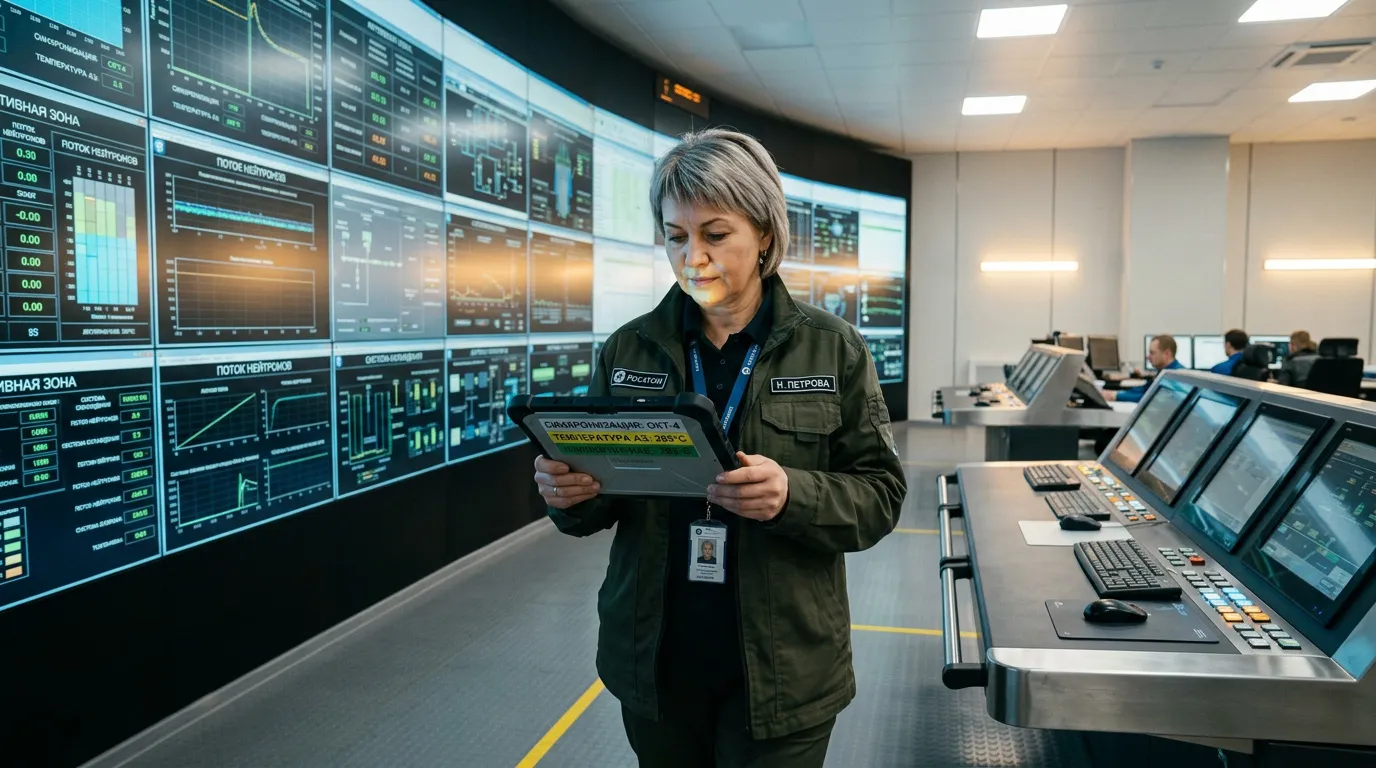
A key focus of the maintenance program is replacing and upgrading components of the Automated Process Control System (ASUTP - Automated Process Control System). Engineers are auditing and modernizing server infrastructure, operator workstations, and network switches that collect and process telemetry from thousands of sensors. Particular attention is being given to automatic control systems that continuously monitor neutron flux, coolant temperature, and pressure throughout the reactor circuits.
Moving to higher-performance computing infrastructure will allow the station to process large volumes of operational data with minimal latency. That capability is critical for decision-making during abnormal operating conditions. The upgraded systems aggregate information from multiple sources into a unified digital view of the power unit, allowing operators to respond more quickly to any deviation from normal operating parameters.
The modernization also includes upgrades to visualization interfaces. New displays and graphical process diagrams are expected to make operational information easier for control-room personnel to interpret while reducing the risk of operator error.
Robotic Equipment Maintenance
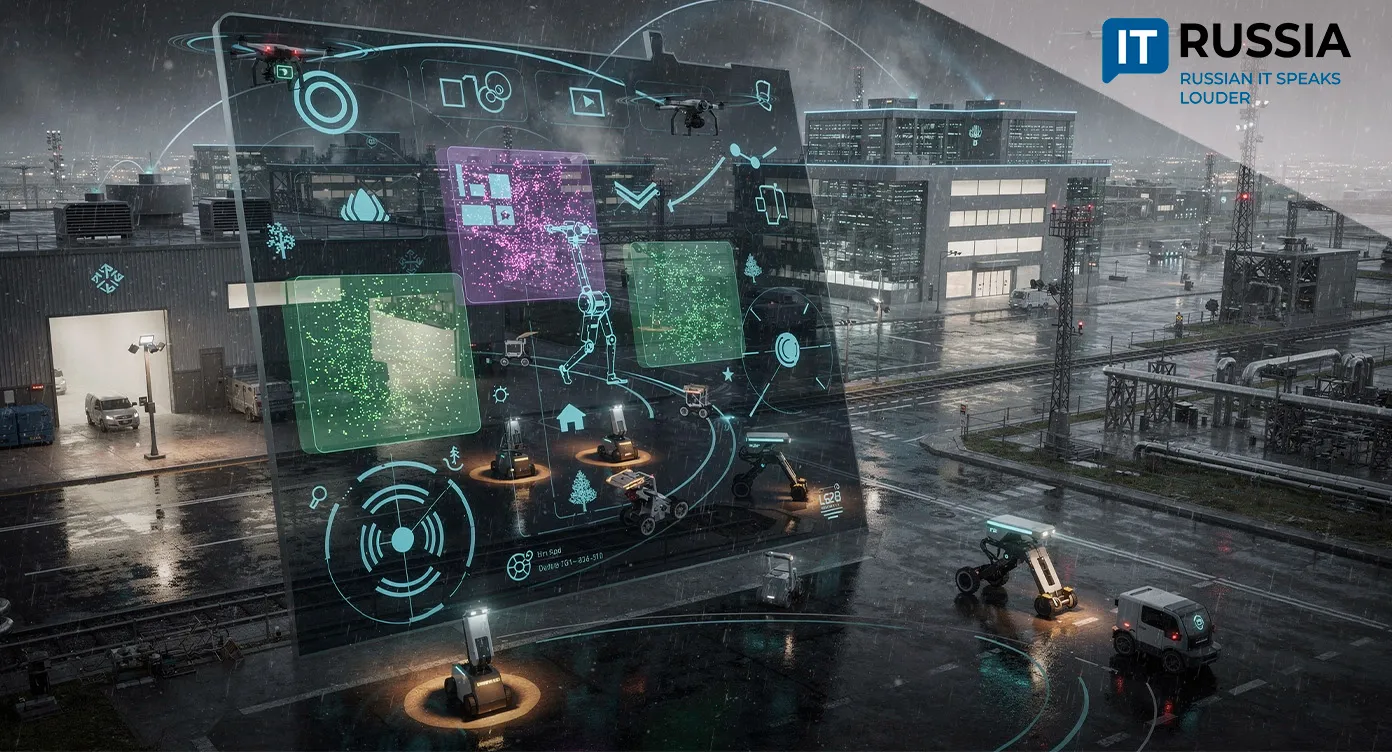
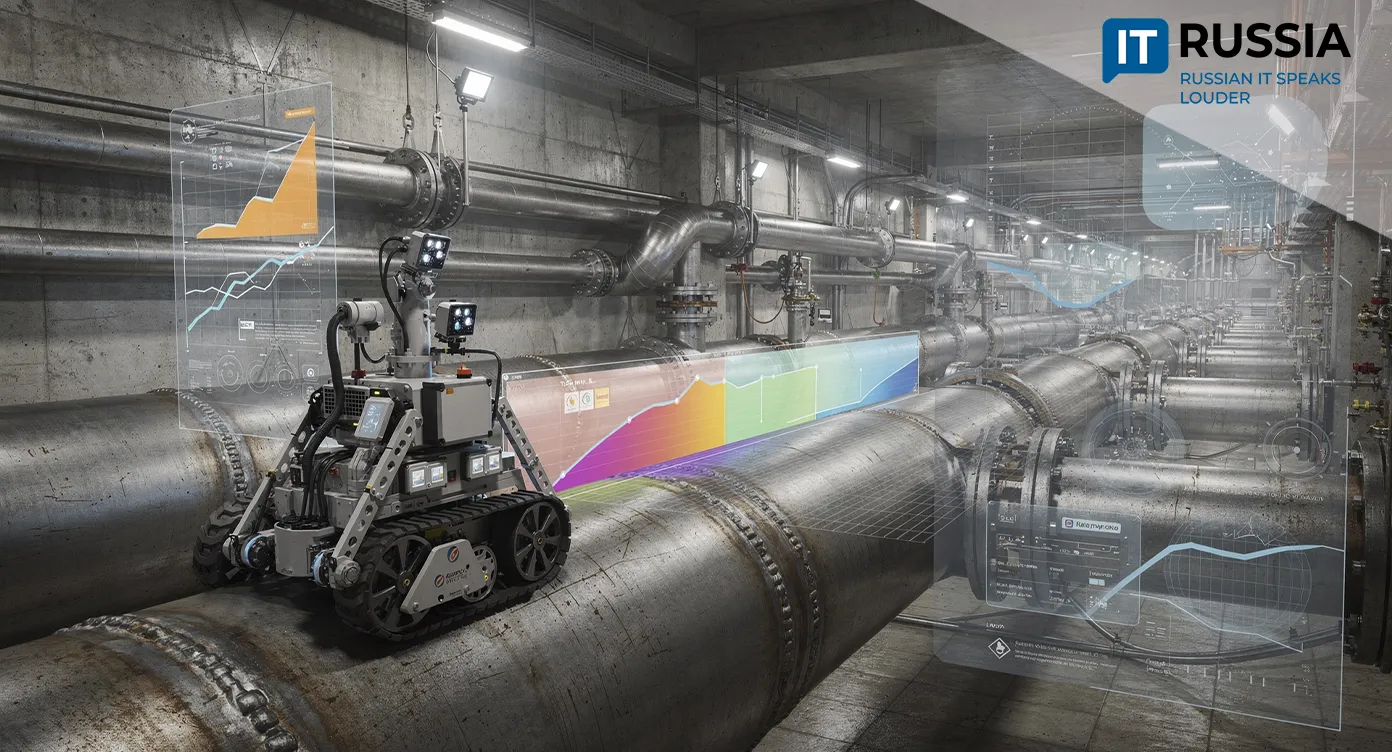
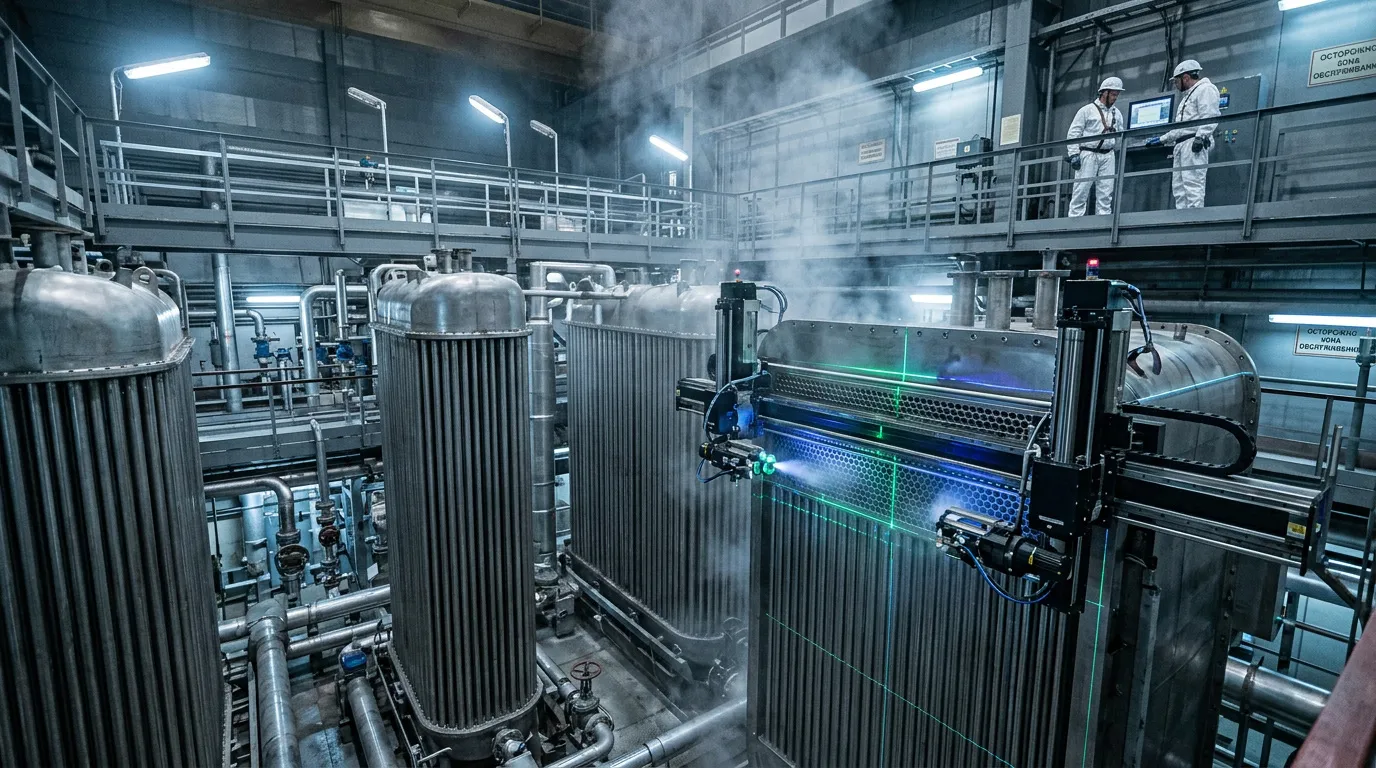
Alongside the IT modernization, the plant also uses robotic systems to maintain physical equipment. One of the most significant applications involves specialized robots that clean condenser heat-exchanger tubes in turbine systems. Traditional cleaning methods required substantial manual labor and did not always remove deposits evenly.
The robotic units are equipped with machine vision systems and force-control sensors. This allows them to clean with high precision, improving heat transfer efficiency and, in turn, increasing the overall efficiency of the turbine installation.
The robots do more than perform mechanical cleaning. They also collect diagnostic information about tube-wall conditions, including microcracks and corrosion. That data is automatically transferred to digital monitoring systems and added to databases used for predictive analytics. In effect, each robot also serves as a data source for the equipment's digital twin.
Import Substitution in Critical Infrastructure
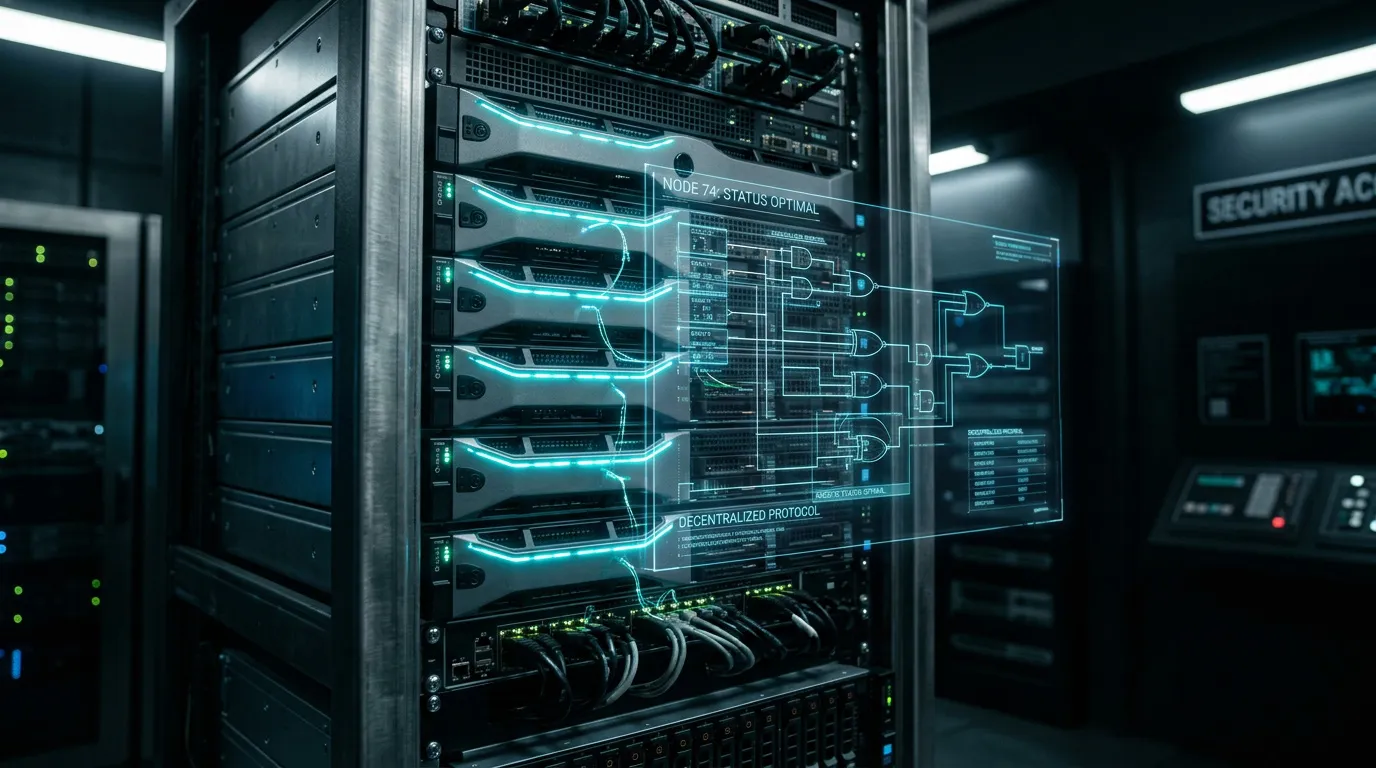
The control-system modernization is closely tied to broader goals of technological sovereignty and cybersecurity. As part of the maintenance program, foreign software and hardware components continue to be systematically replaced with Russian alternatives. The transition covers field equipment, industrial controllers, SCADA platforms, and historical data repositories.
Migrating to domestically developed industrial software requires extensive adaptation and testing. Engineers must transfer operational data and recalibrate control algorithms without compromising precision.
The digital upgrade is also accompanied by stronger cybersecurity measures. Engineers are revising access-control policies while deploying modern cryptographic data protection technologies and intrusion detection systems. These safeguards are tailored to the unique requirements of industrial networks at nuclear power plants, where uninterrupted operation remains the highest priority.
Experience for Future Power Units
The experience gained through the control-system modernization at Kursk Nuclear Power Plant is expected to benefit the broader nuclear industry. Engineers and IT specialists are refining methods for integrating new digital technologies into existing operational processes. Expertise in automation commissioning, digital sensor calibration, and robotic maintenance is already being transferred to other nuclear power plants.
Those lessons are directly influencing the design of control systems for next-generation nuclear facilities. New reactor units are being built around fully digital architectures, incorporating artificial intelligence to support operator decision-making and enabling deep integration of sensor data across plant systems.
Modern nuclear plant maintenance has become a highly sophisticated engineering process in which software upgrades, server replacements, and robotics deployment proceed alongside maintenance of reactors and turbine equipment.