Tyumen Region Sets the Trend in Transport Safety
Artificial intelligence is no longer theoretical – it is already helping make roads safer.

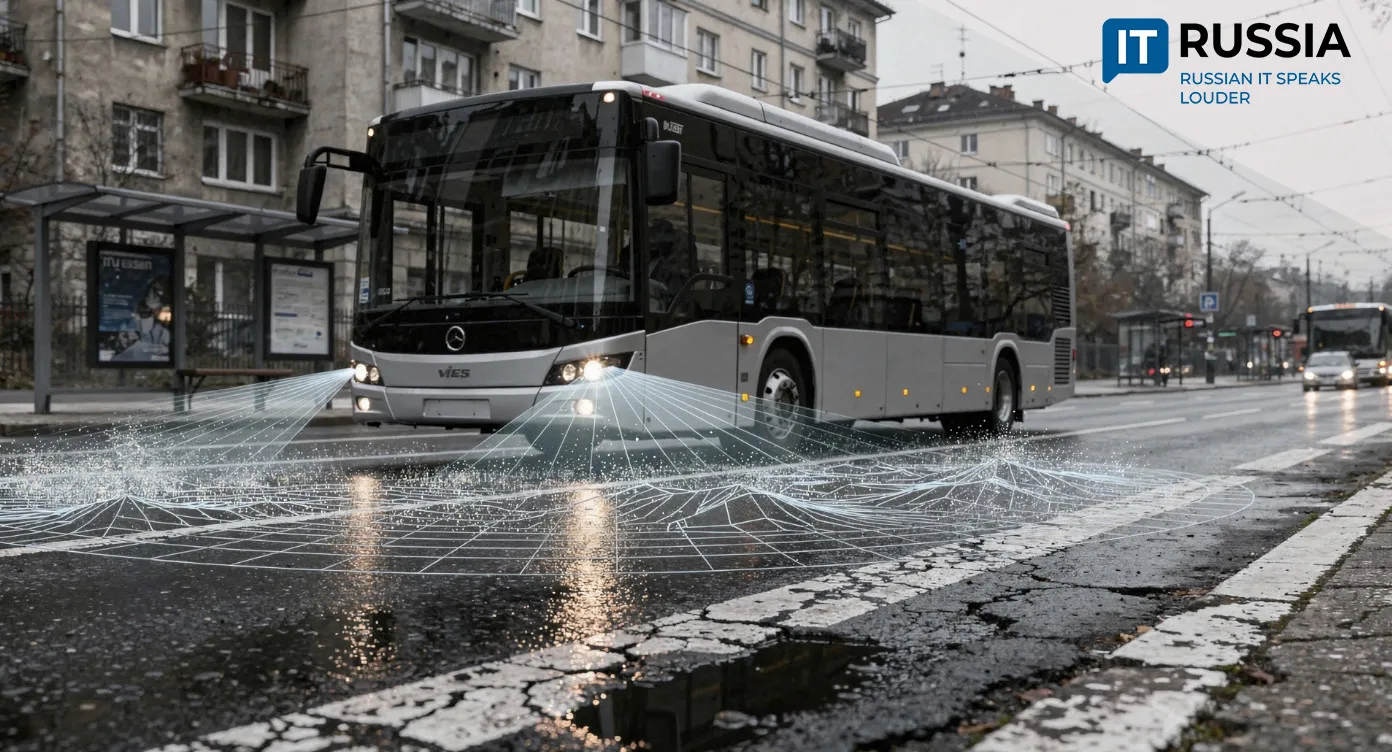
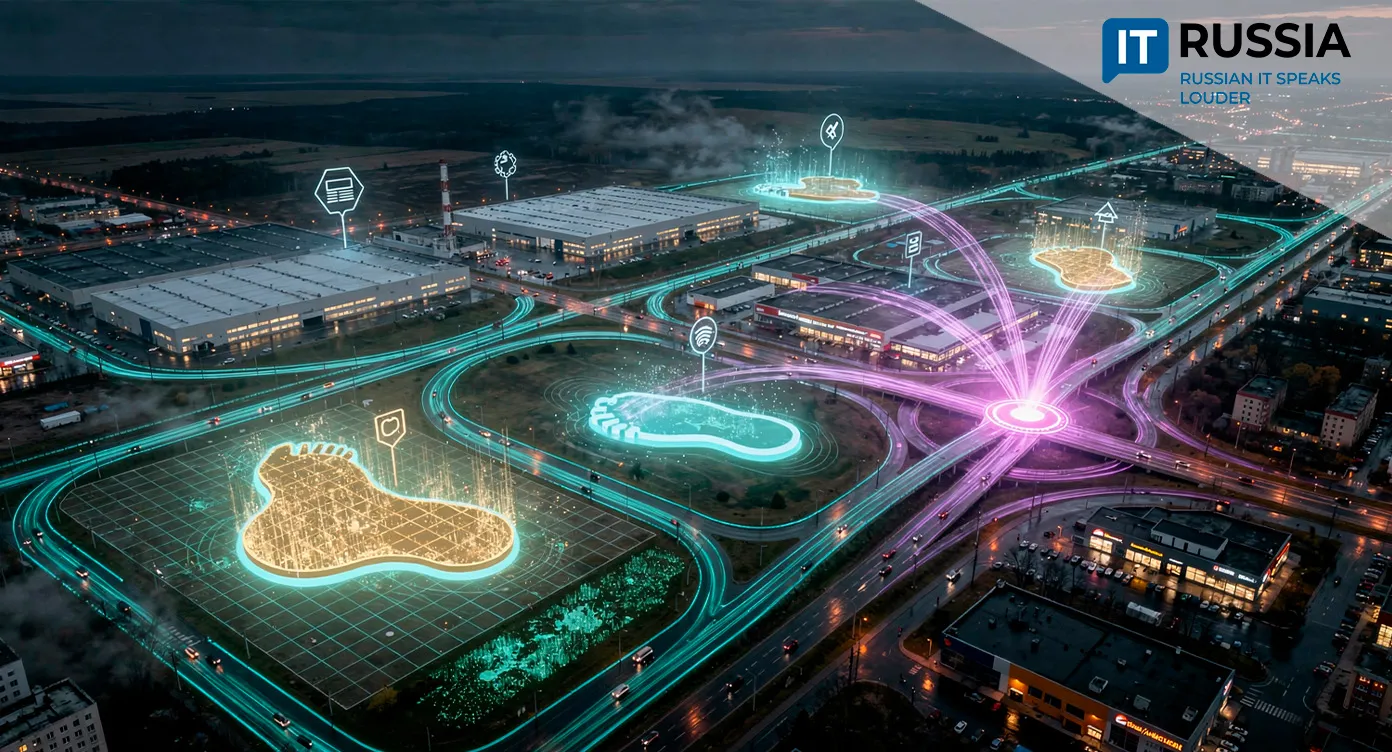
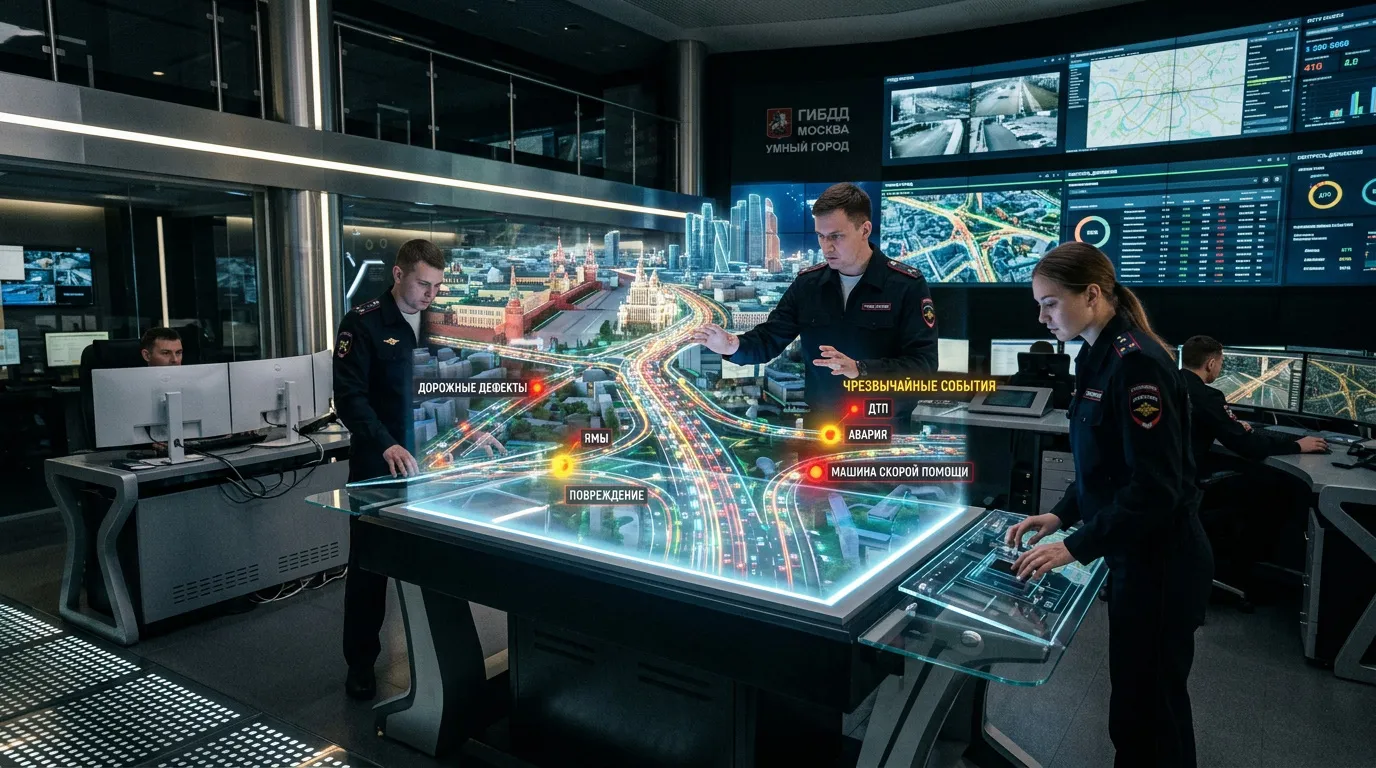
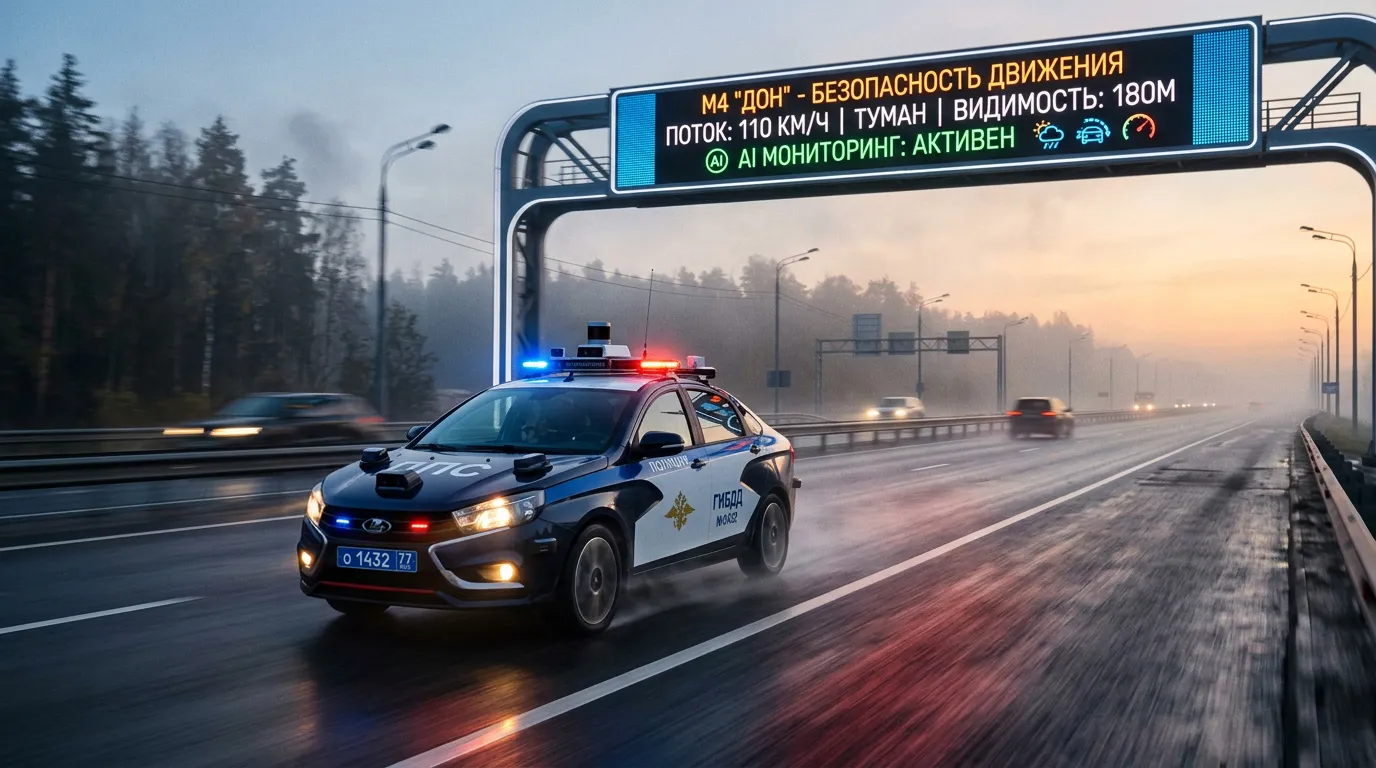
In Russia’s Tyumen Region, authorities have deployed a suite of AI-based solutions to manage road infrastructure. The system monitors traffic flow, automatically recognizes vehicles, detects accidents and violations, identifies road surface defects, manages paid parking, and even tracks driver condition. The rollout has already delivered measurable results: data collection time has been reduced threefold, while accident rates have fallen by 2.6%.
A unified data storage and processing center further strengthens the system. It identifies faces, license plates, and vehicle brands. Over the past year, the system helped solve 34 crimes and detain 146 individuals. This is not a pilot project but a working tool delivering real-world benefits – lowering accident rates and accelerating response times for emergency services.
For residents, these outcomes translate into safer roads, faster repairs of road surface defects, and quicker response to incidents. For the region and the country, the benefits include reduced social and economic losses from road accidents, more efficient traffic management, and a growing base of operational experience that can be replicated elsewhere. At a global level, the case highlights how AI in transport is evolving primarily as a tool for predictive and operational safety.
Where the Technology Is Heading
The Tyumen Region case aligns with a broader federal trend. Since 2020, Russia has been systematically developing intelligent transport systems (ITS), and by early 2026, 32 urban agglomerations had reached target deployment benchmarks. That suggests the regional model can be scaled to other territories.
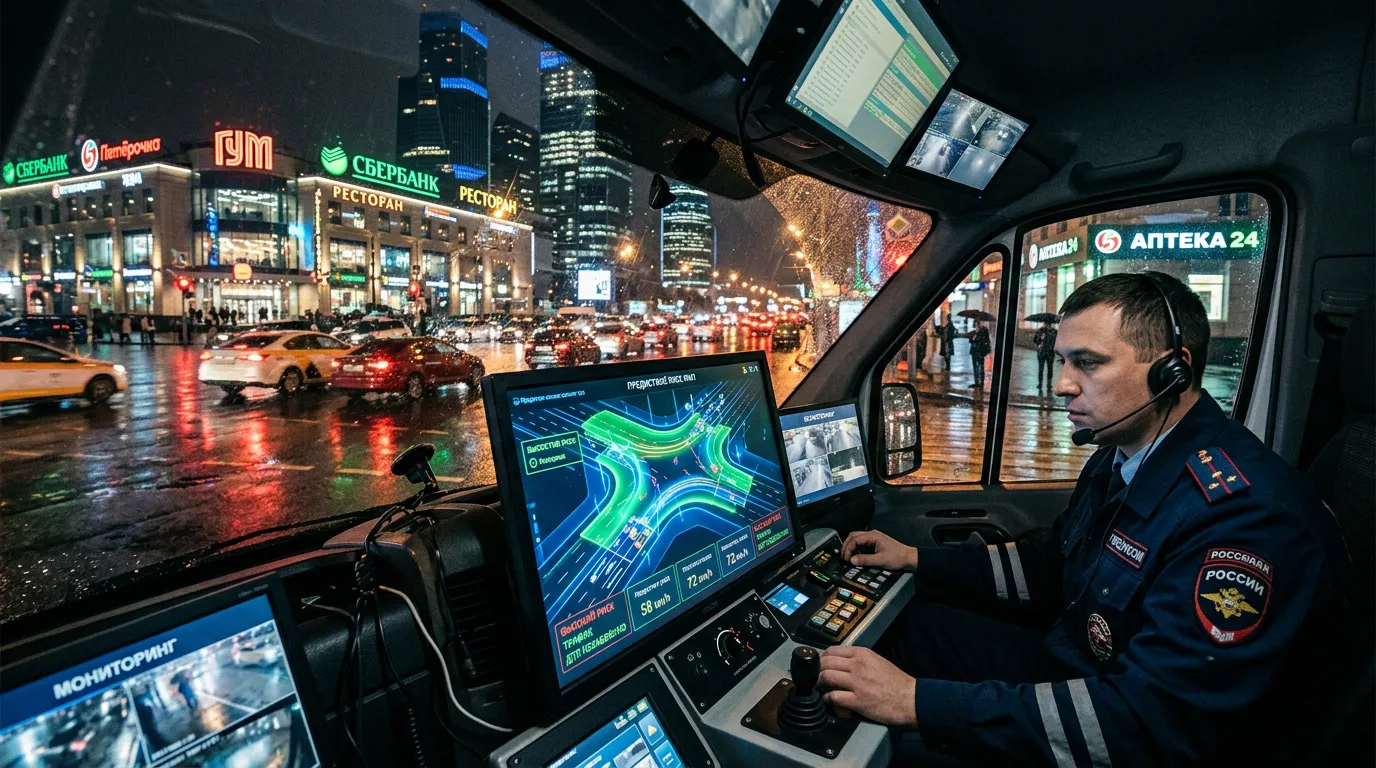
Within the country, the next step is a shift from event detection to risk prediction. AI systems will be able to identify hazardous road segments and help prevent incidents before they occur.
There is also export potential, although it remains selective. Target markets include EAEU countries, CIS states, the Middle East, Asia, Africa, and Latin America, where demand for cost-effective ITS solutions is growing. While exporting a full regional model may be challenging, individual components – video analytics, accident detection, road condition monitoring, and driver fatigue tracking – can be packaged into B2G and B2B solutions for cities, toll roads, and logistics corridors.
Russian and Global Context
The Tyumen Region experience is not an isolated case. In 2026, Avtodor reported that the use of AI reduced accident rates on its roads by 25%. In Moscow, accidents declined by 9% in 2025 compared with 2024, while fatalities dropped by 15%. Photo and video enforcement systems reduce accident rates by up to 30% in areas where they are deployed.
Internationally, the trend is similar. In the United Kingdom, Sussex Police use AI-enabled cameras to detect violations such as mobile phone use while driving. The OECD and European institutions view AI and ITS as core components of modern transport management, from identifying high-risk locations to enabling data exchange between infrastructure and users.
The Future Is Already Emerging
What matters most in this case is not the fact of AI deployment itself but the measurable outcomes: fewer accidents, faster data collection, and more effective enforcement. This marks a shift from digitalization for reporting purposes to solutions with clearly defined performance metrics.
In the coming years, development is likely to follow three main directions. First, expanded coverage through more cameras, sensors, and integration with regional data centers. Second, stronger predictive analytics, including forecasting of high-risk scenarios and accident hotspots. Third, higher requirements for data quality, model accuracy, and personal data protection. Without public trust, such systems will face limitations.
For Russia’s IT sector, the Tyumen Region case stands out as a clear example of applied AI in infrastructure. It demonstrates a practical use case in which technology delivers direct value – not through generative services, but through industrial and public systems that improve safety and territorial management.