Russia Develops In-Flight Internet System for Aircraft
The equipment was developed by Roselektronika, part of the state corporation Rostec, and is now fully ready for serial production.
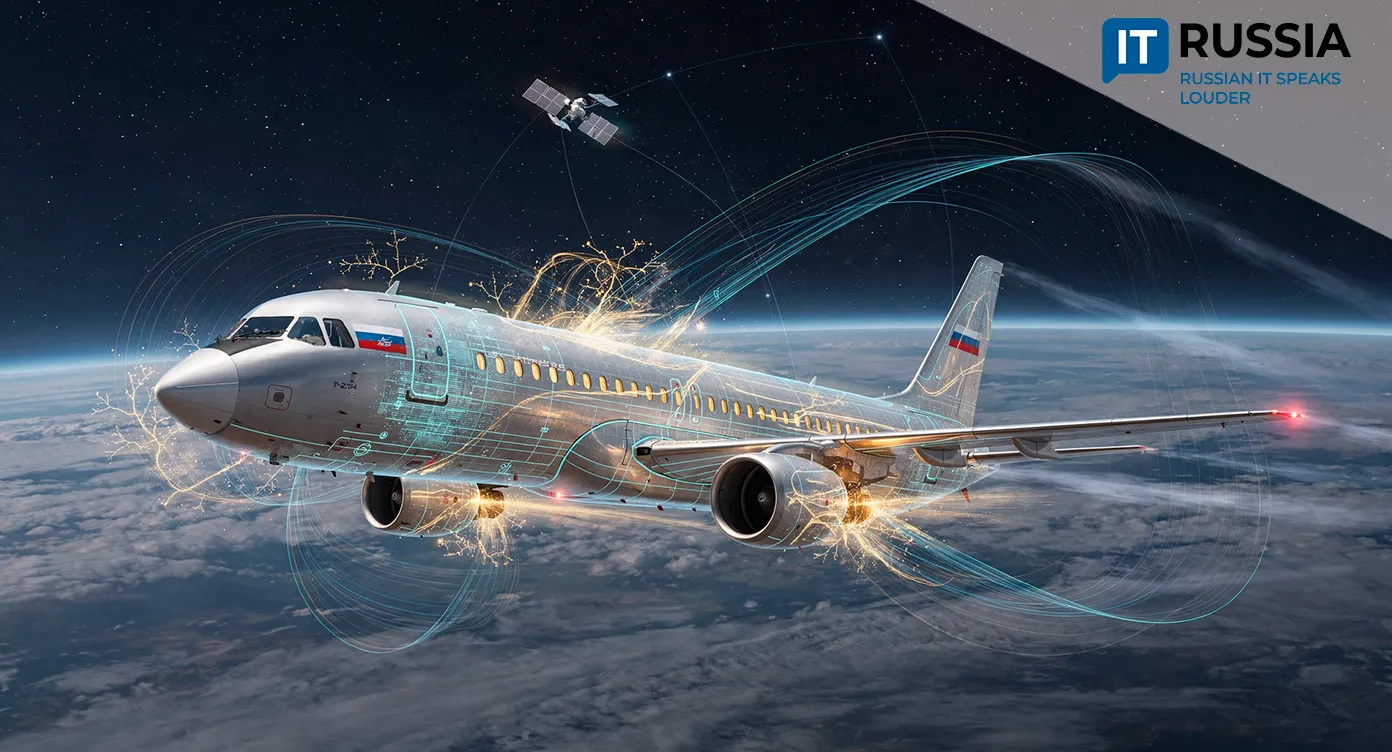
In recent years, Russia has accelerated efforts to provide internet access for passengers across transport modes, including trains and aircraft. Work is advancing along two parallel tracks: building signal transmission infrastructure and improving onboard receiving equipment. In aviation, where safety and reliability are critical, both aspects must be aligned. This latest development marks a significant step in that direction.
Reliable and Secure Connectivity
Roselektronika has announced the successful development of a new digital onboard communications system. The equipment provides secure, high-speed network access, enabling video conferencing, fixed-line voice communication, and internet connectivity for mobile devices, including in secure mode.
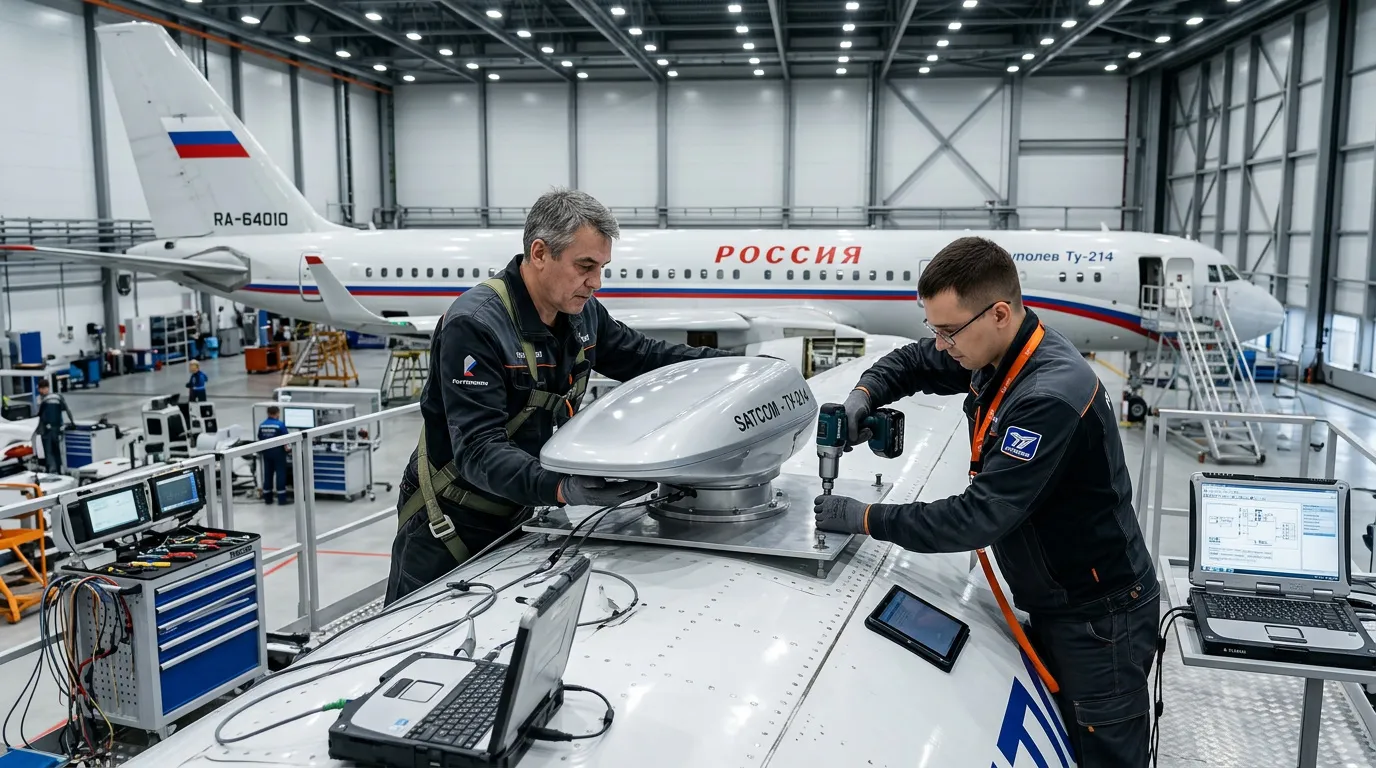
According to the developers, the system is already ready for mass production. It is currently undergoing commercial operation onboard a Tu-214 aircraft operated by a Russian airline.

A Step Forward for the Telecom Sector
For the telecommunications industry, this development goes beyond adding Wi-Fi to aircraft and represents a major step forward for the industry. It establishes domestic production of a telecom platform for civil aviation. Until recently, the market relied heavily on imported equipment and satellite services. This shift represents a key move toward building a national digital service stack for air transport.
If the onboard communications system enters serial production, the benefits will extend across the ecosystem. Passengers will gain access to standard digital services such as internet browsing, messaging, and video calls. Over time, airlines may also introduce personalized onboard services. This is particularly relevant for frequent travelers who rely on continuous connectivity for work.
Strengthening Technological Sovereignty
From a broader perspective, the initiative supports technological independence. If the current solutions evolve into a standardized platform, they could also offer export potential. Globally, demand for in-flight connectivity is growing, and Russian-developed systems may find opportunities in partner markets.
Efforts to provide wireless internet access on aircraft gained momentum in 2024, when Russia’s Minister of Digital Development, Maksut Shadayev, stated that in-flight Wi-Fi should become widespread by 2028. According to the plan, this goal will be achieved following the deployment of a new low-Earth orbit satellite constellation.

Satellite Infrastructure Takes Shape
Since then, tangible progress has been made. Private space company Bureau 1440 has advanced the development and deployment of the Rassvet satellite system. These satellites operate at an altitude of around 800km, which allows coverage with fewer spacecraft compared with widely known systems such as Starlink.
The first 16 satellites in the Rassvet constellation were launched in March 2026. The full deployment plan provides for expansion to 900 satellites. Initial launches of in-flight satellite internet services are scheduled for 2027.
In parallel, Russia is developing both transmission infrastructure and onboard receiving equipment. This dual-track approach increases the likelihood of meeting national targets. Because the system is based on domestically produced hardware, it is also expected to remain resilient to external supply constraints and sanctions.