Milk Cobot Goes Live in Tatarstan
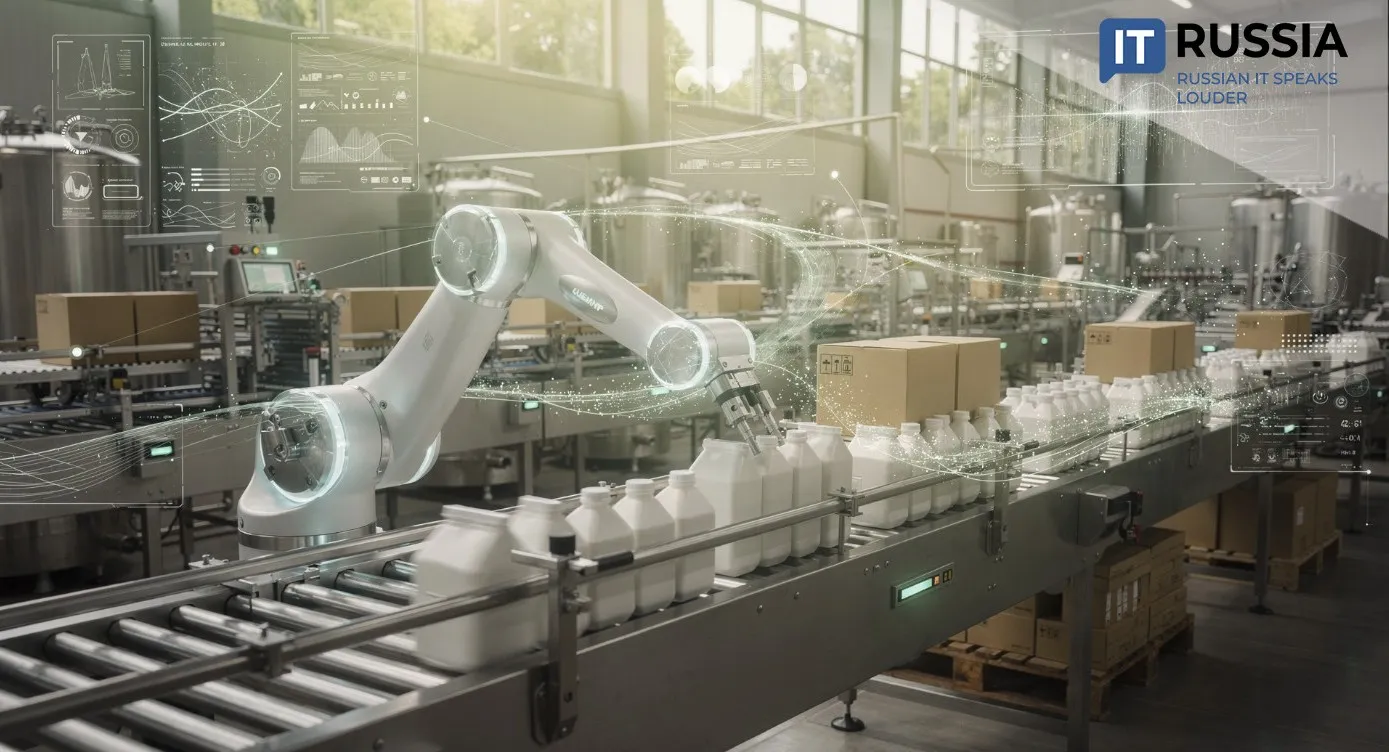
A collaborative robot has been deployed at the Edelweiss dairy plant in Kazan, working alongside human staff on the production floor.
Tatarstan is Russia’s leading milk-producing region, with output reaching 2.3 million tons last year. Nearly all of this “white oil” is processed at regional dairy plants, making production efficiency a priority and driving the adoption of robotics.
Robots Supporting Human Workers
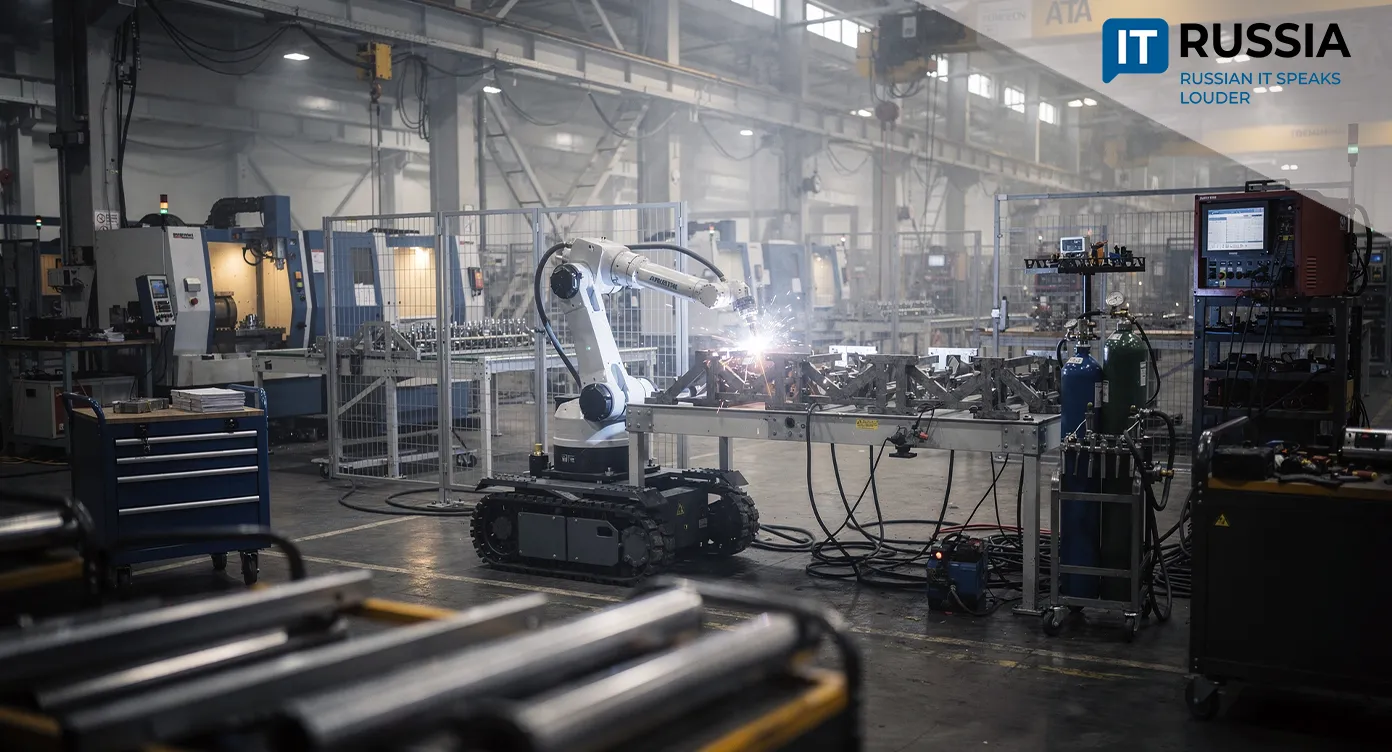
The shift is already visible. At the Edelweiss dairy plant in Kazan, a cobot, or collaborative robot, operates side by side with employees. Unlike traditional industrial robots, such systems are designed to work safely in open environments without protective barriers, directly alongside human operators.
In this case, the cobot has taken over physically demanding and repetitive tasks that can quickly fatigue human workers. It operates on the UHT product packaging line, handling up to 11,000 boxes per day. This has significantly reduced the workload on staff.
According to Yakub Zakriev, CEO of Logika moloka, automation levels in food production have risen from 38% to 50% over the past five years. This allows employees to expand their skill sets and take on more complex tasks within the enterprise.
The cobot is the third automation project implemented by Logika moloka under its Operatsionnoe sovershenstvo (Operational Excellence program). The Tatarstan facility serves as a pilot site where new solutions are tested before broader deployment.
Automation in Food Production
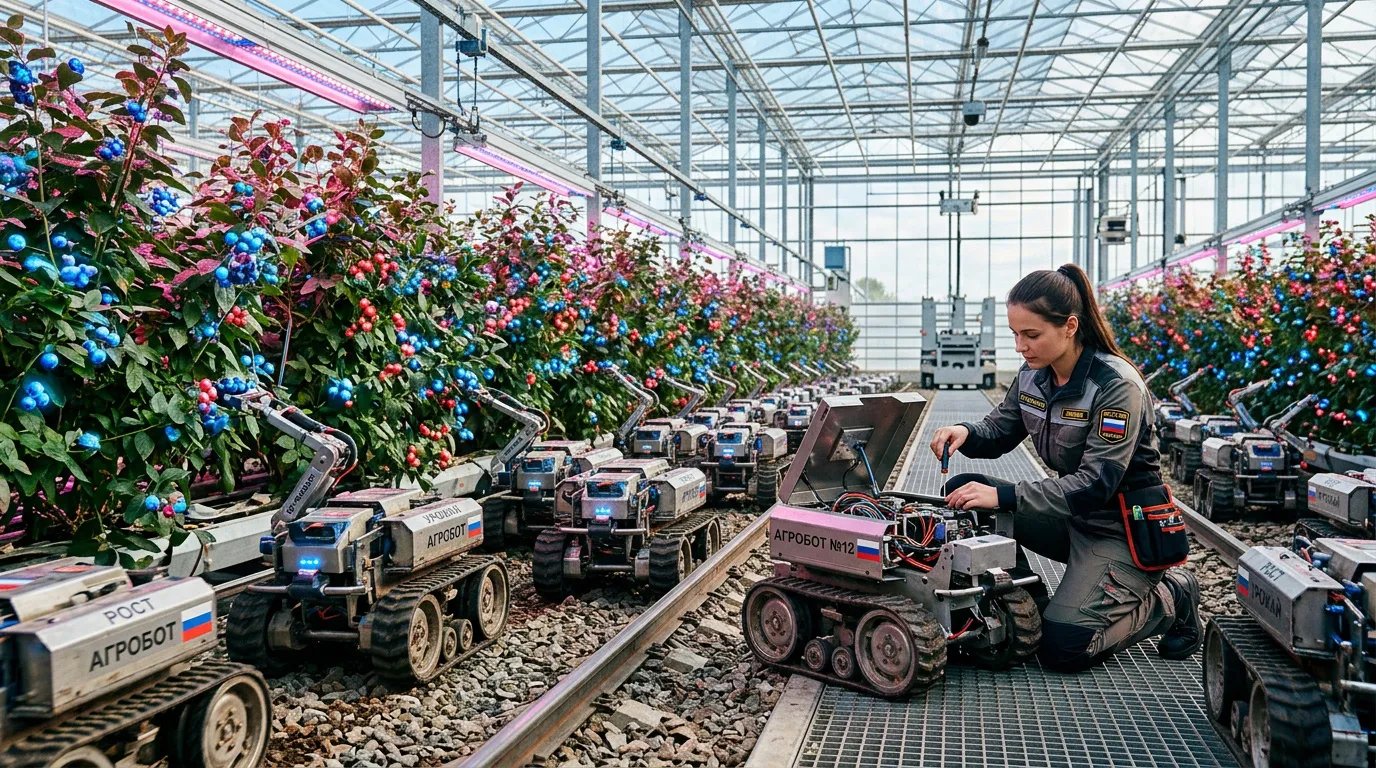
Automation in Russia’s food industry has become a systemic process driven by two factors. First, it improves profitability; second, without automation and robotics, companies struggle to remain competitive in the market.
By 2024, robotics had already become an industry-wide trend. According to researchers at the Institute for Statistical Studies and Economics of Knowledge at the National Research University Higher School of Economics (ISSEK HSE), 23.2% of food production facilities in Russia were using industrial robots and automated lines, compared with 19% in the broader manufacturing sector.
In practice, adoption has been concentrated among large and some mid-sized enterprises with sufficient financial and workforce resources.
Logika moloka, formerly Health & Nutrition, plans to invest about RUB 400 million (approximately $4.8 – 5.0 million) in production automation in 2025 – 2026. The program will cover 10 plants and 40 production lines.
Automation and AI
In 2025, VEKAS presented solutions at the DairyTech exhibition that integrate collaborative robots into palletizing operations, along with systems combining cobots and machine vision for barcode scanning and automated product sorting. These technologies are particularly relevant for dairy, meat, and confectionery producers seeking to optimize operations.
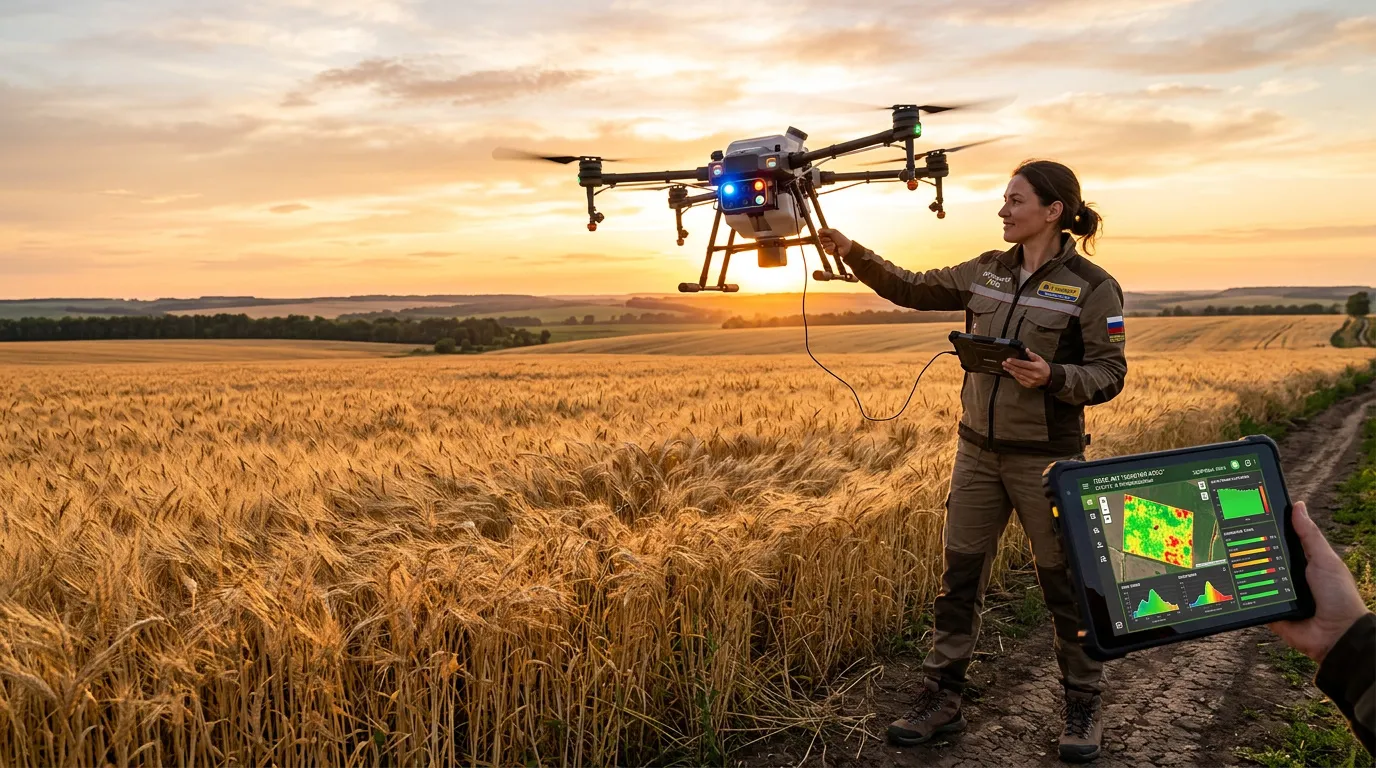
Experts note that the economic impact increases further when automated systems incorporate artificial intelligence. Around one-quarter of agribusiness companies are already using AI in full-scale industrial operations, according to Ksenia Demina, an expert at the Analytical Center of VCIOM. Adoption is primarily concentrated among mid-sized and large enterprises. Analysts at consulting firm Yakov i Partnery estimate that AI deployment in the agro-industrial sector could generate more than RUB 500 billion (approximately $6.0 – 6.3 billion) in annual economic value.
Targeting Top-25 in Robot Density
The cobot deployment at the Edelweiss plant is notable because it demonstrates automation not only at large-scale enterprises, but also in targeted production segments with repetitive operations. In such environments, even localized cobot implementations can deliver strong economic returns. This experience could be replicated across smaller food production facilities.
Over the next two years, such solutions are expected to be used more widely in packaging, palletizing, and intralogistics. Expanding domestic robot manufacturing will be key. As Industry and Trade Minister Anton Alikhanov has stated, Russia aims to increase production to 10,000 robots per year by 2030. This is part of a broader goal set by President Vladimir Putin to place the country among the world’s top 25 nations in robot density by 2030.
A New IT Market and Labor Shift
According to Kommersant, citing the Industry and Trade Ministry, more than RUB 15 billion (approximately $180 – 190 million) is expected to be allocated by 2030 to establish more than 30 robotics development centers across all federal districts. These hubs are expected to foster system integrators, domestic industrial software developers, and service companies.
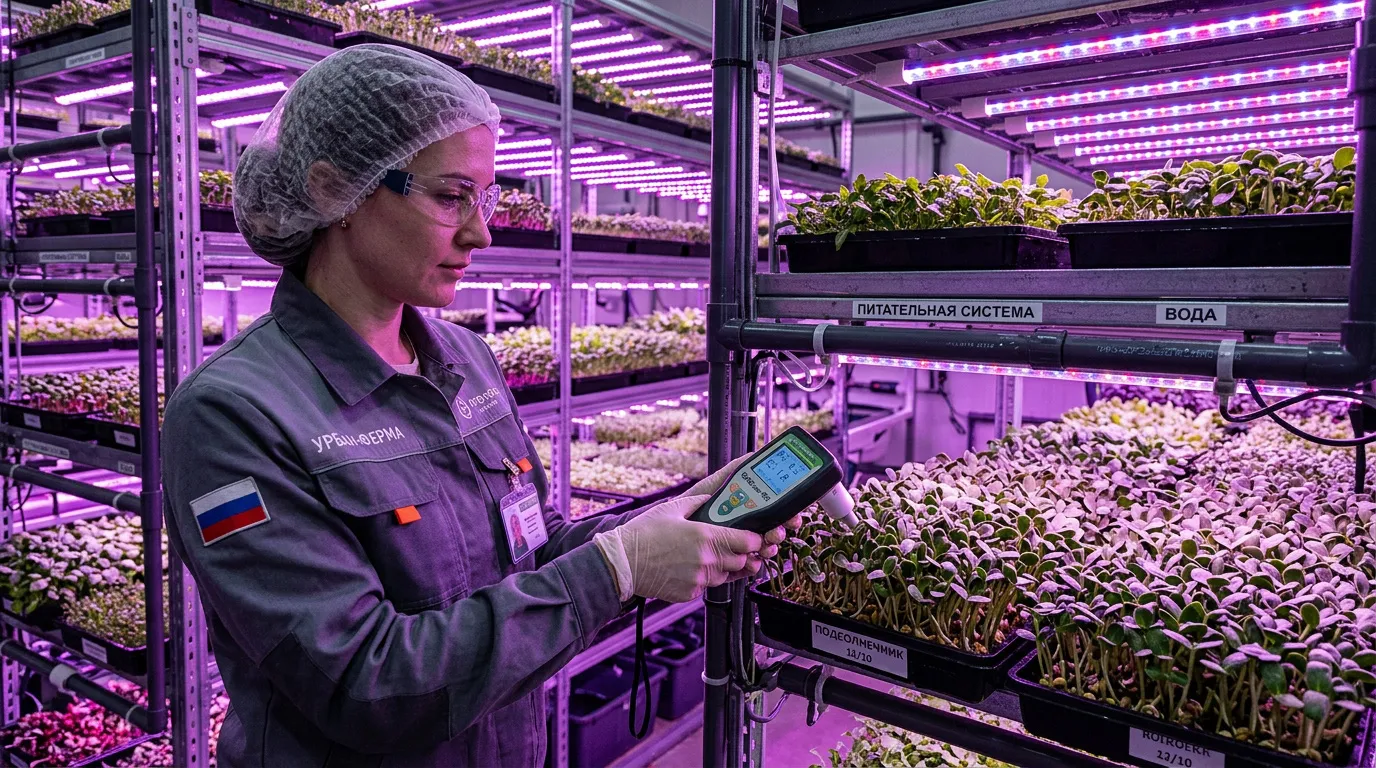
At the same time, the labor market is set to evolve. Demand for heavy, low-skilled labor will decline, while the need for line operators, maintenance specialists, industrial software experts, service engineers, and robotics technicians will grow.
With rising food production volumes, Russia is also positioned to expand exports. In the dairy sector, for example, Russian ice cream is already popular in China. Exporting robotics solutions for food production could offer even greater potential. To succeed, Russian integrators will need to develop standardized, proven solutions. Such systems could find demand in food industries across partner markets in the EAEU, CIS, the Middle East, and Asia.