Yamal Charts a Course Toward Digital Navigation
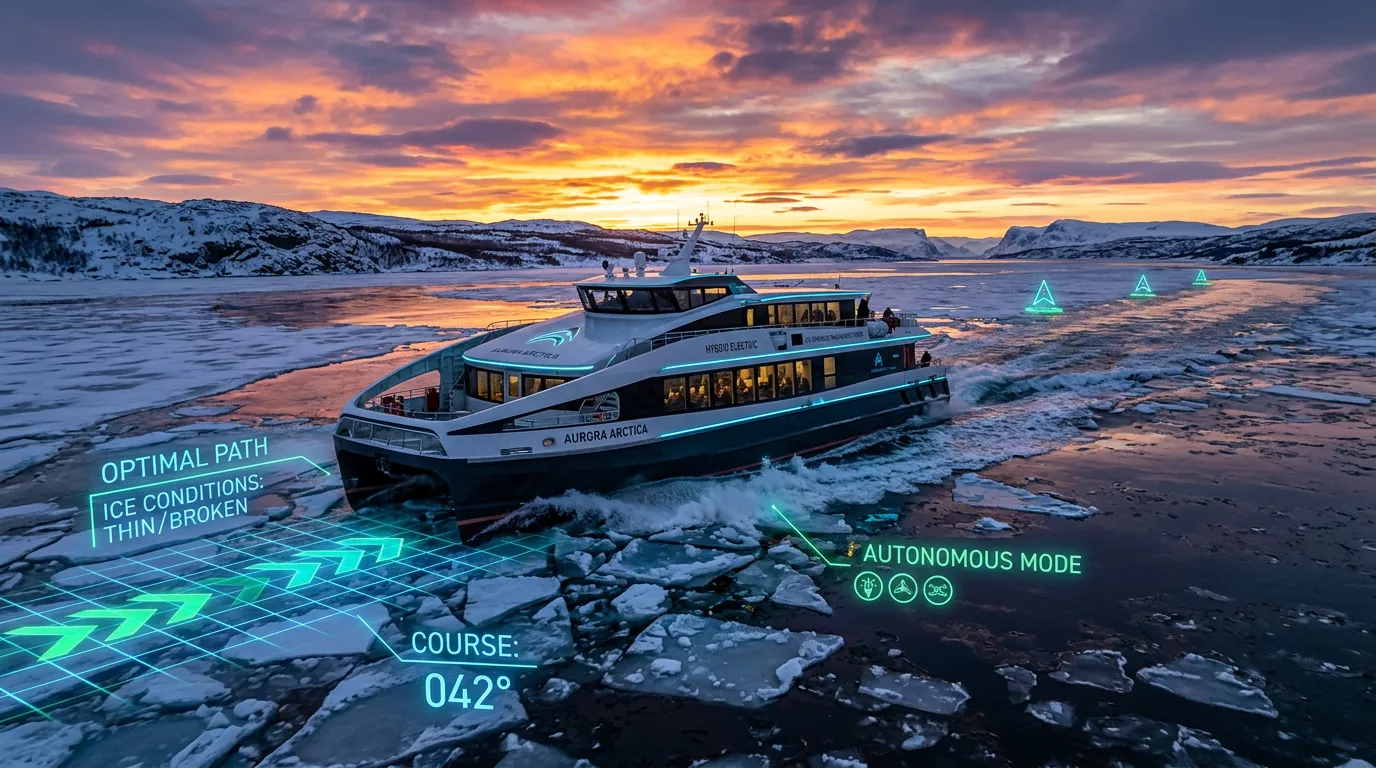
An unusual new generation of ferries could soon begin operating between Salekhard and Labytnangi. Equipped with hybrid propulsion systems and intelligent navigation technology capable of "seeing" through fog and ice, they are designed to make one of Russia's key Arctic river crossings safer and more reliable.

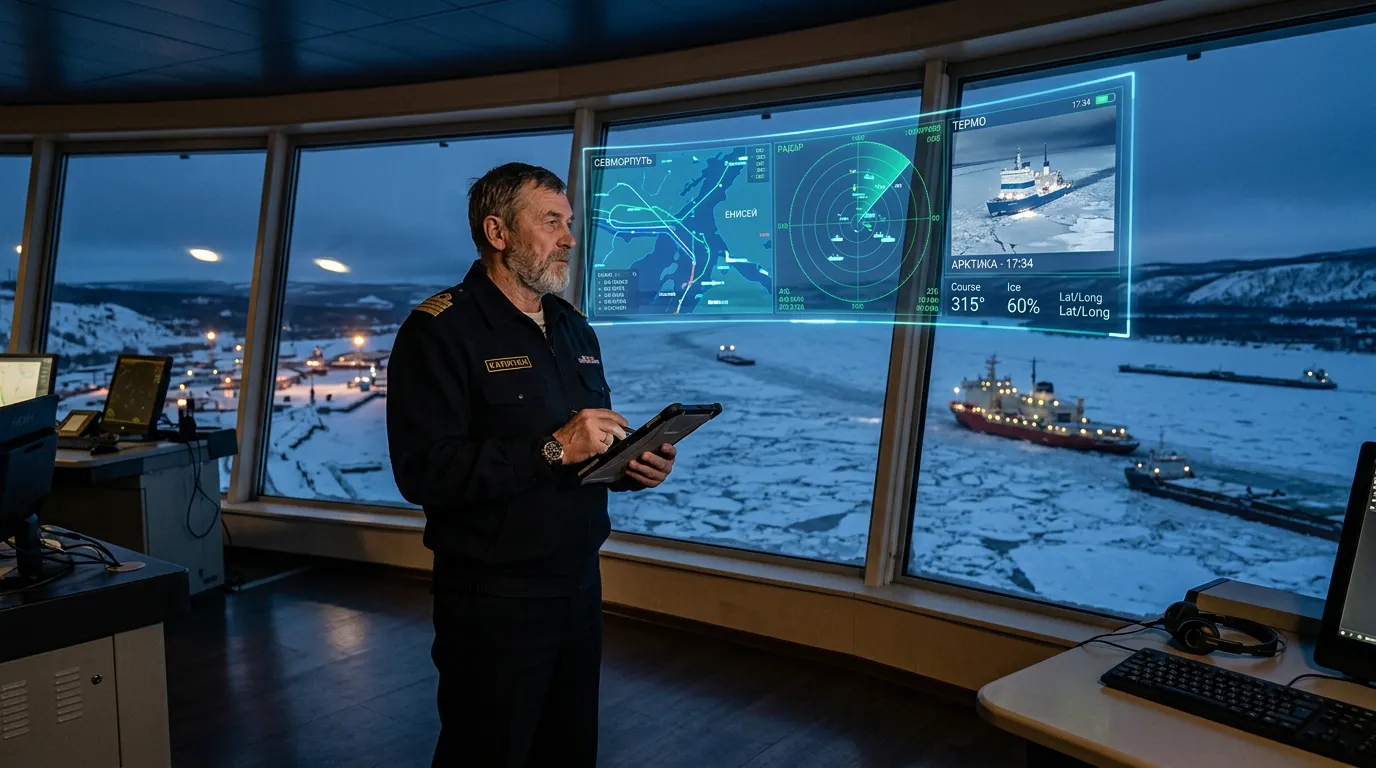
Sitronics KT and the Emperium Group are designing four vehicle-passenger ferries for the Ob River crossing. Their defining features are hybrid propulsion systems and autonomous navigation technology supported by remote supervision from a shore-based operations center. Crew members will remain onboard throughout operations and will be able to assume manual control whenever necessary.
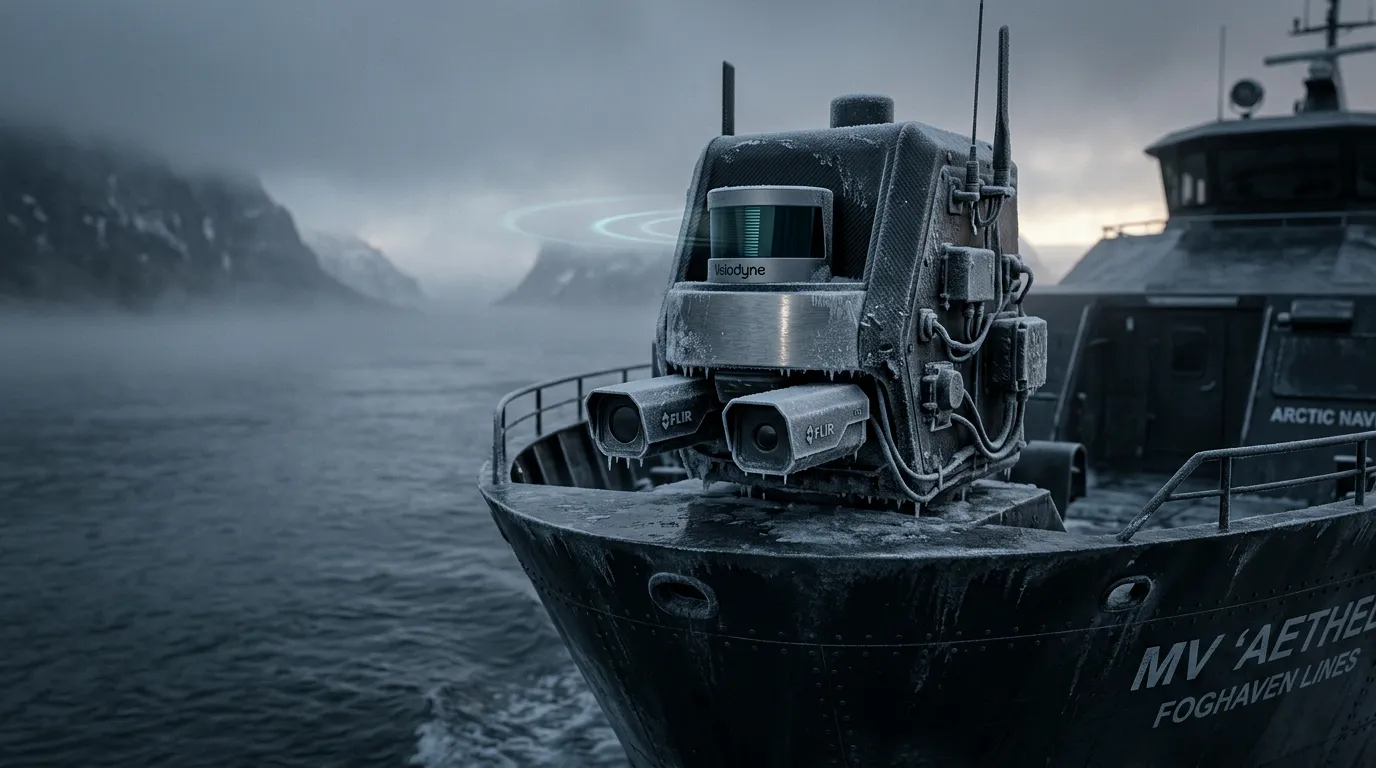
The onboard system will continuously collect and analyze data from radar, thermal imaging cameras, navigation equipment and vessel sensors. It will detect potential hazards and automatically calculate collision-avoidance maneuvers in real time. The ferries are designed to operate reliably in fog, strong winds and broken ice up to 20 centimeters thick.
From Yamal to Broader Routes
The project's primary long-term objective is to replicate semi-autonomous vessels on socially important ferry routes across Siberia, the Russian Far East and the Arctic, where bridge construction is often economically impractical and ferry operations remain heavily affected by weather, seasonal conditions and shortages of qualified vessel operators.
The technology is particularly well suited to short, regularly scheduled routes. Repetitive voyages make it possible to prepare digital navigation charts, operational scenarios and maneuvering algorithms in advance, while a single shore-based control center can supervise multiple vessels simultaneously. That approach lowers operating costs and helps offset the shortage of qualified navigators.
Over time, the ferries could be integrated with regional digital transportation platforms, including electronic scheduling systems, queue management services, weather monitoring networks and ice-condition forecasting platforms. Data on vessel health could also support predictive maintenance strategies and help prevent equipment failures before they occur.
The export opportunity lies not in selling individual vessels but in delivering integrated solutions: the ferry itself, autonomous navigation, a shore control center and long-term technical support. Such offerings could attract interest from countries with extensive river systems, island territories or limited bridge infrastructure, particularly across Asia, the Middle East, Africa and Latin America.
Russia's Autonomous Shipping Timeline
Russia first demonstrated an autonomous vessel based on domestically developed technologies to the international maritime community in 2021. In 2022, Sitronics KT began equipping the ferries Marshal Rokossovsky and General Chernyakhovsky, operating on the Ust-Luga – Baltiysk route, with autonomous navigation systems. In 2023, ferries operated by Rosmorport received regulatory approval to operate with these systems.
In 2024, Russia's Ministry of Industry and Trade announced the development of an autonomous, crewless electric cargo-passenger ferry. During 2025, engineers began designing a ferry concept specifically for Yamal, tailored to local docks, water depths and shoreline infrastructure. By 2026, the Ministry of Transport had reported interim project results and outlined plans for a future network of autonomous maritime and inland-waterway routes, particularly in remote regions.
Toward Safer, Smarter Logistics
The Yamal ferry project illustrates how autonomous navigation technologies are moving beyond the testing phase into real transportation systems. Its greatest strength lies in combining advanced digital technologies with a clearly defined infrastructure challenge. Rather than eliminating onboard crews, the project focuses on automating routine operations, improving situational awareness and reducing the impact of human error.
The most likely development path is a gradual increase in autonomy. Initially, ferries will operate under continuous supervision from both onboard crews and the shore-based operations center. As operational data accumulates and safety is validated, the system's capabilities can be expanded. Fully crewless passenger ferry operations remain unlikely in the near future because of stringent safety and regulatory requirements.
If successful, the project could become a standard model for modernizing river crossings throughout Russia's northern and remote regions. For the country's IT sector, it represents an opportunity to develop a scalable domestic platform combining onboard equipment, software, communications infrastructure, navigation data processing and remote fleet dispatching. Over the long term, ferries built around these technologies could make Russia's transportation corridors more resilient, predictable and technologically advanced, even in environments where nature presents the greatest operational challenges.