Optimacros at Merz Pharma: A New Standard for Corporate Budgeting
Merz Pharma, one of Russia’s largest pharmaceutical companies, has moved its budgeting system to the domestic Optimacros platform.
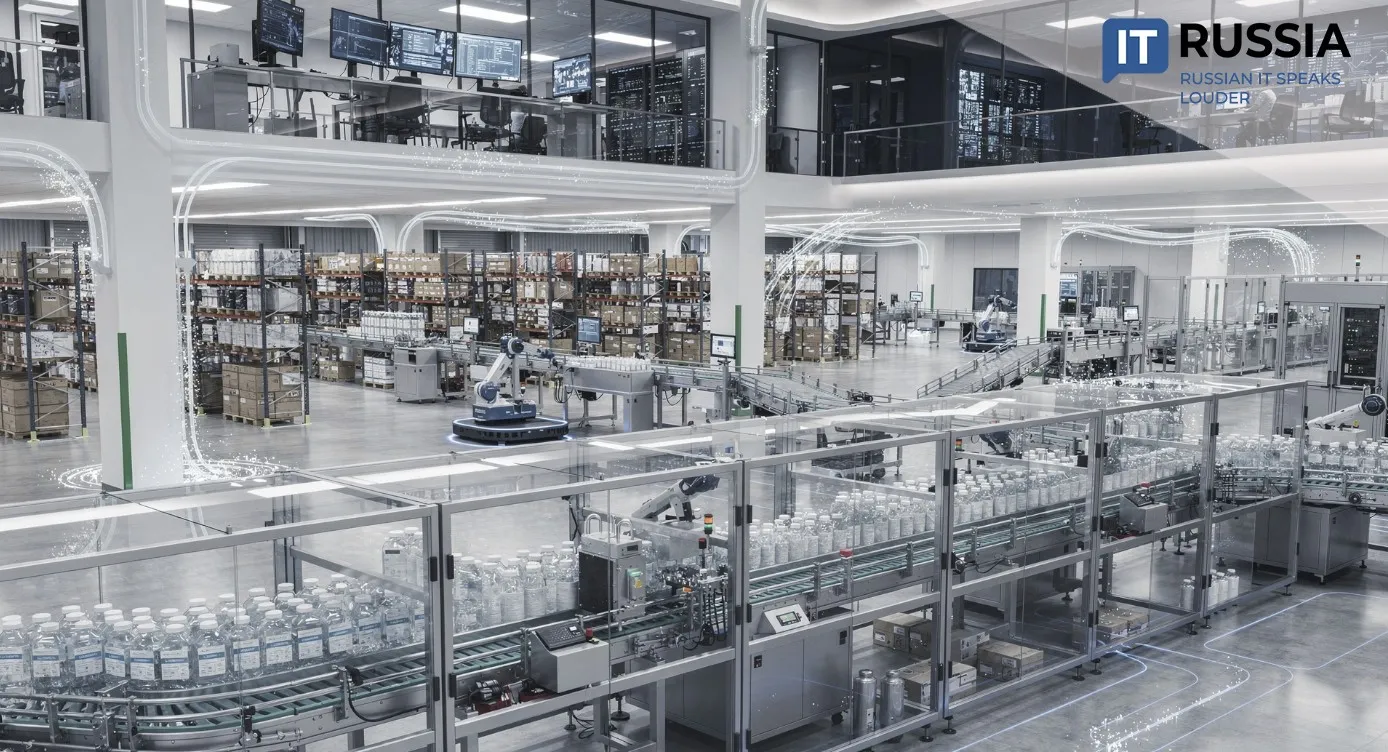
The software suite, deployed by system integrator Navikon, has allowed the company to fully eliminate Western software from its business process management. Bringing data from financial and accounting systems into a single environment improves the accuracy of the analysis underpinning the company’s rolling budgeting approach. Automation also helps Merz Pharma respond quickly to market changes and adjust its plans.
Transparency in Budgeting
Manual budgeting and regular operational reviews of expenses previously consumed substantial amounts of employees’ time, slowing decision-making and reducing its effectiveness. Several years ago, Merz Pharma automated these processes with Western software, but the vendor’s exit from the Russian market left the company needing a replacement. It chose Optimacros, a platform included in Russia’s national software registry.
The company took four months to put the technology into production. During that period, Merz Pharma built a localized corporate performance management (CPM/EPM) environment and integrated it with its existing ERP infrastructure. Data collection and processing now take less time, budget variances can be monitored in real time, and calculation accuracy has improved.
“Automation also makes budgeting processes more transparent, which helps departments work together more effectively and make decisions faster as the external environment changes rapidly,” said Alexander Zimin, head of financial control at Merz Pharma.
The company supplies aesthetic medicine products to clinics across Russia and is no longer dependent on foreign services. The speed of the Optimacros production rollout demonstrates the maturity of Russian CPM platforms and their ability to meet the needs of large enterprises. Domestic platforms are increasingly becoming the foundation for comprehensive corporate planning.

Scaling Across the Industry
The next stage of the project will expand its functionality from automating operating expenses to revenue planning, resource and logistics optimization, and balancing production with sales of finished goods. Over time, the company plans to move from basic budgeting to integrated business planning (IBP). “The automation results meet our shared expectations and have also created a foundation for scaling and further developing the solution,” said Ekaterina Markelova, project manager at Navikon.
There is already an example of this broader adoption. Another major Russian pharmaceutical company, Akrihin, is using Optimacros for comprehensive business planning. That provides a basis for viewing the technology as a solution that can be replicated across the pharmaceutical industry.

Migration to Optimacros
Russia’s shift away from foreign software for planning and reporting is taking place systematically. In 2023, T-Bank moved its management reporting models from Anaplan to the Russian Optimacros platform. In 2024, automotive holding company Rolf and online retailer Lamoda also moved their financial systems to the Russian platform, reducing the risks associated with foreign cloud software. In 2025, AB InBev Efes, which operates 11 breweries and three malting complexes, migrated 14 planning models to Optimacros while also establishing an internal center of expertise.
System integrator OptiTeam Consulting has delivered more than 170 projects on the platform across 15 economic sectors. It is not Optimacros’ only partner: Navikon has deployed the solutions at Merz Pharma, alongside other implementation partners.
Industry Templates
Taken together, these deployments point to the emergence of industry standards for comprehensive planning based on Russian software. Over the next one to two years, demand is expected to grow for Russian IT solutions that use machine learning for scenario modeling and offer deep integration with ERP and BI systems in retail and manufacturing. Their adoption could help companies move from fragmented budgeting to an ecosystem-based approach to business management, giving them greater flexibility and making results easier to measure.